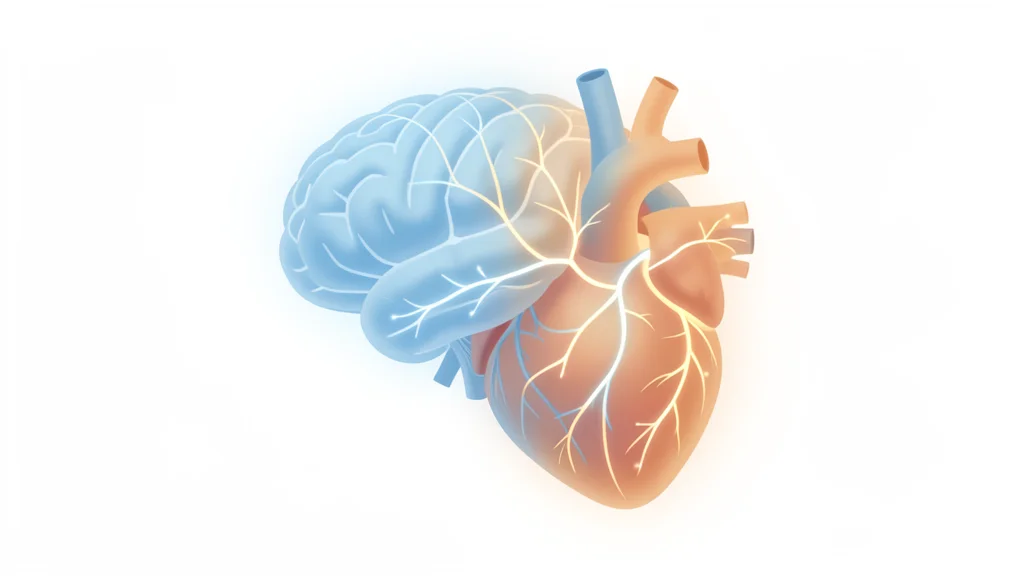
Facial Symptoms in FND: What Can Happen and How to Treat Them
Does your face feel numb, tight or paralysed while tests show nothing wrong? Learn about facial symptoms in functional neurological disorder and their care.
Articles on hypnotherapy, anxiety, phobias, sleep, habits, confidence, and personal development.
This blog is for readers who want to understand hypnotherapy before booking a first conversation. The articles explain concepts, limits, warning signs and possible support routes for anxiety, phobias, sleep, habits, confidence and personal development. The goal is to help you ask better questions in the initial consultation, not to replace professional assessment.
When an article discusses symptoms or mental health, read it as general education. If there is risk, intense crisis, thoughts of self-harm, medication use or major disruption to daily life, seek medical, psychological or local emergency support. Hypnotherapy can be complementary, but it should not delay necessary clinical care.

Does your face feel numb, tight or paralysed while tests show nothing wrong? Learn about facial symptoms in functional neurological disorder and their care.

Do you experience constant dizziness, as if you were on a boat or had a heavy head, even though all your test results came back normal? Learn about PPPD.

Your legs give way and you fall while fully conscious? Learn about functional drop attacks in FND and discover what actually helps with recovery.

Blurred vision, double vision, or loss of visual field in Functional Neurological Disorder? Learn why FND affects vision and what works to improve these.

A review of the evidence on cognitive behavioural therapy for Functional Neurological Disorder: what clinical studies have shown and what is still unknown.

Fatigue is one of the most debilitating symptoms of FND and is often overlooked. Learn why it occurs, how it relates to functional neurological disorder.

Explore the link between functional neurological disorder and depression, including shared symptoms, treatment approaches, and how to find support for both.

Stress is one of the most common triggers for functional neurological disorder. Understand the connection and what actually helps.

Discover the biological, psychological, and social causes of FND. Learn about predisposing factors and common triggers for Functional Neurological Disorder.

A relapse of FND symptoms does not mean that treatment has failed. Learn why it happens and what to do when symptoms return.

How functional (dissociative) seizures differ from epilepsy: causes, how video-EEG confirms the diagnosis, why both can coexist, and what treatment looks like.

Supporting someone with functional neurological disorder can be hard. Learn what really helps, and what to avoid, to become an effective source of support.