
You go to the eye doctor. You undergo all the tests. The structure of your eyes is perfect—healthy retina, intact optic nerve, normal pressure. But your vision remains blurry, double, or with blind spots that come and go.
If you have Functional Neurological Disorder (FND), this experience is probably nothing new. Visual problems are among the most underestimated symptoms of FND—and among the ones that most frighten those who experience them.
Why does FND affect vision if the eyes are fine?
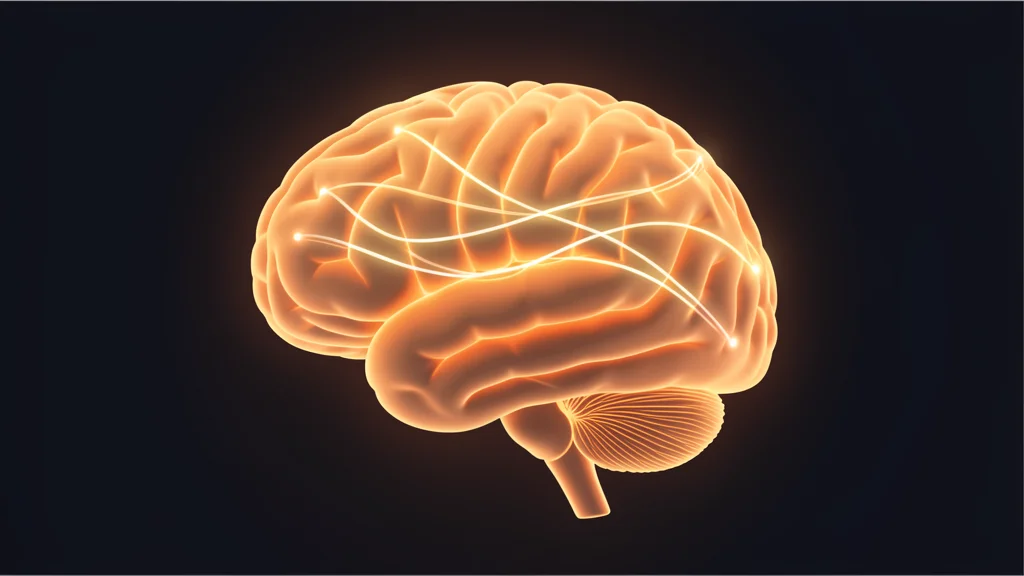
The answer lies in a distinction that many doctors fail to explain clearly: seeing is not just a function of the eyes. It is a function of the brain.
The eyes capture light and convert it into electrical signals. But it is the brain—specifically the visual cortex and visual processing networks—that interprets these signals and constructs the image you see. If there is a breakdown in communication between the eyes and the brain, vision fails. And eye exams come back normal.
In conversion disorder, this breakdown in communication is exactly what happens. The brain temporarily loses the ability to process visual signals correctly—not because the eyes are damaged, but because the neurological “software” is malfunctioning.
This explains why the visual symptoms of conversion disorder tend to be intermittent: they appear during periods of greater nervous system dysregulation and improve when the system stabilizes.
What are the most common visual symptoms in FND?
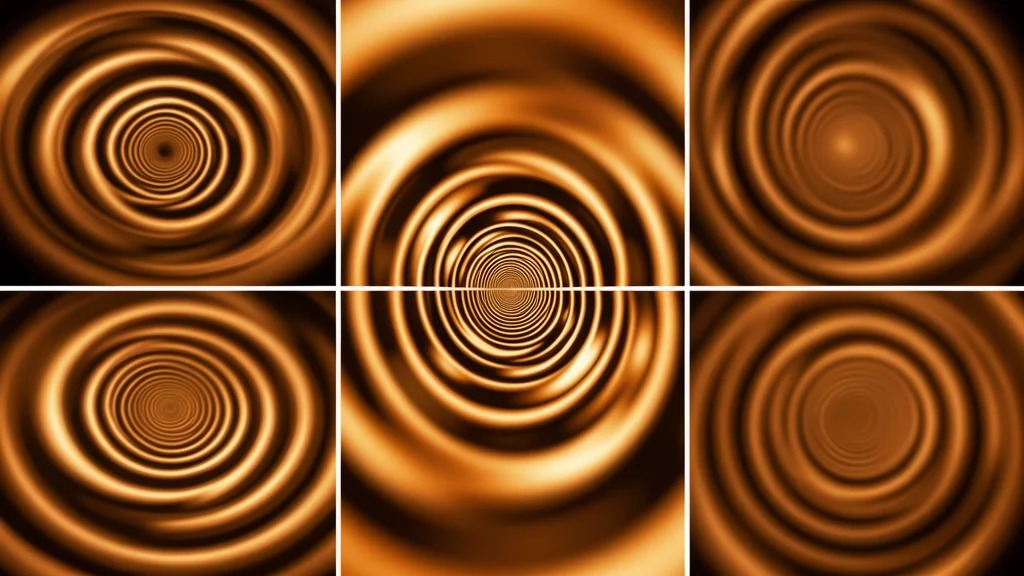
Vision problems in conversion disorder can take various forms. The most common are:
- Blurred or hazy vision that fluctuates throughout the day
- Double vision (functional diplopia)
- Loss of visual field—as if part of the image simply disappeared
- Tunnel vision—the visual field narrows, as if you were looking through a straw
- Extreme sensitivity to light (functional photophobia)
- Difficulty focusing or switching between near and far objects
- A sensation of “visual fog”—as if there were a translucent curtain between you and the world
These symptoms may appear on their own or in combination with other FND symptoms, such as functional crises or motor weakness. In some patients, visual symptoms are the first sign that the nervous system is becoming dysregulated.
Why do eye exams come back normal when my vision is failing?

This is perhaps the hardest part. You feel that your vision isn’t right. You know something is wrong. But all the test results come back normal.
The ophthalmologist says your eyes are healthy. They might mention that it could be “stress” or “eye strain.” You leave the appointment with a prescription for lubricating eye drops and the feeling that you weren’t taken seriously.
This experience is common among patients with FND—and it’s particularly frustrating when it comes to visual symptoms because vision is something so concrete. You know what you see. You know what you don’t see. But the tests show nothing.
What’s happening isn’t a deliberate dismissal. It’s just that most ophthalmologists are trained to detect structural problems—retinal lesions, optic nerve damage, cataracts. They weren’t trained to diagnose functional disorders of visual processing. The problem exists, but it lies beyond the reach of conventional ophthalmic instruments.
What works for FND vision problems

Because the problem lies in the brain’s processing of vision and not in the eyes themselves, the solution also involves the nervous system—not glasses or eye drops.
1. Confirm the functional diagnosis with a neurologist
Before any intervention, it is important to confirm that the visual symptoms are functional in origin and to rule out other causes. A neurologist with experience in FND can perform a differential diagnosis and reassure you that there is no progressive eye disease underlying the symptoms.
2. Regulation of the autonomic nervous system
The visual symptoms of FND tend to worsen when the nervous system is in a state of hyperarousal. Techniques that activate the parasympathetic nervous system—the “brake” on stress—have shown positive results:
- Slow diaphragmatic breathing exercises
- Visual grounding techniques (focusing on a stable object and describing it in detail)
- Biofeedback to learn how to recognize and modulate the state of arousal
3. Visual Reprogramming with a Specialized Therapist
Some occupational therapists and neuropsychologists use visual rehabilitation exercises to treat functional neurological conditions. These exercises help the brain reestablish visual processing circuits through gradual and repeated practice.
4. Integrated therapeutic approaches
Clinical hypnotherapy has shown results for sensory symptoms of FND, including visual ones. Hypnosis allows access to and reconditioning of the neurological patterns underlying the dysfunction—including how the brain processes visual information.
EMDR, especially when there is an associated trauma component, can also reduce the frequency and intensity of visual symptoms by processing the memories that keep the nervous system in a state of hyperarousal.
Blurred Vision in FND Is Not Permanent
Visual symptoms in conversion disorder are real, frightening, and frustrating—especially when tests show nothing. But they also respond well to targeted interventions that address where the problem actually lies: in the nervous system, not in the eyes.
If you have conversion disorder and are dealing with blurred vision, double vision, or other visual symptoms, the first step is to know that you’re not imagining anything. The second is to seek out a professional who understands the functional neurology behind what you see—or what you’ve stopped seeing.
If you’d like to address your visual symptoms of FND with an integrated neurological approach, check out my work at fabiomorus.com/en/contact.
And to start regulating your nervous system today, download the free ebook Zero Anxiety—it includes practical grounding and regulation exercises that also help with visual symptoms.