

If you’ve been diagnosed with Functional Neurological Disorder (FND), the first question you likely asked was: Why? Why is my body failing me? Why did this happen now?
For years, the medical world didn’t have a good answer. You might have been told it was “all in your head” or that your symptoms were just psychological. Let’s be clear: that isn’t true. FND is real, it’s complex, and it happens at the intersection of neurology and psychology. Understanding why it happens isn’t about finding a broken “part”—it’s about understanding how your brain’s “software” is running.
In this guide, we’ll look at the latest science behind FND causes and triggers. We’ll use the biopsychosocial model to explain why your nervous system is behaving this way and, more importantly, how you can start to change it.
The Biopsychosocial Model: A “Software” Problem
Think of your brain like a computer. In most neurological diseases, like multiple sclerosis, there is a “hardware” problem—physical damage to the wiring.
FND is different. It’s a “software” problem. The wiring is intact, but the signals are being processed incorrectly. This glitch doesn’t have one single cause. It comes from a mix of biological, psychological, and social factors.
Biological Vulnerability
Some of us are simply born with a more sensitive nervous system. This isn’t about a single “FND gene,” but a combination of traits that influence how you respond to stress and sensory input.
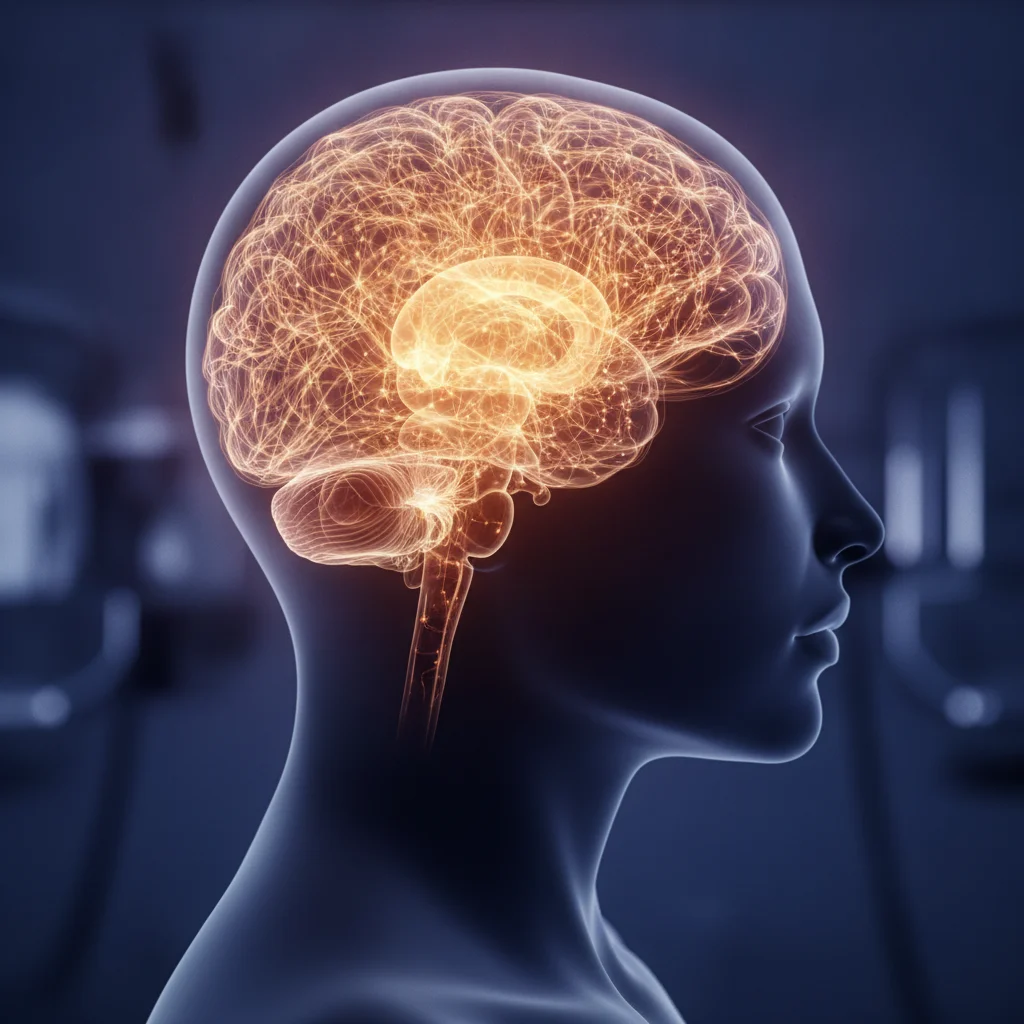
Brain scans (fMRI) show that in FND, the circuits responsible for emotion, attention, and “agency”—that sense of being in control of your own movements—can become overactive or underactive. The brain is trying to protect you, but it’s using the wrong signals to do it.

The Mind-Body Connection
FND isn’t “caused” by psychology alone, but your emotions and your physical body are inseparable. When you experience chronic stress or trauma, it changes your neurobiology.
For many, FND is the body’s way of expressing overwhelming internal states that the mind can’t process yet. This isn’t a choice; it’s an involuntary response of your nervous system.
Predisposing Factors: The Foundation
Predisposing factors are the “fuel.” They are things that happened long before your symptoms started, creating a vulnerability—a ground where FND can take root.
Trauma and Life Events
There is a documented link between early life trauma and FND. Trauma sensitizes the nervous system, making it more likely to “short-circuit” under pressure later on.
But here is the critical part: Not everyone with FND has a history of trauma. For some, the vulnerability comes from chronic illness, prolonged stress, or even high levels of perfectionism.
The “High Achiever” Trap
Are you someone who always puts others first? Do you ignore your own needs to get things done? This “high achiever” trait can actually be a predisposing factor. If you won’t stop, your body might eventually find a way to make you stop—through functional symptoms.
Precipitating Factors: The Match
If predisposing factors are the fuel, precipitating factors are the “match.” These are the specific events that trigger the symptoms.
Physical Injury or Pain
One of the most common triggers is a simple physical injury. A fall, a minor car accident, or surgery. The pain captures the brain’s attention. If your system is already vulnerable, the brain can get “stuck” in a loop of sending faulty signals, even after the initial injury has healed.
Emotional Crisis
A sudden shock—the loss of a loved one, a breakup, or intense work pressure—can be the trigger. The brain’s emotional centers become overloaded, leading to a functional “shutdown” or disconnection.

Perpetuating Factors: Why It Sticks
Once FND starts, why does it stay? Perpetuating factors are what keep the symptoms locked in place.
The Cycle of Health Anxiety
Having unexplained symptoms is terrifying. Naturally, you start checking your body constantly. But here’s the trap: when you focus intensely on your symptoms, you train your brain to prioritize those faulty signals. It makes the symptoms feel louder and more frequent.
Related reading: FND and Health Anxiety: Breaking the Vicious Cycle
The Stigma Factor
If you’ve been dismissed or told you’re “faking it,” your stress levels spike. This stigma doesn’t just hurt your feelings; it reinforces the neurological patterns of the disorder.

Related reading: Is FND Real? The Truth About Functional Neurological Disorder
FND Causes FAQ
Can stress alone cause FND?
Stress is a huge factor, but it’s rarely the only one. It’s usually a combination of your biology and a specific trigger. Managing stress is vital for recovery, but it’s only one piece of the puzzle.
Is FND a mental illness?
No. FND is a neurological condition. While anxiety or depression often show up alongside it, FND is a distinct disorder of how the nervous system functions.
Why did it start after a minor injury?
Because that injury was the “trigger” that captured your brain’s attention. Your nervous system “learned” a faulty pattern of movement or sensation and forgot how to turn it off.
Retraining the Brain
Understanding these causes is your first step toward healing. If the problem is “software,” the solution is to retrain the brain.
Through therapies like hypnotherapy and specialized CBT, we can address the underlying factors and teach your nervous system new, healthy ways to operate.
Related reading: Understanding FND Symptoms: Real Neurological Challenges Related reading: FND Recovery: Is It Possible to Re-train Your Brain?
Conclusion
FND is not a sign of weakness. It’s a complex interaction between your biology, your history, and your environment. By identifying the factors in your life that led here, we can create a real plan for recovery.
If you want a simple first step, download the free ANXIETY ZERO ebook. And if you feel you need more direct support, get in touch with Fabio Morus.