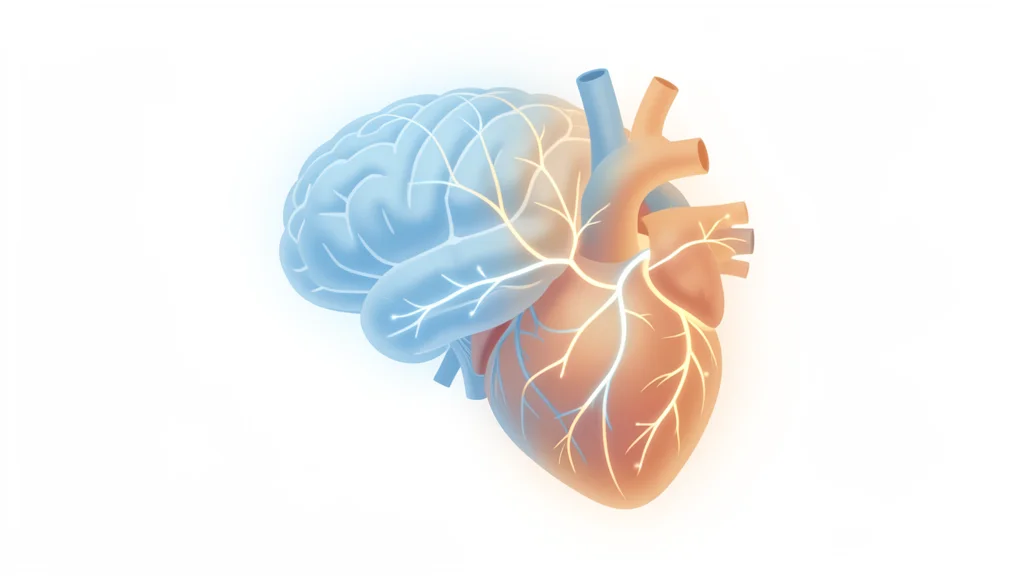

Living with functional neurological disorder (FND) is already challenging. When depression enters the picture, everything becomes harder. Understanding how these two conditions connect is essential for finding the right support.
Many people with FND feel dismissed by the medical system. Their symptoms are real, but tests come back normal. This experience alone can trigger or worsen depression. The problem is not weakness. It is the weight of living with an invisible condition.
What Is Functional Neurological Disorder?
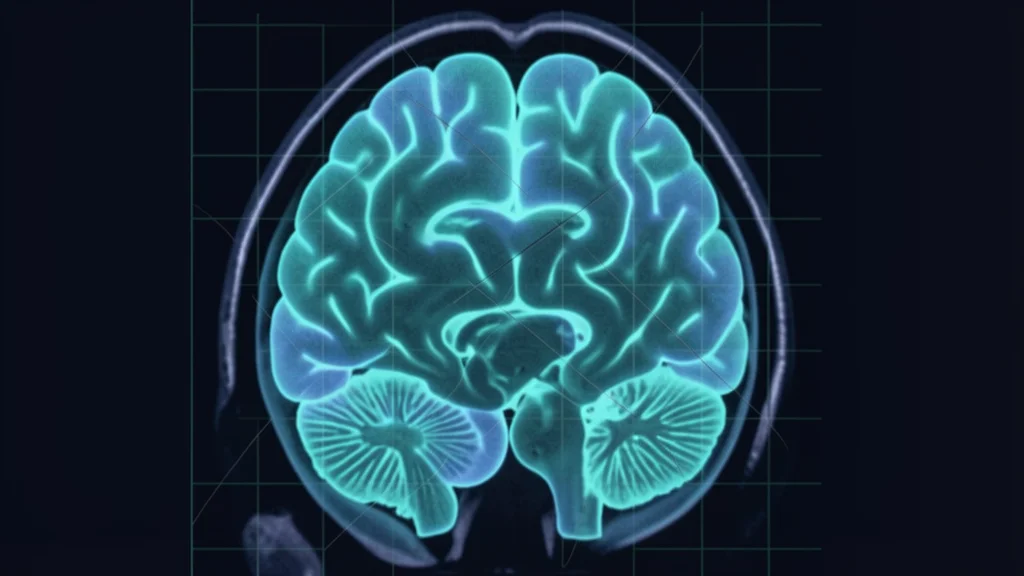
Functional neurological disorder is a condition where the brain fails to send and receive signals properly, without structural damage. It causes symptoms like weakness, tremors, seizures, or balance problems.
FND is not imagined. It is not attention-seeking. It is a genuine neurological condition that affects how the brain and body communicate. To understand more about this condition, read what is functional neurological disorder.
Common FND Symptoms
- Weakness or paralysis in limbs
- Tremors or shaking
- Non-epileptic seizures
- Balance and walking difficulties
- Chronic pain
- Visual disturbances
- Speech problems
- Memory and concentration issues
These symptoms can appear suddenly after stress, trauma, or illness. They can also develop gradually over time.
What Is Depression?

Depression is more than sadness. It is a persistent condition that affects mood, energy, sleep, appetite, and the ability to function in daily life.
Common Depression Symptoms
- Persistent low mood or emptiness
- Loss of interest in activities
- Fatigue and low energy
- Sleep disturbances
- Appetite changes
- Difficulty concentrating
- Feelings of worthlessness
- Thoughts of death or self-harm
If you are having thoughts of suicide or self-harm right now, seek immediate help: Samaritans 116 123 (free, 24 hours, Jersey and the UK). In a life-threatening emergency, call 999.
Depression is not a choice. It is a medical condition that affects brain chemistry and requires proper treatment. If you are experiencing symptoms of depression, you may also find our guide on how to deal with anxiety and depression helpful.
How Are FND and Depression Connected?
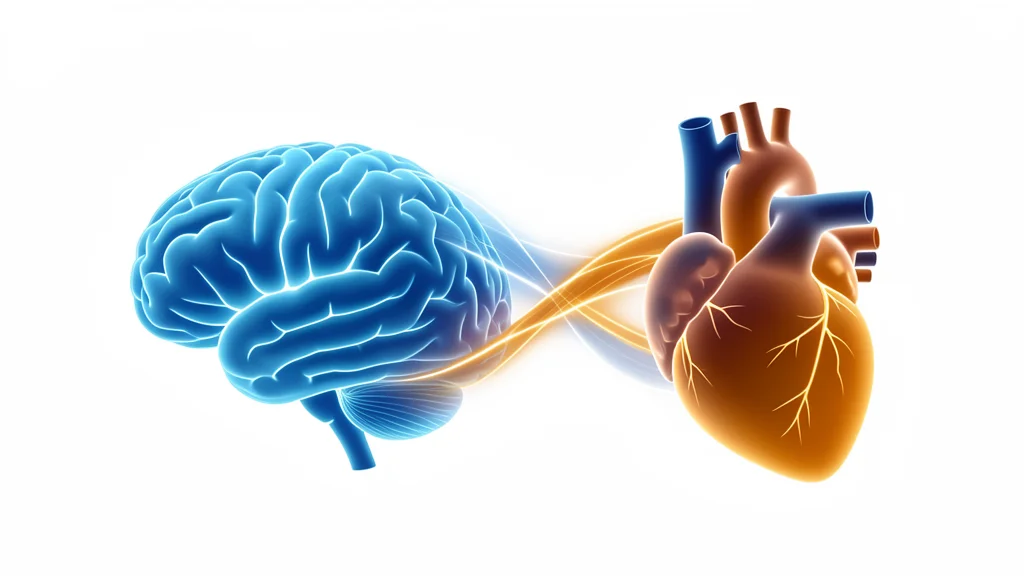
The relationship between FND and depression is complex. They are not the same condition, but they often coexist and influence each other.
Shared Biological Pathways
Both FND and depression involve the brain’s stress response systems. The same neurological pathways that regulate emotion also influence movement and sensation. When these systems are dysregulated, both conditions can emerge.
The Emotional Impact of FND
Living with FND is emotionally exhausting. Many patients experience:
- Diagnostic delay: Years of uncertainty before getting answers
- Medical dismissal: Being told symptoms are “all in your head”
- Loss of independence: Difficulty working, driving, or socializing
- Social isolation: Friends and family may not understand
- Identity crisis: Feeling like a different person after symptom onset
These experiences naturally increase the risk of depression. It is not weakness. It is a human response to prolonged stress and uncertainty.
Depression Can Worsen FND Symptoms
Depression affects motivation, sleep, and stress levels. All of these factors can make FND symptoms more frequent or severe. When someone is depressed, they are less likely to engage in rehabilitation, therapy, or self-care that helps manage FND.
Why Is FND Often Misunderstood?
FND occupies a challenging space in medicine. It is a neurological condition, but it does not show up on standard tests like MRI or CT scans. This leads to confusion and stigma.
Common Misconceptions
- “If tests are normal, nothing is wrong”
- “It must be psychological, not real”
- “You are just stressed or anxious”
- “You need to try harder to get better”
None of these are true. FND is a real condition with real symptoms. The brain is functioning, but its software has a glitch. This does not make it less valid than conditions with visible structural damage.
Diagnosing FND and Depression Together
Accurate diagnosis requires a comprehensive approach. Doctors need to look at both the neurological and psychological aspects of the patient’s experience.
Diagnostic Considerations
- Neurological exam: Ruling out other conditions like multiple sclerosis or epilepsy
- Psychological assessment: Identifying depression, anxiety, or trauma history
- Medical history: Understanding symptom onset and triggers
- Specialist referral: Working with neurologists and mental health professionals
A good diagnosis does not blame the patient. It explains what is happening and opens the door to effective treatment.
Treatment Approaches for FND and Depression
Treating both conditions together requires an integrated approach. Addressing only one while ignoring the other usually leads to incomplete recovery.
Psychological Therapies
Cognitive behavioral therapy (CBT) is effective for both FND and depression. It helps patients understand the connection between thoughts, emotions, and physical symptoms. CBT for FND specifically addresses how the brain processes movement and sensation.
Many people with FND also experience anxiety, which makes integrated therapy even more important.
Trauma-informed therapy is important for patients whose FND or depression stems from past adverse experiences. Processing trauma can reduce symptom frequency and improve emotional wellbeing.
Hypnotherapy can help retrain the brain’s response patterns. It works with the subconscious mind to create calmer, healthier reactions to stress and triggers.
Physical Rehabilitation
Physical therapy and occupational therapy help retrain movement patterns. For patients with FND-related weakness or tremors, structured rehabilitation can restore function over time.
Medication
Antidepressants can be helpful for depression and may also reduce some FND symptoms. They are not a cure, but they can provide enough stability for therapy and rehabilitation to work.
Lifestyle and Self-Care
- Regular sleep schedule
- Gentle physical activity
- Stress reduction techniques
- Social connection
- Mindfulness and relaxation practices
These foundations support both neurological and emotional health.
How to Support Someone With FND and Depression
If someone you care about has both conditions, your support matters. Here is how to help effectively.
Do
- Believe their symptoms are real
- Listen without trying to fix everything
- Encourage professional treatment
- Be patient with recovery timelines
- Learn about both conditions
Avoid
- Suggesting it is “all in their head”
- Comparing them to others who “got over it”
- Pushing them to do things they are not ready for
- Minimizing their experience
- Expecting quick recovery
Frequently Asked Questions
Can FND cause depression?
FND itself does not directly cause depression, but the experience of living with FND significantly increases the risk. The stress, uncertainty, and life changes associated with FND create conditions where depression can develop.
Is depression part of FND?
Depression is not a core symptom of FND, but it is a very common comorbidity. Many patients have both conditions simultaneously. Treating depression often improves FND outcomes.
Can treating depression improve FND symptoms?
Yes. When depression is treated, patients often have more energy and motivation to engage in FND rehabilitation. Better sleep and lower stress levels can also reduce FND symptom frequency.
What type of therapy works best for both conditions?
Cognitive behavioral therapy adapted for FND, combined with standard depression treatment, is often effective. Hypnotherapy and trauma-informed approaches can also be beneficial depending on the individual’s history.
Conclusion
FND and depression often travel together, but they do not have to define your life. Understanding the connection between them is the first step toward integrated treatment and genuine recovery.
If you are living with both conditions, know that help is available. The right combination of neurological care, psychological support, and lifestyle adjustments can lead to meaningful improvement.
If you want a simple first step, download the free Anxiety Zero ebook. And if you feel you need more direct support, get in touch with Fabio Morus.