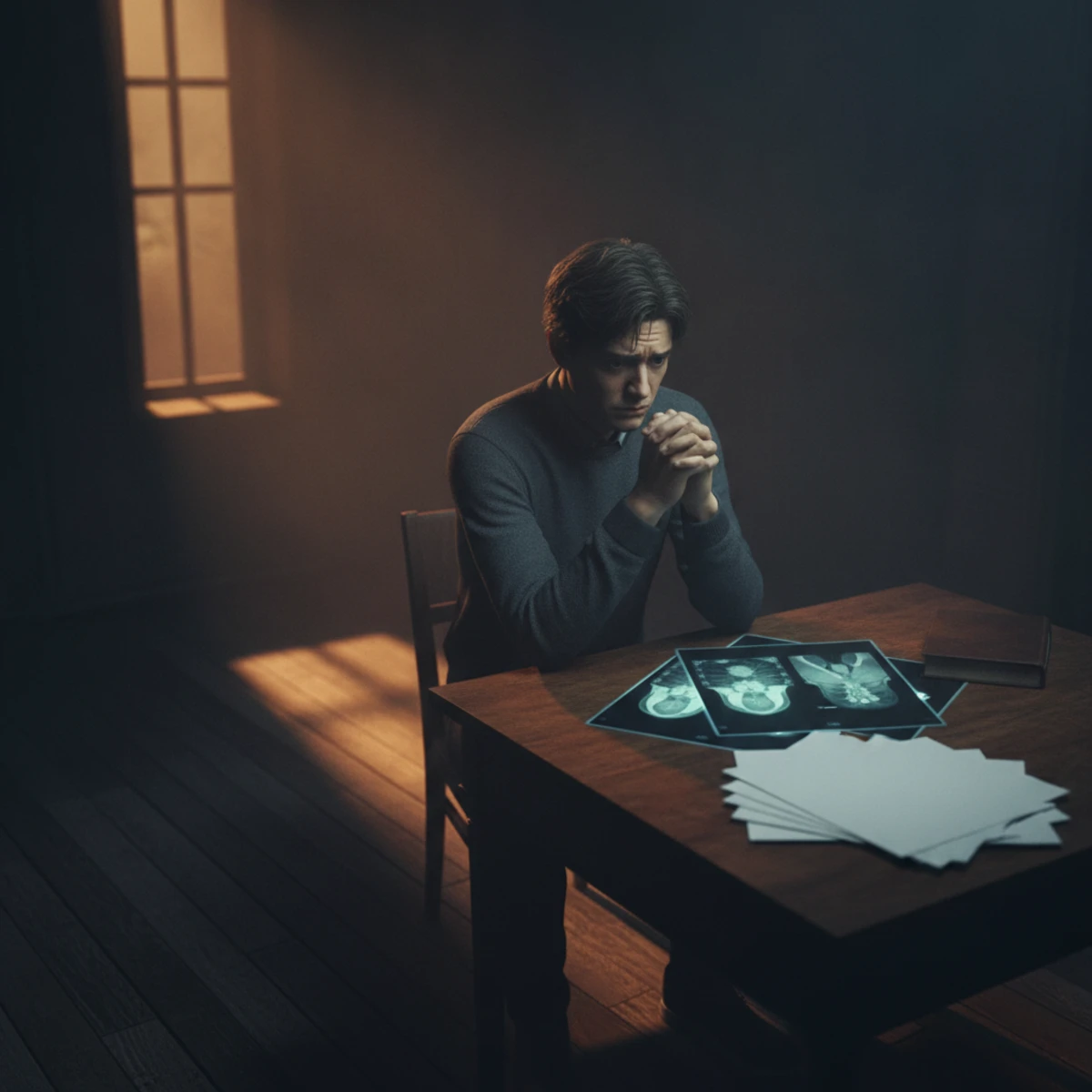

“Stop making a fuss.” “You’re exaggerating.” “It’s all in your head.”
If you have conversion disorder, you’ve probably heard one of those lines. Maybe from a relative. Maybe from a colleague. Maybe, in the worst case, from a health professional.
Let me be direct: conversion disorder is not faking. It’s not drama, it’s not attention-seeking, it’s not a lack of willpower. It’s a real neurological condition, with clinical signs that doctors know how to identify — and this piece exists to give you arguments and hand back your peace of mind.
Because the worst part of Functional Neurological Disorder (FND) often isn’t the symptom. It’s not being believed.
Where “it’s faking” comes from
Nobody wakes up deciding to disbelieve a sick person. Disbelief has roots — and understanding them helps you not take it so much to heart.
The problem of normal tests
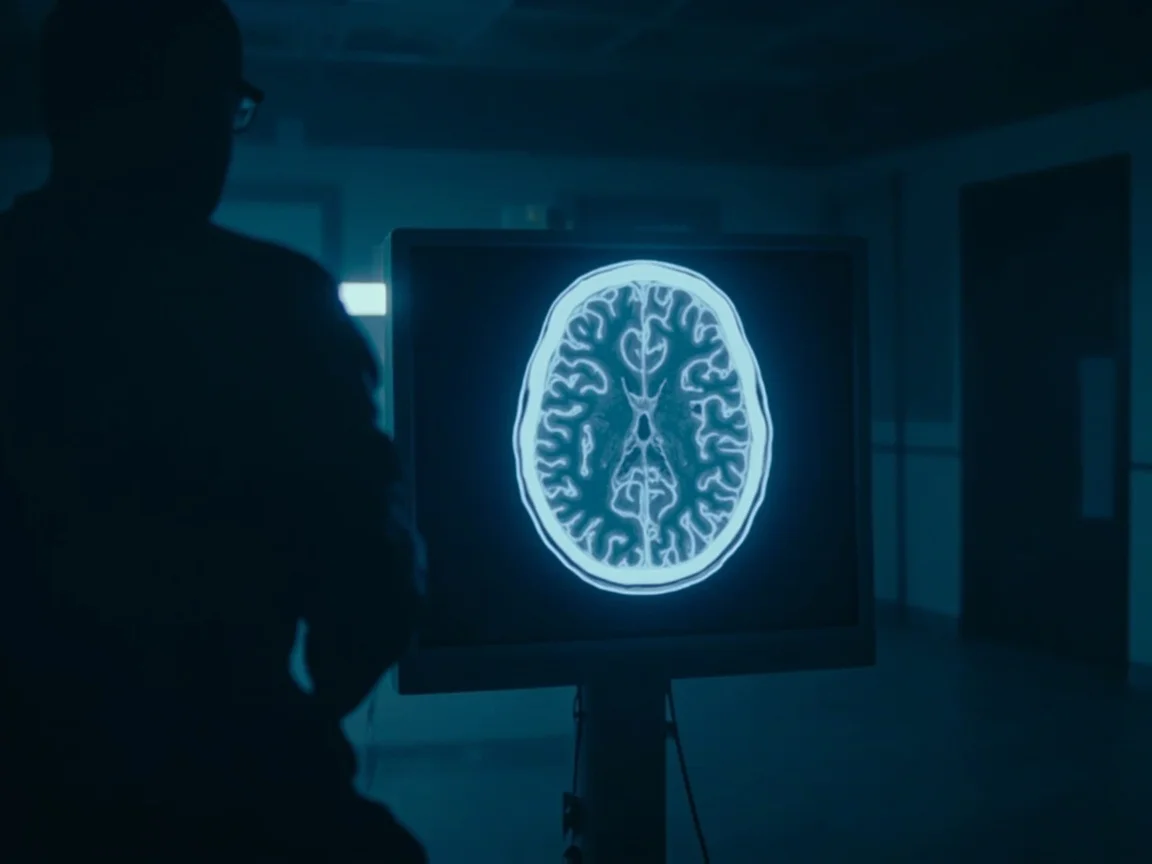
The biggest source of disbelief is simple: the tests come back normal. Clean MRI, normal bloodwork, an unremarkable EEG. To someone who doesn’t understand FND, that looks like proof that “there’s nothing there.”
But normal tests don’t mean absence of illness. They mean the illness isn’t in the structure — it’s in the function. As neurologist Jon Stone explains on neurosymptoms.org, FND is a problem of function, not of damage. The scan doesn’t capture that, but the trained doctor does.
The variation that looks like “a choice”
The second source is cruel: the symptoms vary. One day you walk, the next the leg locks up. In the morning the tremor is gone, in the afternoon it’s back. To an outside observer, that swing looks like proof that you’re in control.
You’re not. The variation is a feature of FND, not a sign of a sham. Functional symptoms fluctuate with fatigue, attention, emotion, and stress — and that instability is in the condition’s own manual.

The clinical signs that prove it’s real
Here’s what few people know: the FND diagnosis isn’t made by exclusion, in the “we found nothing.” It’s made by positive signs — tests that show, in practice, that the system is intact but voluntary control fails.
Hoover’s sign and other tests
A classic example is Hoover’s sign, used in functional leg weakness. In simple terms: the strength that “doesn’t exist” when you try to move the leg directly reappears automatically when you move the other leg. The muscle works. The involuntary pathway works. It’s the voluntary command that’s blocked.
There are several signs like this, for different symptoms. They don’t depend on believing your word — they depend on clinical observation. That’s why the FND diagnosis is as solid as that of many other neurological conditions.
Why this changes everything
These signs prove two things at once: that the symptom is real and that it’s involuntary. You’re not faking, and you’re also not “letting yourself stay this way.” The brain is generating the symptom without your permission. Understanding that is usually a huge relief — and it’s part of why FND is not “all in your head” in the sense of imagination.

The cost of not being believed
Disbelief isn’t just uncomfortable. It hurts in concrete ways.
The emotional weight
Living with a symptom is hard enough. Living with a symptom nobody validates is loneliness in a double dose. The person starts to doubt themselves, to hide the symptoms, to withdraw. Shame becomes a second symptom — invisible, but heavy.
And there’s a perverse effect: stress and disbelief make FND itself worse. The more alone and anxious the person feels, the more fuel the condition gets.
The delay in treatment
Those who aren’t believed take longer to seek the right help. They bounce from doctor to doctor, hear “it’s emotional” as if it were an insult, lose months or years. And FND, like many conditions, responds better when treated early. Disbelief, then, doesn’t just wound — it delays recovery. Knowing that conversion disorder has a path to improvement changes the urgency of seeking support.

How to respond to those who doubt
You don’t have to win debates. But having a few ready answers takes weight off your shoulders.
Lines that hand back the truth
- For “it’s faking”: “It’s a real neurological condition, called conversion disorder. It has clinical signs doctors use to diagnose it. It’s not my choice.”
- For “but the tests came back normal”: “Tests look for damage. My problem is in how the brain functions, which doesn’t show on a scan. That doesn’t make it any less real.”
- For “so it’s in your head”: “It’s in the brain, which is an organ. It’s not imagination. The symptoms happen without me wanting them to.”
When it’s worth outsourcing the explanation
Sometimes words aren’t enough — and that’s okay. Bringing a family member to an appointment, or showing material from reliable sources like FND Hope, takes the explanation off your shoulders. If the challenge is your family, it’s also worth a guide on how to explain FND to those close to you. And protect your energy: you don’t have to convince everyone in order to look after yourself.
Frequently asked questions (FAQ)
How do I prove conversion disorder isn’t faking?
You don’t have to “prove” it alone — the medical diagnosis does that. FND is identified by positive clinical signs (like Hoover’s sign), which show the system is intact but voluntary control fails. A neurologist’s report is the strongest proof there is.
Are people with FND aware of their symptoms?
Yes, generally they’re fully aware — and that’s exactly what makes the experience so distressing. The person notices the weakness, the tremor, or the seizure, but can’t stop it by will. Awareness of the symptom doesn’t mean control over it.
Is conversion disorder the same as faking an illness?
No. Faking an illness (malingering) is conscious and intentional, usually with a clear gain in view. FND is involuntary: the brain generates the symptom without the person’s command. They’re clinically different things, and professionals know how to tell them apart.
What do I do if a doctor says it’s faking?
Seek a second opinion, ideally from a neurologist familiar with FND. Unfortunately there’s still misinformation within healthcare itself. You have the right to be assessed by someone who knows the clinical signs of the condition.
Conclusion
Conversion disorder is not faking. It’s a real, involuntary neurological condition, with clinical signs that medicine knows how to recognise.
Three things to take away: normal tests don’t cancel out the illness, they only show it isn’t in the structure; the diagnosis is made by positive signs, not by assumption; and being believed isn’t a luxury — it’s part of the treatment.
If you’re tired of not being taken seriously and want a space where your experience is validated and worked through, talk to someone who understands the condition. For human, judgement-free support, get in touch with Fabio Morus.