There is a symptom of Conversion Disorder that almost no one talks about openly. It doesn’t appear on the most common lists, it isn’t discussed during routine appointments—and many people with Conversion Disorder suffer from it in silence, thinking they’re the only person in the world going through this.
I’m talking about sexual dysfunction.
It’s not an easy topic. But it’s real, and it directly affects the quality of life, relationships, and self-esteem of those with Conversion Disorder. And the longer it remains unaddressed, the more damage it causes.
Why Conversion Disorder Affects Sexual Function
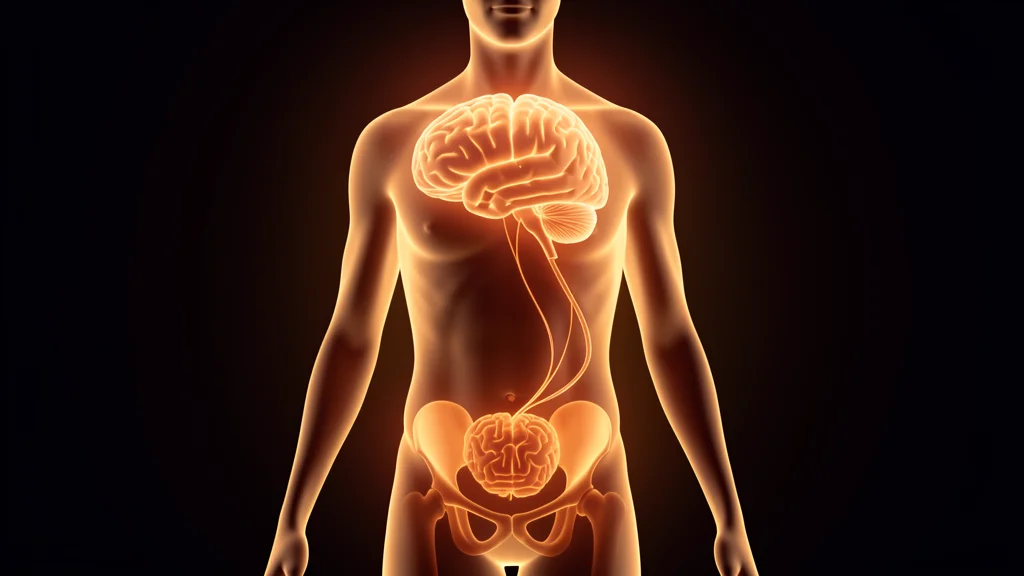
To understand this connection, we need to look at what actually happens in the nervous system of people with conversion disorder.
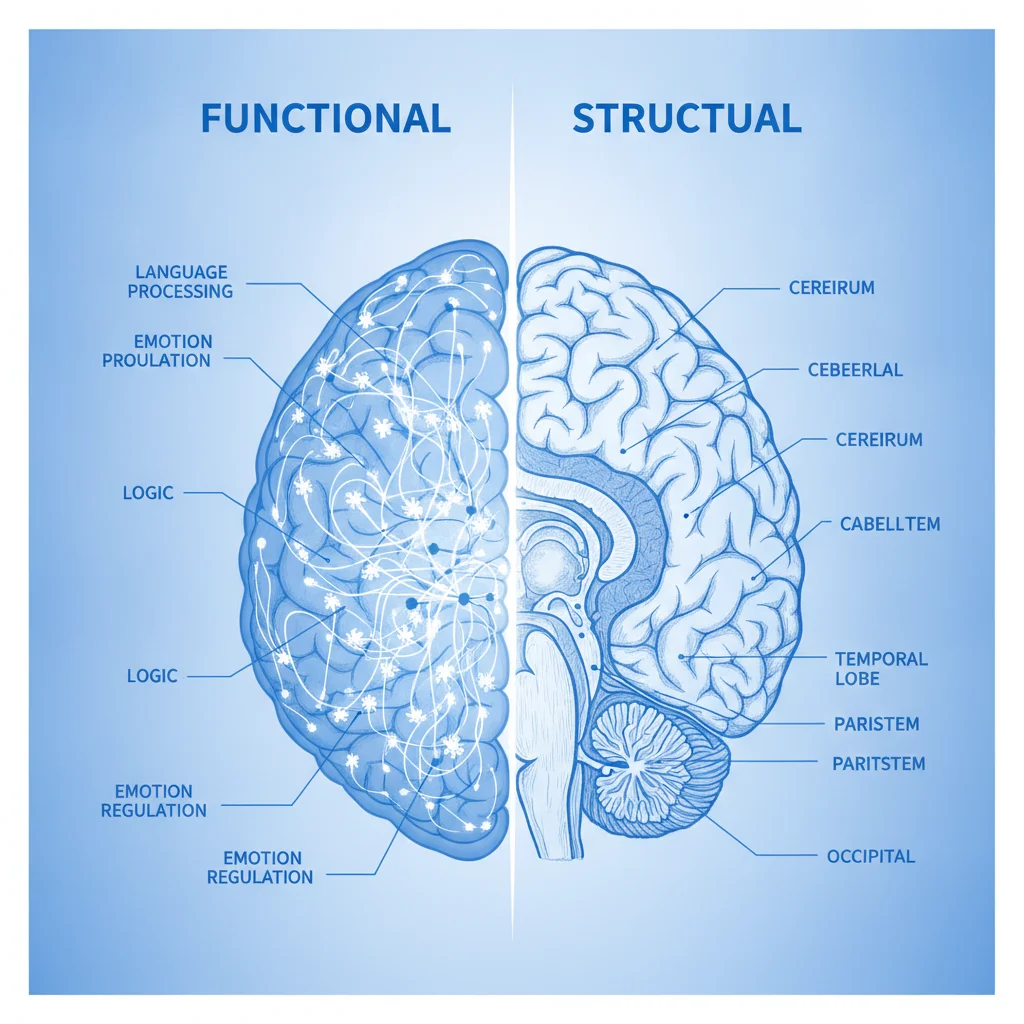
Conversion disorder is a condition in which the brain and body temporarily lose normal communication. Neurological signals that should flow unimpeded—motor control, sensitivity, sensory processing—encounter a “blockage” that is not structural but functional in origin.
The sexual response is, essentially, a neurological process. It involves arousal, blood flow, tactile sensitivity, involuntary muscle response, and emotional processing. All of these functions depend on a nervous system that is communicating properly.
When the nervous system is dysregulated—as occurs in FND—any of these stages can be affected. The result manifests as:
- Decreased or absent sexual desire
- Difficulty experiencing physical pleasure (sexual anhedonia)
- Erectile dysfunction or difficulty with lubrication
- Pain during intercourse (functional dyspareunia)
- A feeling of disconnection or dissociation during intimacy
None of this is “psychological” in the sense of being imaginary. It is neurological, real, and treatable.
Why does no one talk about sexual dysfunction in conversion disorder?
The problem begins long before the symptoms appear. It starts with embarrassment.
Many patients with FND already feel that their symptoms aren’t taken seriously. They’ve been told that “it doesn’t show up on tests,” that “it’s anxiety,” that “it’s all in your head.” After that experience, talking about sexuality seems to invite even more invalidation.
Healthcare professionals also contribute to this: many neurologists and psychologists do not ask about sexual function during FND consultations. Not out of unwillingness, but due to a lack of training and established protocols. The topic falls into a gap between neurology and psychology—and the patient is left without answers.
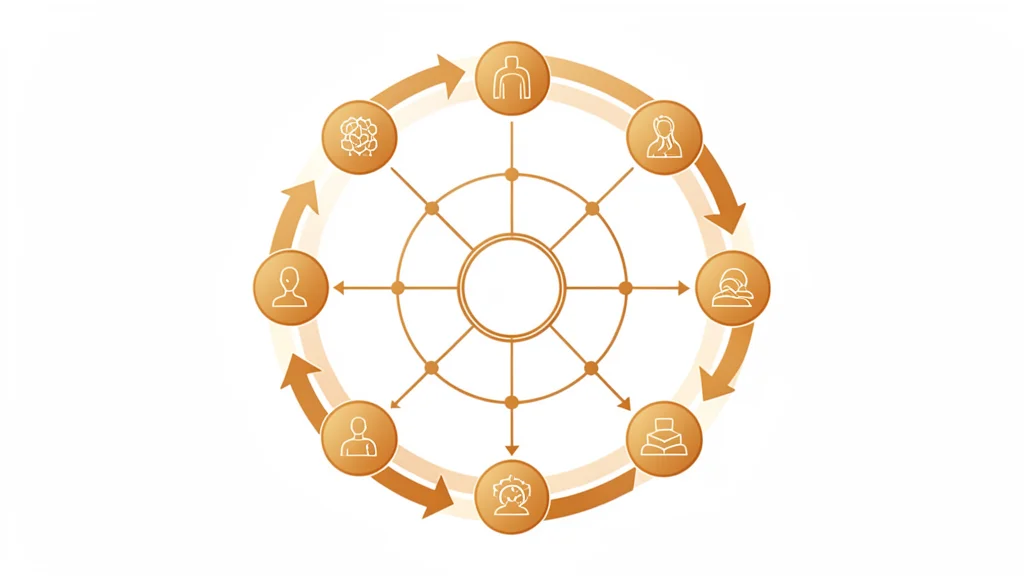
The result is a dangerous cycle: sexual dysfunction goes untreated, which generates anxiety and frustration, which further activates the stress system, which exacerbates the symptoms of conversion disorder, which worsens the sexual dysfunction. And the cycle repeats itself.
What can you do to recover sexual function in conversion disorder?

The good news is that sexual function in the context of conversion disorder is not a lost cause. It responds well to targeted interventions—provided the right professional is involved.
1. Break the Silence with a Trusted Professional
The first step is to talk about the issue with someone who won’t downplay your experience. This could be a psychologist specializing in conversion disorder, a sex therapist, or a doctor you trust.
If the professional changes the subject, gives a generic answer, or seems uncomfortable with the question, that says more about them than it does about you. Keep looking — see our guide on finding a psychologist for FND — until you find someone who addresses the topic with the clinical clarity it deserves.
2. Address the nervous system as a whole
With FND, treating only the isolated symptom rarely works. Sexual dysfunction isn’t a separate problem—it’s part of the same pattern of autonomic dysregulation that can cause seizures, weakness, gait problems, and other symptoms.
Interventions that regulate the nervous system holistically also have a positive effect on sexual function:
- Vagal and respiratory regulation exercises
- Mindfulness focused on positive bodily sensations
- EMDR to process negative experiences associated with intimacy
- Hypnotherapy to recondition the neurological response to touch and closeness
3. Rebuild intimacy in small steps
When sexual dysfunction has been present for some time, the body learns to anticipate failure. Intimacy becomes associated with frustration and anxiety, rather than pleasure and connection.
The way to break this pattern is to go back to basics: rebuild emotional and physical intimacy in gradual steps, without pressure to perform. Start with moments of closeness that aren’t sexually oriented—touch, conversation, simply being present. The nervous system needs repeated experiences of safety before it can let its guard down.
4. Involve Your Partner
If you’re in a relationship, include your partner in the process. Sexual dysfunction in FND affects the couple, not just the patient. Explaining that the problem is neurological—not a lack of attraction, not rejection, not disinterest—can relieve an enormous emotional burden on both sides.
Sexual dysfunction in conversion disorder is neither a whim nor a taboo

It is a neurological symptom like any other. However, due to shame and misinformation, it rarely makes its way into the doctor’s office.
If you have conversion disorder and feel that your sex life has been affected, know two things. First: you’re not alone in this—it’s more common than it seems. Second: there are effective treatment options, as long as you find the right professional and start talking about the issue without fear.
Silence about this symptom doesn’t protect anyone. An open conversation with the right therapist can be the first step toward reclaiming a part of your life that conversion disorder has tried to take away.
If you’d like to discuss this topic with a professional who understands FND and treats sexuality as a natural part of neurological health, check out my work at fabiomorus.com/en/contact.
And if you’d like to start with a tool that helps regulate the nervous system holistically—with positive effects in all areas, including sexuality—download the free ebook Zero Anxiety.