
You have neurological symptoms that come and go without any explanation on tests. And at the same time, you deal with abdominal pain, bloating, diarrhea, or constipation that no gastroenterologist can fully resolve.
It’s no coincidence. And it’s not “all in your head.”
The connection between Functional Neurological Disorder (FND) and Irritable Bowel Syndrome (IBS) is one of the most overlooked clinical overlaps—and one of the factors that most significantly affects the quality of life
I have written about how anxiety and stress dysregulate the nervous system and about the role of hypnotherapy in FND treatment. But the gut-brain connection deserves a focused look—because it changes how you understand your symptoms. for those living with both conditions.
Why do FND and irritable bowel go hand in hand?
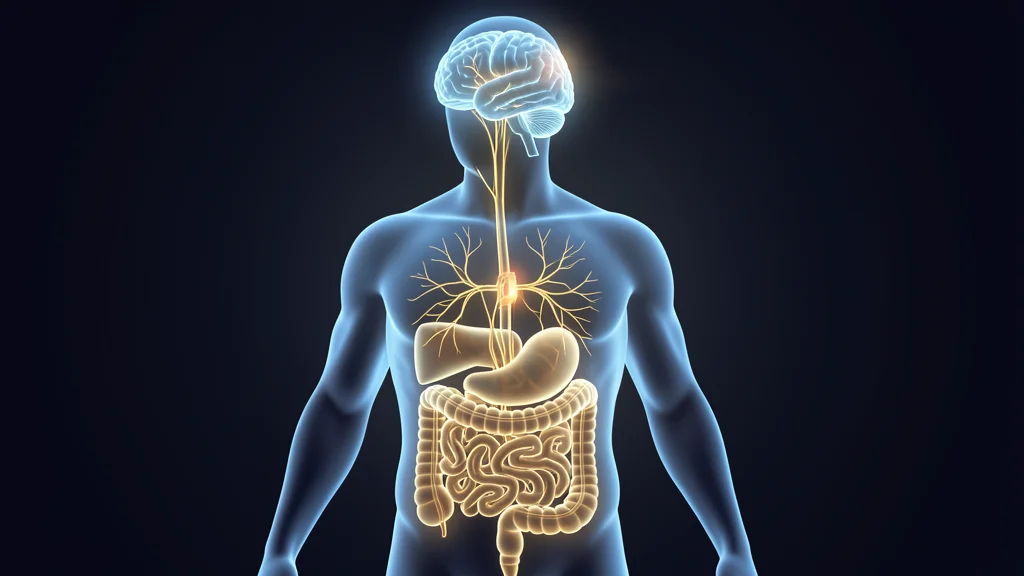
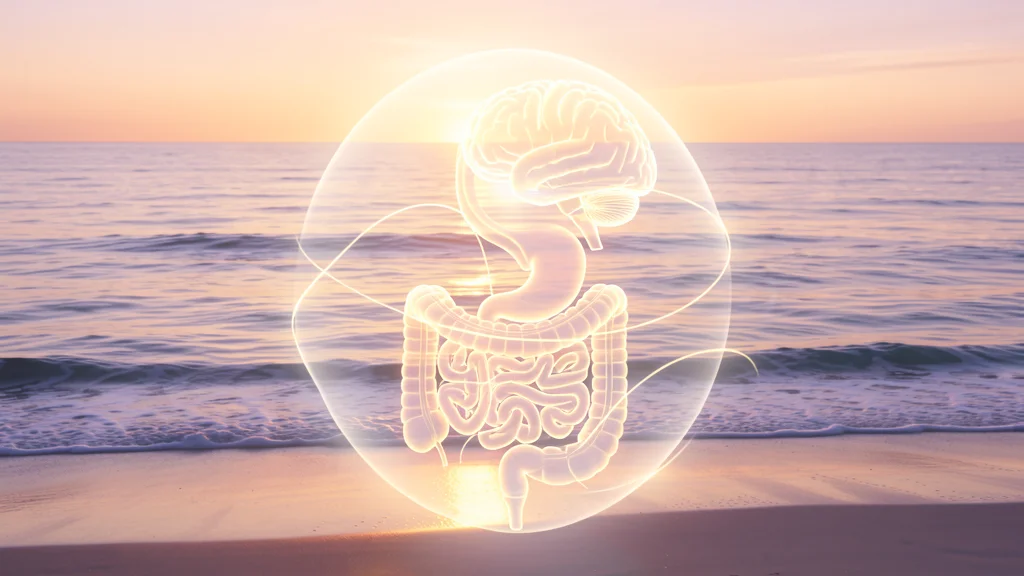
The answer lies in the gut-brain axis.
Your gut has its own nervous system—the enteric nervous system—with over 100 million neurons. It communicates directly with the brain via the vagus nerve, producing and responding to the same neurotransmitters that regulate your mood, anxiety, and movements.
When the central nervous system is dysregulated—as happens in FND—this dysregulation isn’t confined to the brain. It travels along the vagus nerve and affects the gut. And vice versa: an inflamed gut sends warning signals that keep the brain in a state of stress.
It’s a self-perpetuating cycle. And the numbers show that it’s more common than you might think:
- Up to 60% of people with IBS have symptoms of anxiety or depression
- The prevalence of IBS in people with FND is significantly higher than in the general population
- Both conditions share the same common trigger: chronic stress

How can you tell the difference between digestive symptoms and FND symptoms?
This is a question I’m often asked.
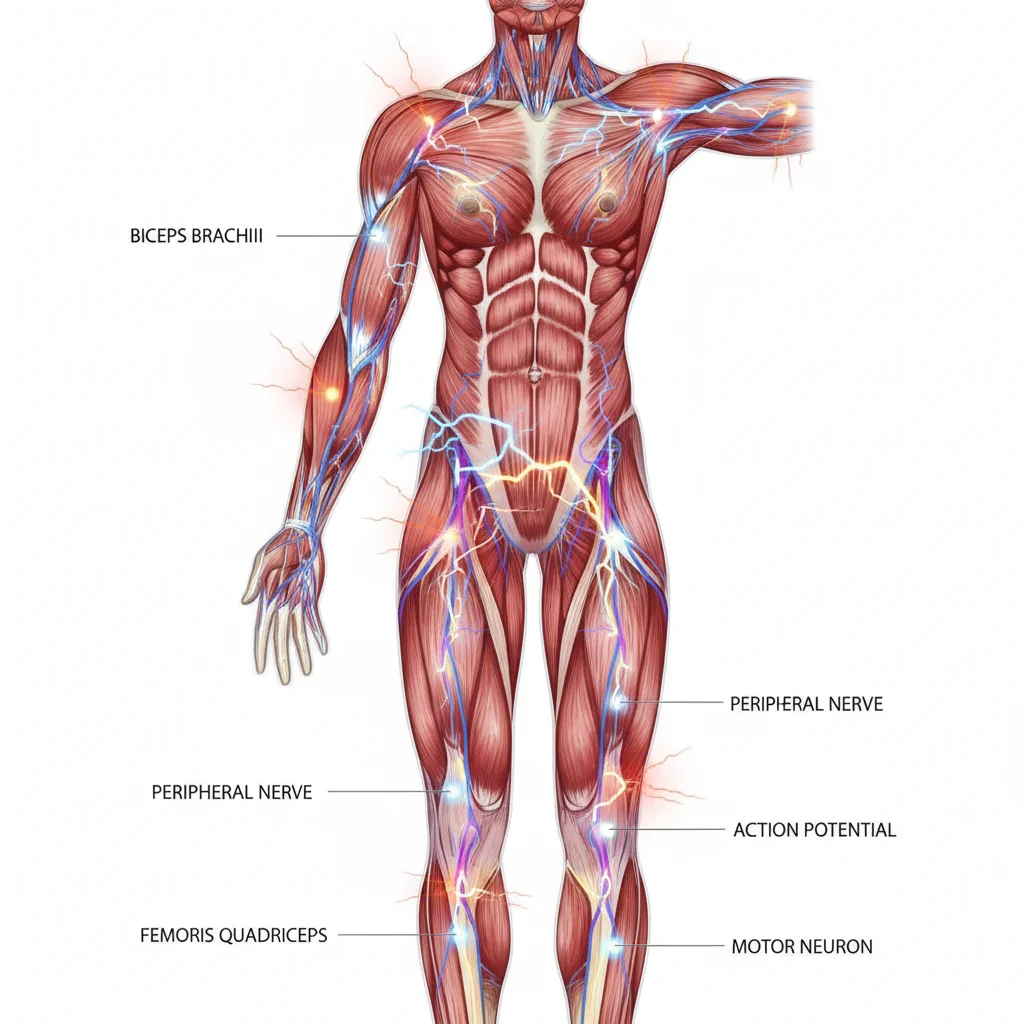
IBS symptoms are localized in the abdomen: pain, bloating, and changes in bowel habits. FND symptoms are neurological: weakness, tremors, non-epileptic seizures, and sensory changes.
But there is an area of overlap.
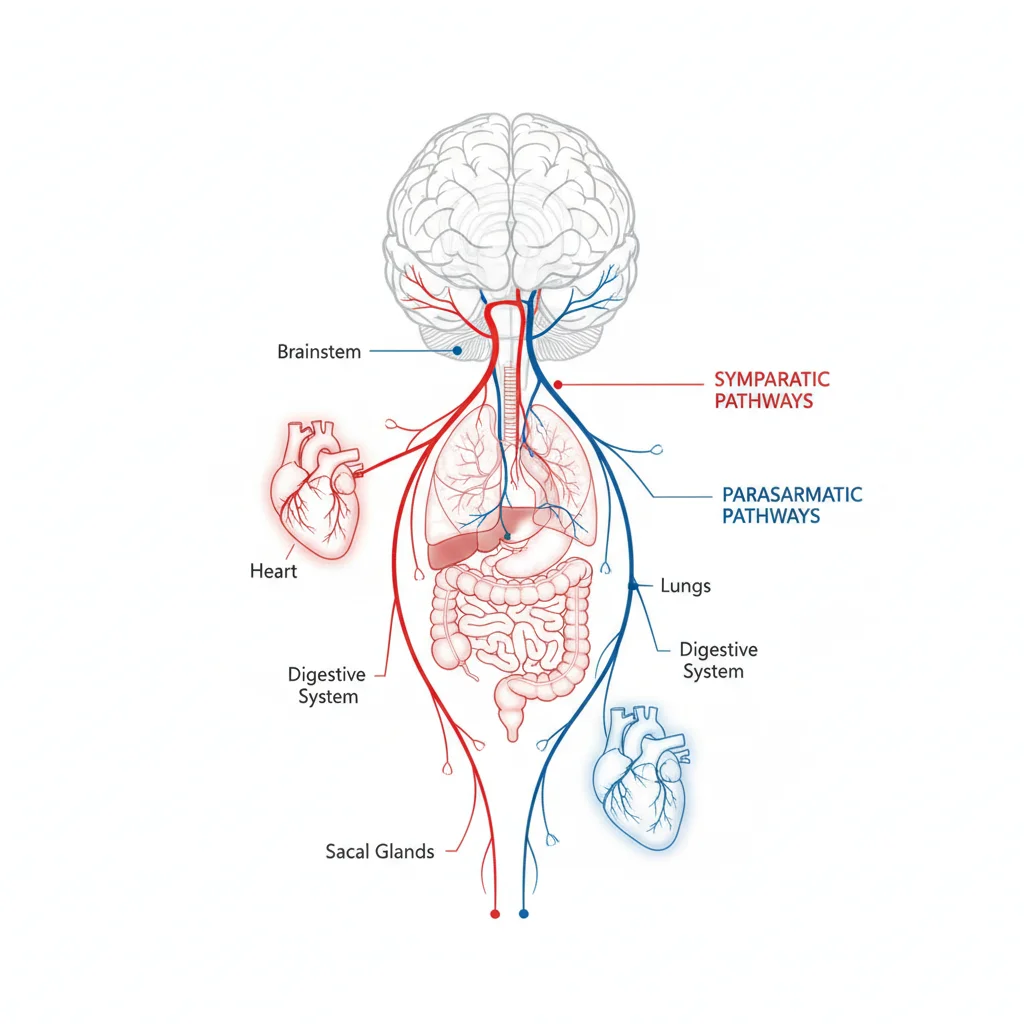
People with FND often report digestive symptoms during neurological episodes. The reverse also occurs: IBS episodes can trigger neurological symptoms. The common denominator is the autonomic nervous system—which controls both intestinal motility and functions such as muscle tone and sensory perception.
When this system is chronically dysregulated, the gut, muscles, and senses all pay the price.
Integrated Treatment: The Approach That Works
Treating IBS while ignoring FND—or treating FND while ignoring the gut—is like trying to put out a fire with a glass of water while someone pours gasoline on the other side.
What works in practice:
Hypnotherapy Targeting the Gut-Brain Axis
Clinical hypnosis has solid evidence supporting its use for IBS. A landmark study published in The Lancet showed that gut-directed hypnotherapy significantly reduces symptoms in patients with refractory IBS.
For those with FND-associated IBS, hypnosis offers an additional advantage: it acts simultaneously on functional neurological symptoms and visceral regulation. Integrated FND treatment is more effective when it addresses the nervous system as a whole—including the gut. in which it is possible to directly modulate communication between the brain and the gut.
Cognitive Behavioral Therapy (CBT)
CBT helps break the cycle of “stress → intestinal symptoms → more stress → neurological symptoms.” It teaches you to identify emotional triggers that precede flare-ups, develop relaxation strategies that calm the vagus nerve, and reduce the hypervigilant behavior that keeps the nervous system on high alert.
Autonomic Nervous System Regulation
Diaphragmatic breathing, mindfulness, and biofeedback techniques are practical tools that help restore balance to the autonomic nervous system. When you activate the parasympathetic nervous system (the “brake” on stress), both the gut and the brain enter recovery mode.
How to Find Specialized Help?
If you have FND and persistent digestive symptoms, here are some practical steps:
-
Find a professional who understands the gut-brain connection. Not every therapist knows how to address functional neurological and digestive symptoms at the same time. Ask about their specific experience before scheduling an appointment.
-
Consider an integrated evaluation. A professional who collaborates with gastroenterologists and neurologists can offer a treatment plan that addresses both issues simultaneously.
-
Start with the free resource. The e-book Zero Anxiety explains the mechanisms of nervous system dysregulation and offers practical techniques you can apply today.
-
If you’d prefer to speak with me directly, get in touch. I offer online sessions and can help you understand how hypnotherapy can address your specific symptoms.