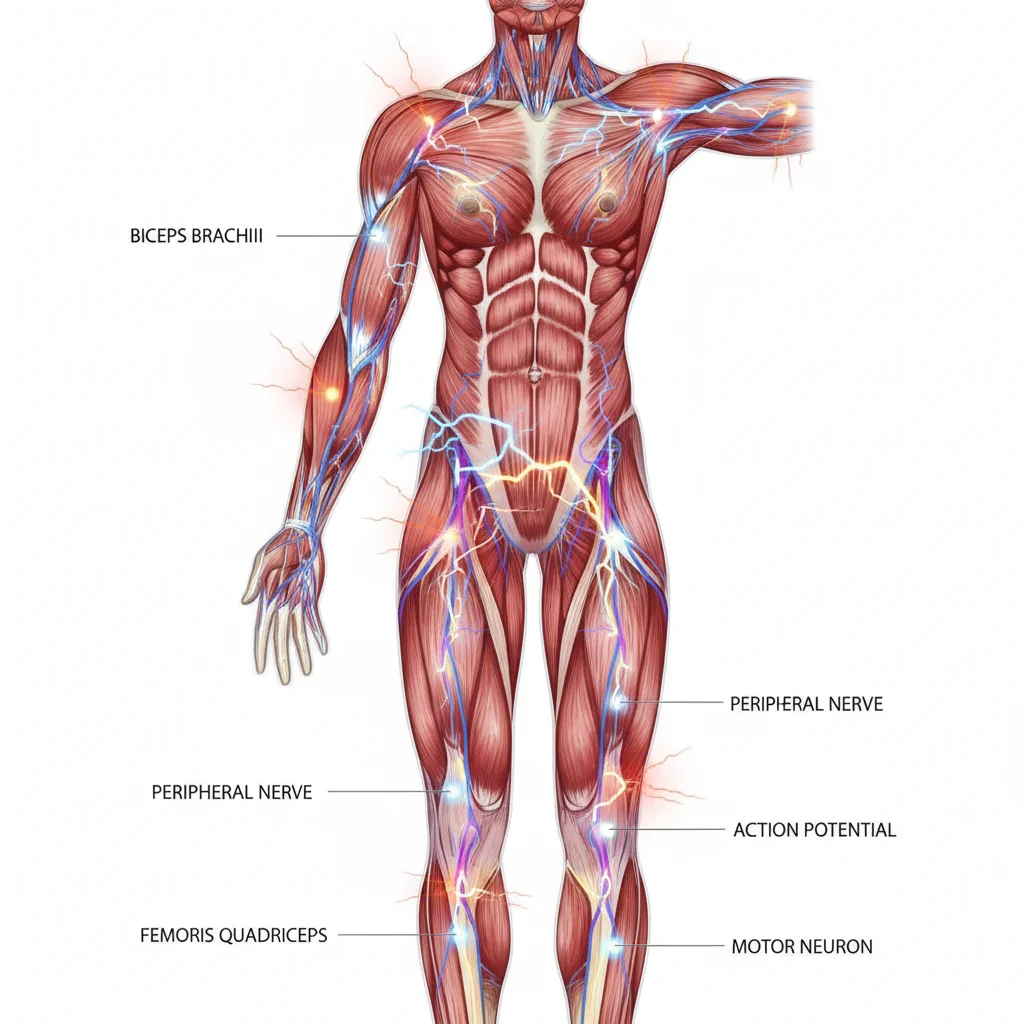
Anyone with a Functional Neurological Disorder (FND) knows that the symptoms aren’t limited to tremors or weakness.
There’s something deeper going on—and it’s often overlooked.
Heart palpitations that come out of nowhere. Dizziness when standing up. Sweating for no reason. Sudden changes in body temperature. Your heart races, and you don’t know why.
This isn’t ordinary anxiety. It’s an out-of-whack autonomic nervous system.
And the good news: there’s a way to get it back on track.
What Is Autonomic Dysfunction?
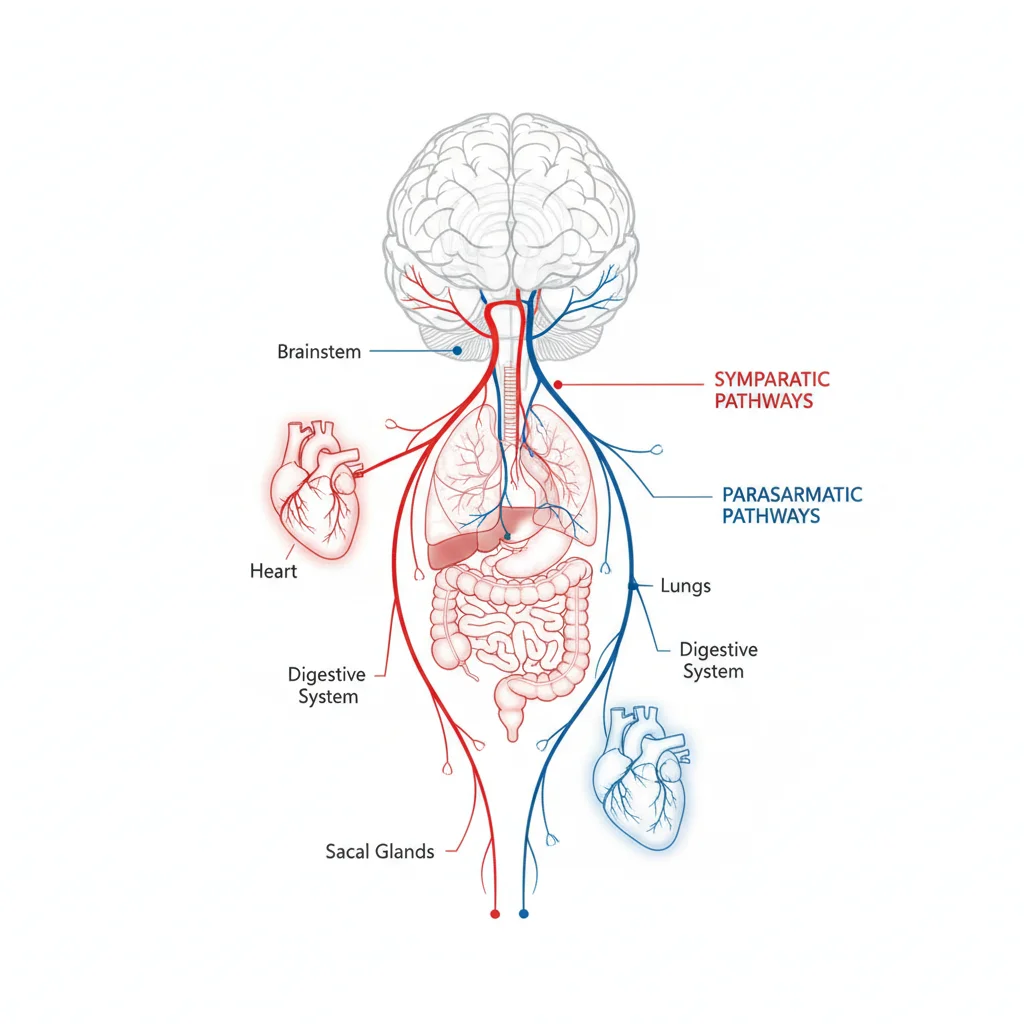
The autonomic nervous system controls everything your body does without you thinking about it: heart rate, blood pressure, digestion, temperature, breathing.
It has two main branches:
- Sympathetic — the accelerator. It prepares the body for action.
- Parasympathetic — the brake. It brings the body back to rest.
When this system works well, the two sides automatically balance each other out.
When it doesn’t work, the body gets stuck in a state of constant alertness — or swings unpredictably between acceleration and collapse.
The technical term is dysautonomia. In practice, it means that the body’s automatic regulatory mechanisms are malfunctioning.
And in FND, this is more common than you might think.
Why Does This Happen in FND?
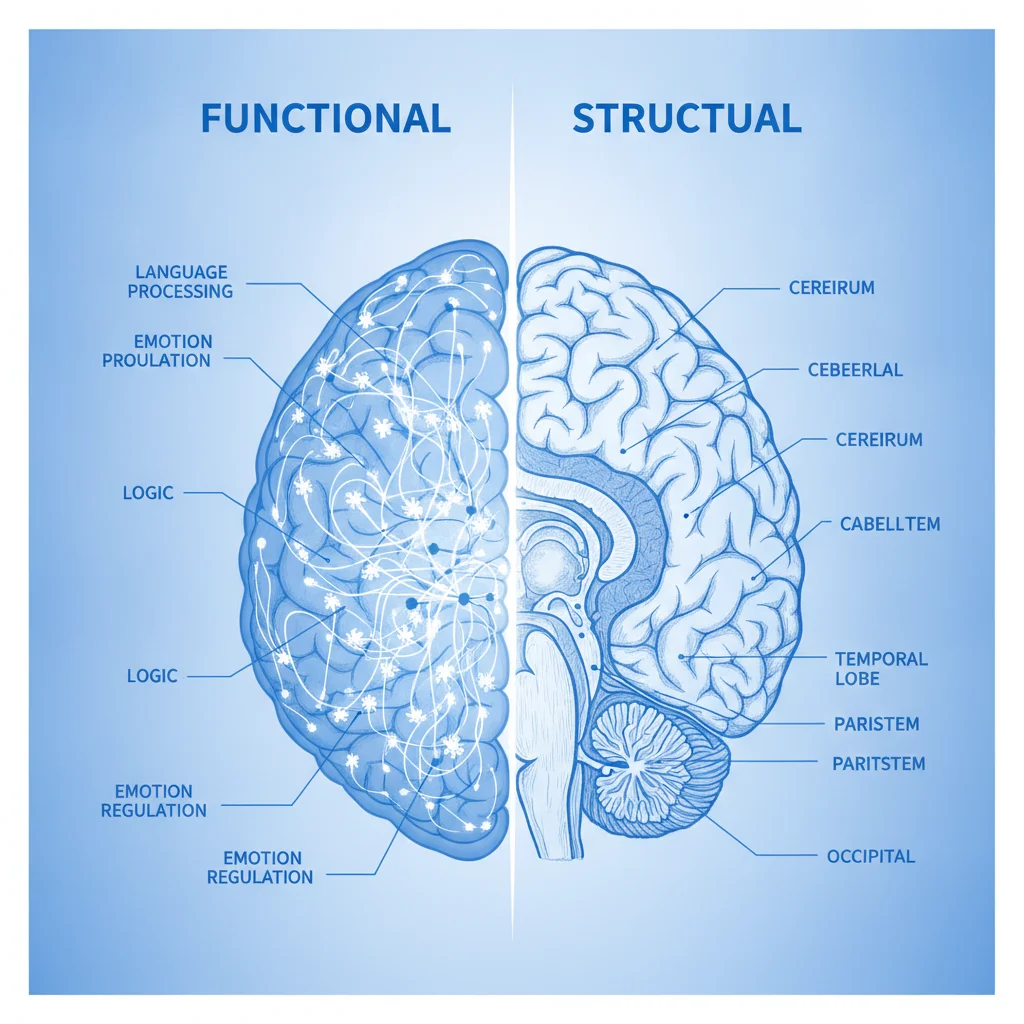
FND is a problem with the functioning of the nervous system—not its structure. The connections are intact, but the brain’s “software” that coordinates the signals is malfunctioning.
The point is: the same central nervous system that controls movement and perception also regulates autonomic functions.
When the processing circuits are overloaded or experiencing noise—which characterizes FND—autonomic control is one of the first things to suffer.
This is no coincidence. It’s functional anatomy.

Signs That the Autonomic System Is Dysregulated
In most cases, symptoms appear alongside FND episodes:
- Rapid or irregular heartbeat with no cardiac cause
- Dizziness upon standing (orthostatic intolerance)
- Fluctuations in blood pressure
- Digestive problems—nausea, bloating, constipation
- Excessive sweating or lack of sweating
- Extreme sensitivity to temperature
- Brain fog and fatigue that worsen with stress
If you recognize three or more of these, the autonomic component warrants attention.
The Cycle That Keeps Everything Locked Up
Here’s how it works:
The brain interprets stress or a threat → activates the sympathetic nervous system → physical symptoms (palpitations, dizziness) flare up → the person gets scared → the brain interprets the fear as yet another threat → further sympathetic activation.
It’s a self-perpetuating cycle.
And here’s what really matters: breaking this cycle doesn’t require willpower. It requires technique.
How to Regulate the Autonomic Nervous System — In Practice
1. Breathing with Prolonged Exhalation
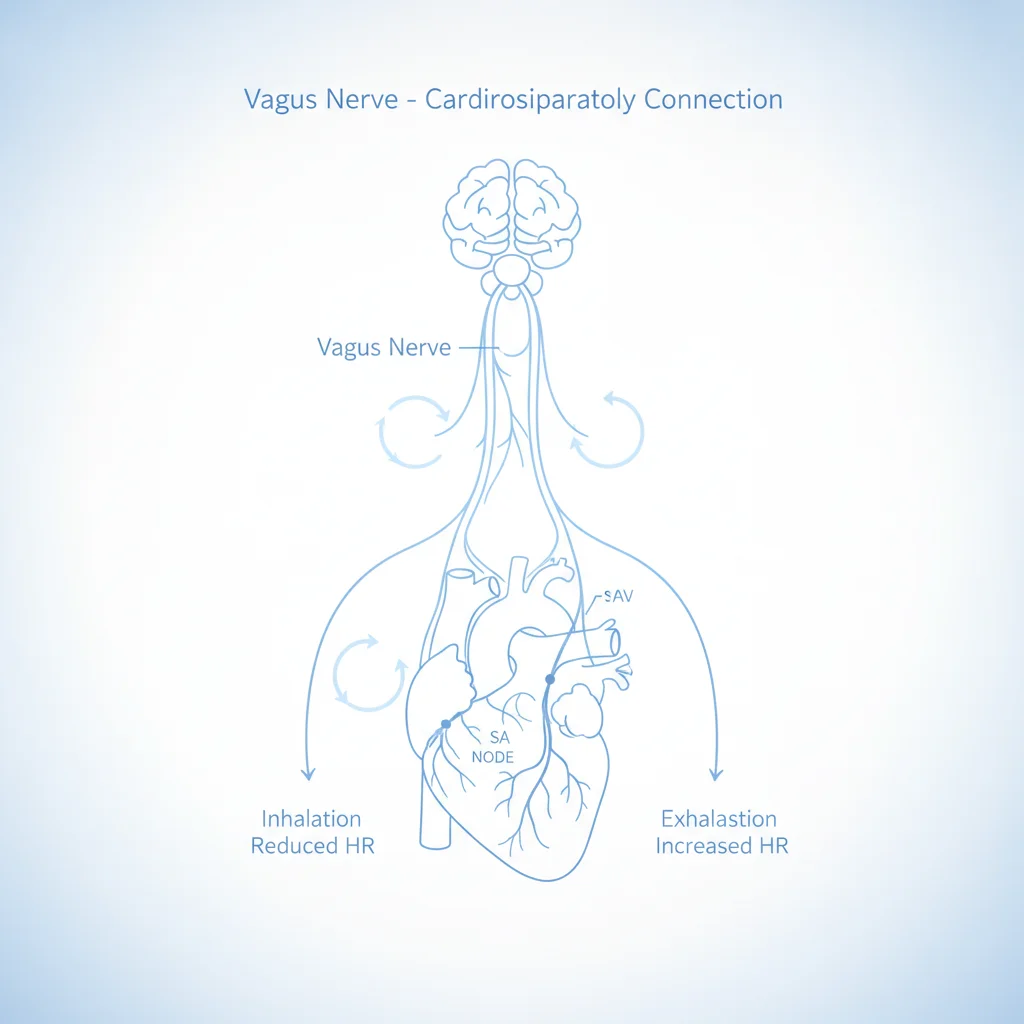
Exhalation activates the vagus nerve—the parasympathetic system’s main communication channel.
The simple pattern: inhale for 4 seconds, exhale for 7.
Three minutes of this reduces your heart rate and signals safety to the brain.

2. Controlled Exposure to Cold
Cold water on the face (face dip) activates the mammalian diving reflex—a powerful autonomic reset.
You don’t need an ice-cold shower. All it takes is a basin of cold water and 15 seconds with your face submerged.
3. Heart Rate Variability Training
Training heart rate variability teaches the nervous system to transition between states with flexibility.
Five minutes, twice a day, breathing at 6 cycles per minute—results are visible in just two weeks.
4. Clinical Hypnosis for Autonomic Regulation
This is where an underrated tool comes in.
Hypnosis allows you to directly access the autonomic nervous system—something willpower alone cannot achieve.
In a hypnotic state, the brain reduces processing noise and responds to suggestions for physiological regulation: slowing the heart rate, regulating body temperature, and calming the digestive tract.
It’s not magic. It’s applied neurophysiology.
Studies on FND and hypnosis show that patients report significant improvement in autonomic regulation following targeted hypnotherapy protocols.

What to Do Now?
If you have FND and suspect autonomic dysfunction:
- Track your symptoms — keep a record for one week of episodes of palpitations, dizziness, and fatigue
- Start with your breathing — three minutes of prolonged exhalation in the morning and at night
- Consider a specialized evaluation — a cardiologist or neurologist with experience in dysautonomia
Autonomic dysfunction in FND responds well to interventions that target the nervous system as a whole.
And clinical hypnosis is one of the most direct tools for this.
Can FND Cause Heart Problems?
Not directly. The hearts of people with FND are structurally healthy. The problem lies in the control of the heartbeat—the nervous system sends incorrect signals causing the heart to race. A cardiological evaluation is important to rule out organic causes, but treatment involves regulating the nervous system.
How Long Does It Take to Regulate the Autonomic Nervous System?
It depends on the severity of the dysregulation and the consistency of the practices. With daily breathing exercises (10 minutes), the first results appear in two to three weeks. More consistent changes take two to three months. Clinical hypnosis can significantly accelerate this process.
Does Hypnosis Work for Real Physical Symptoms?
Yes. Hypnosis does not treat “imagination”—it acts on the brain circuits that control real physiological functions. Body temperature, heart rate, blood pressure, and digestive motility can all be modulated through hypnotic suggestion. The science behind this is solid and growing.
Do I Need Medication for Autonomic Dysfunction?
Some cases require medication—beta-blockers to control heart rate, for example. But the most effective treatment combines medication (when necessary) with neuromodulation techniques. The integrated approach—medicine + autonomic training + hypnosis—is what produces the most lasting results.
If you want to accelerate this process with a direct, evidence-based approach, contact us for an evaluation.