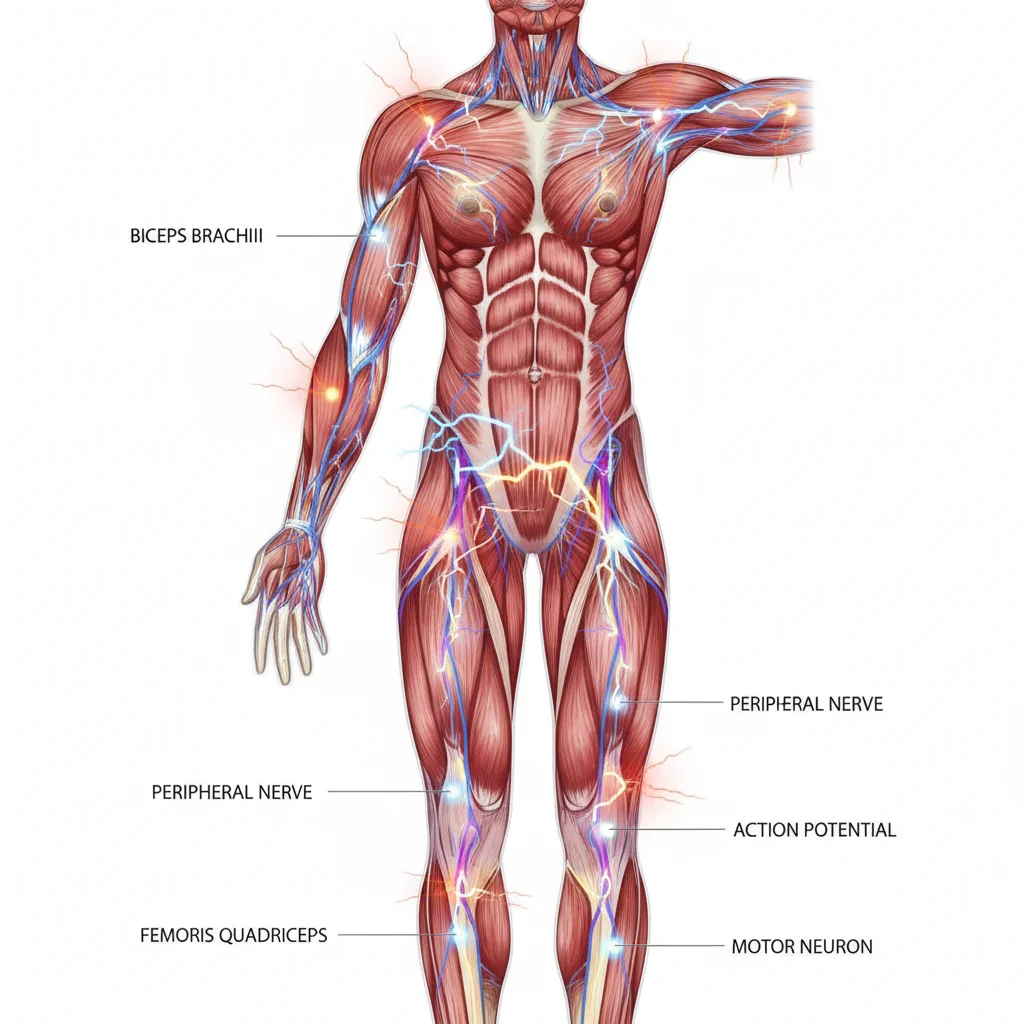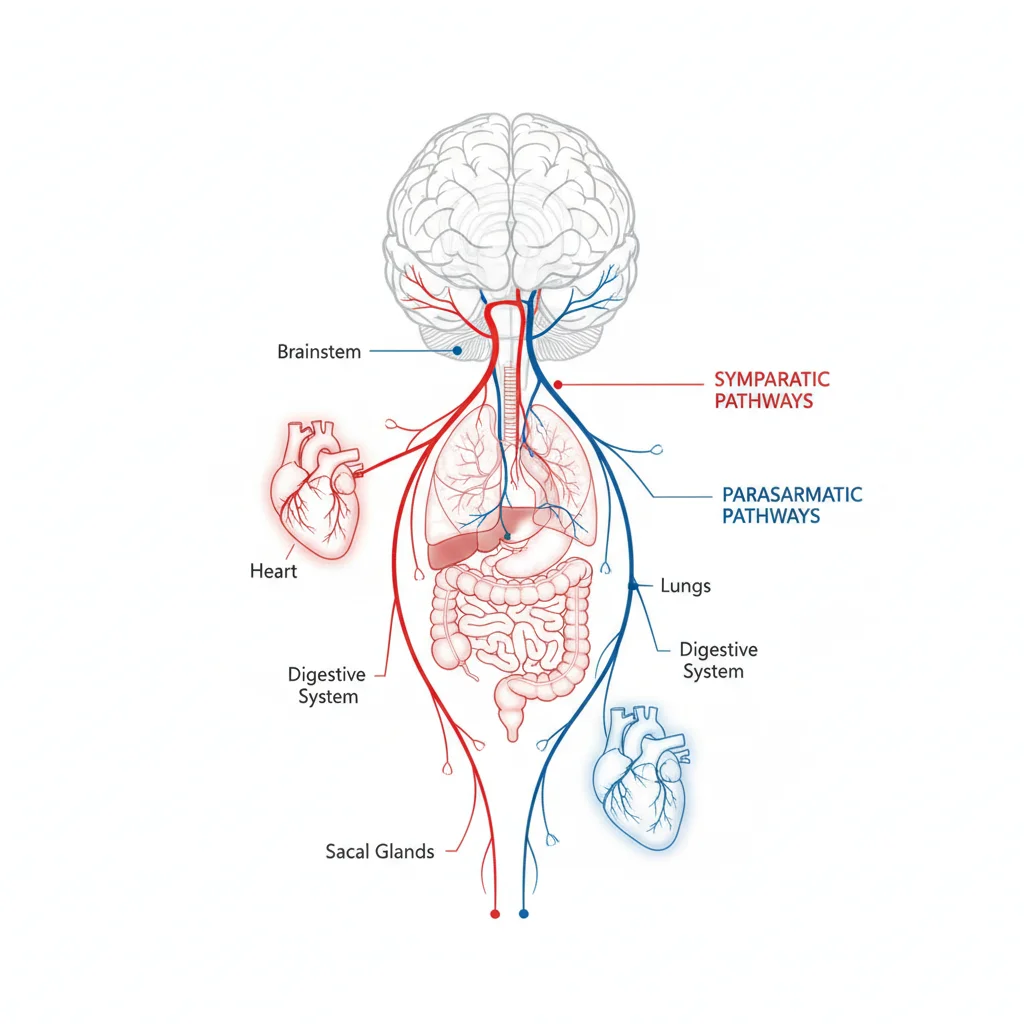
“Oh, that’s psychological.” “It’s somatization.” “You’re somatizing.”
People with Functional Neurological Disorder (FND) hear these phrases often. And they hurt—not just because of the tone, but because of the inaccuracy.
FNT and somatization are not the same thing. Confusing them delays the correct diagnosis and worsens treatment.
Let’s clarify what science has already clarified.
What Is Somatization?
Somatization is a process in which emotional distress manifests as physical symptoms.
The person feels real pain, real discomfort—but the source lies in a psychological state (anxiety, depression, chronic stress) that translates into bodily symptoms.
It’s as if the body speaks the language that the mind cannot express.
Somatic Symptom Disorder (SSD) is the formal diagnosis. The criteria include:
- One or more physical symptoms that cause significant distress
- Excessive thoughts, feelings, or behaviors related to the symptoms
- Persistence for at least six months
The key point: in somatization, the mechanism is psychological. The first-line treatment is psychotherapy focused on the relationship between emotions and the body.
What Is FNT (Functional Neurological Disorder)?
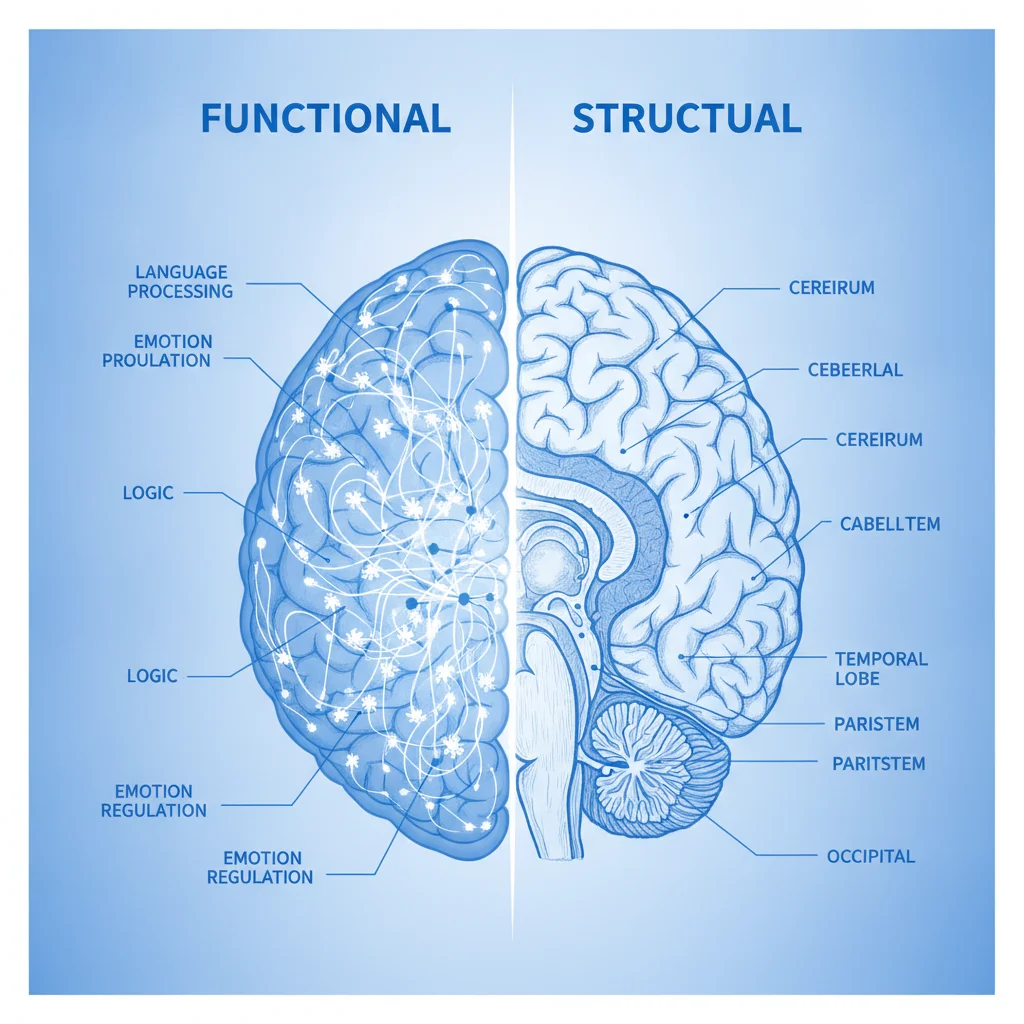
FNT is a problem with the functioning of the nervous system—not with its structure, and not primarily psychological.
In FND, the brain incorrectly processes sensory and motor signals. There is no visible lesion on imaging tests, but there is a real dysfunction in the neural circuits.
It is a problem with neurological software, not hardware.
The DSM-5 diagnostic criteria for FND include:
- Motor or sensory symptoms inconsistent with known neurological disorders
- Positive clinical findings (such as Hoover’s sign, distractible tremor)
- Not better explained by another condition
Treatment involves specialized physical therapy, occupational therapy, psychoeducation, and, increasingly, hypnotherapy—approaches that directly target the reprogramming of dysfunctional circuits.

The Differences That Matter
| Aspect | Somatization (TSS) | FND |
|---|---|---|
| Origin | Primarily psychological | Neurofunctional |
| Mechanism | Emotions converted into symptoms | Neural processing error |
| Clinical signs | Normal test results + emotional distress | Positive neurological signs (Hoover sign, distractible tremor) |
| Primary Treatment | Psychotherapy (CBT) | Specialized physical therapy + neuro-reprogramming |
| Relationship to Stress | Central causal factor | Modulating factor (worsens the condition but does not cause it) |
| Brain Imaging | No specific abnormalities | fMRI shows functional changes in specific networks |
Can a person have both? Yes. FND and somatization can coexist. But they are distinct conditions that require distinct approaches.
Why Does This Confusion Arise?
The confusion has historical roots.
FND was once called “conversion disorder”—a Freudian term that suggested the patient “converted” emotional conflicts into physical symptoms. This terminology carried the stigma that the symptoms were “psychological”—and therefore, in some way, less real.
Modern neuroscience has shown this to be false.
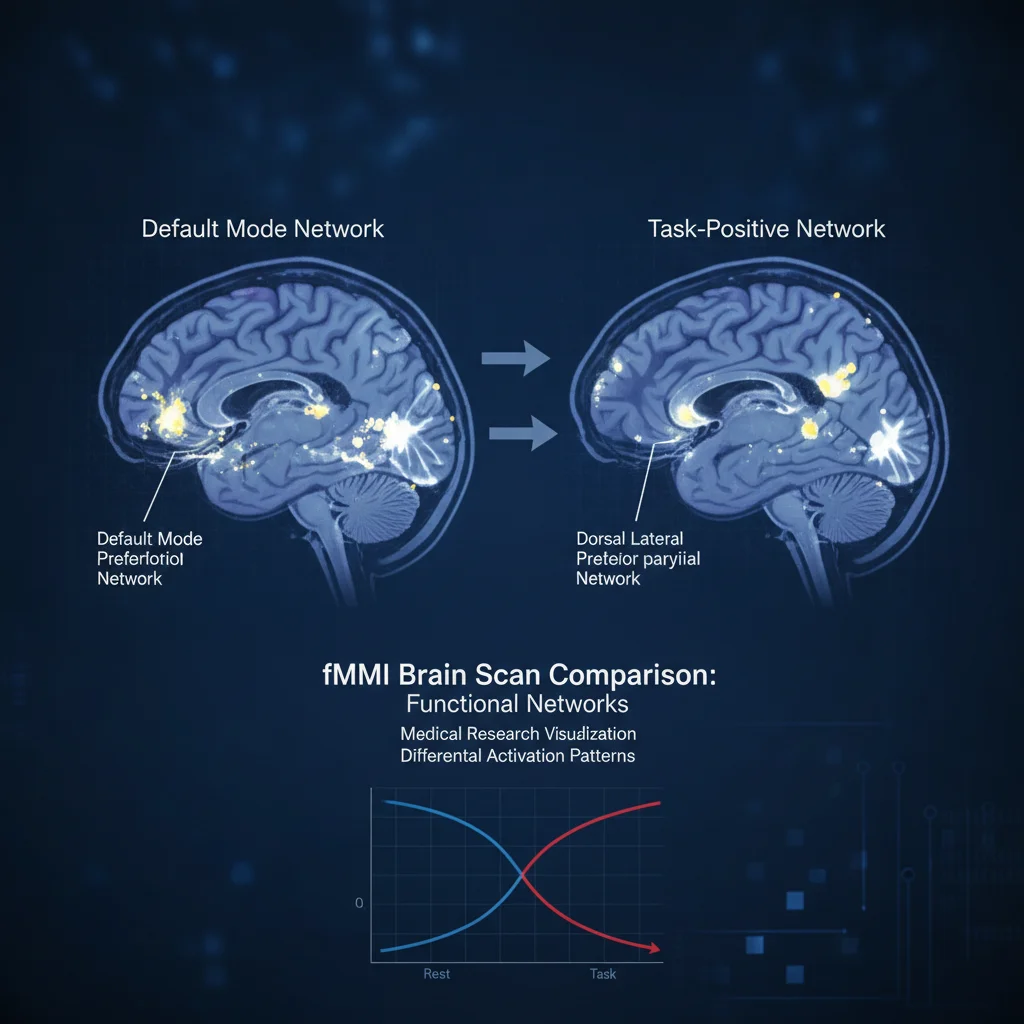
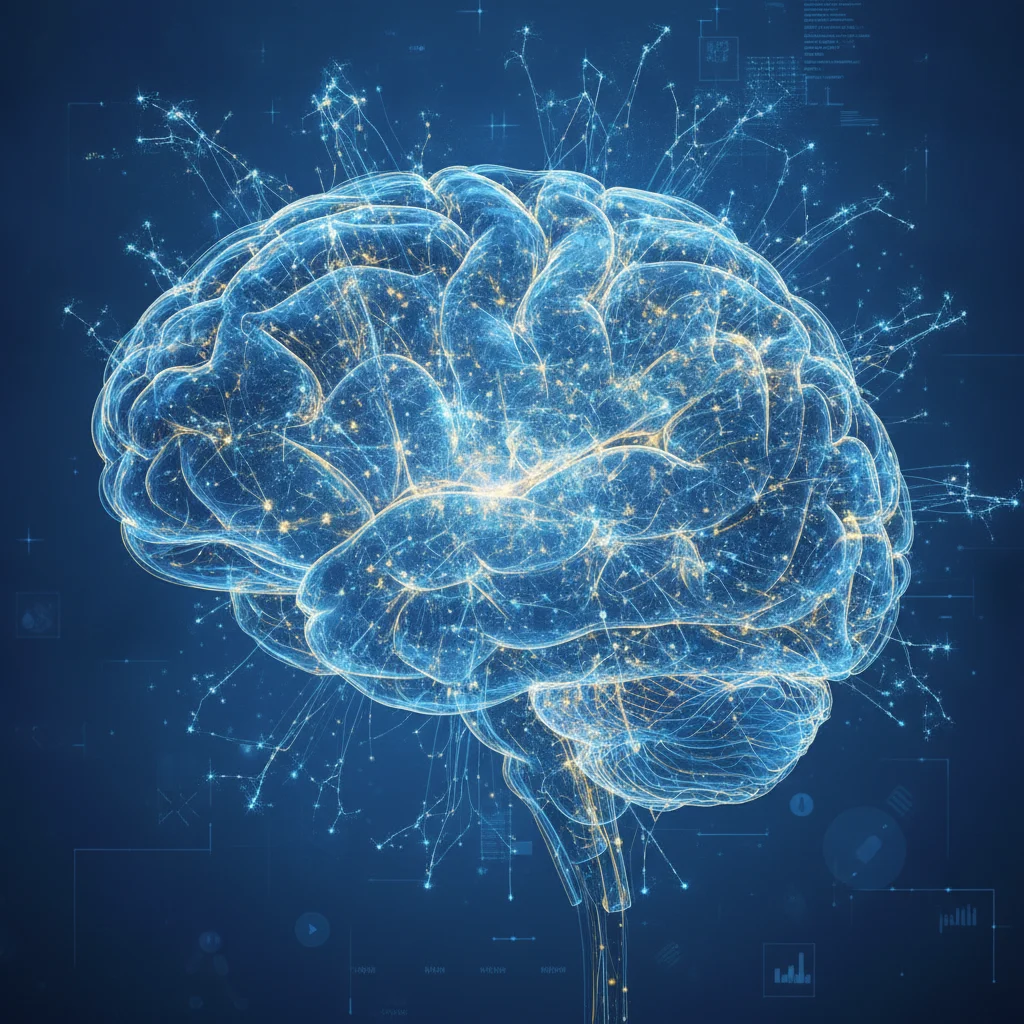
Functional neuroimaging studies demonstrate that patients with FND have distinct patterns of brain activation—including amygdala hyperactivity, alterations in default mode network connectivity, and dysfunction in the temporoparietal junction.
This isn’t psychology. It’s measurable neurophysiology.
What Does This Mean for People with FND?
If you’ve been diagnosed with FND, three things matter:
- Your symptoms are real. They aren’t imaginary, they aren’t just you being dramatic, and they aren’t “just emotional.” Read more about the real symptoms of FND and how to identify them.
- The right treatment isn’t just psychotherapy. Physical therapy tailored to FND, autonomic regulation techniques, and hypnotherapy are interventions with growing evidence
- Confusion with somatization is a common medical mistake—and you may need to educate the professionals you encounter along the way.
The fastest path to results: a clear diagnosis + a team that understands FND + interventions based on neuroplasticity. If you also struggle with functional jerks and muscle contractions, know that there are specific techniques for managing these episodes.

And What About Hypnosis in All This?
Clinical hypnosis occupies an interesting place in this discussion.
In classic somatization, hypnosis can help access and reprocess the emotional content that generates physical symptoms.
In FND, hypnosis works differently: it directly accesses sensory and motor processing circuits, reducing neural noise and creating more organized patterns.
These are two different mechanisms for two different conditions—using the same tool in distinct ways.
My Doctor Said It’s Somatization. Should I Trust Them?
It depends. If the doctor performed a complete neurological evaluation, applied the correct diagnostic criteria, and concluded that it’s somatization—they may be right. But if they used “somatization” as a synonym for “I don’t know what’s wrong with you” or “I didn’t find anything on the test,” seek a second opinion from a neurologist who specializes in FND.
Is FND the Same as Conversion Disorder?
Historically, yes—they were equivalent terms. But modern neurology treats “FND” as the preferred term, because “conversion disorder” carries an outdated theoretical connotation. The DSM-5 uses “Functional Neurological Symptoms Disorder” as the primary category.
Is It Possible to Have FND and Somatization at the Same Time?
Yes. A patient can have a functional neurological disorder and also exhibit traits of or be diagnosed with somatization. Treatment in this case must address both components—neurological and psychological—in an integrated manner.
Why Do So Many People Still Confuse the Two?
Because medicine is slow to incorporate paradigm shifts. The concept of “conversion” dominated for decades. The neuroscience of FND is relatively recent (20–30 years of intensive research). Many professionals graduated before this evidence was established.
If you’d like an evaluation that understands the difference between FND and somatization—with a neuroscience-based approach—contact us.