Your arm jerks suddenly. Your leg contracts without warning. A muscle twitches for a few seconds and then stops.
For those with Functional Neurological Disorder (FND), these episodes are familiar—and unsettling.
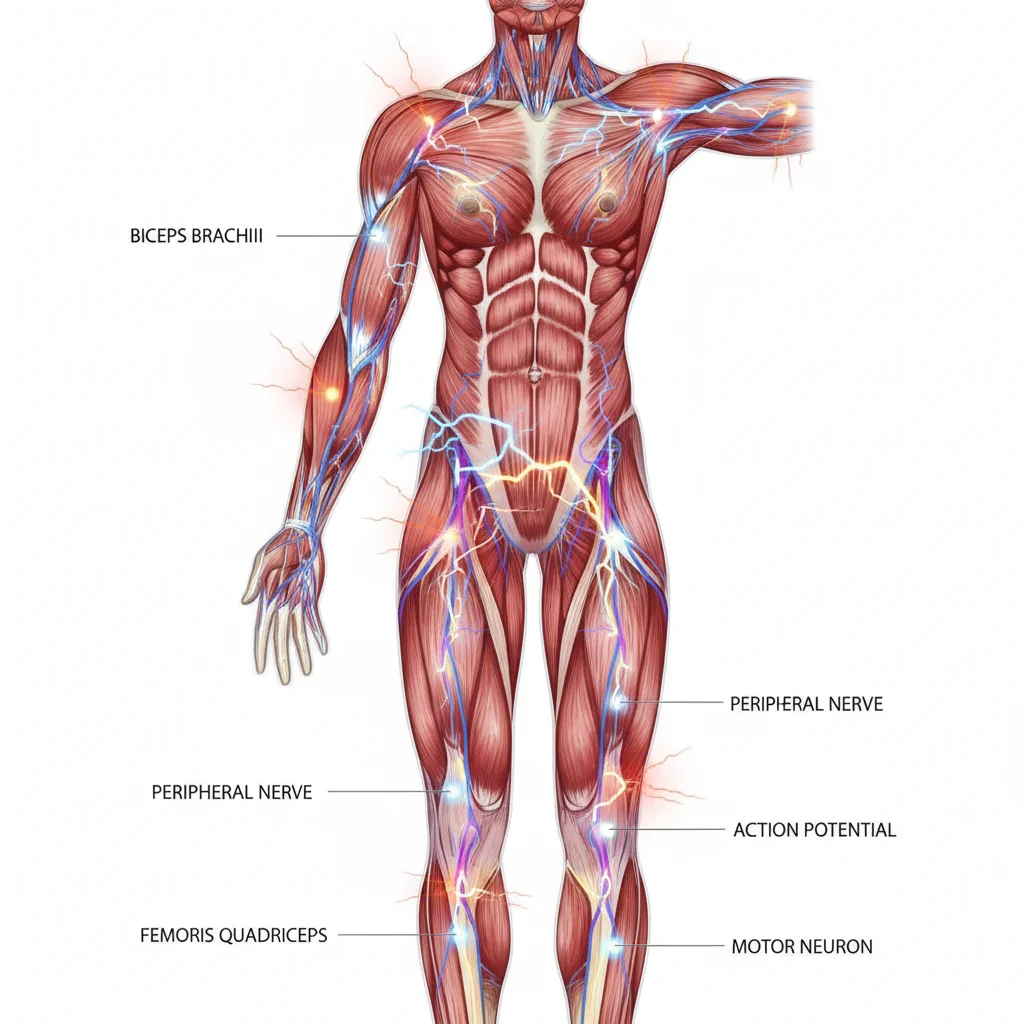
The technical terms for these movements are myoclonic jerks and involuntary muscle contractions. In practice, they are sudden discharges from the nervous system that activate muscles without your intention.
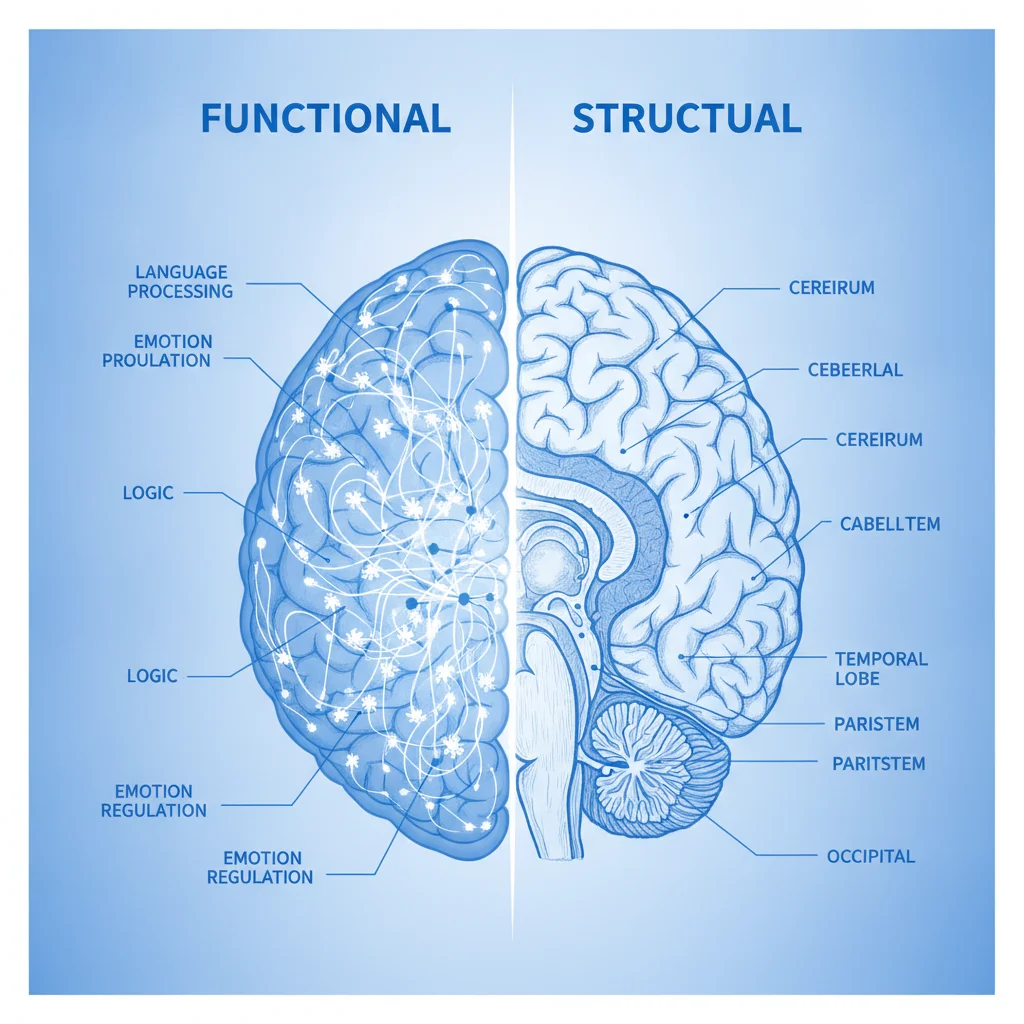
And they have one characteristic that sets them apart from other neurological conditions: they do not stem from a structural lesion. They result from an error in signal processing.
The point is: if the brain is generating these erroneous commands, it can also be trained to stop them.
What Are Functional Jerks?
Myoclonic jerks are rapid, involuntary muscle contractions—like a brief electric shock. They last fractions of a second and can occur individually or in a series.
When they are functional, certain characteristics help identify them:
- Variability: they change in location, intensity, and frequency throughout the day
- Distractibility: they diminish or disappear when attention is fully absorbed by something else
- Sensitivity to stimuli: they worsen with startle responses, loud noises, or emotional stress
- Lack of a fixed pattern: unlike epileptic myoclonus, they do not follow a stereotyped rhythm
This does not mean they are imaginary. It means that the neurological circuit that produces them is functional—and therefore modifiable.

Why Does the Brain Generate These Movements?
FND is essentially a problem with sensory and motor filtering.
The brain receives an immense amount of information at every moment. To function, it needs to filter out what is relevant and ignore the rest.
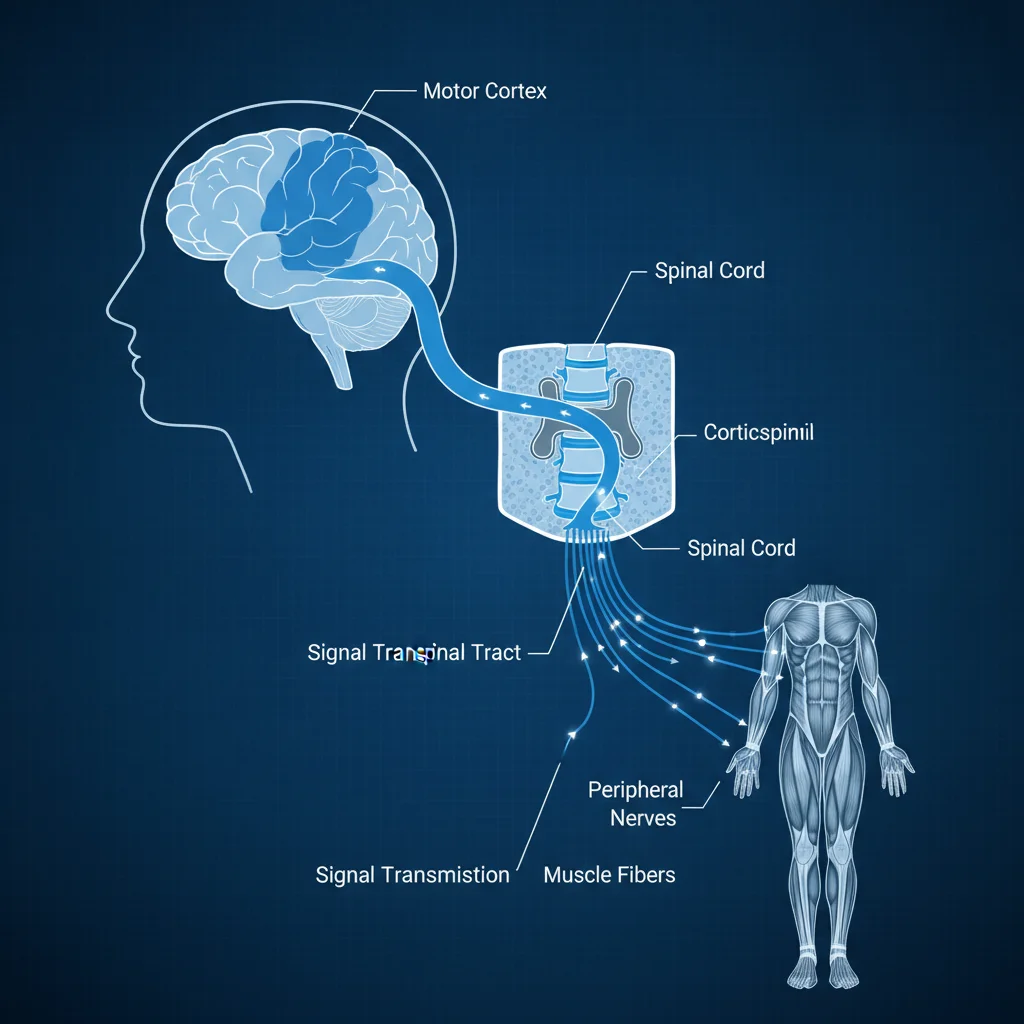
In FND, this filter is defective. Signals that should be suppressed gain access to the motor circuits and trigger involuntary muscle commands.
It’s as if the brain’s traffic control system were letting unauthorized vehicles through.
This explains why the jerks worsen with fatigue, stress, and sensory overload—situations in which the filter is already operating at its limit.
Triggers You Need to Know
In most cases, functional jerks aren’t random. They follow patterns:
- Accumulated fatigue: the most common trigger. An exhausted nervous system loses its ability to filter motor noise
- Emotional stress: activates the sympathetic nervous system and lowers the firing threshold of motor circuits
- Hypervigilance: paying excessive attention to one’s own body increases the likelihood of noticing and amplifying movements
- Sensory stimuli: flashing lights, loud sounds, unexpected touches
- State transitions: when falling asleep or waking up, when the brain is shifting operating modes
Identifying your personal triggers is the first step toward gaining control.
Practical Techniques to Reduce Episodes
1. Proprioceptive Desensitization Training
When a jerk occurs, the automatic reaction is to tense up even more—which worsens the cycle.
The opposite technique works best: at the moment of the jerk, actively relax the affected muscle. Let go of the weight of the limb. Let it feel heavy.
This sends a safety signal to the brain that reduces the likelihood of recurrence.

2. Peripheral Focus (Diffuse)
Functional jerks worsen when attention is focused on the body.
Train your attention to a peripheral mode: instead of focusing on a fixed point, expand your visual awareness to the edges of your field of vision. Maintain this for two minutes.
This state of diffuse attention reduces the activity of overactive motor circuits.
3. Dead Weight Technique
Lie on your back. Imagine that every part of your body weighs twice as much as normal. Start with your feet and move slowly upward: legs, hips, torso, arms, neck.
Five minutes in this state of induced heaviness significantly reduce residual myoclonic activity.
4. Clinical Hypnosis for Motor Reorganization
Hypnosis offers a direct pathway to reprogram dysfunctional motor patterns.
In a hypnotic state, the brain reduces processing noise and becomes more receptive to suggestions for motor control. It is possible to suggest to the nervous system that involuntary movements gradually decrease—and the brain responds.
This is not suppression through willpower. It is reorganization through direct access to the neural circuits.
Studies on FND and hypnosis document a significant reduction in functional motor symptoms following hypnotherapy protocols.

When to Seek Specialized Help?
If the jerks are interfering with sleep, work, or quality of life, an evaluation by a neurologist specializing in FND is the first step.
Effective treatment combines:
- A clear diagnosis and explanation of the functional mechanism
- Physical therapy with a specific approach for FND
- Autonomic regulation techniques
- Hypnotherapy for reprogramming motor patterns
The nervous system is plastic. The circuits that generate the jerks can be redirected.
Can Functional Jerks Turn Into Something More Serious?
No. Functional jerks do not progress to neurodegenerative diseases and do not cause permanent damage to muscles or nerves. The discomfort is real, but the structural prognosis is good. The brain is not deteriorating—it is operating with software that needs an update.
How Can You Tell the Difference Between a Functional Jerk and a Normal Spasm?
Normal spasms (benign fasciculations) are isolated, painless, and do not interfere with movement. Functional jerks are more intense, involve larger muscle groups, are clearly related to emotional states or fatigue, and are often accompanied by other symptoms of FND. The clinical context is key to the differential diagnosis.
Does Medication Help with Functional Jerks?
Some medications that reduce neuronal excitability may help in specific cases—always under neurological supervision. But medication alone rarely resolves the issue. The most effective approach is multimodal: regulation techniques + specific physical therapy + hypnotherapy.
Does Physical Exercise Make It Worse or Better?
It depends on the intensity. Moderate, regular exercise improves nervous system regulation and reduces the frequency of jerks over time. Intense, exhausting exercise can trigger acute episodes. The key is gradual progression—start light and increase as your tolerance allows.
If you’re looking for a straightforward, evidence-based approach to managing the motor symptoms of FND, contact us for an evaluation.