

Among the less-discussed symptoms of Functional Neurological Disorder, bladder problems top the list. Sudden urgency, difficulty urinating, and a feeling of incomplete emptying—symptoms that profoundly affect quality of life but rarely come up in clinical discussions.
If you have FND and feel like you’ve lost control of your bladder, this article is for you.
Why does FND affect bladder function?
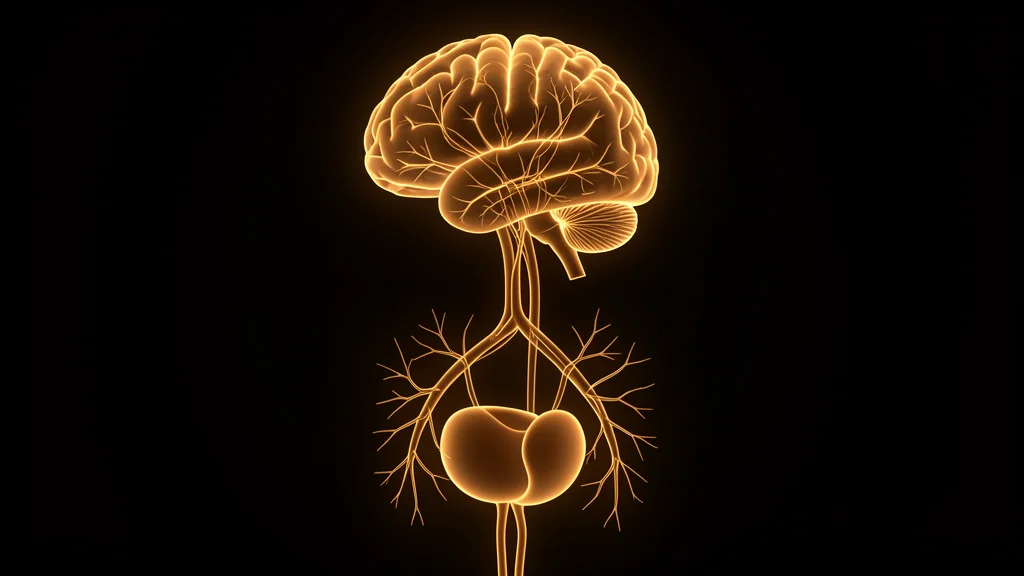
The bladder is controlled by a complex neurological network involving the autonomic nervous system, the spinal cord, and the brain. The act of urination—which seems simple—depends on precise coordination between signals related to filling, contraction, and relaxation.
In conversion disorder, when the nervous system becomes dysregulated, this coordination can fail. The result is urinary symptoms that have no structural cause—imaging tests show a normal bladder, but its function is altered.
The most common symptoms include:
- Urinary urgency—a sudden and intense urge to urinate
- Increased frequency—going to the bathroom many times a day
- Hesitation—difficulty starting the urine stream
- Incomplete emptying—a feeling that the bladder has not emptied completely
- Functional retention — temporary inability to urinate despite a full bladder
Why are urinary symptoms so rarely discussed?

Talking about bladder problems is uncomfortable. Many patients with FND avoid the topic out of embarrassment—and many healthcare professionals don’t ask.
This silence has consequences. Without proper guidance, urinary symptoms can limit social life, affect sleep, and exacerbate anxiety—which in turn worsens FND, creating a cycle that is difficult to break.
A consultation with a professional who understands FND should include questions about urinary function. It’s not invasive—it’s clinical.
What Works for Bladder Symptoms in FND
1. Correct Differential Diagnosis
Before treating, it is essential to rule out structural causes. A basic urological evaluation can exclude infections, prostate problems, or other conditions requiring specific treatment.
2. Bladder retraining
Bladder retraining techniques help restore normal filling and emptying patterns. These include interval training (gradually increasing the time between bathroom visits) and double voiding (urinating, waiting, and urinating again to ensure complete emptying).
3. Regulation of the Nervous System
Since urinary symptoms in FND are linked to autonomic dysregulation, techniques that stabilize the nervous system have a positive effect:
- Diaphragmatic breathing exercises
- Biofeedback for pelvic floor training
- Mindfulness focused on bodily sensations
4. Therapeutic Approaches
Clinical hypnotherapy can help recondition the neurological patterns that affect bladder control. The autonomic response to stress is one of the main factors that exacerbate symptoms—and hypnosis acts directly on this mechanism.
Urinary symptoms in FND are treatable

Bladder problems in conversion disorder are real, common, and—most importantly—respond well to targeted interventions. They are not permanent, they are not “psychological,” and they are nothing to be ashamed of.
The first step is to discuss the issue with a professional who will take you seriously. The second is to follow an approach that treats the nervous system as a whole—because in conversion disorder, the bladder isn’t the only one affected.
If you want to address your conversion disorder symptoms in an integrated way, with a professional who understands the neurology behind urinary symptoms, check out my work at fabiomorus.com/en/contact.
And to start regulating your nervous system with practical exercises, download the free ebook Zero Anxiety.