

Have you ever noticed that your FNT symptoms get worse when you’re stressed? Tremors that get worse, legs that give out more often, episodes that occur right after a stressful situation?
This is no coincidence. The nervous system of people with Functional Neurological Disorder (FND) is in a state of hyperarousal—and mindfulness is one of the most extensively studied tools for helping to regulate this system.
What is mindfulness, and why is it relevant to FNT?
Mindfulness is the ability to pay attention to the present moment intentionally and without judgment. It is not a religion, nor is it mysticism—it is a form of attention training backed by neuroscience.
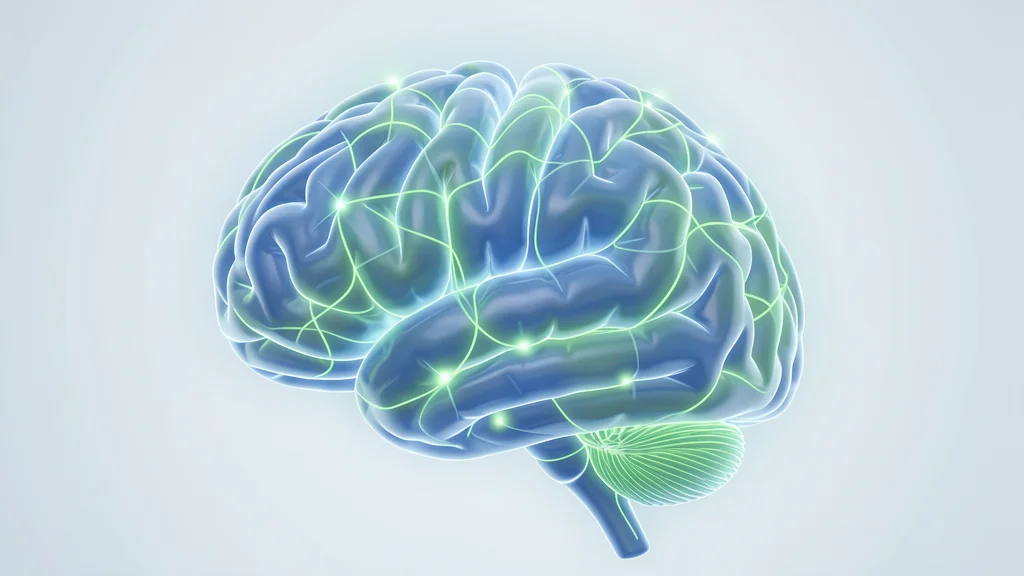
Mindfulness is relevant to FND because it directly affects the brain mechanisms altered by the condition:
- It reduces hyperactivity in the amygdala (the brain’s alarm center)
- It strengthens the prefrontal cortex (responsible for regulating emotions and controlling impulses)
- Decreases activity in the default mode network (associated with rumination and self-criticism)
- Improves interoception—the ability to perceive bodily signals without panicking
Neuroimaging studies show that 8 weeks of regular mindfulness practice produce measurable changes in these areas. For people with FND, this means a real reduction in the frequency and intensity of symptoms.
How does mindfulness help with specific FND symptoms?
For tremors and weakness
Mindfulness teaches you to observe symptoms without reacting out of fear. This breaks the “symptom → panic → more symptoms” cycle. A 2023 study involving 48 patients showed that mindfulness reduced the perception of disability related to functional motor symptoms by 35%.
For functional crises
Non-epileptic crises are often preceded by subtle signs—a feeling of disconnection, a sensation of heat, or dizziness. Mindfulness trains you to recognize these signs early on, allowing for intervention before the crisis takes hold.
A 12-week protocol combining mindfulness with CBT for TNF showed a 45% reduction in the frequency of functional crises.
For Associated Anxiety
Most people with FND also experience anxiety—often about their own symptoms. The anxiety-symptom cycle is one of the hardest to break.
Mindfulness offers a way out: instead of fighting anxiety, you learn to watch it pass—like clouds in the sky.
Practical Mindfulness Techniques for TNF
Here are some practices you can start today. No equipment needed, no paid app required.
1. 5-Minute Body Scan
Lie down or sit comfortably. Close your eyes. Mentally scan each part of your body—from your feet to your head—simply noticing the sensations. If you find an area of tension or a symptom, don’t try to change it. Just observe it.
This trains your brain to process bodily signals without triggering “threat” mode.
2. 4-7-8 Breathing
Breathe in through your nose while counting to 4. Hold your breath while counting to 7. Breathe out through your mouth while counting to 8. Repeat 4 times.
This technique activates the parasympathetic nervous system—the brain’s “brake.” It’s especially helpful when you feel a symptom starting.
3. Grounding Through the 5 Senses
When you feel yourself disconnecting or sense that a crisis might be coming, try this: name 5 things you see, 4 things you feel in your body, 3 things you hear, 2 things you smell, and 1 thing you taste.
This interrupts the dissociative process and brings your brain back to the present moment.
Does mindfulness replace other treatments?
No—and it’s important to state this clearly.
Mindfulness is a powerful complementary tool, but it does not replace:
- Multidisciplinary treatment for FNT
- Hypnotherapy when trauma is involved
- Specialized physical therapy for motor symptoms
Ideally, you should integrate mindfulness into your treatment plan, not use it as your sole approach.
How to get started with mindfulness for TNF?
-
Start small: 3 to 5 minutes a day is enough at first. Consistency is key, not duration.
-
Choose a set time: Linking the practice to a specific time of day (upon waking, before bed) helps build the habit.
-
Don’t be too hard on yourself: Your mind will wander. This is normal and to be expected. Every time you notice that your mind has wandered and gently bring your attention back, you’re strengthening the brain’s emotional regulation circuits.
-
Track your symptoms: Write down the frequency and intensity of your symptoms before you start and again after 4 weeks. This helps you see objective progress and keeps you motivated.
Take the First Step
Mindfulness won’t eliminate your FND symptoms overnight. But it offers something perhaps even more valuable: a new relationship with your body and your symptoms—based on observation, not panic.
If you’d like to explore emotional regulation techniques that combine mindfulness with hypnotherapy, download the free e-book Zero Anxiety.
And if you’d like to discuss how to integrate mindfulness into your treatment plan, contact me.