Functional Neurological Disorder (FND) is still poorly understood—even by many healthcare professionals.
The person has real neurological symptoms: seizures, weakness, tremors, changes in gait. But imaging tests show no structural lesion. The brain isn’t damaged—it’s just functioning differently.
And that’s confusing. The patient feels the symptoms. The tests say everything is fine. The gap between what the patient experiences and what the test results show is one of the biggest challenges in diagnosis.
Now, a new approach is gaining traction: EMDR.
What Is FND?
FND is a common neurological condition. It accounts for about 16% of outpatient neurology visits. Its impact on quality of life is comparable to that of Parkinson’s disease or multiple sclerosis. If you want to understand the different types of FND, read the complete guide on functional neurological disorder.
The symptoms fall into two main groups:
- Functional crises (non-epileptic seizures)
- Functional motor disorder (weakness, tremor, gait disturbances)
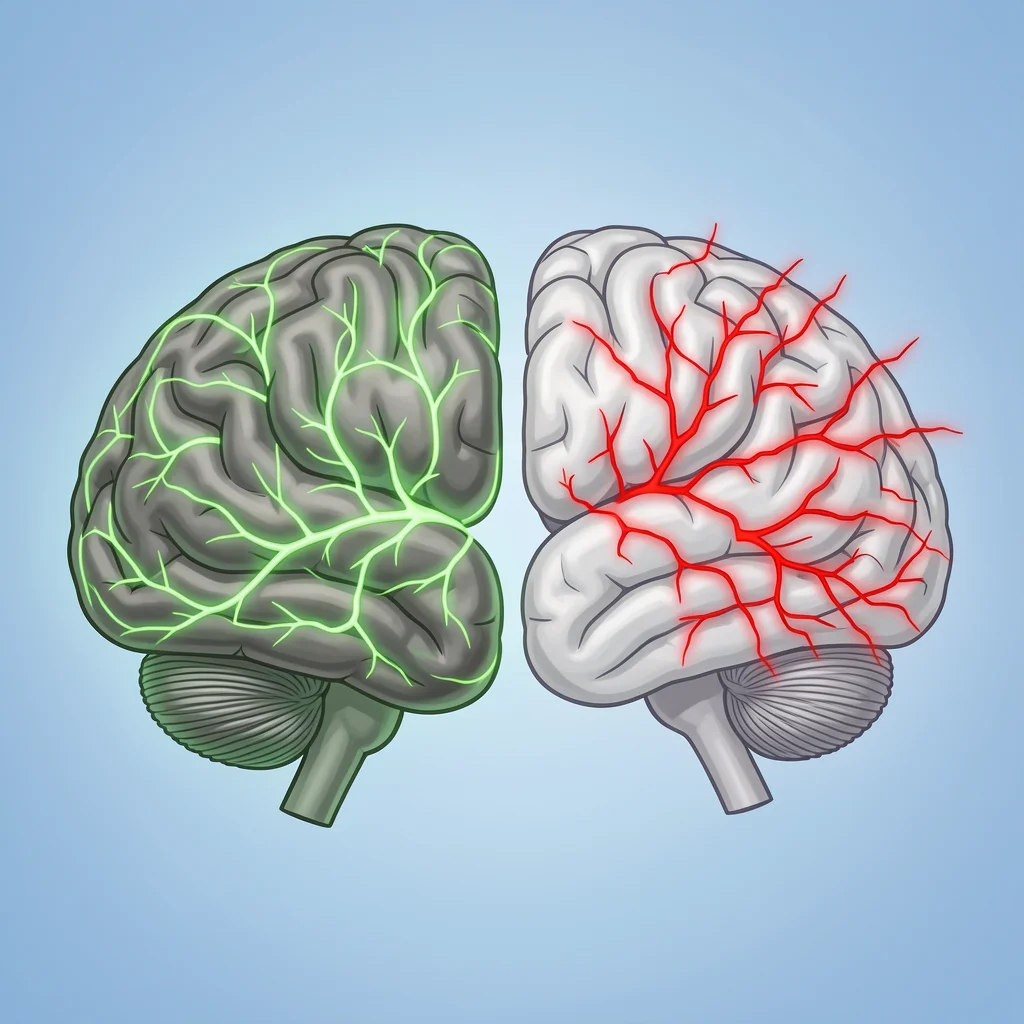
The problem isn’t in the brain’s structure. It lies in the way the brain processes and transmits signals. It is a software problem, not a hardware problem.
In most cases, there is a common factor: trauma. Adverse childhood experiences, stressful life events, prolonged illnesses. The body records what the mind tries to forget.

Why EMDR Makes Sense for FND
EMDR—Eye Movement Desensitization and Reprocessing—is an evidence-based treatment for PTSD. It works through bilateral stimulation (eye movements or tactile stimulation) while the person processes distressing memories.
The most widely accepted hypothesis is the working memory hypothesis: keeping a stressful memory in mind while performing a dual-attention task reduces the vividness and emotional charge of that memory. I’ve written about how EMDR works for conversion disorder, another FND subtype. The principle is similar.
In the context of FND, the reasoning is straightforward:
If symptoms are triggered or maintained by distressing memories associated with the onset of the condition, processing those memories may weaken the cognitive representation of the symptoms. In other words: less perceived threat, fewer symptoms, less suffering.
What the Studies Say
The MODIFI trial (BMJ Open, 2023) is the first randomized controlled trial to test EMDR specifically for FND. It is currently underway at St. George’s Hospital in London with 50 participants.
The researchers are testing an EMDR protocol adapted for FND—with or without comorbid PTSD. This is because the rationale does not depend solely on the presence of clinical trauma. What matters are the distressing memories associated with the symptoms, period.
There are also published case series showing positive results. Two patients without comorbid PTSD responded well to EMDR. Improvement was observed in both physical symptoms and daily functioning.
This is not a miracle cure. It is a therapeutic approach with a solid neurological basis.
For whom might it work?
EMDR for FND may be indicated when:
- There are distressing memories linked to the onset of symptoms
- There are adverse life events that coincide with the worsening of symptoms
- The patient is able to tolerate emotional processing
- Other approaches (physical therapy, CBT) have yielded partial results
It is not suitable for all cases. The MODIFI study excludes patients with active psychosis, dissociative identity disorder, substance dependence, or severe suicidal ideation. Clinical evaluation is essential. If FND symptoms are new to you, also see the available treatments for FND.

How It Works in Practice
A typical session follows this structure:
- Identify the target memory linked to the symptoms
- Measure the associated distress level (SUD scale)
- Apply bilateral stimulation while the patient keeps the memory in mind
- Process in cycles until the distress decreases significantly
- Instill a positive, adaptive belief
The protocol adapted for FND also includes processing images of current symptoms and feared future scenarios—not just past memories.
The Key Point
FND is not a figment of the patient’s imagination. It is in the nervous system.
And if the nervous system has learned a dysfunctional pattern, it can learn a more adaptive one. This is where EMDR comes in.
Science is still building the evidence base. But the direction is promising. And for many people with FND who have already tried various approaches without success, this is a door worth opening.
Note: This article is for informational purposes only. EMDR should be administered by certified professionals in an appropriate clinical setting. Consult your doctor or therapist before beginning any treatment.