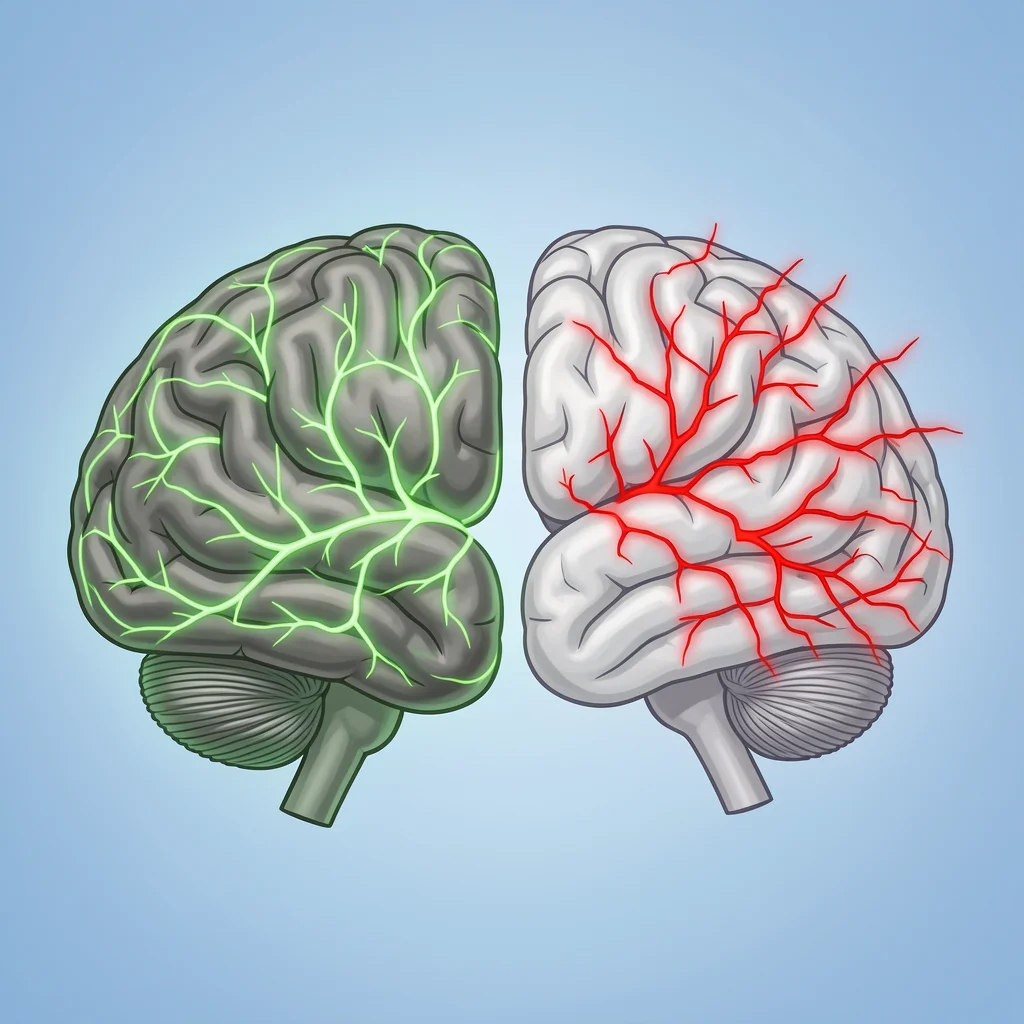

A diagnosis of functional neurological disorder (FND) often arrives with more questions than answers. You are told what it is not — not epilepsy, not MS, not a structural brain lesion. But what it is and what happens next remains unclear. Recovery stories matter because they show what forward movement actually looks like.
This article shares realistic FND recovery paths, grounded in clinical experience and the patterns seen in people who regain function and quality of life. No miracles. Just practical steps that work.
What Does FND Recovery Actually Mean?
Recovery from FND does not always mean every symptom disappears forever. For many people, it means symptoms become manageable, episodes reduce in frequency, and daily life feels possible again.
The definition is personal. Some measure recovery by returning to work. Others by walking without a cane, driving again, or simply feeling understood. The point is progress, not perfection.
Why Recovery Stories Help
When you live with FND, isolation is common. Friends and family may not understand. Even some healthcare professionals dismiss the condition. Reading that others have walked a similar path and found stability reduces that isolation.
Stories also reveal what works in practice — not just in theory. They highlight the combination of approaches that tend to succeed: therapy, education, pacing, and self-compassion.
Common Threads in FND Recovery
People who move forward with FND often share several habits and mindset shifts:
Acceptance Without Surrender
Accepting the diagnosis does not mean giving up. It means stopping the fight against the label and redirecting energy toward management. This shift alone reduces the stress that can worsen symptoms.
Education About the Condition
Understanding how FND works — the role of the nervous system, the difference between structural and functional symptoms — removes fear. Fear feeds symptoms. Knowledge replaces it with agency.
Structured Therapy
Whether CBT, EMDR, hypnotherapy, or physiotherapy, structured support makes a measurable difference. The key is finding a therapist who understands FND specifically, not just anxiety or trauma in general.
Pacing and Routine
Pushing through symptoms often backfires. People who recover gradually learn to pace activity, build predictable routines, and respect their nervous system’s limits without letting those limits define their identity.
Support Networks
Family, online communities, or peer support groups provide validation. Being believed is therapeutic. Recovery stories often mention one person — a partner, a doctor, a friend — who listened without judgment.
A Realistic Recovery Timeline
There is no standard timeline. Some people notice improvement within weeks of starting therapy. Others take months or years to find the right combination of strategies. Relapse is possible and normal. What matters is the overall trajectory.
What Gets in the Way of Recovery
Several barriers appear repeatedly:
- Misdiagnosis or delayed diagnosis — years of being told it is “all in your head” erode trust in healthcare.
- Lack of FND-aware therapists — generic therapy helps, but targeted therapy helps more.
- Financial and logistical barriers — not everyone can access specialist care or take time off work.
- Internalized stigma — believing you should be able to “just push through” slows progress.
How Therapy Supports FND Recovery
Therapy for FND is not about finding a hidden trauma or fixing a single cause. It is about retraining the brain’s response patterns, reducing the autonomic arousal that drives symptoms, and rebuilding confidence in the body.
Approaches with evidence and clinical support include:
- CBT — for symptom management and health anxiety reduction.
- EMDR — for processing trauma that may precede or accompany FND.
- Hypnotherapy — for calming the nervous system and addressing dissociation.
- Physiotherapy — for functional movement retraining.
Frequently Asked Questions
Can FND go away completely?
Some people experience full remission. Others manage symptoms long-term. Both outcomes represent recovery. The goal is quality of life, not zero symptoms.
What is the most important factor in FND recovery?
A combination of accurate diagnosis, appropriate therapy, and self-compassion. No single factor works alone.
How long does FND recovery take?
Weeks to years, depending on severity, access to care, and comorbidities. Patience and persistence matter more than speed.
Can you work while recovering from FND?
Many people do, with adjustments. Flexible hours, reduced workload, and workplace accommodations can make employment sustainable during recovery.
Conclusion
FND recovery is real, possible, and non-linear. The stories that matter are not the ones with instant cures. They are the ones where someone kept going, adjusted their approach, and found stability.
If you or someone you know is navigating FND, remember: progress is valid even when it is slow. Help is available, and recovery does not require perfection.
Start with the free anxiety guide to learn calming techniques that support nervous system regulation. If you want personalised support, contact Fabio Morus for a consultation.