

One of the most visible—and most debilitating—symptoms of Functional Neurological Disorder is difficulty walking. Your gait becomes unsteady, your legs seem unresponsive, and simple tasks like crossing a room become a daily challenge.
If you have FND and feel like your legs “won’t obey you,” know that you’re not alone. Changes in gait are one of the most common symptoms of conversion disorder—and one of the symptoms that responds best to targeted interventions.
What happens to gait in people with FND
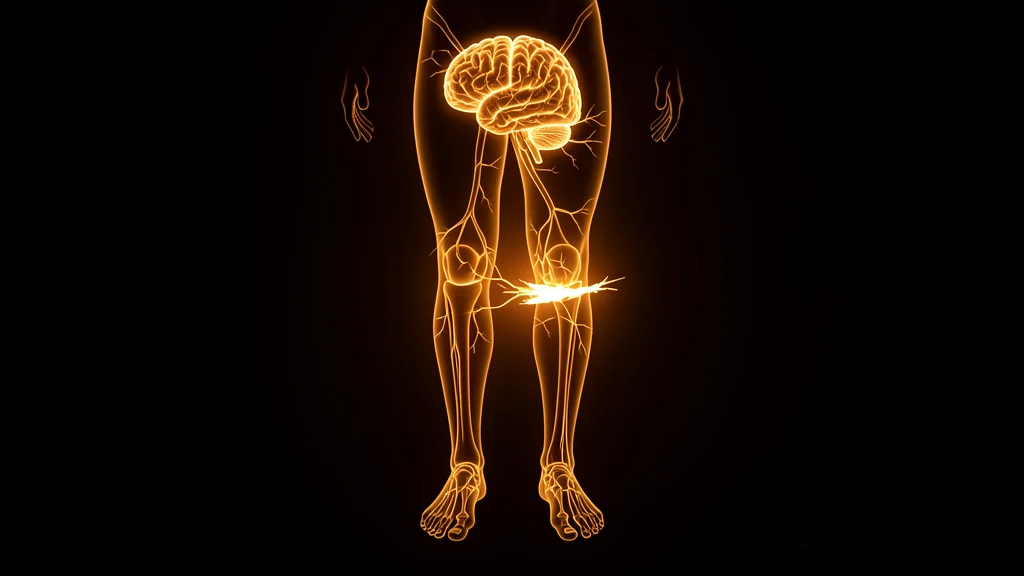
In conversion disorder, the problem isn’t in the muscles or joints. It lies in the neurological signal that the brain sends—or fails to send—to the legs.
Normal gait depends on precise neurological coordination: balance, coordination, strength, rhythm, and sensory feedback. In conversion disorder, one or more of these systems become functionally dysregulated—the circuit exists and is intact, but it is not being activated correctly.
This produces gait patterns that can vary from person to person, and even from day to day in the same person.
What are the most common gait patterns in FND?

Functional gait can take various forms, and recognizing the pattern helps guide treatment:
- Shuffling gait: one or both legs feel “heavy” and drag along the ground
- Unsteady gait: a constant feeling of imbalance, as if about to fall at any moment
- Block gait: the body moves stiffly, without the natural swing of the arms
- Knees buckling: the legs suddenly bend while walking
- Zigzag gait: the path is erratic; the body unintentionally veers from side to side
An important characteristic is variability. Unlike structural neurological conditions, gait symptoms in FND may temporarily improve with distraction or worsen when attention is focused on the movement.
Why is functional gait often misunderstood?

Patients with gait abnormalities in FND face a double challenge: the physical difficulty of walking and the lack of understanding from observers.
Since their gait can change from one moment to the next, it’s common for them to hear that they’re “faking it” or that they “can do it when they want to.” This interpretation is incorrect. Variability is exactly what is expected of a functional symptom—it’s not voluntary inconsistency; it’s real neurological instability.
A neurologist specializing in FND knows how to distinguish between a functional gait and a gait of structural origin. The clinical signs are different, and the correct diagnosis is the first step toward the right treatment.
What Works to Improve Gait in FND
The good news is that functional gait responds well to specialized physical therapy and neurological interventions. Here’s what the evidence shows.
1. Physical Therapy with a Functional Approach
Physical therapy for FND is not the same as for a muscle injury. The focus isn’t on “strengthening” the legs—it’s on retraining the brain to send the correct signals.
Techniques such as gait training using external cues (rhythm, music, floor markings) and dual-task exercises (walking while doing something else) help divert conscious attention away from the movement and allow automatic patterns to return.
2. Nervous System Regulation
Since functional gait worsens with stress and hyperarousal, regulation techniques help:
- Breathing exercises before and during walking
- Mindfulness focused on the sensations of the feet on the ground
- Grounding techniques for moments of sudden instability
3. Integrated therapeutic approaches
Clinical hypnotherapy can be used to access and recondition dysfunctional motor patterns. Under hypnosis, the brain is more receptive to relearning movement sequences that have become blocked.
EMDR(/en/blog/emdr-for-fnd/) is also applicable when gait disturbance is linked to a specific traumatic event—such as a fall, an accident, or a negative medical experience.
4. Gradual and Consistent Practice
Gait recovery in FND is a gradual process. Start with short distances in safe environments and gradually increase them. Celebrate every step of progress—even the small ones. The brain learns through repetition and positive reinforcement.
Walking difficulty in FND can improve

Functional gait impairment is a real, debilitating, and often misunderstood symptom. But it is neither permanent nor untreatable.
With the right diagnosis, appropriate physical therapy, and interventions that address the neurological root of the problem, most people with FND regain a functional gait—and with it, the independence that their walking difficulties had taken away.
If you’d like to work on your gait using an integrated neurological approach, check out my work at fabiomorus.com/en/contact.
And to start regulating your nervous system with practical exercises, download the free ebook Zero Anxiety.