Saying “I have a neurological problem” at work is scary. Saying “I have Conversion Disorder” can be even scarier—because most people have never heard of it.
But avoiding the subject also comes at a cost: misunderstood absences, unrealistic expectations, isolation.
If you’re still learning how to explain FND to family, the workplace requires a different approach. The point is: you don’t need to give a lecture on neurology. You need a short, clear explanation that protects your professional space.
Here’s how to do it in 7 steps.

1. Choose the Right Moment
Don’t explain it in the middle of a crisis. Don’t explain it via email at 11 p.m.
Schedule a brief conversation—15 minutes is enough. Preferably in person or via video call, with your direct supervisor or HR.
The goal isn’t to vent. It’s to inform.
2. Use a Three-Sentence Formula
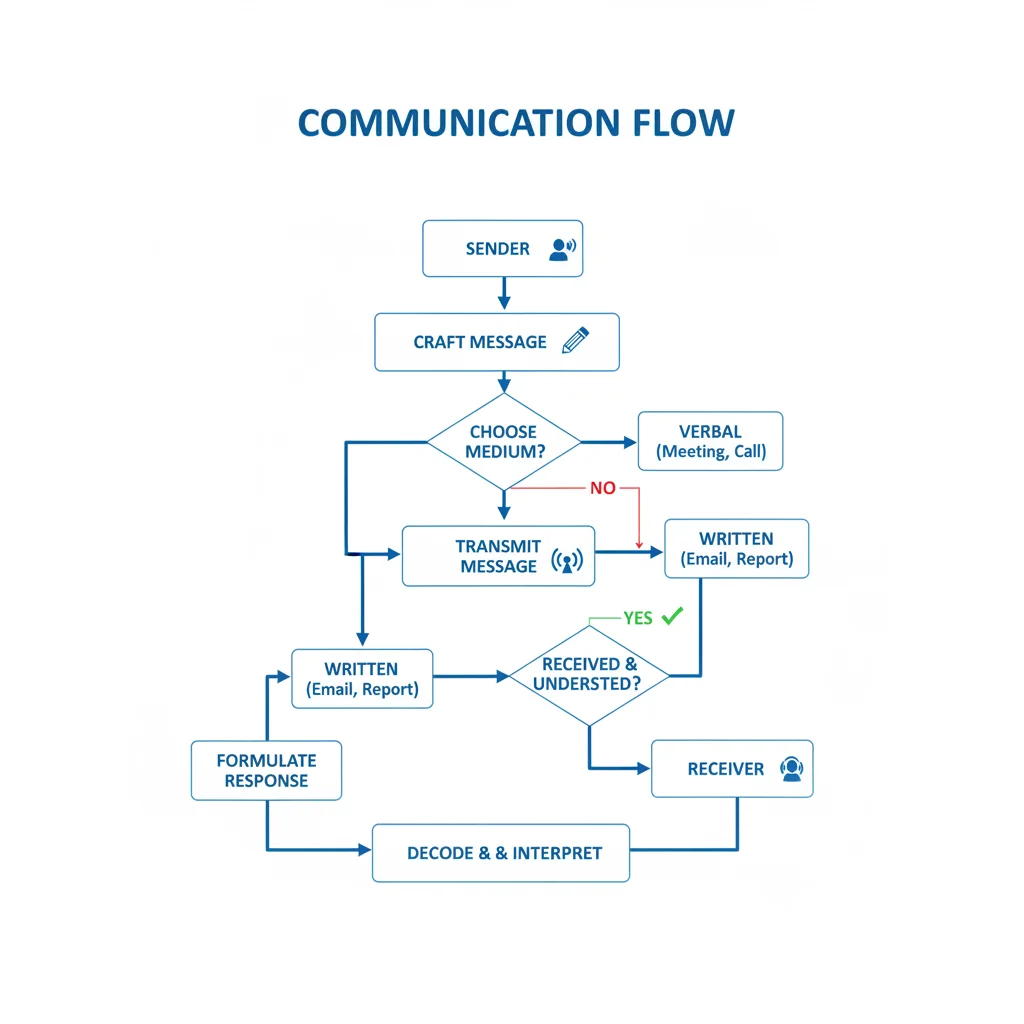
Memorize this script. It works:
“I have a neurological condition called Functional Neurological Disorder. My brain processes certain signals differently, which can cause temporary motor or sensory symptoms. It’s a real condition, recognized by neurology, and I’m undergoing treatment. If you want to understand more, we have a full article on what FND is.”
Three sentences. No jargon. No excessive explanation.
3. Anticipate the Questions They’ll Ask
The three most common questions—and how to answer them:
- “Is this psychological?” → “No. It’s a problem with how the nervous system functions. Imaging tests may come back normal, but the symptoms are real and measurable.”
- “Will you need to take time off?” → “Right now, I’m able to work. There may be days when the symptoms are more intense, and on those days I might need some flexibility.”
- “What can I do to help?” → “The most helpful thing is to understand that symptoms vary and not to doubt me when I say something is difficult.”

4. Focus on What You Can Do
The conversation isn’t about your limitations—it’s about how you stay productive.
Say something like: “I have strategies for managing my symptoms and maintaining my productivity. What changes is that I occasionally need short breaks or adjustments to my work environment.”
This reframes you as someone who manages the condition, not as someone who is a victim of it.

5. Ask for Specific Accommodations (If Needed)
Be specific. Instead of “I need understanding,” say:
- “It works best for me to take a 5-minute break every two hours.”
- “Very bright lights make my symptoms worse. Can I adjust the lighting at my desk?”
- “On bad days, I might need to work remotely.”
Specific accommodations are easier to approve than vague requests. In cases of autonomic dysfunction, for example, temperature and lighting adjustments make a real difference.

6. Document the Conversation (Discreetly)
After the conversation, send a short email thanking them and summarizing what was agreed upon.
“Thank you for today’s conversation. As we discussed, I’m free to take short breaks when needed, and on days when my symptoms are more severe, I can work remotely with advance notice.”
This creates a record without sounding bureaucratic or defensive.
7. Prepare for the Most Common Reaction
The most common reaction isn’t hostility. It’s silent confusion.
The person listens, nods, but didn’t understand a thing. And that isn’t necessarily a bad thing—it means they haven’t formed a negative judgment.
Leave the door open: “If you have any questions later, feel free to ask me. I’d rather you ask than make assumptions.”
Should I Tell My Colleagues or Just My Boss?
It depends on the company culture and your relationship with your colleagues. The rule of thumb: inform your direct supervisor and HR. Tell colleagues only if it’s relevant to teamwork and if you trust them. FND is still poorly understood, and incomplete information can lead to misinformed gossip.
What If My Boss Doesn’t Take It Seriously?
Ask your neurologist for a brief letter explaining the diagnosis in layman’s terms and noting that it is a recognized neurological condition (ICD-11: 6B60). A medical document changes the tone of the conversation. If resistance persists, HR is the next step.
Can I Be Fired Because of FND?
Not because you have the condition—that would be discrimination. But if absences aren’t properly communicated or if there’s no dialogue about accommodations, your performance may be called into question. Strategic transparency offers more protection than silence.
How Do I Explain It to Clients?
You shouldn’t have to. Unless symptoms directly interfere with your work and the client asks, stick to standard professional communication. If you need to mention it, use the three-sentence formula—but adapt it to a more executive tone: “I have a managed neurological condition. It doesn’t affect my work, but I appreciate your understanding.”
If FND is impacting your professional life and you want tools to manage your symptoms more effectively, contact us for an evaluation.