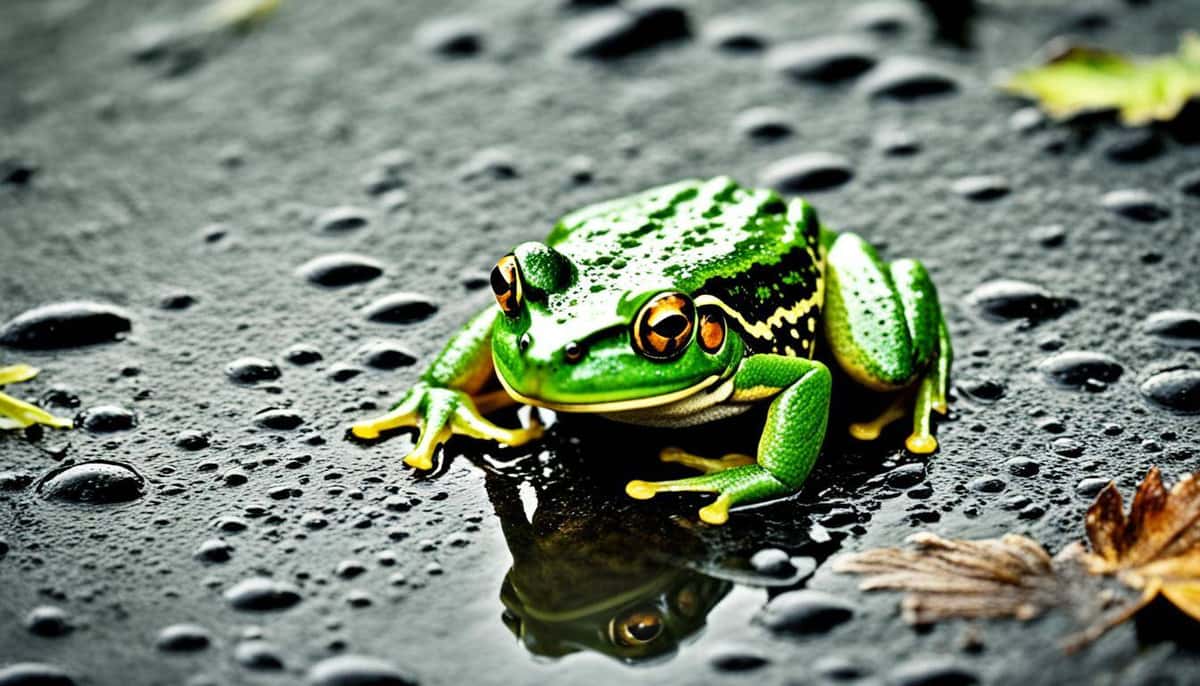

Have you ever been scared of frogs or toads? Batrachophobia belongs to the group of animal-specific phobias, which affect about 7.4% of people at some point in life according to the largest international survey on the topic (Wardenaar et al., 2017), and are more frequent in women. This phobia can significantly change people's lives.
Want to learn more about batrachophobia and how to overcome the fear? We'll talk about what it is, why it happens, and how to treat it. We'll also show you 9 ways to face your fear of frogs and toads.
What is batrachophobia?
Batrachophobia is the irrational fear of frogs and toads. Many people are affected by this phobia. It can cause a lot of suffering and disrupt daily life.
Definition and Main Characteristics
Batrachophobia causes people to react disproportionately to frogs and toads The fear can cause symptoms such as palpitations and excessive sweating Some even faint from fear.
Difference between Common Fear and Irrational Phobia
Batrachophobia is much more serious than common fear. It causes great suffering and significantly affects daily life. While common fear is a natural response, phobia is irrational and can lead to avoidance of situations and isolation.
Possible Causes
Traumatic childhood experiences and negative cultural influences can cause batrachophobia A direct negative experience with the animal is one of the most common pathways for the fear to take hold. Films and cultural stigmas can also contribute to the fear.
https://www.youtube.com/watch?v=I6DrF2t8tC0"Batrachophobia should not be dismissed as a trivial matter, as it can cause serious anxiety attacks and limitations in daily life."
It is crucial to understand that batrachophobia is a real condition. It can cause a great deal of suffering and disrupt the daily lives of those who experience it.
Symptoms and Manifestations of Fear of Frogs
Batrachophobia, or irrational fear of frogs, can cause a great deal of distress. People with this phobia experience extreme anxiety, sweating, trembling, and increased heart rate when they see a frog. Some even cry or avoid eye contact with images of amphibians.
Strong physical reactions such as palpitations, nausea and even fainting can occur.
Fear of frogs can cause people to isolate themselves and limit their outdoor activities. The mere mention or sight of a frog can trigger an intense anxiety response. This greatly affects a person 's quality of life and emotional well-being.
Batrachophobia is more than just a common fear of frogs. It's an irrational phobia that significantly affects an individual 's routine and functioning. Understanding the symptoms and manifestations of this condition is the first step in seeking appropriate treatment and restoring emotional balance.
| Common Symptoms | Extreme Symptoms |
|---|---|
| - Intense anxiety Sweating Tremors - Increased heart rate | - Crying - Aversion to eye contact Palpitations Nausea - Fainting Social isolation - Limitation of outdoor activities |
The symptoms of batrachophobia can cause distress, fear and repulsion towards amphibians, swamp creatures, and croaking sounds. Understanding these manifestations is crucial for seeking effective treatments and overcoming this emotional limitation.
"Just the thought of a frog jumping towards me terrifies me. I avoid any situation that might involve the presence of these animals." - Maria, 32 years old
Treatments and Therapies Available
For those with batrachophobia, an intense fear of frogs and toads, there are several treatment options. Cognitive Behavioral Therapy (CBT) is very effective. It helps to change thoughts and beliefs about frogs, and teaches how to face the fear.<sup>
Cognitive-Behavioral Therapy
CBT helps to change thoughts and beliefs about frogs. It uses gradual exposure, starting with images and sounds of amphibians. Then, it progresses to interaction with the object of fear.
Relaxation and mindfulness techniques also help control anxiety.
Gradual Exposure Techniques
Gradual exposure is very effective against batrachophobia It helps to separate the perception of the animal from the fear. This is done through a process of systematic desensitization.
By confronting their fears in a controlled manner, patients overcome their irrational fears. They develop a healthier relationship with amphibians.
Drug Approaches
Sometimes, therapy is complemented with medication. Beta-blockers, antidepressants, and sedatives can help control anxiety. This facilitates the treatment of batrachophobia.
However, the medication must be prescribed by a qualified healthcare professional.
Eye Movement Desensitization and Reprocessing (EMDR) also shows good results. It improves the situation in fewer sessions.
Overcoming batrachophobia is a complex process. But with the right tools and specialized support, it is possible. Thus, it is possible to rebuild a healthy relationship with amphibians.

"Consulting with psychologists is recommended as a fundamental step in addressing and overcoming phobic fears, with special attention to the importance of professional support in therapy."
Conclusion
Overcoming batrachophobia, or the irrational fear of frogs and amphibians, is possible with the right help. Controlling the fear of frogs and treating amphibian phobia requires a plan. This includes specialized therapy, gradual exposure techniques, and emotional support.
Seeking help from a mental health professional is essential. Phobias can greatly affect an individual's life. Cognitive Behavioral Therapy (CBT) is very effective in treatment. It provides proven tools to deal with fear in a controlled way.
Techniques such as systematic desensitization, relaxation, and imaginal exposure are very important. In addition, support from self-help groups and coping strategies is very helpful. Remember, every step towards acceptance is a victory. With patience, persistence, and the right help, it's possible to transform fear into fascination with amphibians. </sup>
Simple Practices to Reduce Anxiety
- Conscious breathing: Inhale counting to 4, hold for 4, and exhale for 4. It's magic!
- Physical exercise: Get moving! Walking or yoga can help relieve tension.
- Digital disconnection: How about taking a break from social media and focusing on the present?
- Establish a routine: Organizing your day reduces that feeling of chaos.
- Seeking help: Therapy is a compass to finding balance.
Why is Seeking a Therapist Important?
It's like having a guide on an unfamiliar trail. A therapist can help you better understand your feelings, find practical solutions, and develop a more balanced life. Asking for help is not a sign of weakness; on the contrary, it's an act of courage and self-care. Sometimes, dealing with anxiety alone feels like a labyrinth with no way out. A therapist can be the guide you need to transform burden into learning and reclaim the lightness of living. It's not a sign of weakness, it's an act of courage and self-care.A Path to Inner Peace
Dealing with anxiety isn't easy, but it's possible. You're not alone on this journey. How about taking the first step? Learning to control your anxiety is possible, and you deserve this peace. Start taking care of your mental health now and discover a new way of living. Click here Fabio Morus Therapist to schedule a free 20-minute session.References
- Wardenaar KJ, et al. The cross-national epidemiology of specific phobia in the World Mental Health Surveys. Psychological Medicine. 2017;47(10):1744-1760.
- Choy Y, Fyer AJ, Lipsitz JD. Treatment of specific phobia in adults. Clinical Psychology Review. 2007;27(3):266-286.
- American Psychiatric Association. Diagnostic and Statistical Manual of Mental Disorders, 5th edition, text revision (DSM-5-TR). 2022.
🌟 Have you considered seeking a therapist to support your well-being journey?
If this article sparked reflections about positive changes in your life, perhaps now is the ideal time to take the next step. Do you know hypnosis as a therapeutic tool? This approach can be surprisingly effective for various personal challenges.
Special offer: Book a free 20-minute consultation with therapist Fabio Morus and discover how therapy can transform your life.
✨ No commitment — Completely free — 20 minutes that can make a difference
👉 Click here to book your free consultation
Don't postpone your well-being any longer. The first step to change is just one click away.