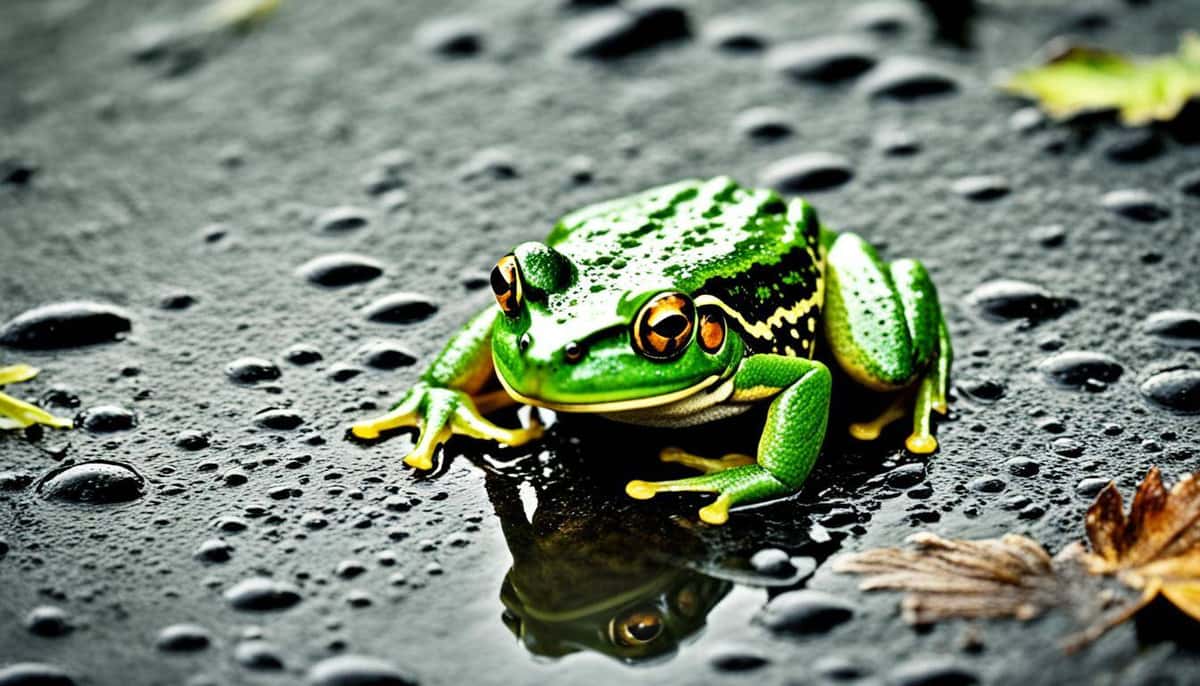

Batrachophobia is the persistent, disproportionate fear of amphibians: toads, frogs and tree frogs. When the fear is directed specifically at toads, the clinical term is bufonophobia; for frogs and toads together, some use ranidaphobia. In practice all three describe the same specific phobia and respond to the same treatment. This guide explains what it is, how the terms differ, its causes and symptoms, and how to overcome the fear step by step.
It is a specific phobia, a group that affects around 7.4% of people over a lifetime according to the largest international survey on the subject (Wardenaar et al., 2017; see the references at the end), and it responds well to exposure therapy.
Evidence summary: The DSM-5-TR classifies fear of toads and other amphibians as a specific phobia of the "animal" subtype, one of five subtypes recognised by the manual alongside natural environment, blood-injection-injury, situational and other (American Psychiatric Association, DSM-5-TR, 2022).
Batrachophobia, bufonophobia and ranidaphobia: what is the difference?
All three terms come from Greek and Latin roots: batrachos (frog or toad) and phobos (fear) form batrachophobia, the broadest name, used for the fear of amphibians in general. Bufonophobia comes from the Latin bufo (toad) and is the more specific term, restricted to the fear of toads themselves. Ranidaphobia derives from rana (frog) and tends to appear when the fear covers both frogs and toads.
In clinical practice this distinction rarely changes what is done: whichever name is used, it is a specific animal phobia, and the treatment protocol, CBT with gradual exposure, occasionally supported by hypnotherapy or EMDR, is the same. The difference is mainly one of terminological precision, useful for naming what you feel rather than for deciding treatment.
What is frog phobia?
Frog phobia, or batrachophobia in the broad sense, is an intense fear of toads and other amphibians. People with this phobia feel anxiety simply from thinking about or seeing these animals. Specific phobias, the group that includes animal fears, affect around 7.4% of people over a lifetime according to the largest international survey on the subject, and are roughly twice as common in women (Wardenaar et al., 2017; see the references at the end). The NHS classifies this as a specific phobia, the same diagnostic category as fear of heights or of injections.
Those with a phobia of frogs may experience trembling, crying and palpitations. These symptoms can worsen with stories or films about amphibians. Despite the distress, only a minority of people with a specific phobia seek treatment, and that is unfortunate, because exposure therapy is among the most effective interventions in the whole of psychotherapy: most patients improve in a lasting way, sometimes within a few sessions (Choy et al., 2007).

To treat batrachophobia, Cognitive Behavioural Therapy uses gradual exposure. It begins with images of toads and progresses to direct interaction. The time required varies from person to person.
What are the symptoms of batrachophobia?
The most common symptoms are intense anxiety, sweating, trembling, palpitations and an immediate urge to flee, often triggered by nothing more than an image or the anticipation of an encounter. Intensity varies considerably from person to person: some experience an increased heart rate just from thinking about toads or frogs.
Some people cry or avoid looking at the animal altogether. The mere sight of a photograph can provoke panic. This affects daily life considerably, causing distress and limitations at work and in social settings.
Recognising the symptoms is the first step towards seeking help. Cognitive behavioural therapy can help you overcome the phobia.
What causes frog phobia?
In most cases the phobia is learned, through three routes: a direct negative experience with the animal, observing fear in someone close, or frightening information repeated during childhood. One memorable encounter, such as a toad jumping near your face, can be enough to consolidate the development of the fear.
Cultural representations of toads and frogs in stories and films can also amplify the fear, deepening it over time.

Children may come to associate toads and frogs with damp, dark places, which increases discomfort and anxiety. Seeking help matters: fear of amphibians can cause significant anxiety and reshape the daily routine of the person living with it.
How does batrachophobia affect everyday life?
The main impact is avoidance: no longer walking on lawns, footpaths, near ponds or in the garden, precisely because toads and frogs tend to be there. It is this shrinking of everyday life, more than the momentary fright, that marks the point at which the phobia deserves treatment.
That can lead to isolation, pulling the person away from friends and from activities they used to enjoy.
Symptoms range from discomfort to anxiety attacks, which can prevent simple tasks. Faced with a toad or a frog, it is common to feel palpitations, to cry and to tremble.
Recognising how the phobia affects your routine is the first step towards seeking help and learning to cope with it. In consulting rooms, specific phobias are reported more often by women than by men. Even so, many people do not seek help for fear of being judged, which only prolongs the discomfort.
What does treatment for batrachophobia involve?
The first-line approach is cognitive behavioural therapy (CBT) with gradual exposure, which restructures unhelpful thoughts while the person approaches the feared stimulus at a controlled pace. Exposure therapy is among the most effective interventions in the whole of psychotherapy, with lasting improvement sometimes within a few sessions (Choy et al., 2007).
Psychology professionals use relaxation techniques to help manage anxiety, which makes it easier to face the phobia gradually.
Where the phobia is tied to a specific traumatic memory, approaches such as EMDR may be considered by a qualified professional. CBT with gradual exposure remains one of the most studied options for specific phobias, recognised by the NHS and the American Psychological Association, and the pace of treatment should respect each person's history and tolerance.

It is important to seek professional help. The severity of the phobia varies considerably from person to person, and an individualised treatment plan can improve quality of life substantially.
Using effective techniques and seeking psychological support makes all the difference.
| Technique | Description | Role in treatment |
|---|---|---|
| Cognitive Behavioural Therapy | Restructuring unhelpful thoughts and gradual exposure to the fear. | First-line approach for many specific phobias. |
| EMDR | Processing traumatic memories with bilateral stimulation. | May complement treatment where an associated traumatic memory exists. |
| Relaxation techniques | Breathing, muscle relaxation and mindfulness. | Help manage anxiety during the therapeutic process. |
Combined, these therapeutic approaches help overcome the fear and improve mental health more broadly.
Batrachophobia in the consulting room: what I see in practice
Almost nobody arrives saying "I have batrachophobia". They say they are afraid of toads, nearly always with an apology first, as though it were something silly. Sometimes it is not even the reason for the appointment: the person comes because of anxiety, and the fear surfaces mid-conversation, when they mention they no longer use their own garden.
What brings someone into therapy is rarely the fear itself. It is the moment when avoidance starts to cost something. Skipping visits to their parents' house in summer. Not going out to the garden after dark. Asking someone else to walk into the room first. The fear had been there for years, but people tend to seek help only after one of those small surrenders.
The first surprise for most people is discovering that exposure does not begin anywhere near the animal. It begins much earlier: with a written word, a drawing, a small photograph at a distance. Nobody is placed in front of a toad in the first session, and simply knowing that already reduces part of the anxiety people bring about the treatment itself.
The second surprise concerns the goal. The aim is not to start liking toads, nor to be able to hold one. It is to stop organising your life around the possibility of meeting one. Many people arrive believing they will only be cured if they touch the animal, and that expectation tends to get in the way more than the fear does.
I use hypnotherapy alongside gradual exposure when anticipatory anxiety is the main obstacle, that is, when the greater suffering happens before any toad appears, purely from imagining it. Not every case needs it. A specific phobia with no other associated difficulties tends to respond well and relatively quickly; where there is generalised anxiety or an underlying trauma, the path is longer and the pace has to respect that.
The psychology of frog phobia
The psychology of frog phobia shows that the fear goes beyond simple apprehension. It can be an expression of deeper fears, often linked to past experiences that left a mark on the person.
Understanding those roots matters for treatment: it helps map how the fear formed and how it evolved over time.
Phobias of toads, frogs and other amphibians affect people of all ages. Behavioural therapy creates a safe space to face the fear, helping change the individual's relationship with the feared object, from aversion towards greater acceptance.
Freud described how phobias can stem from traumatic experiences and internal anxieties. Identifying those factors is central to therapy and helps make better sense of the psychology of frog phobia. With the right support, it is possible to turn the fear into something understood and worked through.
Therapy for frog phobia
Therapy for frog phobia matters for anyone living with a fear of toads. The effectiveness of CBT (Cognitive Behavioural Therapy) is a proven approach for treating phobias, including this one. It uses exposure and cognitive restructuring techniques to work on beliefs and fears.
Emotional support matters throughout this process, and a mental health professional can help considerably. Treatment not only reduces the fear of amphibians, it can also help you face deeper fears.

Cognitive behavioural therapy is an effective approach for phobias and anxiety, which underlines the value of seeking specialist help. For the wider picture on specific animal phobias, see the complete guide to phobias.
How do you overcome batrachophobia in practice?
The central route is desensitisation: starting with images of toads or frogs and progressing, at the person's own pace, to real interaction. Each step is taken only once the previous one stops producing intense anxiety, and it is that controlled progression which drains the fear of its force.
Visualising scenarios with the feared animal helps you get used to it gradually. Deep breathing helps manage anxiety in the moment. Support groups can also help, reinforcing confidence and encouraging progress.
With these strategies, facing the fear becomes more manageable. Over time the reaction changes and living alongside the feared object stops being a constant obstacle. Persistence matters, as does seeking help when you need it: every step towards overcoming it is real progress.
Why desensitisation matters in treatment
Desensitisation helps overcome phobias by letting the person become accustomed, little by little, to the object of their fear within a safe environment.
The technique has three main parts: building a list of situations that provoke fear, learning to relax, and exposing yourself gradually to those situations. Exposure is the central element in reducing the impact of the phobia, always with emotional support throughout the process.
Done consistently, desensitisation helps break the cycle of fear and avoidance, with a positive impact on the life of the person living with the phobia.
| Stages of desensitisation | Description |
|---|---|
| 1. Building the fear hierarchy | List the situations that provoke fear in increasing order of intensity. |
| 2. Learning relaxation techniques | Teach methods for reducing anxiety, such as deep breathing and meditation. |
| 3. Gradual exposure | Gradually confront the feared situations, starting with the least threatening. |
Understanding why desensitisation matters is an important step towards overcoming a phobia. Each small advance in gradual exposure builds the confidence to continue.
How do you cope with phobia-related anxiety day to day?
In the moment of anxiety, three tools are the most widely used and the easiest to learn:
- Relaxation techniques
- Breathing exercises
- Mindfulness
Physical activity and meditation also help regulate emotions. Talking about the fear with someone you trust builds a support network that matters when coping with phobia-related anxiety.
These strategies, together with professional support where needed, help reduce intense reactions such as panic and sweating. Exposure therapy remains the foundation for facing the fear little by little, in a safe environment.
Respecting your own pace matters. Using these practices as ongoing support helps recovery, and persisting, while seeking help when you need it, is essential to overcoming the phobia.
The right treatment and emotional support are key for anyone living with a phobia.
Conclusion
Batrachophobia, whether called bufonophobia or ranidaphobia depending on the specific animal, affects those living with it considerably. It goes beyond simple aversion, bringing anxiety and limitations to daily life. Seeking professional help is the route to overcoming it and improving quality of life.
Therapies such as cognitive behavioural therapy help you understand and face the fear. The path can be gradual, but self-knowledge and persistence make a difference. It is worth seeking support in order to live without unnecessary fears.
Understanding and accepting our fears is an important step towards overcoming them, allowing us to live in greater harmony with the world around us.
FAQ
What is frog phobia?
Frog phobia, clinically called bufonophobia, is an intense and disproportionate fear of toads. When the fear extends to frogs, tree frogs and other amphibians, the broader clinical term is batrachophobia. It can be triggered by the animal itself, by images, by sounds, or simply by anticipating an encounter.
What is batrachophobia, and how does it differ from bufonophobia and ranidaphobia?
Batrachophobia is the broadest term: fear of amphibians in general, including toads, frogs and tree frogs. Bufonophobia refers specifically to the fear of toads. Ranidaphobia usually refers to the fear of frogs and toads together. In clinical practice all three describe the same specific phobia and receive the same treatment, so the distinction is mainly one of terminology.
What are the most common symptoms of frog phobia?
Symptoms may include intense anxiety, sweating, trembling, palpitations, an urge to flee, crying, and avoiding places where the person believes they might encounter toads or other amphibians.
What causes frog phobia?
The phobia may develop through direct negative experiences, through observing fear in other people, through frightening stories repeated in childhood, or through learned associations with damp and dark environments.
How does batrachophobia affect everyday life?
It can lead people to avoid parks, ponds, footpaths and other outdoor settings, to restrict social and family activities, and to feel significant discomfort at images, videos or even mentions of the animal.
What treatments are available for frog phobia?
CBT with gradual exposure is one of the best-evidenced approaches for specific phobias. Relaxation techniques, psychoeducation and, in some cases, EMDR or hypnotherapy can complement an individualised plan.
What is desensitisation and how does it work?
Desensitisation exposes the person gradually to the feared stimulus, starting with images and progressing, at each individual's pace, to real situations. It involves three stages: building a fear hierarchy, learning relaxation techniques, and exposing yourself progressively.
What are some practical techniques for overcoming frog phobia?
Gradual desensitisation, guided visualisation, diaphragmatic breathing and, where appropriate, support groups. Professional support helps calibrate the pace and avoid setbacks.
How can I cope with the anxiety caused by frog phobia?
Relaxation techniques, breathing exercises and mindfulness help reduce spikes of anxiety. Talking about the fear with someone you trust, and practising consistently, are important reinforcements.
Is it possible to completely cure frog phobia?
Many people greatly reduce the fear and return to activities they had been avoiding with appropriate support, though the outcome varies according to the intensity of the phobia, personal history and engagement with treatment.
How this content was created and reviewed
This article was editorially reviewed by Fabio Morus to align its language, therapeutic guidance and practical recommendations with clinical experience in hypnotherapy, CBT, EMDR and the treatment of phobias. Claims about prevalence, symptoms and treatment were checked against clinical and institutional sources, including the NHS, the National Institute of Mental Health and the American Psychological Association.
References
- NHS: Phobias. Accessed 25 July 2026.
- American Psychological Association: Exposure Therapy. Accessed 25 July 2026.
- National Institute of Mental Health: Specific Phobia. Accessed 25 July 2026.
- Wardenaar KJ, et al. The cross-national epidemiology of specific phobia in the World Mental Health Surveys. Psychological Medicine. 2017;47(10):1744-1760.
- Choy Y, Fyer AJ, Lipsitz JD. Treatment of specific phobia in adults. Clinical Psychology Review. 2007;27(3):266-286.
- Öst LG. One-session treatment for specific phobias. Behaviour Research and Therapy. 1989;27(1):1-7.
- American Psychiatric Association. Diagnostic and Statistical Manual of Mental Disorders, 5th edition, text revision (DSM-5-TR). 2022.
🌟 Have you considered seeking a therapist to support your well-being journey?
If this article sparked reflections about positive changes in your life, perhaps now is the ideal time to take the next step. Do you know hypnosis as a therapeutic tool? This approach can be surprisingly effective for a range of personal challenges.
Special offer: Book a free 20-minute consultation with therapist Fabio Morus and discover how therapy can transform your life.
For the wider picture on specific phobias, see the complete guide to phobias. If this fear is limiting your routine, the phobia treatment with hypnotherapy page explains how the process works.
✨ No commitment — Completely free — 20 minutes that can make a difference
👉 Click here to book your free consultation
Don't postpone your well-being any longer. The first step to change is just one click away.