
Do you get chills just thinking about snakes? Ophidiophobia, or extreme fear of snakes, can paralyze many people. It limits their experiences and causes intense emotional discomfort. But there are effective strategies to overcome this fear.
Ophidiophobia affects one-third of adults worldwide. It transforms even a simple thought about snakes into a terrifying experience. For those who live with this fear, every encounter with a snake can trigger panic.
In this article, we will explore seven practical strategies. They will help you deal with your fear of snakes and regain your peace of mind. Our mission is to give you the tools to transform your fear into understanding and control.
If you want to overcome your fear of snakes and regain your freedom, keep reading. Every step you take will be a victory against the fear that paralyzes you.
Understanding Ophidiophobia and Its Manifestations
https://youtu.be/UFsoC1HE5n0?si=49SZ9ah_wkBqNEvjOphidiophobia is a major emotional challenge. It affects thousands of people, making the fear of snakes very strong. Understanding this condition is important in order to overcome it.
Physical and Emotional Symptoms
The symptoms of ophidiophobia are severe and can be paralyzing. People experience excessive sweating, tremors, and a rapid heartbeat. They also have difficulty breathing and may feel faint.
Impact on Daily Life
Snake phobia greatly affects people's lives. They avoid green areas and don't go to zoos. They also experience anxiety in situations that remind them of snakes.
Common Causes of Phobia Development
There are several reasons for ophidiophobia. Some of them are:
| Type of Cause | Description |
|---|---|
| Traumatic Experience | Terrifying encounter with a snake in childhood |
| Cultural Influence | Negative representations of snakes in media and culture. |
| Evolutionary Predisposition | Survival mechanism developed historically |
Classic epidemiological work found animal phobias in roughly 12% of women and 3% of men (Fredrikson et al., 1996) — more common than most people think.
The Role of Evolution in the Fear of Snakes

Evolution and the fear of snakes are linked. Evolutionary psychologists show that our fear of snakes comes from our ancestors. They developed protective mechanisms.
Neurological studies show how the brain sees snakes:
- 91 neurons were tested with different stimuli.
- Pulvinar cells respond more intensely to images of snakes.
- Monkeys with no prior contact with snakes demonstrated instinctive reactions.
The fear of snakes is not just a fear. It's a defense mechanism that has developed over millennia. Our brains learn to recognize threats quickly.
| Evolutionary Characteristic | Survival Function |
|---|---|
| Rapid snake detection | Preventing potential attacks and poisoning |
| Instinctive reaction of fear | Activate escape mechanism |
| Genetic memory of threat | Preserving risk information across generations |
The amygdala is very important in this. It activates bodily responses quickly. The prefrontal cortex helps manage fear in a more complex way.
Debunking Popular Beliefs About Snakes

The fear of snakes stems from myths and misinformation. Many people have incorrect beliefs about them. This increases the fear of snakes.
In Brazil, there are 405 species of snakes. However, only a few are dangerous to humans.
Natural Behavior of Snakes
In fact, most snakes are not aggressive. They prefer to flee and do not want to get involved with humans.
- They prefer to flee when they feel threatened.
- They only attack in extreme situations of self-defense.
- They seek discreet environments for their survival.
Venomous vs. Non-Venomous Species
Two groups of venomous snakes are common in Brazil: Elapidae and Viperidae. Knowing the difference is important to understand the risks.
| Feature | Venomous Snakes | Non-venomous snakes |
|---|---|---|
| Dentition | Prey venom channels | Teeth without a venom canal |
| Behavior | More defensive | Generally calmer |
Ecological Importance of Snakes
Snakes are essential to ecosystems. They control rodent populations and maintain environmental balance. It is important to protect them for biodiversity.
Understanding the true beliefs about snakes can lessen the fear. This helps to live better with them.
Cognitive-Behavioral Therapy in Treatment

Cognitive behavioral therapy (CBT) is very helpful for those who have a severe fear of snakes. It helps to change erroneous thoughts and learn to cope better with fear.
The main goals of CBT for ophidiophobia include:
- Identifying negative thought patterns
- Challenging unreasonable beliefs about snakes
- Develop coping strategies
- Reduce anxiety symptoms
Reviews of the literature show that most patients with specific phobias improve significantly with this therapy (Choy et al., 2007). It works with what we think and how we act when we are afraid.
| TCC Techniques | Benefits |
|---|---|
| Cognitive Restructuring | Modifying negative thoughts |
| Gradual Exposure | Gradual reduction of fear |
| Relaxation Techniques | Anxiety control |
Cognitive-behavioral therapy for ophidiophobia doesn't eliminate the fear completely, but it helps to learn how to cope with it. Each session is tailored to the patient and their fear.
Gradual Exposure Techniques

Gradual exposure helps those who are very afraid of snakes. It's a safe way to confront that fear.
Systematic desensitization reduces the fear of snakes. It is done carefully, respecting each individual.
Hierarchy of Fear
First, it's necessary to create a hierarchy of fear. This involves:
- Identify situations that cause anxiety.
- Order these situations from least to most frightening.
- To see how each person reacts emotionally.
Steps of Desensitization
The desensitization process has several stages:
- View images of snakes
- Watch videos about snakes
- Seeing snakes in controlled areas
- Approaching snakes with the help of a professional
Monitoring Progress
It's very important to monitor progress. Regular check-ups help to see if the therapy is working.
To succeed, you need patience, respect for limits, and professional support.
Relaxation and Mindfulness Practices
Relaxation techniques are essential for those who are afraid of snakes. They help to better control emotions.
Mindfulness is very effective against fear. With it, people learn to observe their thoughts without judgment. This greatly reduces anxiety.
- Controlled deep breathing
- Guided meditation
- Progressive muscle relaxation
- Positive view
Twin studies suggest that phobias have a moderate genetic component, with the rest shaped by experience. This is why each person benefits from personalized techniques.
| Technique | Main Benefit | Practice Time |
|---|---|---|
| Deep Breathing | Reducing Anxiety | 5-10 minutes daily |
| Mindfulness | Emotional Control | 15-20 minutes daily |
| Muscle Relaxation | Voltage Reduction | 10-15 minutes daily |
Practicing these techniques regularly can change how we react to the fear of snakes. This gives us more control over ophidiophobia.
Education and Knowledge as Tools for Overcoming Challenges
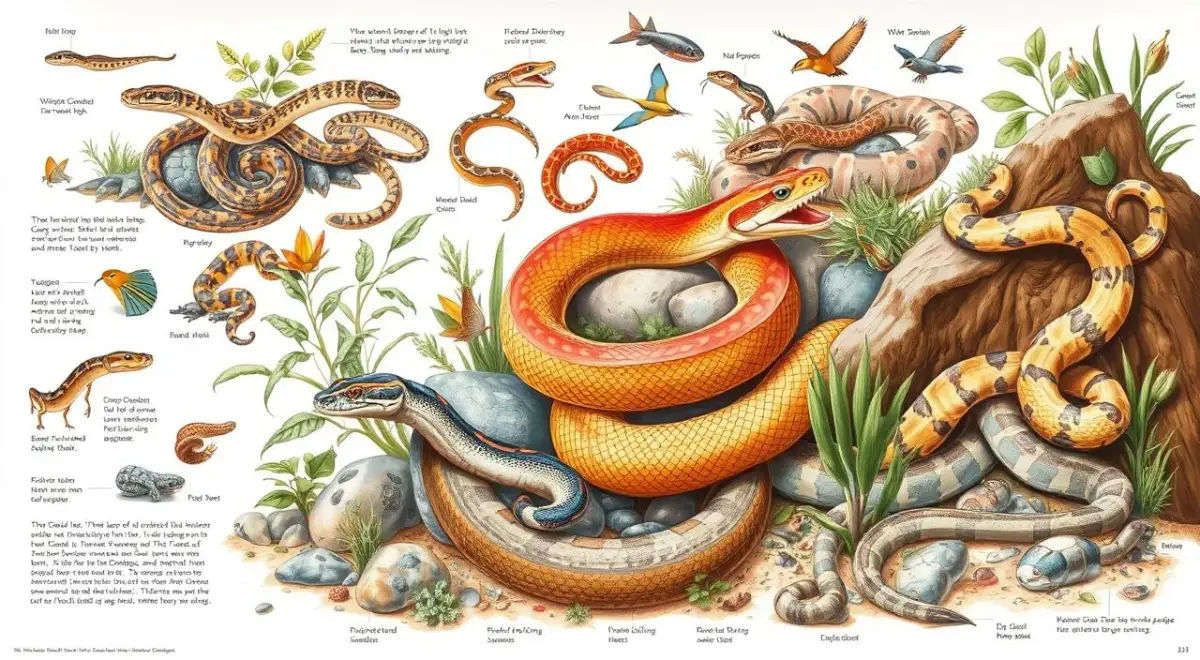
Learning about snakes helps overcome the fear of them. Knowing how they behave and what they are can lessen the fear. This can transform fear into curiosity and respect.
When we learn about snakes, we dispel common misconceptions. This helps us have a better relationship with them. Knowing the truth reduces fear and makes us think more rationally.
Getting to Know the Different Species
- Identify characteristics of local snakes.
- Distinguishing between venomous and non-venomous species
- Understanding their natural habitats
- Understanding your role in the ecosystem
Safety and Prevention Measures
Knowing how to protect yourself reduces anxiety about encounters with snakes. Some important strategies include:
- Recognizing signs of the presence of snakes
- Learn safe distancing techniques
- Use appropriate protective equipment.
- Keep environments clean and organized.
Learning about snakes not only protects you, but also promotes respectful coexistence with them.
Benefits of Clinical Hypnosis

Hypnosis for ophidiophobia is a new technique for treating fears. It helps to change deep emotional reactions, allowing patients to see their phobias in a different light.
In hypnosis, the person becomes very focused and relaxed. This makes them more open to helpful suggestions. Therefore, memories and reactions to the fear of snakes can change.
- Reducing specific anxiety
- Reprogramming emotional responses
- Increased psychological resilience
- Regaining emotional control
The advantages of hypnotic treatment are numerous. One of them is working with the subconscious. This helps to change reactions in a deeper and more lasting way.
| Technique | Benefit |
|---|---|
| Clinical Hypnosis | Modifying fear patterns |
| Therapeutic Suggestion | Emotional reinterpretation |
| Deep Relaxation | Reducing anxiety |
Hypnosis doesn't completely eliminate fear, but it offers powerful tools to manage it in a more balanced and conscious way.
Professional Support and Support Groups

Ophidiophobia can be difficult, but the right support helps a lot. Specialized therapy for ophidiophobia helps to confront this fear.
Support groups are very important. They are safe places to share and learn together. There, people find comfort and support.
- Benefits of support groups:
- Reducing emotional isolation
- Exchange of practical strategies
- An environment of understanding and empathy.
Professional therapy is very helpful. Psychologists create plans to overcome the fear of snakes. They work one-on-one, personalizing the treatment.
| Type of Support | Main Features | Benefits |
|---|---|---|
| In-Person Support Groups | Regular meetings | Direct interaction and immediate support. |
| Online Support Groups | Flexibility and accessibility | Global connection, anonymity |
| Individual Therapy | Personalized approach | Specific treatment for each case. |
Specific phobias often begin in childhood or adolescence. Professional support and support groups are essential to overcome these fears.
Seeking help is not a sign of weakness. It is an act of courage to overcome fear.
Self-hypnosis and visualization techniques
Self-hypnosis is very helpful in treating phobias. It allows people to control their fears. This creates a safe space in the mind.
Visualization for ophidiophobia changes the way we see snakes. It transforms fear into better understanding. This technique works with the psychological mechanisms of the phobia.
Practical Self-Hypnosis Exercises
- Find a calm and quiet place.
- Take a deep breath and close your eyes.
- Imagine a safe and peaceful place.
- Look at a snake from a distance without fear.
- Practice controlled breathing
Positive Affirmations
Some affirmations can boost your confidence:
- "I am safe and in control"
- "I can manage my thoughts about snakes."
- "My fear doesn't define who I am."
| Technique | Benefits |
|---|---|
| Self-hypnosis | Reducing anxiety |
| Visualization | Emotional reinterpretation |
| Statements | Mental strengthening |
Practicing these techniques regularly helps a lot. They can greatly improve the control of ophidiophobia. This allows for a more balanced relationship with the fear.
Conclusion
Overcoming ophidiophobia is a personal journey that requires courage and commitment. Conquering the fear of snakes doesn't happen overnight. But with the right strategies, it's possible to transform that fear into understanding and respect.
Cognitive-behavioral therapy and gradual exposure techniques are very effective. They help those who want to overcome ophidiophobia. Each step taken is a victory against fear, allowing for a safer connection with nature.
Specialized professionals are essential in this process. They offer fundamental support. By seeking help and remaining determined, it's possible to change your perspective on snakes. This reduces anxiety and regains emotional control.
How about scheduling a free 20-minute session with Therapist Fabio Morus? He can help you take the first step towards a lighter and more balanced life. Click here to schedule!
The key to overcoming the fear of snakes is knowing and confronting your own limitations. With patience and support, the journey of overcoming ophidiophobia can be liberating.
Source Links
- The Fear of Snakes and How to Overcome Ophidiophobia
- Ophidiophobia (Fear of Snakes): Causes, symptoms, treatments - Psicoativo ⋆ Universe of Psychology
- Snake Phobia: Overcoming Ophidiophobia
- Everything about phobias: what are the types, who suffers from them, and how to treat them? - Santa Monica Hospital
- Phobia: what it is, types, symptoms, and how to treat it.
- Neuroscientists offer evolutionary explanation for the fear of snakes.
- What are you afraid of?: Although associated with something bad, fear is essential for evolution and survival.
- Ophidiophobia
- Snake phobia (ophidiophobia): causes, signs and treatments - Clinical Psychoanalysis
- Overcoming Panic: Ophidiophobia and Its Treatment
- Fear of Snakes: Understanding Ophidiophobia and Its Effects
- Most common phobias: symptoms, causes, and treatments
- Overview of Anxiety Disorders - Psychiatric Disorders - MSD Manuals Professional Edition
- Break Your Fears and Be Happy - Psychopathology
- Phobias: Learn About the Types, Symptoms, and Effective Treatments
- ☯ 5 Main Symptoms of Specific Phobias, Causes and Treatments | Dr. Paredes
- Anxiety Disorders - Module 01 - Psychopathology
- Phobia - Treatment and Hospitalization at Santa Monica Hospital
- Phobias: 10 most common, symptoms and treatments
- Repressed by Phobias — Watchtower ONLINE LIBRARY
- Psychopathology Notes - Professor Adelmo
- Excessive fear of snakes can become a phobia; understand why.
- Fear of spiders and snakes? This method can help those with a fear of spiders overcome their phobia.
- What it is: Snake phobia - Espaço Mente Viva | Psychiatrist in Juiz de Fora
References
- Fredrikson M, Annas P, Fischer H, Wik G. Gender and age differences in the prevalence of specific fears and phobias. Behaviour Research and Therapy. 1996;34(1):33-39.
- Wardenaar KJ, et al. The cross-national epidemiology of specific phobia in the World Mental Health Surveys. Psychological Medicine. 2017;47(10):1744-1760.
- Choy Y, Fyer AJ, Lipsitz JD. Treatment of specific phobia in adults. Clinical Psychology Review. 2007;27(3):266-286.
🌟 Have you considered seeking a therapist to support your well-being journey?
If this article sparked reflections about positive changes in your life, perhaps now is the ideal time to take the next step. Do you know hypnosis as a therapeutic tool? This approach can be surprisingly effective for various personal challenges.
Special offer: Book a free 20-minute consultation with therapist Fabio Morus and discover how therapy can transform your life.
✨ No commitment — Completely free — 20 minutes that can make a difference
👉 Click here to book your free consultation
Don't postpone your well-being any longer. The first step to change is just one click away.