
Introduction
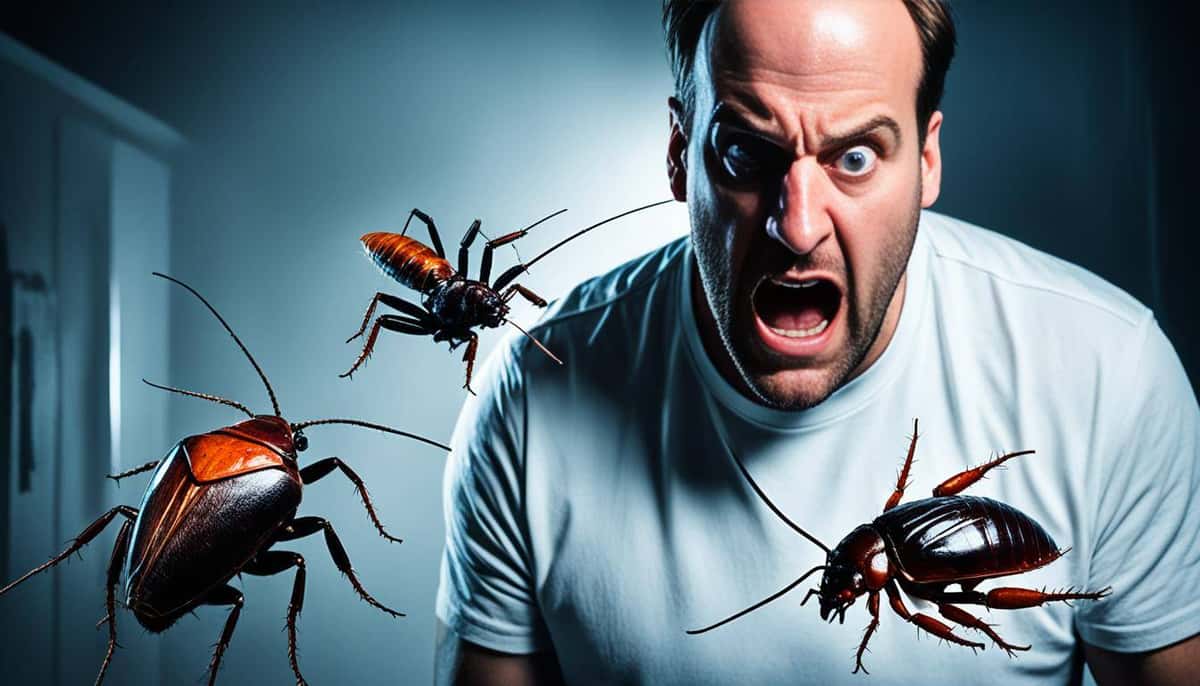
Did you know that the fear of cockroaches is one of the most commonly reported insect fears? This phobia, called Katsaridaphobia, can keep us confined to our homes and affect our lives in unexpected ways. This article will show you how to overcome this phobia in just five easy steps. We'll learn tools and techniques to face this fear.
Cockroach phobia is not just a minor annoyance. It can cause anxiety, increased heart rate, and panic attacks. This leads many people to avoid leaving home or spend a lot of money on cockroach -killing products. Cognitive behavioral therapy is an effective form of treatment Let's look at self-help techniques, insights into therapy, and ways to cope with the challenge.
Evidence summary: Cockroach phobia (katsaridaphobia) is classified as a specific phobia of the animal subtype — the same diagnostic group as fear of frogs, snakes and other insects — and gradual exposure therapy is among the most effective interventions in all of psychotherapy for this group of disorders (Choy, Fyer & Lipsitz, Clinical Psychology Review, 2007).
Learn More
What is cockroach phobia?
Cockroach phobia, also called katsaridaphobia or blatophobia, is a very strong and unfounded fear. This fear can greatly affect the lives of those who have it. It's not just about disliking insects; it can cause strong physical and emotional reactions.
Definition and symptoms
People with a phobia of cockroaches may experience various symptoms, such as nausea, dizziness, and difficulty breathing. Approximately % of people worldwide have this fear. Some may even experience reactions such as screaming, paralysis, and excessive sweating.
These people may avoid places where they might encounter cockroaches. This can distance them from friends and family The fear and symptoms can greatly affect their social life and quality of life.
Difference between fear and phobia
Fear and phobia are different things. Fear is a natural reaction to dangerous situations. A phobia is a very strong fear that prevents you from doing normal things. The fear of cockroaches may stem from the idea that they are dirty and can transmit diseases.
On the other hand, a phobia of cockroaches can cause people to have negative fantasies about them. They may think they could be bitten or poisoned.
How might a phobia of cockroaches affect your life?
Cockroach phobia, or Catsaridaphobia, affects more than just the moment of encountering the insects. It can profoundly and generally change the lives of those who have it. People with this phobia react strongly when they see cockroaches, with symptoms such as a racing heart and rapid breathing. This can lead to a fear of leaving home or being in places where cockroaches might be present, affecting social relationships and potentially causing isolation.
Impacts on quality of life
Having a phobia of cockroaches can make it difficult to participate in social events. A person may feel constantly on alert for fear of encountering cockroaches. Surveys consistently show that fear of insects and arachnids is widespread in the general population. This can lead to a very clean home and avoidance of places that appear to have insects, creating a cycle that is difficult to break.
Social and emotional effects
Cockroach phobia also affects social and emotional life. It can harm relationships with other people and cause prejudice. The phobia can be seen as a sign of anxiety or weakness. Specific phobias are among the most common anxiety conditions in young people, and without help they can feed loneliness and low mood.

Causes of cockroach phobia
Cockroach phobia, or Catsaridaphobia, stems from evolutionary factors and social learning experiences. These factors cause us to fear these insects. Many humans avoid cockroaches because they associate them with disease, which explains the panic we feel.
Culture and social environment also influence our fears. They help to form these phobias.
Evolutionary and biological factors
Cockroaches are resistant to insecticides because of genetic mutations These mutations allow them to survive in dirty environments. This reinforces the fear of contamination, linked to dirt and disease.
So, the phobia of cockroaches is not just an irrational fear. It's an evolutionarily developed survival mechanism.
Traumatic experiences and social learning
How we learn to react to fear is crucial in the formation of phobias. Traumatic experiences, especially in childhood, can increase the fear of cockroaches. Many cases of childhood phobia improve over time, but some persist.
Observing how other people react to cockroaches can influence our fear. This can lead to lifelong avoidance behaviors.
| Factor | Description |
|---|---|
| Evolutionary Factors | Development of an aversion to creatures associated with disease. |
| Traumatic Experiences | Stressful events in childhood that can intensify fears. |
| Social Learning | Observing reactions to fear among family and friends. |
Recognizing the symptoms of cockroach phobia
It is very important to know how to recognize the symptoms of cockroach phobia. This phobia affects our lives in many ways. It can cause tachycardia, sweating, and even tremors.
Furthermore, intense panic and anxiety can arise. This makes it difficult to live in places where cockroaches may be present.
Physical and emotional reactions
When we see cockroaches, the body reacts intensely. You may feel tingling and your pupils may dilate. In addition, many people experience a great deal of fear.
This fear can cause them to avoid certain situations. This greatly affects their quality of life.
When to seek professional help
It's important to know when to seek help. If your cockroach phobia is significantly affecting your daily life, it's time to seek treatment Behavioral therapies can be very helpful.
With treatment, it's possible to regain control over fear. This is the first step in overcoming it.
Self-help techniques for dealing with cockroach phobia
To overcome cockroach phobia, there are several self-help techniques. They help control anxiety and cope with fear. Practicing relaxation techniques is very effective. It improves mental and physical well-being.
Relaxation and breathing practices
Deep breathing exercises are great for calming the mind. We can add practices like meditation or mindful breathing to our routine. These relaxation techniques reduce stress and improve focus, helping to control anxiety. Muscle relaxation also helps reduce the stress response.
Gradual exposure to fear
Gradual exposure to fear is another effective technique. It involves gradual contact with the object of fear, which is the cockroach. We begin by visualizing images of cockroaches and, little by little, interacting with them in controlled environments. This practice helps to desensitize the negative emotional response and break the cycle of fear. Having a professional for guidance can improve results. </sup>
How can cognitive behavioral therapy help?
Cognitive behavioral therapy (CBT) is an effective way to treat cockroach phobia. It focuses on changing negative thoughts about cockroaches. This helps us to view our fears more rationally.
Principles of cognitive-behavioral therapy
In CBT for cockroach phobia, we use techniques such as cognitive restructuring. This helps to correct thoughts that increase anxiety. Phobias can affect our lives, harming relationships and daily life.
Studies show that CBT is effective against social phobias. This demonstrates its potential to overcome various phobias.
Cognitive restructuring techniques
An important technique in CBT is cognitive restructuring. It helps to deal with the anxiety of phobias. Through psychoeducation, we explain the disorder and how it works, reducing anxiety.
The progressive exposure technique helps to familiarize the patient with the phobia. This is done by gradually increasing exposure to stimuli related to the phobia. This process is crucial for reducing the negative impact of the phobia.

The importance of professional help for cockroach phobia.
Seeking professional help for cockroach phobia is very important. This helps to deal with the intense and irrational fear, called katsaridaphobia. This fear can range from simple apprehension to complete aversion to cockroaches.
Professionals offer the necessary treatment for cockroach phobia. This may include cognitive behavioral therapy and gradual exposure techniques.
Therapy not only helps overcome fear, but also allows for the creation of personalized strategies. This takes into account common negative associations, such as cockroaches and dirt With the right treatment, the symptoms of katsaridaphobia, such as anxiety and panic attacks, can be controlled.
Professional support is crucial, especially for children. They can learn to fear things from observing their family members A safe therapeutic environment helps to overcome fear gradually and consciously. This shows the importance of seeking professional help for cockroach phobia in this process.
| Aspect | Description |
|---|---|
| Name of the phobia | Katsaridaphobia |
| Impact on life | Intense fear that can affect quality of life and social relationships. |
| Statistics | 1 in 10 people have some degree of katsaridaphobia. |
| Treatments | Cognitive-behavioral therapy and gradual exposure |
| Alternative treatments | Hypnosis and life coaching |
Overcoming cockroach phobia in 5 steps
Overcoming a fear of cockroaches is a challenge, but it's possible with dedication. By following five steps, we can confront and lessen our fear of these insects.
Step 1: Acknowledge the problem
Admitting that we have a phobia is the first step. It's crucial to recognize that anxiety affects our routine and quality of life.
Step 2: Research information about cockroaches.
Learning about cockroaches can help demystify them. Knowing about their habits and how they live in our homes can reduce fear.
Step 3: Practice relaxation techniques
Relaxation practices, such as meditation and deep breathing, are essential. They help control anxiety and cope with cockroaches.
Step 4: Gradual exposure
Gradually exposing oneself to the object of the phobia is an important strategy. Starting with videos or photos and progressing to interactive situations is a good approach.
Step 5: Assess progress and seek support.
Assessing our progress is crucial. Seeking support from mental health professionals is a good strategy. Psychological treatment can be effective within two months.

These five steps aim to reduce the level of alertness and control negative feelings. Psychological treatment is an effective solution for those who are afraid of cockroaches.
Myths and truths about cockroach phobia
Myths about cockroaches create a false image of these insects. Many people think that all cockroaches are dangerous. But in fact, there are more than 4,000 species of cockroaches, including more than 640 in Brazil Not all are dangerous. Some are good for the environment, helping to recycle nutrients.
Demystifying cockroaches
Understanding cockroaches better helps to dispel myths. They can carry diseases such as tuberculosis and diarrhea, which scares many people But, taking good care of your home and managing waste can prevent infestations. They multiply quickly, but a clean environment can control them See more information here.
How knowledge helps in overcoming challenges.
Knowing cockroaches well helps overcome fear. By understanding them better, we see these insects more logically. Knowing that they are resistant to insecticides and are more active at night can be viewed differently. With the right knowledge, we can learn to deal with fear and live better.
Alternative treatments for cockroach phobia
There are alternative treatments for those with a phobia of cockroaches, such as hypnosis and other therapies. Hypnosis can be a good choice, as it helps to change how you feel and perceive the fear. It uses regression techniques to find what caused the fear and change the meaning of those events.<sup>
Hypnosis and its applications
Hypnosis can be very useful for those who have a phobia of cockroaches. Instead of forcing the person to confront the insect, it helps them feel safe when dealing with the situation. This allows the person to change how they react to fear and learn to control their emotions.19 This approach can bring about lasting changes in behavior and perception.20
Other complementary therapies
Besides hypnosis, other therapies can help overcome cockroach phobia. Practices such as meditation, mindfulness, and holistic approaches are good options. They help reduce anxiety and increase awareness of one's own body and emotions. These techniques are important in the treatment of phobias and fears, offering emotional support during recovery.

| Type of Treatment | Description | Effectiveness |
|---|---|---|
| Hypnosis | It helps to modify the perception of fear and the emotional response. | High, especially when guided by experienced professionals. |
| Meditation | It increases awareness and reduces anxiety through relaxation practices. | Medium-sized, effective as a complement to other therapies. |
| Mindfulness | It promotes acceptance of fear and teaches coping strategies. | High altitude helps to create distance from fear. |
| Holistic Approaches | Integration of different practices to treat the mind and body. | On average, it varies based on the individual's needs. |
The future of treating cockroach phobia.
The evolution in the treatment of cockroach phobia is growing. Research and therapies are seeking new approaches to improve results. It is a common fear across cultures. People seek quick and effective treatments, as many do not find success with traditional methods.
Trends in research and therapy
Therapies are becoming more varied, such as hypnotherapy. A recent case showed that a client achieved success in just one hypnotherapy session, after years of unsuccessful treatments.21 This may indicate a future with faster and more effective treatments for cockroach phobia.
Use of technology and innovative therapies
Technology is transforming the treatment of phobias. Virtual reality apps and therapies are changing how we deal with fears. Technology makes access to innovative therapies easier, increasing adherence and results. This can help overcome resistance to traditional treatments.

| Technique | Treatment Duration | Effectiveness |
|---|---|---|
| Conventional treatments | Years of therapy | Limited results |
| Hypnotherapy | A session | Quick and positive results |
| Technology-Based Therapies | Variable | Accessibility and engagement |
The future of cockroach phobia treatment looks promising. The combination of traditional and technological methods may help people overcome their fears more effectively.
Conclusion
Overcoming cockroach phobia can greatly improve your life. Knowing that entomophobia is a strong and unfounded fear is the first step. This helps us to understand and treat it better.
To overcome this, it's important to identify the symptoms and what causes them. This could be something that happened in the past. Then, we use relaxation techniques and therapy to improve.
Treating cockroach phobia requires a plan and help from professionals. They teach you how to deal with the fear little by little. In addition, deep breathing and meditation help control emotions.
To overcome a phobia, it's important to seek help and follow a plan. With effort and the right techniques, it's possible to overcome the challenge and return to a good life.
Find a therapist. Schedule your free 20-minute session now.
FAQs
Listen to this podcast about the fear of cockroaches, have fun learning:
Cockroach phobia, or Katsaridaphobia, is a very strong and unfounded fear of cockroaches. This can greatly affect people's daily lives.
What are the symptoms of cockroach phobia?
Symptoms include anxiety, rapid heartbeat, dizziness, excessive sweating, and panic attacks. This happens when the person is near cockroaches or thinks about them.
What is the difference between fear and phobia of cockroaches?
Fear is a normal response to a threat. A phobia, however, is a very strong and uncontrollable reaction. It can significantly affect a person's life.
How might a phobia of cockroaches affect my quality of life?
This phobia can cause you to avoid places and activities. This can cause stress and lead to isolation.
What are the causes of cockroach phobia?
The causes include evolutionary factors, traumatic childhood experiences, and what we learn from other people.
When should I seek professional help to treat my cockroach phobia?
Seek help when fear begins to affect your daily life and your quality of life.
Does a person lose their memory of what happened during hypnosis?
Myth. In most cases, the person remembers what happened, although in certain cases there may be temporary amnesia.
What self-help techniques are effective for dealing with cockroach phobia?
Techniques such as deep breathing and meditation help. Gradual exposure to fear is also useful.
How can cognitive behavioral therapy help with cockroach phobia?
Therapy helps to change negative thoughts about cockroaches. This allows one to confront the fear more effectively.
What are the benefits of seeking professional help for cockroach phobia?
Professionals offer personalized treatments, such as cognitive behavioral therapy. This increases the chances of overcoming the phobia.
What are the steps to overcome a cockroach phobia?
The steps include recognizing the problem, learning about cockroaches, using relaxation techniques, and gradually exposing yourself to the problem. It's important to have professional support.
Are there myths about cockroach phobia that we should debunk?
Yes, there are many myths about cockroaches. Debunking them can help those with a phobia to better understand these insects.
What alternative treatments are available for cockroach phobia?
Treatments such as hypnosis and complementary therapies, like mindfulness and meditation, are effective.
What are the innovations in the treatment of cockroach phobia?
Research is exploring innovative therapies, such as technology, apps, and virtual reality. This helps to deal with phobias more effectively.
References
- Wardenaar KJ, et al. The cross-national epidemiology of specific phobia in the World Mental Health Surveys. Psychological Medicine. 2017;47(10):1744-1760.
- Choy Y, Fyer AJ, Lipsitz JD. Treatment of specific phobia in adults. Clinical Psychology Review. 2007;27(3):266-286.
- Öst LG. One-session treatment for specific phobias. Behaviour Research and Therapy. 1989;27(1):1-7.
🌟 Have you considered seeking a therapist to support your well-being journey?
If this article sparked reflections about positive changes in your life, perhaps now is the ideal time to take the next step. Do you know hypnosis as a therapeutic tool? This approach can be surprisingly effective for various personal challenges.
Special offer: Book a free 20-minute consultation with therapist Fabio Morus and discover how therapy can transform your life.
✨ No commitment — Completely free — 20 minutes that can make a difference
👉 Click here to book your free consultation
Don't postpone your well-being any longer. The first step to change is just one click away.