
When someone is diagnosed with Functional Neurological Disorder (FND), one of the first questions that comes up is: “Why is this happening to me?”
You may have had dozens of tests. MRI scans, EEGs, neurological evaluations. All come back normal. But the symptoms remain: non-epileptic seizures, weakness in the legs, tremors, changes in speech or vision.
Your body is reacting to something. And in many cases, that “something” has a name: trauma.
The relationship between FND (also known as Conversion Disorder) and Post-Traumatic Stress Disorder (PTSD) is one of the most studied areas in neuropsychiatry — and one of the most revealing for those trying to understand their own symptoms.

What does the science say about FND and trauma?
People with FND report, on average, three times more adverse life experiences than the general population. This includes physical, emotional, or sexual abuse in childhood, neglect, domestic violence, traumatic losses, and prolonged high-stress events.
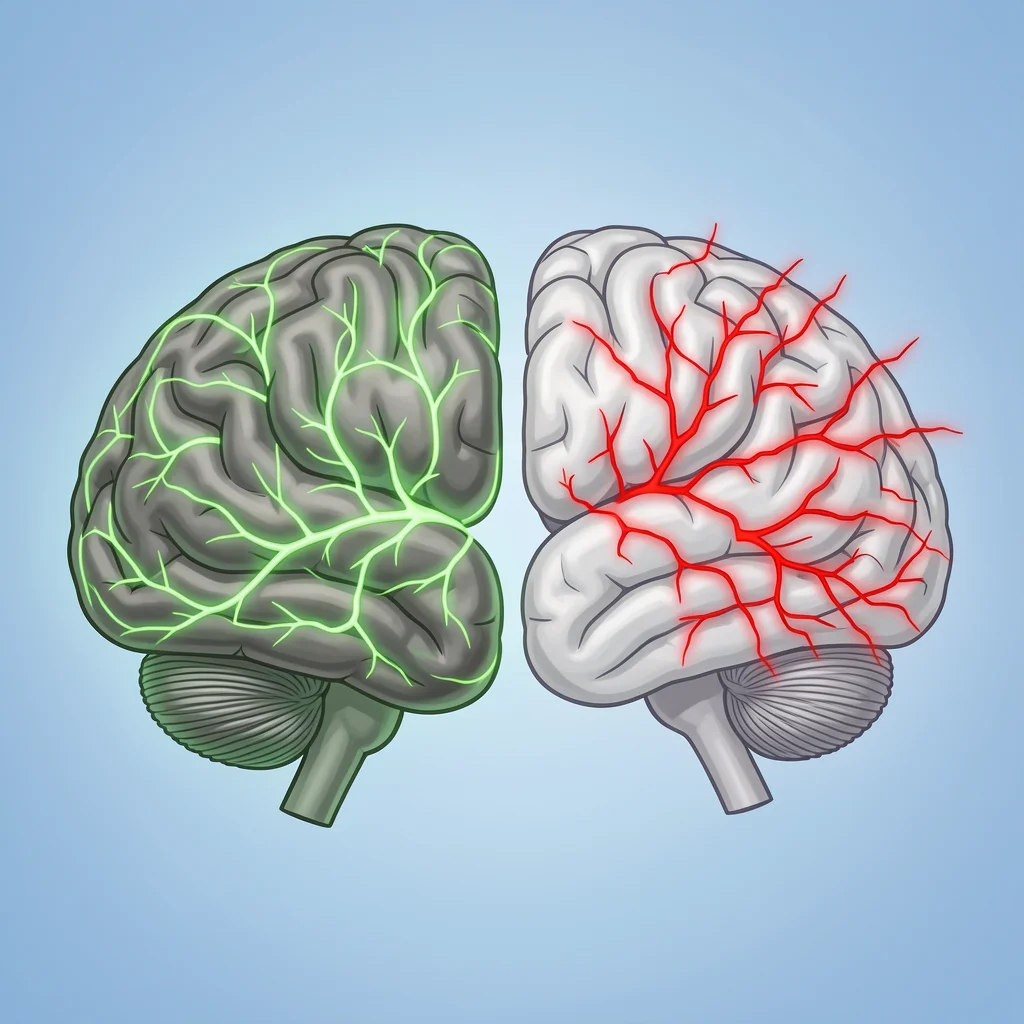
It is not that trauma directly “causes” FND in a simple linear way. The relationship is more complex. But functional neuroimaging studies reveal something game-changing: the brain of a person with a trauma history processes emotions and motor commands differently.
Specifically, what the scans show:
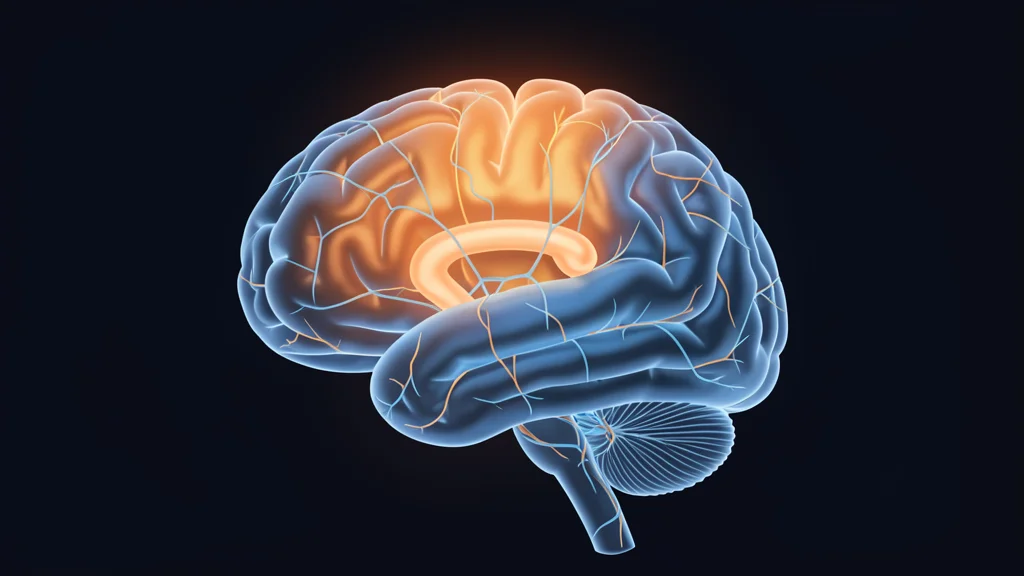
- The amygdala — the brain’s emotional processing center — becomes hyperactive in response to negative emotional stimuli
- This hyperactivity interferes with motor areas such as the Supplementary Motor Area (SMA), responsible for initiating and planning movement
- The consequence: the brain “shuts down” or alters neurological functions in response to emotional stress
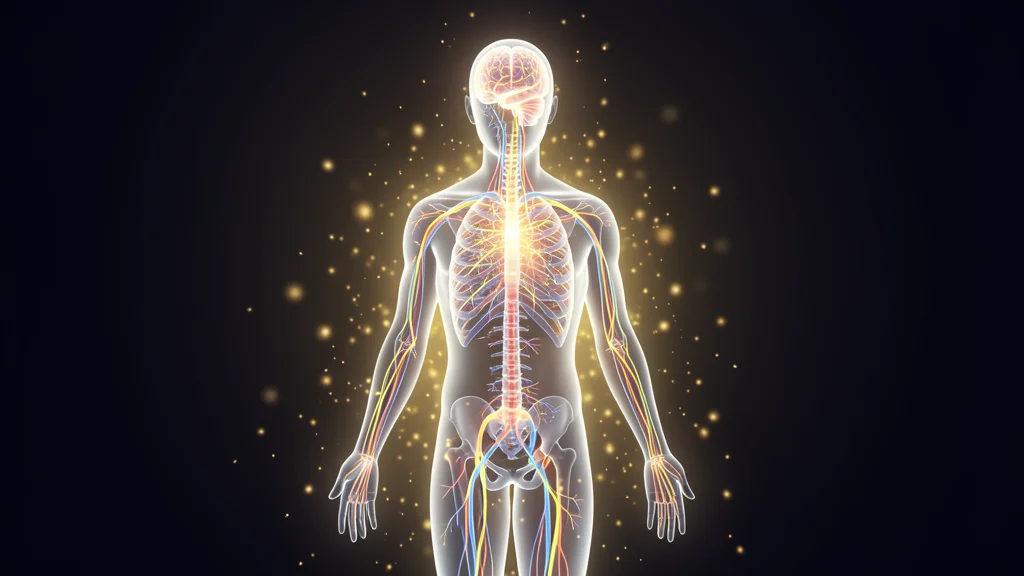
It is as if the nervous system learns, over years of trauma exposure, to translate psychological suffering into physical symptoms. This is not faking. It is neurobiology.
Why do PTSD and FND appear together?
PTSD is known for flashbacks, hypervigilance, and nightmares. But it also shares deep mechanisms with FND:
1. Dissociation
In both PTSD and FND, dissociation — that feeling of disconnection between body, thoughts, and identity — appears frequently. In PTSD, it works as a defense mechanism against intrusive memories. In FND, it can manifest as a “shutdown” of motor or sensory functions.
2. Emotional dysregulation
The difficulty of regulating intense emotions lies at the core of both conditions. In both, minor situations can trigger disproportionate emotional and physical responses, because the brain’s alarm system is calibrated to “emergency” mode.
3. Altered brain connectivity
Neuroimaging studies show that prolonged trauma alters communication between brain networks. The areas meant to “curb” stress responses lose efficiency, while the alert areas remain on maximum readiness.
People with FND are not “somatizing” in the old sense of the term. Their brains are literally processing the world differently.

What is the most effective treatment for FND and trauma?
The good news is that treatments have advanced significantly over the past decade. When trauma and FND coexist, the approach must be integrated.
Cognitive Behavioral Therapy (CBT)
CBT has the most scientific evidence for FND with functional seizures. Two randomized clinical trials showed significant symptom improvement. A third multicenter study — the CODES Trial in the United Kingdom — is underway with promising results.
CBT for FND teaches you to identify emotional triggers that precede symptoms, break the “thought → emotion → physical symptom” cycle, develop relaxation strategies, and reduce avoidance behaviors that worsen the condition.
In clinical practice, I have worked with patients who, after 12 to 14 CBT sessions, reduced functional seizures by over 70%. This does not happen overnight — but it does happen.
Hypnotherapy for trauma and FND
Hypnotherapy plays a special role in this field. It directly accesses the dissociative mechanisms that link trauma to physical symptoms.
During the hypnotic trance, the brain enters a state of focused attention where it is possible to reprocess traumatic memories without the same emotional impact, reestablish communication between brain areas that have become “disconnected,” and create new neurological responses to old triggers.
Clinical hypnosis is not mysticism — it is a neuroscience-backed tool. A study published in the Journal of Neuropsychiatry (2024) showed that hypnosis can even aid in the differential diagnosis of functional seizures during video-EEG monitoring.
EMDR (Eye Movement Desensitization and Reprocessing)
EMDR is another approach with growing evidence. It combines bilateral stimulation (usually guided eye movements) with the controlled evocation of traumatic memories, allowing the brain to reprocess them adaptively.
For patients with FND and trauma, EMDR offers a path that does not rely on extensive verbalization — particularly useful when symptoms include speech difficulties.
How do I find a therapist specialized in FND and trauma?
If you have FND symptoms and suspect past trauma may be involved, here are practical steps:
-
Find a professional with experience in FND and trauma: Not every therapist understands the intersection between functional neurology and trauma. Ask about their specific experience before booking. See our guide on how to find a psychologist for FND.
-
Consider a neuropsychiatric evaluation: A psychiatrist with neuropsychiatry training can help map the relationship between your neurological symptoms and your emotional history.
-
Get information from reliable sources: Websites like FND Hope International and the FND Society offer up-to-date materials on evidence-based treatment.
-
Do not underestimate basic self-care: Regular sleep, balanced nutrition, and moderate physical activity are the foundation for any neurological recovery process.
Is FND linked to other disorders besides PTSD?
Yes. Beyond PTSD, FND is associated with depression and anxiety disorders. The link between FND and chronic stress is also well documented.
What do all these conditions have in common? Nervous system dysregulation. That is why integrated treatment — addressing neurological and psychological aspects simultaneously — shows the best results.

Take the first step
Living with FND is already challenging. Carrying the additional weight of unprocessed trauma makes everything harder — but it also points to a clear treatment path.
If you recognized your story in this article, know that treatment exists. It is not quick and it is not magic — it is consistent therapeutic work. But it is work that works.
If you would like to better understand how hypnotherapy can help in your case, check out the free e-book Zero Anxiety — a practical guide with techniques you can start applying today.
And if you would prefer to talk directly, get in touch with me. I would be happy to hear your story and think through the next steps together.