

Did you know that hypnosis can be a powerful therapeutic tool in the treatment of anxiety? Can this ancient technique really access our subconscious and help us overcome fears and insecurities? In this article, we will explore the fascinating world of hypnotherapy . We will discover how it can be applied to improve our mental health.
Hypnosis, often misunderstood, is a natural mental state. In this state, a person becomes more receptive to positive suggestions. Renowned hypnotherapist David Spiegel estimated that he had hypnotized over 7,000 patients.
Studies show that hypnosis can be effective in treating various conditions. This includes chronic pain and anxiety disorders. Let's better understand how this technique works and its benefits for mental health.
What is hypnotherapy?
Hypnotherapy is a technique used when the patient is in a state of hypnosis. In this state, the subconscious mind takes control . This helps the patient to focus more and ignore things around them .
Definition and basic concepts
To enter hypnosis, inductions are used to relax the body and mind . According to Gerald Kein, the mind has three parts: unconscious, conscious, and subconscious . The critical factor decides which ideas enter the subconscious, creating mental programs.
How can hypnosis help treat anxiety?
Hypnosis is very helpful against anxiety and panic attacks . It uses hypnosis techniques tailored to each patient. These techniques begin with relaxation suggestions, helping the patient to focus and ignore the world around them .
Studies using magnetic resonance imaging show that the brain changes when under hypnosis 3. This improves the treatment of anxiety and other problems 3 .
https://www.youtube.com/watch?v=1Kmw1og0FrA
" Hypnotherapy is generally more effective and faster than other conventional treatment methods." 2
Hypnotherapy for anxiety also helps with other problems, such as addictions and stress . It acts directly on the subconscious mind, bringing better results.
Benefits of Hypnotherapy
Hypnotherapy helps many people, not just those with mental health problems. Fernanda Barros Colombo, a hypnosis specialist, says that it uses a special state of consciousness to bring benefits .
Improves sleep and relaxation.
With hypnotherapy, anxiety decreases and sleep improves. This helps those who suffer from insomnia, nightmares, and sleepwalking 5. It also relieves chronic pain, such as migraines and fibromyalgia, improving patients' lives 5 .
It helps control chronic pain.
A study showed that hypnotherapy reduces chronic pain in many cases.6 It is a good option for those with persistent pain, improving patients' lives.
It gives new meaning to traumas and negative emotions.
Three children or teenagers are sexually abused every hour in Brazil . Hypnotherapy helps overcome these traumas, reducing the negative emotional burden.
Overcome fears and insecurities.
Hypnotherapy also helps with addictions, such as alcoholism and smoking 5. It improves self-esteem and self-control, overcoming fears and insecurities 5 .

"Hypnosis can help increase self-esteem and build self-control." - Fernanda Barros Colombo, specialist in clinical hypnosis 4 .
In conclusion, hypnotherapy offers many health benefits. It improves sleep, promotes relaxation, and helps overcome traumas and fears. With the help of professionals, hypnosis is a good option for many health problems.
How does hypnosis work?
Hypnosis is a topic that many people enjoy and have questions about. But it's important to know that it's recognized by science . Hypnotherapy is very helpful, with success in 90% to 95% of cases . To change from a negative to a positive state, 6 to 7 sessions are usually necessary.
Myths and truths about hypnosis
Many people have negative thoughts about hypnosis. But it's false that it's a state of sleep. In fact, it's a state of deep attention and relaxation. Several professionals, such as psychologists and doctors, recognize hypnosis as a valid practice.
To be hypnotized, it's important to be open and receptive. It's not possible to do things unintentionally during the session . Hypnosis helps to better understand the problem by accessing the unconscious .
Hypnosis is an effective therapeutic tool for various conditions, such as pain and anxiety 8 .
https://www.youtube.com/watch?v=voyMxjmBmNI
Understanding that hypnosis is safe and effective is crucial. It is used to treat various conditions, such as addictions and eating disorders .
"Hypnosis is an effective therapeutic tool for various physical and emotional conditions, such as pain, anxiety, and mood disorders." 8
| Type of Hypnotic Trance | Features |
|---|---|
| Light Trance | Catalepsy, decreased movement, slow breathing and pulse, ideomotor signs. |
| Medium Trance | More pronounced catalepsy, facial muscles relax, swallowing movement decreases, ideomotor signs, eye movements, and slow breathing. |
| Deep Trance | Similar to the stage before sleep, rapid eye movements (REM sleep) may occur, the eyes may become glazed, fixed, or vacant, the person may talk and walk as in sleepwalking, and may experience post-hypnotic transient amnesia. |
In conclusion, hypnosis is safe and effective in the hands of a qualified professional. It is important to understand the myths and truths in order to demystify and appreciate its value.
Difference between Clinical Hypnosis and Stage Hypnosis
Hypnosis originated in Egypt more than 4,000 years ago . It is a special state, achieved through techniques such as the pendulum or voice . According to the American Psychological Association, it focuses attention and diminishes consciousness, making the person more receptive to suggestions .
Clinical hypnosis and stage hypnosis are very different . Stage hypnosis is for entertainment, using illusion to control the hypnotized person . Clinical hypnosis, on the other hand, uses techniques such as regression to address health problems .
Clinical hypnosis helps with mental and physical health, without illusionism 10. It is used in clinics and by health professionals 9. In coaching, it helps to overcome challenges and achieve goals 9. Stage hypnosis, on the other hand, is for entertainment and can put the individual in ridiculous situations 10 .

Clinical hypnosis is recognized and used in many countries. It helps in the treatment of various conditions, such as depression and addictions .
In conclusion, clinical hypnosis is an ethical therapeutic tool. Stage hypnosis, on the other hand, is for entertainment, placing the individual in unusual situations.
A Brief History of Hypnosis
The history of hypnosis goes back a long way, with records of its use in ancient cultures such as Babylon, Egypt, Greece, and India. It was used to cure and treat illnesses 12 13. In the 18th century, the Austrian physician Franz Mesmer popularized mesmerism, attending up to 300 patients a day 13 .
In the 19th century, hypnosis was recognized as a medical practice. This was thanks to the physician James Braid, who used the term "hypnotism." He observed the effects of trance on patients 12 13 14. The French physician Charcot also used hypnosis to treat hysteria and other illnesses, helping in its medical acceptance 12 .
The Relationship Between Psychology and Hypnotherapy
The relationship between psychology and hypnotherapy is clear. Great names in psychology, such as Sigmund Freud and Jean-Martin Charcot, helped to understand hypnosis as a psychological practice 14. Freud studied Charcot's method before pursuing his career in psychoanalysis 12 .
Psychologist Milton Erickson developed "Ericksonian hypnosis." This approach is widely used today in psychotherapy.14 It allows the psychologist to use relaxation techniques during sessions.12
https://www.youtube.com/watch?v=8edzzZPiGos
Despite many myths about hypnosis , it is used today in various clinical areas. This includes the treatment of anxiety, depression, phobias and addictions 12 14 .
Hypnosis for Anxiety Treatment
Symptoms of anxiety
Those who suffer from anxiety and panic attacks know how difficult it is to live with these symptoms. They can rob you of peace and quality of life. Symptoms include palpitations, shortness of breath, and difficulty focusing. In addition, there is insomnia, constant fear, and a feeling of loss of control.
How hypnosis helps combat anxiety.
Hypnosis for anxiety is very useful. It uses hypnosis techniques for anxiety that are tailored to each individual . The techniques begin with relaxation suggestions to help the patient focus and disconnect from the world.
In hypnotherapy for anxiety , the patient is awake and does what he wants 15. In clinical hypnosis , the patient relaxes a lot, but does not become unconscious or vulnerable 15 .
Studies show that hypnotherapy changes the brain, making it easier to change thoughts and emotions 15. It can be faster than other therapies and the number of sessions varies 15 .
Hypnotherapy helps to change emotions and overcome trauma 15. It also helps to better understand one's own behavioral patterns 15 .

"Hypnosis has been effective in dealing with acute and chronic pain, being one of the most studied applications of this practice." 16
Experts and Regulation of Practice
According to the Brazilian Society of Hypnosis (SBH), some councils regulate the practice of hypnosis in Brazil . This includes councils for Medicine, Psychology, Dentistry, Physiotherapy, and Nursing 17. However, there is no specific law on hypnosis in the country. Professionals follow the Codes of Ethics of their councils to use hypnotherapy 18 .
Resolution CFP No. 013/2000 allows Psychologists to use Hypnosis as a work tool 17. They must have the right training for this 17. The resolution also prohibits the use of Hypnosis for sensationalist or embarrassing purposes 18 .
A Technical Note from CRP-PR warns about the importance of using hypnosis services based on scientific evidence. This prevents patients from receiving inadequate treatments and potentially experiencing complications. <sup>18</sup>
Psychotherapy and hypnotherapy can be performed by people who are not healthcare professionals, as long as they do not use regulated qualifications.
https://www.youtube.com/watch?v=dNd1pRVAp_U
In conclusion, hypnosis in Brazil is regulated by several councils. Resolution CFP nº 013/2000 is crucial for the use of hypnosis by psychologists. However, it is important to create specific laws and improve oversight to prevent the misuse of hypnosis. <sup>17 18 </sup>
Studies and Scientific Evidence
The scientific evidence regarding hypnosis is becoming increasingly strong 19. In 1990, a tomography device was used to study the brain during hypnosis. This helped to better understand the relationship between hypnosis and science 20 .
Hypnosis began in the 18th century. James Braid started studying it in 1843 and coined the term "hypnosis." He took it from Hypnos, the Greek goddess of sleep.
Studies show that the brain changes when someone is hypnotized. The limbic system functions well, but the neocortex, which controls consciousness, becomes inactive. This makes people more susceptible to suggestions 19 .
Therefore, hypnosis can be a good therapeutic option. It can be more effective and cheaper than other treatments 19 .
Hypnosis helps alleviate various conditions, such as stress, headaches, and addictions . It can also help overcome trauma and anxiety. Furthermore, the effects of hypnosis can be seen faster than with other treatments.
The Federal Council of Medicine recognizes hypnosis as an alternative medicine practice 19. The Federal Council of Dentistry allows the use of hypnosis in anesthesia after 180 hours of training 20 .
Recent studies show that hypnosis can help in several areas, such as hypertension and gastrointestinal problems. Sensitivity to hypnosis varies from person to person 20 .
To measure this sensitivity, the Harvard Group Scale and the Stanford Scale are used. They test how people react to hypnosis 20 .
A 1997 study showed that hypnosis can cause auditory hallucinations. Researcher Henry Szechtman conducted an experiment to test this 19 .
Hypnosis can improve people's quality of life. It has high expectations for results 19. They are looking for new studies to further improve hypnosis 19 .
David Spiegel, from Stanford University, has hypnotized more than 7,000 patients in 50 years. He began studying hypnosis after stopping an asthma attack in just five minutes .
Hypnosis is effective in treating various conditions, such as pain and anxiety. It may be more effective than other treatments. <sup>21</sup>
However, only 10% to 15% of the population is highly susceptible to hypnosis 21. Some famous hypnotists perform shows across Europe, demonstrating the potential of hypnosis 21 .
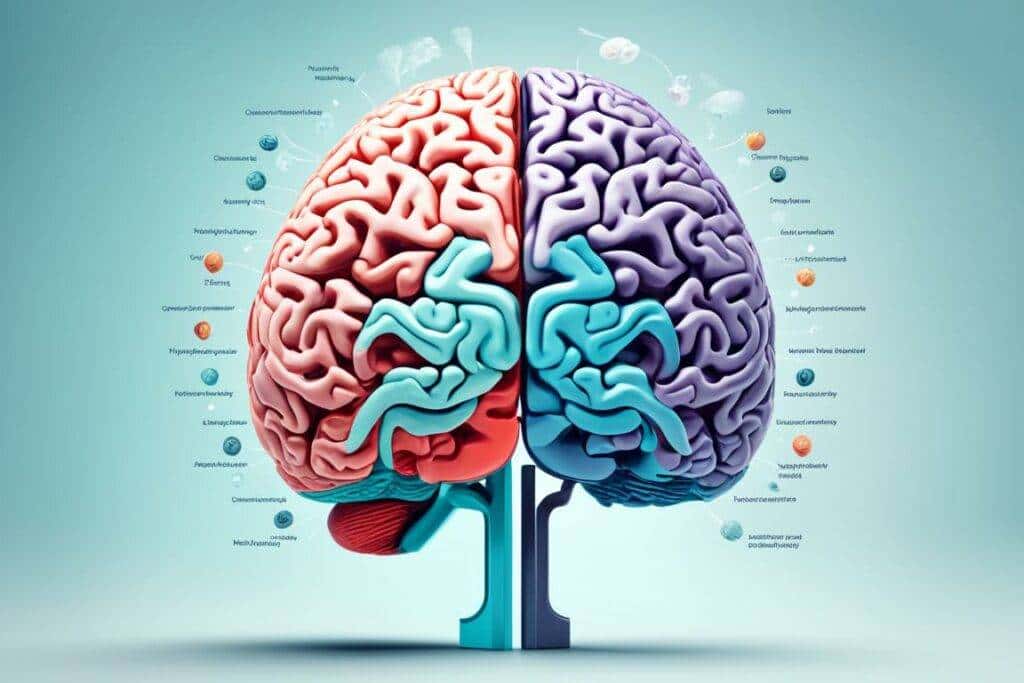
In summary, scientific evidence shows that hypnosis is effective. It can help with various health conditions. Although not everyone is susceptible, the benefits justify interest in and regulation of the practice.
What is a hypnotherapy session like?
Hypnotherapy is a therapeutic process that helps overcome emotional and behavioral challenges. During the session, the patient enters a state of deep relaxation. This allows them to focus better and disconnect from their surroundings.
The first step is the anamnesis, where the therapist understands what the patient needs. Then, hypnosis begins, guiding the patient to an ideal mental state for therapeutic suggestions.
- Medical history: Gathering information about the patient and the problem to be treated.
- Preliminary consultation: The therapist explains the hypnotherapy process and answers questions.
- Beginning of hypnosis: Hypnotic induction techniques to help the patient enter a state of deep relaxation.
- Therapy: The most important phase, where the therapist makes therapeutic suggestions to reframe experiences and transform negative emotions into positive ones 22 .
- New suggestions: The therapist offers new positive suggestions to the patient, enhancing the therapeutic results 22 .
- Emergence from hypnosis: The patient is brought back to a normal state of consciousness.
The number of hypnotherapy sessions varies depending on each case. It is important to be open and willing to undergo treatment. The therapy can help treat problems such as insomnia, depression, and weight loss.
https://www.youtube.com/watch?v=9LBZXpgdAg4
In Brazil, clinical hypnosis is regulated and performed by qualified professionals. The Brazilian Society of Hypnosis (SBH) certifies and ensures the quality of this therapy. <sup>23</sup>
| Hypnotherapy Session Stage | Description |
|---|---|
| Initial Consultation | The therapist gathers information about the patient and their therapeutic goals. |
| Hypnotic Induction | Techniques used to put the patient into a state of deep relaxation. |
| Therapeutic Suggestions | The therapist performs interventions to help the patient achieve their goals. |
| Return to Consciousness | The patient is brought back to a normal state of consciousness. |
Hypnotherapy combines information gathering, hypnotic techniques, and ongoing assessments. It aims to improve the client's quality of life. It can help manage stress and anxiety, improve sleep, and increase self -confidence.
"Hypnosis is a fascinating therapeutic tool that allows patients to access their subconscious and reframe emotional and behavioral issues."
In summary, hypnotherapy is a well-structured and regulated process. It helps patients overcome challenges and improve their lives. By undergoing this therapy, patients can expect a safe and effective experience.
Hypnosis vs. Medication
Changing behaviors is a challenge for everyone. Each person has their own particularities. Anxiety and panic are linked to our thoughts and feelings. Hypnotherapy is a good option for treating these problems. It helps to change the subconscious without the negative effects of medication .
Many people find hypnosis helpful for pain, anxiety, stress, and irritable bowel syndrome 24. It focuses on the root causes of problems. This can lead to better long-term results. Clinical hypnosis is used in various areas of medicine, including the treatment of depression 25 .
Hypnosis can be cheaper, more effective, and have fewer side effects than other treatments 24. This is good for those looking for a natural and effective option. With hypnotherapy, we can change thought and behavior patterns safely and effectively 26 .
FAQ
What is hypnotherapy?
Hypnotherapy uses the hypnotic state to treat emotional and behavioral problems. In this state, the patient is more receptive to the therapist's suggestions. This helps resolve emotional and physical issues.
How can hypnosis help in the treatment of anxiety?
Hypnosis is very useful against anxiety and panic. Hypnotherapy techniques, such as relaxation, help the patient to focus and disconnect from the world. This makes the therapy more effective in improving anxiety.
What are the benefits of hypnotherapy?
Hypnotherapy improves sleep, helps control pain and promotes relaxation. It can also help overcome trauma, negative emotions, and fears.
What are the myths and truths about hypnosis?
A common misconception is that hypnosis and sleep are the same thing. The truth is that science only recognized hypnosis in 1997. To be hypnotized, it's important to be open and receptive.
What is the difference between clinical hypnosis and stage hypnosis?
Stage hypnosis is entertainment, mixing hypnosis and illusionism. Clinical hypnosis, on the other hand, is used to treat problems in doctor's offices, promoting deep relaxation.
What is the relationship between psychology and hypnotherapy?
Psychology and hypnotherapy work together. The psychologist may suggest relaxation techniques during hypnosis.
What are the symptoms of anxiety and how can hypnosis help?
Symptoms of anxiety include palpitations and shortness of breath. Hypnosis uses relaxation techniques to combat these symptoms.
Who can practice hypnotherapy in Brazil?
In Brazil, some councils regulate hypnosis. However, psychotherapy and hypnotherapy can be performed by others as long as they do not use regulated qualifications.
Is there scientific evidence to support the effectiveness of hypnotherapy?
Yes, studies show changes in the brain during a state of hypnosis. This demonstrates that hypnosis is an effective and safe therapeutic tool.
What is a hypnotherapy session like?
A session begins with induction techniques for deep relaxation. In this state, the patient may receive therapeutic suggestions. The goal is to access the subconscious and resolve emotional and physical problems.
What is the difference between hypnosis and medication in the treatment of anxiety?
Hypnosis is a therapeutic option without the common side effects of medication. It works on the subconscious, offering lasting results for many patients.
🌟 Have you considered seeking a therapist to support your well-being journey?
If this article sparked reflections about positive changes in your life, perhaps now is the ideal time to take the next step. Do you know hypnosis as a therapeutic tool? This approach can be surprisingly effective for various personal challenges.
Special offer: Book a free 20-minute consultation with therapist Fabio Morus and discover how therapy can transform your life.
✨ No commitment — Completely free — 20 minutes that can make a difference
👉 Click here to book your free consultation
Don't postpone your well-being any longer. The first step to change is just one click away.