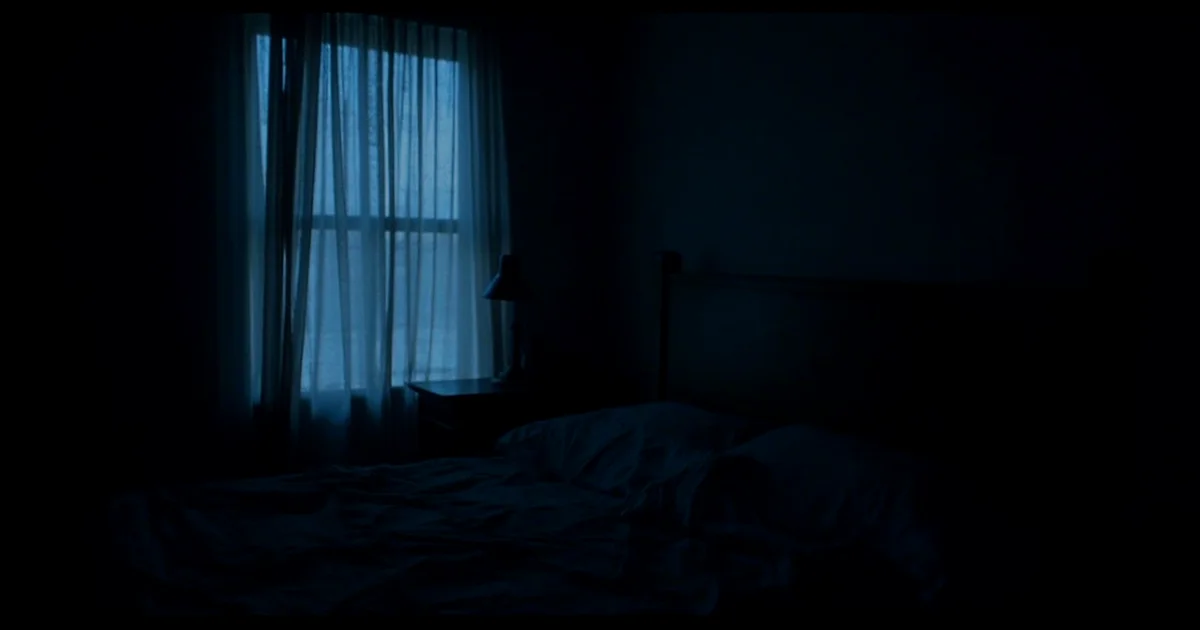
You are sure you were awake most of the night. Then a sleep tracker, or a partner, or a sleep study tells you that you slept several hours. The two accounts do not match, and the mismatch itself becomes something to worry about.
That experience has a name: paradoxical insomnia. It is also called sleep state misperception or subjective insomnia (American Family Physician), and it is a recognised pattern, not a sign that you are imagining things or exaggerating.
Key points
- Paradoxical insomnia is feeling severely under-slept while objective measures show a normal amount of sleep (Sleep Foundation)
- Because the person is actually sleeping enough, they usually do not have the daytime tiredness that follows real sleep loss (Cleveland Clinic)
- It is linked to heightened awareness and arousal during light sleep, and to anxiety about sleep itself
- Cognitive behavioural therapy for insomnia is the best-supported treatment; no medication treats it directly
- It does not physically harm the body, but the frustration is real
On this page
- What paradoxical insomnia is
- Paradoxical vs classic insomnia
- Why the brain misjudges sleep
- What helps
- When a sleep study is worth it
- Frequently asked questions
- About the author
What paradoxical insomnia is
Paradoxical insomnia happens when you feel like you have insomnia symptoms even though you are getting a healthy amount of sleep (Cleveland Clinic). The Sleep Foundation describes it as feeling awake even while asleep, which leads people to underestimate how many hours they actually slept (Sleep Foundation).
The common thread is a gap between two things: how much you slept, and how much it felt like you slept. In paradoxical insomnia, the first number is roughly normal and the second is very low.
How common it is is hard to pin down. Estimates vary widely with the criteria used in the sleep study, from about 8% to 66% (Sleep Foundation), and the American Family Physician describes it as a relatively uncommon form of insomnia (American Family Physician). Either way, it turns up often enough to have its own name and its own treatment path.
That does not make the distress less real. Lying awake, or believing you are lying awake, for hours is exhausting in its own right, and the worry about what the lost sleep is doing to you adds a second layer on top.
Paradoxical vs classic insomnia
The most useful distinguishing sign is what happens during the day.
With classic insomnia, sleep is genuinely cut short, and the daytime carries the cost: tiredness, poor concentration, low mood, needing naps. With paradoxical insomnia, because you are actually sleeping enough, those daytime symptoms are usually milder or absent, even though the nights feel just as bad (Cleveland Clinic).
Another night-time complaint often mistaken for insomnia is fear of sleep, where the person delays sleep out of dread of falling asleep rather than an inability to sleep. Sleep anxiety sits between those patterns: the main issue is worry and body alertness around not sleeping, not necessarily a misperception of sleep time.
| Classic insomnia | Paradoxical insomnia | |
|---|---|---|
| Actual sleep length | genuinely shortened | close to normal |
| Daytime symptoms | tiredness, poor focus, low mood, naps | usually mild or absent |
| How the night feels | hard, broken | hard, broken |
| What a sleep study shows | less sleep, low efficiency | near-normal sleep and efficiency |
| Main treatment | cognitive behavioural therapy for insomnia | the same, focused on the perception gap |
Sources: Cleveland Clinic, Sleep Foundation, and American Family Physician.
Some people with paradoxical insomnia do report daytime fatigue, and some show almost no daytime impairment at all (Sleep Foundation). So this is a clue, not a test. The two patterns can also overlap, and the label matters less than getting an accurate picture of what your nights and days actually look like.

Why the brain misjudges sleep
Experts are not certain what causes paradoxical insomnia (Cleveland Clinic). The leading idea is that the brain stays partly alert during light sleep: research suggests people with paradoxical insomnia show altered brain activity indicating arousal while they sleep, which current measures may not fully capture (Sleep Foundation). If part of your attention is still monitoring the room, brief moments of near waking can feel, in memory, like the whole night.
Factors that seem to feed into it include anxiety and depression, post-traumatic stress, sleep apnoea, environmental factors, and genetic variation (Cleveland Clinic). The Sleep Foundation adds personality traits such as neuroticism, possibly because a tendency toward worry and higher arousal levels comes with them (Sleep Foundation). Anxiety about sleep is both a possible cause and a result: the more you watch for signs that you are not sleeping, the more of those signs you notice.
What helps
In practice, the people who raise this with me tend to be the ones hearing every day, from a partner or a sleep tracker, that they slept fine. A lot of the distress sits there: in not being taken seriously. One of the first steps of the work is often just to lower the stakes of a wakeful hour, so it stops functioning as an emergency.
Cognitive behavioural therapy for insomnia
The best-supported approach is cognitive behavioural therapy for insomnia (CBT-I). Studies of CBT for insomnia show it can improve both sleep quality and perceived sleep length, which is the specific gap paradoxical insomnia is about (Sleep Foundation). For paradoxical insomnia this work usually includes sleep education, stimulus control, sleep restriction, relaxation, and cognitive therapy (American Family Physician), with an emphasis on loosening the effort to sleep rather than trying harder, reducing time spent monitoring your own sleep, and building a steadier response to a wakeful moment when it happens.
CBT-I is usually delivered over six to eight sessions, though the length varies by person, and 70% to 80% of people with primary insomnia report improvement (Sleep Foundation). Realistic progress tends to look like this: your own estimate of your sleep moves back toward what the studies show, and the sense of insomnia only turns up now and then. In a patient account published in the American Family Physician, after cognitive behaviour therapy the person could estimate their sleep correctly again and only occasionally felt they had insomnia (American Family Physician).
Routine, environment, and medication
Alongside that, the usual foundations help: a consistent bedtime routine and sleep environment, and avoiding alcohol, caffeine, and exercise in the few hours before bed (Cleveland Clinic). Relaxation techniques and support for stress, anxiety, or low mood are part of the picture too (Sleep Foundation).
No medication treats paradoxical insomnia directly. Sedatives are sometimes used to manage the sense of wakefulness, but their role here is debated (Cleveland Clinic).
If you want to understand how this kind of support works in practice, before deciding anything, see how the process works. For the wider picture, see what insomnia is, what causes insomnia, and how hypnotherapy can help with insomnia.
When a sleep study is worth it
Paradoxical insomnia is confirmed by comparing objective sleep against your own estimate. A sleep study (polysomnography) can objectively show when you are asleep or awake, which is then set against your self-reported sleep length (Sleep Foundation). A home actigraph worn on the wrist, an EEG, and a sleep diary can serve similar roles (Cleveland Clinic).
It is worth asking a doctor or sleep specialist about this when the nights feel severe over weeks or months, when the picture does not add up (bad nights, functional days), or when there are signs of another sleep condition such as loud snoring or breathing pauses. A sleep specialist is the right person to confirm the diagnosis and shape treatment to your situation (Sleep Foundation).
When I suggest bringing this to a sleep specialist, it is usually less about proving the diagnosis and more about having one clear, outside answer to hold onto, so the nightly argument with yourself has somewhere to stop.
Frequently asked questions
Is paradoxical insomnia dangerous?
It does not physically harm your body, so it is not dangerous in the way people usually fear (Cleveland Clinic). The frustration of living with it can still weigh heavily on mental health, which is a good enough reason to get support.
Do I need a sleep study to know I have it?
Not always, but it is the way the diagnosis is confirmed, because it is the only thing that can compare your actual sleep against how it felt. A specialist can advise whether a full polysomnography or a simpler home measure fits your case.
Will sleeping pills fix it?
There is no medication that treats paradoxical insomnia directly. A sedative may reduce the sense of being awake, but that use is debated, and it does not address the misperception itself (Cleveland Clinic).
How long does it take to improve?
There is no fixed timeframe. CBT-I is usually delivered over six to eight sessions, and progress depends on the individual (Sleep Foundation). Realistic progress is not a single finish line: it is the gap between measured and perceived sleep getting smaller, and less distress around it. In a patient account published in the American Family Physician, after cognitive behaviour therapy the person could estimate their own sleep correctly again and only occasionally felt they had insomnia (American Family Physician).
About the author
Fabio Morus is a behavioural therapist and hypnotherapist in Jersey, Channel Islands, focusing on anxiety, phobias, and panic disorder. He trained in Neuro-Systemic Hypnotherapy (Brazilian Institute of Hypnosis), CBT (Beck Institute), and EMDR (EMDR Association UK), and holds a Master’s in Addiction Studies. He sees clients online in Portuguese and English, and in person in Jersey. See the full training on the About page.
This content is informational and does not substitute clinical assessment, diagnosis, or professional treatment. If you are in intense distress or having thoughts of harming yourself, contact an emergency service or, in the UK, call Samaritans on 116 123 (free, 24 hours). In Jersey, the crisis line is +44 (0)1534 445290. If you are elsewhere, contact your local emergency services.