
Imagine feeling butterflies in your stomach just thinking about getting in the shower. For many, this basic routine becomes a daily battle, marked by tachycardia and catastrophic thoughts. The anxiety generated by this condition doesn’t just affect hygiene – it steals the lightness of the days and distances you from loved ones. But there’s a light at the end of the tunnel. You don’t have to live with this discomfort forever. Through tested methods and simple adaptations to your routine, it’s possible to rebuild a healthy relationship with self-care. The journey begins with understanding and small steps. In this guide, I share strategies that have already transformed real stories. You will learn how to identify triggers, create welcoming environments, and regain self-confidence. Each step is designed to bring gradual and lasting relief. Take a deep breath. The change you seek is closer than you imagine. Shall we walk this path together?
If you are searching for fear of showering phobia, the clinical term you will often see is ablutophobia. It can overlap with anxiety, panic symptoms, trauma memories, sensory discomfort, or fear of losing control. For broader support, see therapy for phobias, anxiety therapy, and free and affordable online therapy options.
Evidence summary: Ablutophobia is not an officially named subtype in the DSM-5-TR; the manual classifies fears such as bathing within the broader specific phobia category, situational or "other" subtype, and gradual exposure therapy is among the most effective interventions for this group of disorders (Choy et al., Clinical Psychology Review, 2007).
Understanding Ablutophobia: What it is and how it manifests
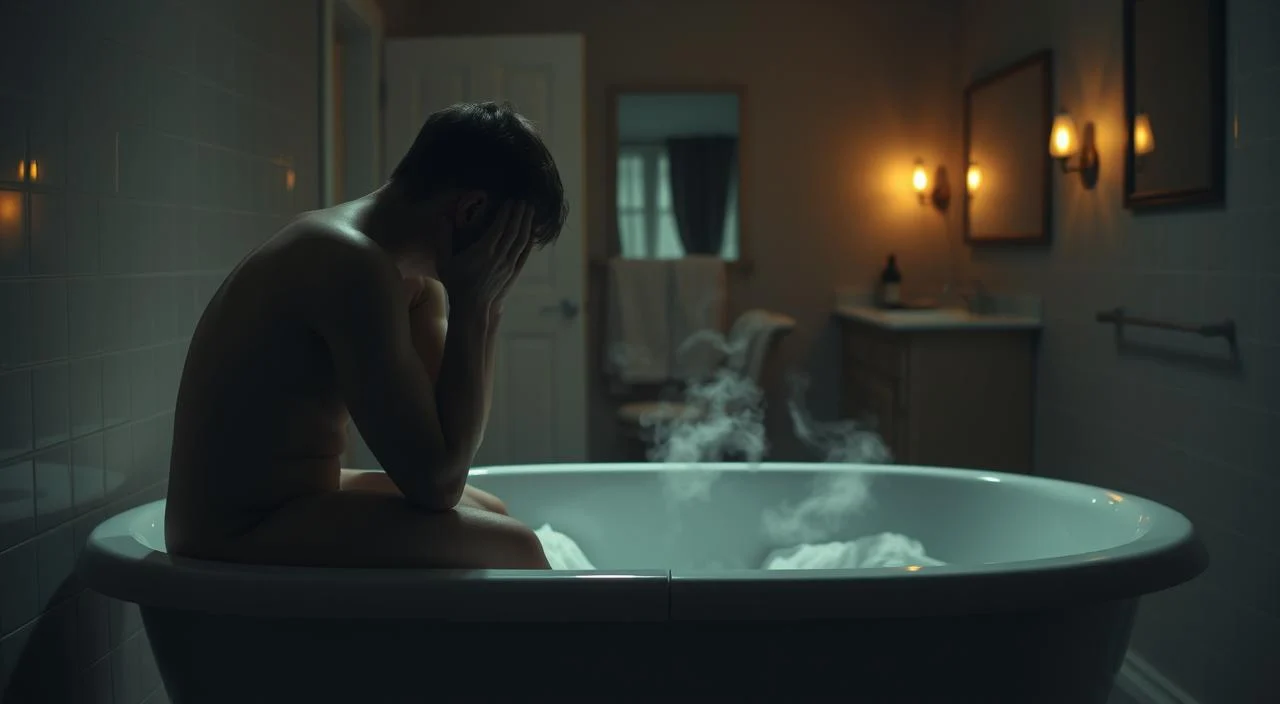 Have you ever stopped to think about how a simple routine can become an immense challenge? Ablutophobia goes beyond a common aversion to water – it's an intense nervous system response to everyday activities. Its scientific name comes from the combination of Latin and Greek terms meaning "fear of washing," revealing deep historical roots.
Definition and history of phobia
This specific condition is rare in adults, but very real for those who live with it. It is not a matter of choice or lack of hygiene, but of an overactive defense mechanism. The brain interprets contact with water as a threat, triggering immediate physical reactions.Traumatic experiences and their relationship to fear.
The origin often lies in childhood. A slip in the bathroom or a fright caused by the water temperature can leave an emotional mark. These experiences create powerful associations between personal hygiene and imagined danger. Understanding this process is key to transformation. When we recognize the triggers and their roots, we begin to rewrite the story. The journey requires patience, but each step brings renewed relief and autonomy.Causes and Contributing Factors
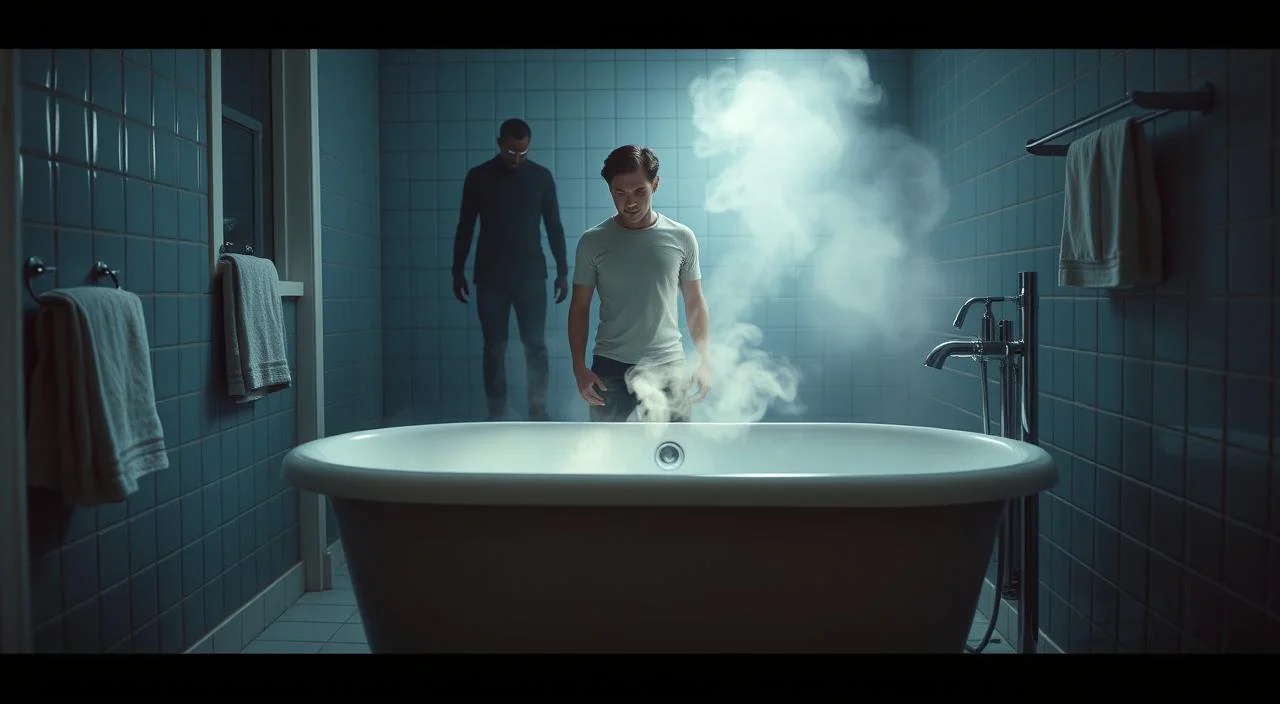 Have you ever wondered why certain daily habits trigger such intense reactions? The causes of this condition are often intertwined in the deep layers of our personal history. To unravel this puzzle, we need to look carefully at key moments in human development.
Invisible marks of childhood
In childhood, seemingly simple situations take on gigantic proportions in the mind. A forced bath or a fright with hot water can create powerful associations. These experiences shape our perception of risk in a lasting way, even when the real danger does not exist.Culture and self-perception
In some cases, family or community values have a direct influence. Communities where hygiene is not prioritized may generate discomfort with cleaning rituals. Simultaneously, self-image issues – especially during adolescence – transform the act of caring for the body into a source of anxiety. Recognizing these origins is not about finding fault, but rather understanding the mechanisms that sustain the challenge. When we illuminate these hidden connections, we take the first step towards transforming them.Symptoms and Warning Signs
 How does your body react when faced with this specific situation ? Our bodies communicate through signals that we often ignore. Let's decipher this body language and emotional response that manifests itself in surprising ways.
When the body goes into alert mode
Physical reactions are the first to appear. Cold hands, accelerated heartbeat, and sweating on the back reveal an activated defense system. These symptoms are not weakness—they are ancestral protective mechanisms that we all possess.| Physical Signs | Emotional Reactions | Average Duration |
|---|---|---|
| Tremors in the legs | Catastrophic thoughts | 2-15 minutes |
| Dry mouth | Feeling of helplessness | Up to 1 hour |
| Nausea | I feel like crying. | It varies from person to person. |
The inner turmoil
Anticipatory anxiety is like a shadow that precedes the actual event. Many people report feeling distressed days beforehand, creating a cycle of apprehension. This intense emotional state can evolve into panic attacks if not identified in time. Recognizing these patterns is half the battle to achieving balance. In the next section, we will explore practical techniques to transform this relationship with self-care. Are you ready to take the next step?Practical Strategies for Overcoming Fear
 Transforming your relationship with water begins with simple tools that soothe body and spirit. Let's explore methods that act as safe bridges between current discomfort and desired tranquility.
Breathing that reconnects
Here's a powerful secret: your diaphragm is a natural ally. Inhale for 4 seconds, holding your breath, then exhale slowly for 6 seconds. Repeat 5 times before approaching the shower. This breathing technique reduces your heart rate and prepares your mind for new challenges.Steps that build trust
Start by creating a preparation ritual. Choose instrumental music and light a scented candle in the room. In the first week, simply stand in the bathroom fully clothed for 2 minutes. The following week, wet your wrists with warm water. Each step should be celebrated as a victory. This progressive approach allows the brain to create new positive associations. Record your achievements in a journal – seeing your progress written down strengthens your determination. Remember: self-care is a journey, not a destination.Fear of bathing phobia: Specific strategies
Transforming moments of tension into comforting experiences requires more than willpower. With the right tools, it's possible to redefine every detail of the personal hygiene ritual. Let's explore ways to transform obligation into genuine self-care.Creating a safe and welcoming environment in the bathroom.
Start by replacing cool lighting with amber-toned lamps. Place a soft, non-slip mat near the shower – the texture underfoot provides stability. Try adjusting the water temperature outside of shower time, using only your hand, until you find the ideal setting. A diffuser with lavender or bergamot oil creates a therapeutic atmosphere. Leave your phone playing nature sounds at a low volume. These sensory elements reprogram the mind, associating the space with relaxation.Establishing a self-care routine
Create a 15-minute pre-shower ritual: stretch to instrumental music or read a poem. Use a timer to start with 90 seconds of water contact, increasing by 30 seconds every two days. Showering can include fun steps – how about humming while you lather up? Always have a fluffy towel and a warm bathrobe handy. Invite someone you trust to stay in the next room for the first few weeks. Every detail reinforces that personal hygiene is an act of self-care, not a challenge.References
- Wardenaar KJ, et al. The cross-national epidemiology of specific phobia in the World Mental Health Surveys. Psychological Medicine. 2017;47(10):1744-1760.
- Choy Y, Fyer AJ, Lipsitz JD. Treatment of specific phobia in adults. Clinical Psychology Review. 2007;27(3):266-286.
- Öst LG. One-session treatment for specific phobias. Behaviour Research and Therapy. 1989;27(1):1-7.
🌟 Have you considered seeking a therapist to support your well-being journey?
If this article sparked reflections about positive changes in your life, perhaps now is the ideal time to take the next step. Do you know hypnosis as a therapeutic tool? This approach can be surprisingly effective for various personal challenges.
Special offer: Book a free 20-minute consultation with therapist Fabio Morus and discover how therapy can transform your life.
✨ No commitment — Completely free — 20 minutes that can make a difference
👉 Click here to book your free consultation
Don't postpone your well-being any longer. The first step to change is just one click away.