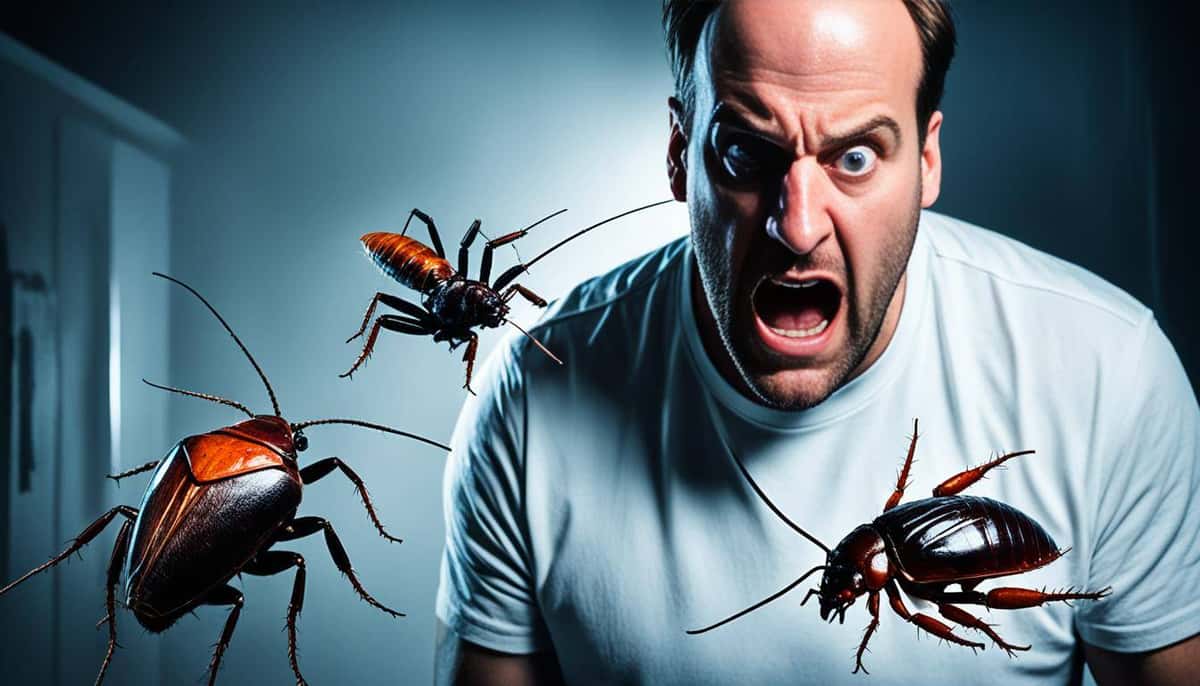

Entomophobia is a very strong fear of insects. It can make everyday life seem like a nightmare. Imagine having to be constantly on alert to avoid encountering insects, which causes anxiety. Many people suffer in silence. They don’t know that there are ways to overcome this fear. Let’s talk about the symptoms and how to treat entomophobia. This way, you’ll understand how to deal with this fear and return to living without worries.
What is Entomophobia?
Entomophobia is a very strong fear of insects. People with this condition feel intense fear when they see or think about insects. This causes them a lot of anxiety and affects their daily lives. Understanding entomophobia is crucial. It’s not just a discomfort; it’s a fear that can significantly change people’s lives.Definition and Context
Entomophobia is a very intense fear. The presence of insects causes people to panic and want to run away. Many avoid places with insects and even places where they have seen insects before.Causes of Entomophobia
The causes of entomophobia are many and varied. Traumatic experiences, such as insect bites in childhood, are important. Genetics also plays a role, making some people more susceptible to the fear. The environment in which a person grows up also influences it. If the family has phobias, this can reinforce the fear of insects.Common Symptoms of Entomophobia
 Entomophobia brings many symptoms, both emotional and physical. The symptoms of insect phobia are strong and varied. They greatly affect a person’s life. In this section, we will talk about emotional symptoms, physical symptoms, and behaviors of Entomophobia Symptoms.
Emotional Symptoms
The emotional symptoms of entomophobia are strong. The sight or mention of insects can cause:- Intense anxiety
- Panic
- Irrational fear
Physical Symptoms
Phobias also affect the body. The physical symptoms are strong and can be debilitating. These include:- Tremors
- Excessive sweating
- Increased heart rate
- Shortness of breathe
Behavioral Symptoms
Entomophobia also changes behavior. People with this phobia tend to:- Avoid places with insects.
- Clean thoroughly to avoid insects.
- Isolating oneself out of fear
Difference between Entomophobia and other Phobias
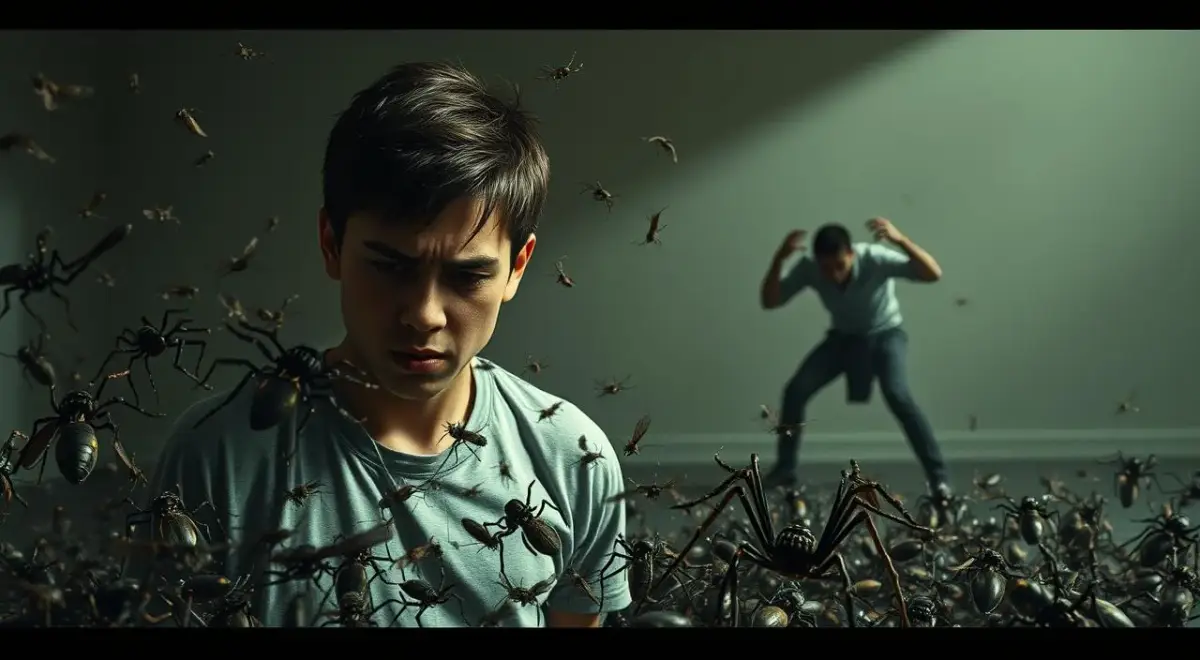 Entomophobia is the intense fear of insects. This is different from arachnophobia, which is the fear of spiders. Both are specific phobias, but they encompass different types of fear.
Comparison with Arachnophobia
Entomophobia vs. arachnophobia show important differences. Entomophobia involves a fear of many insects, while arachnophobia focuses only on spiders. Both phobias can cause panic and make people flee. They can also lead to anxiety disorders, significantly affecting people’s lives.Comparison with Other Common Phobias
Besides arachnophobia, there are other common phobias. For example, claustrophobia is the fear of enclosed spaces. And agoraphobia is the fear of public places. Entomophobia focuses on living beings. Other phobias may be about situations or places. See the differences and similarities in the tables below.| Type of Phobia | Object of Fear | Common Reactions | Potential for Comorbidity |
|---|---|---|---|
| Entomophobia | Insects | Panic, escape | High risk of anxiety disorders |
| Arachnophobia | Spiders | Panic, screams | High with other specific fears |
| Claustrophobia | Enclosed spaces | Tension, feeling of suffocation. | Moderate with social anxiety |
| Agoraphobia | Public places | Avoid situations | High risk of panic disorder |
Diagnosis of Entomophobia
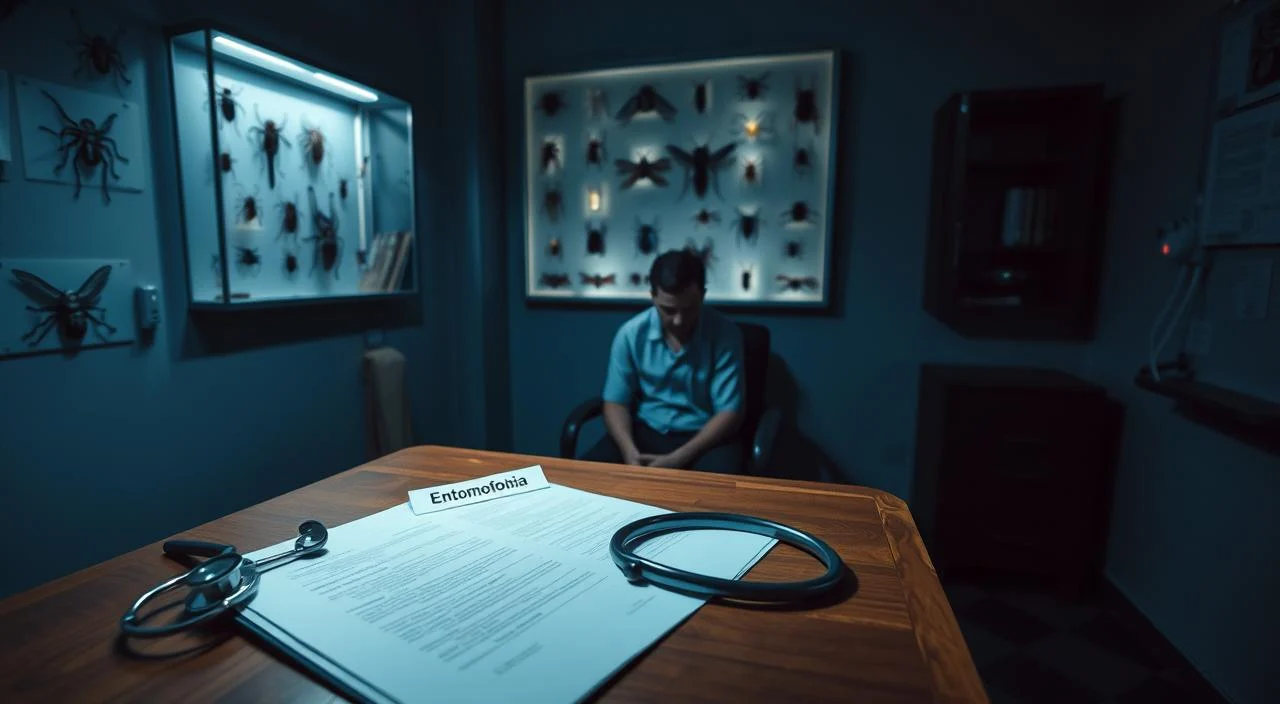 Understanding the fear of insects is essential. A qualified professional conducts a psychological evaluation. This reveals the intensity of the fear and its origins. It’s important to make a careful diagnosis so the person receives the right treatment.
Psychological Assessment
Psychological assessment includes interviews and questionnaires. It helps the specialist understand the patient, as well as how they react to insects. The professional looks at the family and past traumas. This helps create a personalized treatment plan.Diagnostic Criteria
Diagnostic manuals establish criteria for phobia. They look at the fear, duration of symptoms, and impact on daily life. The patient must have a strong and lasting fear. This fear causes them to avoid situations involving insects. This can limit their social interactions and daily activities.Available Treatments
 Treatment for entomophobia varies from person to person. It is essential to seek methods that help overcome the phobia. Cognitive-behavioral therapy is a very effective option.
Cognitive-Behavioral Therapy
Cognitive-behavioral therapy is very helpful against entomophobia. It helps to change thoughts and behaviors that cause fear. Patients learn to cope better with anxiety. An important point is gradual exposure. This helps to reduce the fear of insects. Thus, people react better to anxiety-inducing situations.Medications and Interventions
In some cases, medication is used in treatment. Antidepressants and anxiolytics can be very helpful. They allow the person to participate more in therapy. Other interventions, such as exposure therapy, are also important. They help maintain the progress made in therapy.Coping Strategies
 Overcoming entomophobia is a challenge, but it’s possible with the right coping strategies. Integrating relaxation techniques and gradual exposure to insects helps a lot. These practices create a safe environment to learn and overcome the challenge.
Relaxation Techniques
Relaxation techniques are essential for dealing with the anxiety of entomophobia. Some practices include:- Deep breathing exercises
- Guided meditation
- Yoga
- Creative visualization
Gradual Exposure
Gradual exposure is very effective in reducing phobia. It involves slow exposure to images, sounds, or videos of insects. This technique helps to get used to the object of fear in a safe way.- It reduces anxiety over time.
- It increases confidence in dealing with fear.
- It provides a new perspective on insects.
Impact on Quality of Life
 Entomophobia greatly affects people’s lives. It can make simple things difficult, such as leaving the house or meeting friends. The fear of insects makes people want to avoid certain situations. This can affect work and social life, leaving them feeling very lonely.
Effects on Daily Life
People with entomophobia avoid places with insects. This can make them feel more lonely. They may have less desire to leave the house. The fear causes them to experience stress and anxiety. This can affect their sleep, appetite, and concentration. They may feel very unwell.Extremely Severe Cases
In very severe cases, entomophobia can cause serious problems. Some people may experience panic attacks. This can lead them to self-harm in order to feel better. This condition can make them feel very isolated. They may have difficulty coping with daily life. Therefore, it is very important to seek help.The Relationship Between Entomophobia and Culture
 The way we talk about entomophobia varies greatly across cultures. This affects how people view the fear of insects. The media, such as films and TV, often portray insects in an exaggerated way. This exaggeration creates stigmas. They make it more difficult to accept and treat the phobia.
Representations in the Media
The media often portrays insects in a terrifying way. Horror movies, for example, use this to scare people. This increases people’s fear. This negative view affects how we see insects and our phobias. It creates a cycle of fear.Cultural Perceptions
Views on insects vary greatly across cultures. In some places, they are seen as symbols of fertility. In others, they are simply feared. This diversity highlights the importance of talking more about entomophobia. We need education to better understand it. Initiatives can help demystify the phobia.Risk Factors
Entomophobia can be influenced by several factors. Genetics and traumatic experiences are very important. They can make someone more prone to having this phobia.Genetics and Family History
Studies show that genetics can influence phobias. If your family has phobias, you may also be more likely to develop entomophobia. This shows that an excessive reaction to insects can be hereditary.Past Experiences
Traumatic experiences with insects, especially in childhood, are common. These can range from unexpected encounters to stings. These situations can create a lifelong fear. Understanding the risk factors for entomophobia is very helpful. This includes genetics and traumatic experiences. Knowing this helps in finding more effective treatments.Prevention of Entomophobia
It is very important to prevent entomophobia so that people feel comfortable around insects. Education about phobias helps a lot. It makes people understand better and less afraid. This education makes them see insects as part of the ecosystem. They are no longer seen as threats.Education and Awareness
Learning about the importance of insects in nature is essential. They help a lot, such as in pollination and decomposition. This changes the way people see insects. With this information, fear decreases, and people begin to live better with them.Favorable Environments
Having favorable environments also helps a lot. Gardens and green areas are great for this. They allow people to be more friendly towards insects. Outdoor activities are very good. They teach people to observe insects in a safe and educational way.| Strategy | Description | Expected Results |
|---|---|---|
| School Education | Include lessons about insects and their role in the ecosystem. | Greater acceptance and curiosity about insects. |
| Community Workshops | Events that promote hands-on activities involving interaction with insects. | To reduce fear and promote a broader understanding. |
| Creating Safe Environments | Develop outdoor spaces that encourage observation. | To facilitate a positive relationship with nature. |
Entomophobia in Children
Entomophobia in children can appear at various stages of life. It is crucial to recognize the signs in order to help appropriately. They may react strongly to seeing insects, crying excessively or trying to run away. They may also avoid places with insects. This shows that they are afraid.Signs of Childhood Entomophobia
- Intense emotional reactions, such as fear and despair upon seeing insects.
- Inability to control fear, resulting in frequent panic attacks.
- Avoiding outdoor activities or retreating to places due to fear of insects.
How to Approach the Problem
It’s important to be empathetic and understanding when dealing with phobias. Talking about the child’s feelings helps a lot. This makes their experiences more normal. Talking about insects in a fun way helps to reduce fear. Gradual exposure techniques are also useful. They allow the child to face their fears safely. With patience and support, it’s possible to help children. They can learn to see insects differently. This creates a calmer and healthier environment for them.Research and Related Studies
Research on entomophobia has advanced significantly in recent years. New studies seek to better understand this phobia. Technologies such as virtual reality are aiding in treatment. These new approaches are promising for those who suffer from the condition. Furthermore, analyzing cases of entomophobia helps to better understand the impact of this phobia on people’s lives. This also improves therapies.New Perspectives on Entomophobia
Recent studies are showing new ways to deal with entomophobia. Researchers are exploring how to combine different therapies to provide more help. Emerging technology is playing a major role in this effort. These new technologies are making treatment more effective and accessible. This is a major breakthrough in the fight against entomophobia.Case Studies
Case studies offer a detailed insight into the lives of those who suffer from entomophobia. They reveal patterns of behavior and emotional reactions. This helps professionals create more effective therapies. These studies collect a large volume of data, enriching our understanding of entomophobia and its manifestations.How to Seek Professional Help
Seeking professional help for entomophobia is very important. Qualified specialists can help you deal with these fears. Finding the right specialists is essential for effective treatment.Types of Specialists
When you seek help, several options are available. These include:- Psychologists: They use cognitive behavioral therapy to change thoughts and behaviors.
- Psychiatrists: These are doctors who can diagnose and prescribe medication to help.
- Occupational therapists: They assist in rehabilitation and daily support, using practical strategies.
Importance of Support
Psychological support is crucial for recovery. Having qualified professionals creates a safe environment. They offer emotional support in various ways:- Individual therapy: Personalized sessions to explore and confront the phobia.
- Group therapy: A space to share experiences and create empathy.
- Medical interventions: Medications can be used for emotional relief and stabilization.
Common Myths about Entomophobia
Entomophobia is an intense fear of insects. Many myths surrounding it hinder its understanding and treatment. These myths about entomophobia create false beliefs that complicate the situation. It is crucial to debunk these beliefs for a healthier approach.Debunking Beliefs
A common myth is that all insect bites are serious. In fact, most cause mild discomfort and don’t lead to serious consequences. Another common misconception is that all insects are dangerous. While some are venomous, many are essential to the ecosystem and pose no risk to human health. Furthermore, believing that fear of insects is insignificant creates stigma, making people unwilling to talk about their fears. Debunking beliefs about entomophobia helps reduce anxiety and increases empathy for those with the phobia.| Myth | Reality |
|---|---|
| All stings cause severe reactions. | Most result in mild discomfort. |
| All insects are dangerous. | Many are beneficial and pose no risks. |
| Fear of insects is insignificant. | It’s a phobia that can affect quality of life. |
Additional Resources
Learning more about entomophobia is very helpful. There are many resources available for those seeking help. Books, articles, and support groups are excellent for this.Recommended Books and Articles
Taking books and articles into account helps to better understand entomophobia. They provide information about the causes and treatments. Psychology books and academic research are very useful.Support Groups and Online Communities
Support groups are very important. They provide support and connection. Online communities are a safe place to share experiences.Conclusion on Entomophobia
Entomophobia is a challenge for many people. It can make daily life difficult. But it is possible to change and improve your life. Effective treatment helps a lot. This can include therapy and strategies to cope with the fear. I encourage you to face your fear with courage. Seeking professional help is an important step. Understanding your condition and how to deal with the symptoms helps a lot. Change is possible, even with the challenges. By overcoming fear, we live better. We can take advantage of life’s opportunities more.References
- Wardenaar KJ, et al. The cross-national epidemiology of specific phobia in the World Mental Health Surveys. Psychological Medicine. 2017;47(10):1744-1760.
- Choy Y, Fyer AJ, Lipsitz JD. Treatment of specific phobia in adults. Clinical Psychology Review. 2007;27(3):266-286.
- American Psychiatric Association. Diagnostic and Statistical Manual of Mental Disorders, 5th edition, text revision (DSM-5-TR). 2022.
🌟 Have you considered seeking a therapist to support your well-being journey?
If this article sparked reflections about positive changes in your life, perhaps now is the ideal time to take the next step. Do you know hypnosis as a therapeutic tool? This approach can be surprisingly effective for various personal challenges.
Special offer: Book a free 20-minute consultation with therapist Fabio Morus and discover how therapy can transform your life.
✨ No commitment — Completely free — 20 minutes that can make a difference
👉 Click here to book your free consultation
Don't postpone your well-being any longer. The first step to change is just one click away.