
Functional tremor is one of the most visible and disabling symptoms of this functional neurological disorder.
Unlike Parkinsonian tremor or essential tremor, functional tremor has its own distinct characteristics. It varies with distraction, can change in rhythm, and often disappears when the person is not paying attention to the movement.
This does not mean that the tremor is imaginary. It means that the brain is producing a movement pattern that does not correspond to a structural lesion.
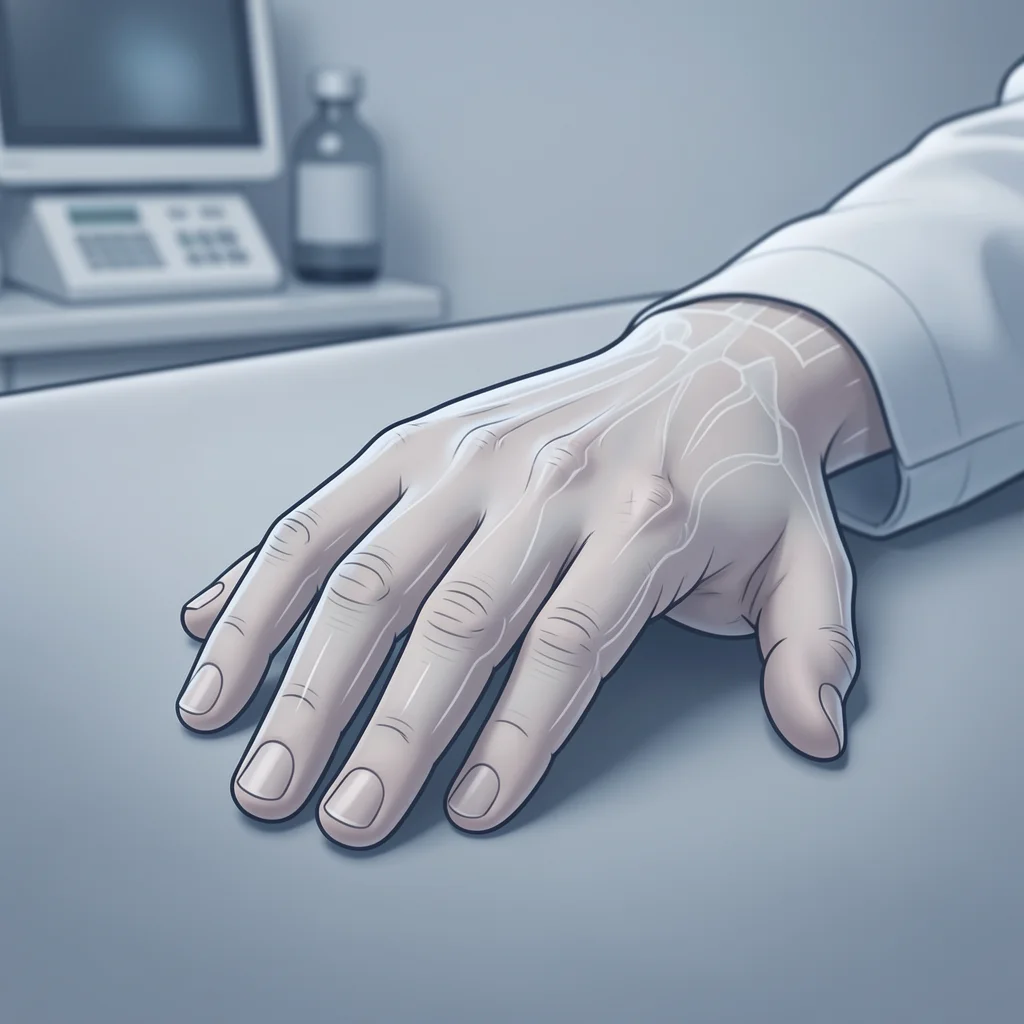
What Is Functional Tremor?
Functional tremor is an involuntary rhythmic movement caused by a dysfunction in the way the brain processes and sends motor commands. There is no damage to the nerves, muscles, or motor areas of the brain—there is a disruption in the “software” that controls movement.
Characteristics that distinguish it from other tremors:
- Variability: the frequency and amplitude change throughout the day
- Distractibility: it decreases or disappears when attention is diverted
- Entrainment: the tremor synchronizes with an external rhythm (such as tapping one’s foot to a different beat)
- Attention-induced worsening: it worsens when the person focuses on the tremor
These signs are used in the differential diagnosis. When a neurologist asks the person to move their opposite hand and the tremor changes or disappears, this points to a functional origin.
Why does it happen?
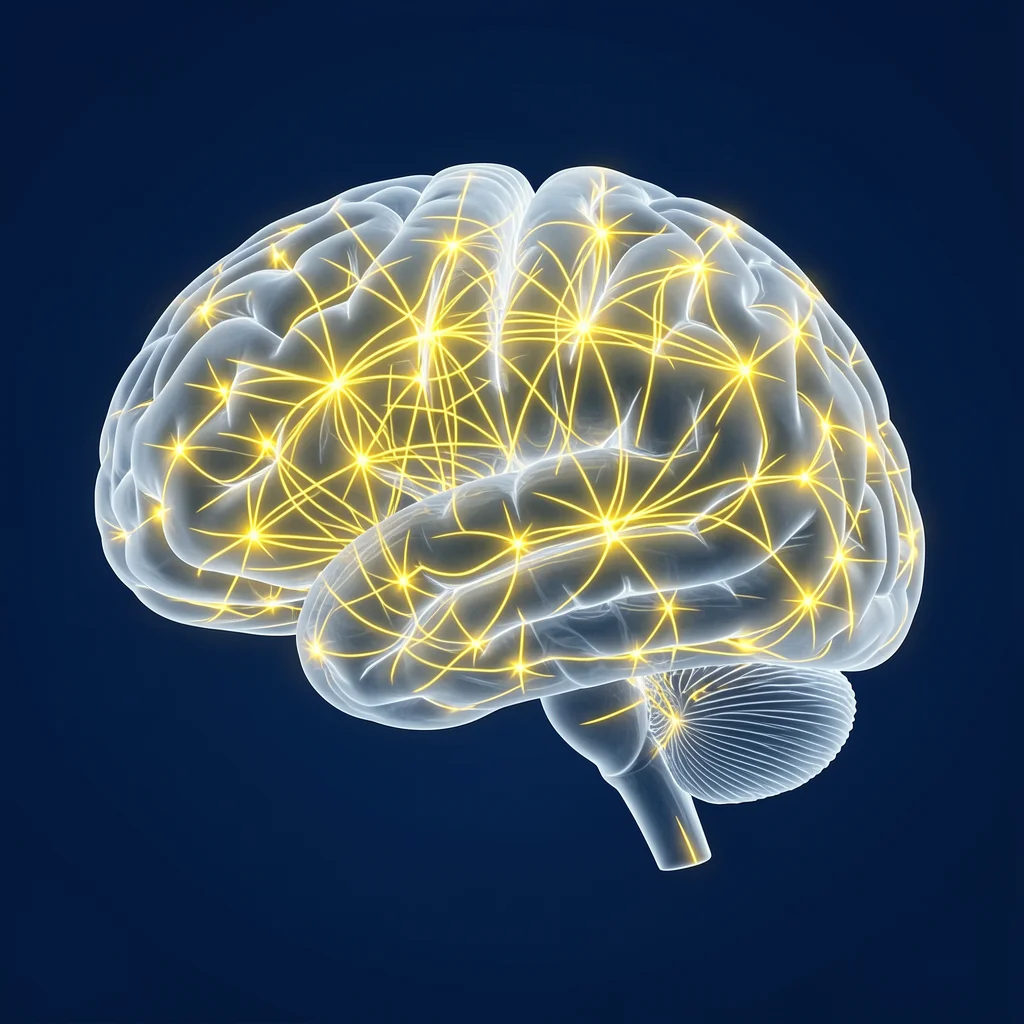
Functional tremor is often linked to emotional and psychological factors. Chronic stress, traumatic events, and prolonged anxiety are common triggers.
The mechanism involves a disconnect between the intention to move and the actual execution of the movement. The brain “learns” a tremor pattern and repeats it automatically—even when the original cause is no longer present. It’s like a self-perpetuating neurological loop.
This explains why imaging tests come back normal. The problem lies in function, not structure.

How is it treated?
Treatment for functional tremor combines several approaches:
Specialized physical therapy — Rehabilitation techniques that redirect attention and re-educate movement patterns. The focus is not on “stopping the tremor” but on restoring normal motor control.
Cognitive-behavioral therapy — Helps identify and modify the thoughts and behaviors that perpetuate the tremor cycle. CBT for FND has a growing body of evidence, especially when combined with physical therapy.
EMDR — When there are traumatic memories associated with the onset of symptoms, EMDR can help process those memories and reduce the activation of the brain’s alarm system. Read more about EMDR for FND.
Hypnotherapy — Clinical hypnosis allows you to access the brain’s automatic patterns and introduce new responses. It is particularly useful for symptoms that have an attention component—such as functional tremor. See how hypnotherapy works for neurological symptoms.
How long does it take to see improvement?
There’s no set timeframe. Some people respond within weeks. Others need months.
The most important factor isn’t time—it’s consistency. The approaches that work are those that integrate physical and emotional treatment. Treating only the body or only the mind is rarely enough.

What Really Matters
Functional tremor is real. It’s not feigned, it’s not a whim, and it’s not “all in your head” in a pejorative sense. It’s a legitimate neurological condition that responds to appropriate treatment.
If you have functional tremor, the first step is to get an accurate diagnosis from a neurologist. The second is to find a team that treats the whole person—not just the symptom.
Note: This article is for informational purposes only. Consult a neurologist for a diagnosis and a qualified healthcare professional for treatment guidance.