
If you have been diagnosed with Functional Neurological Disorder (FND), you have likely spent months—if not years—in a state of medical limbo. Your tests come back “normal.” Your MRI is clear. Your blood work shows nothing.
Yet, your body refuses to cooperate.
You might experience tremors, paralysis, seizures, or chronic pain that feel very real. Because they are real. The frustration often stems from a misunderstanding of what FND actually is. I often explain to my clients that FND is not a “hardware” problem—your brain and nerves are physically intact. Instead, it is a “software” problem.
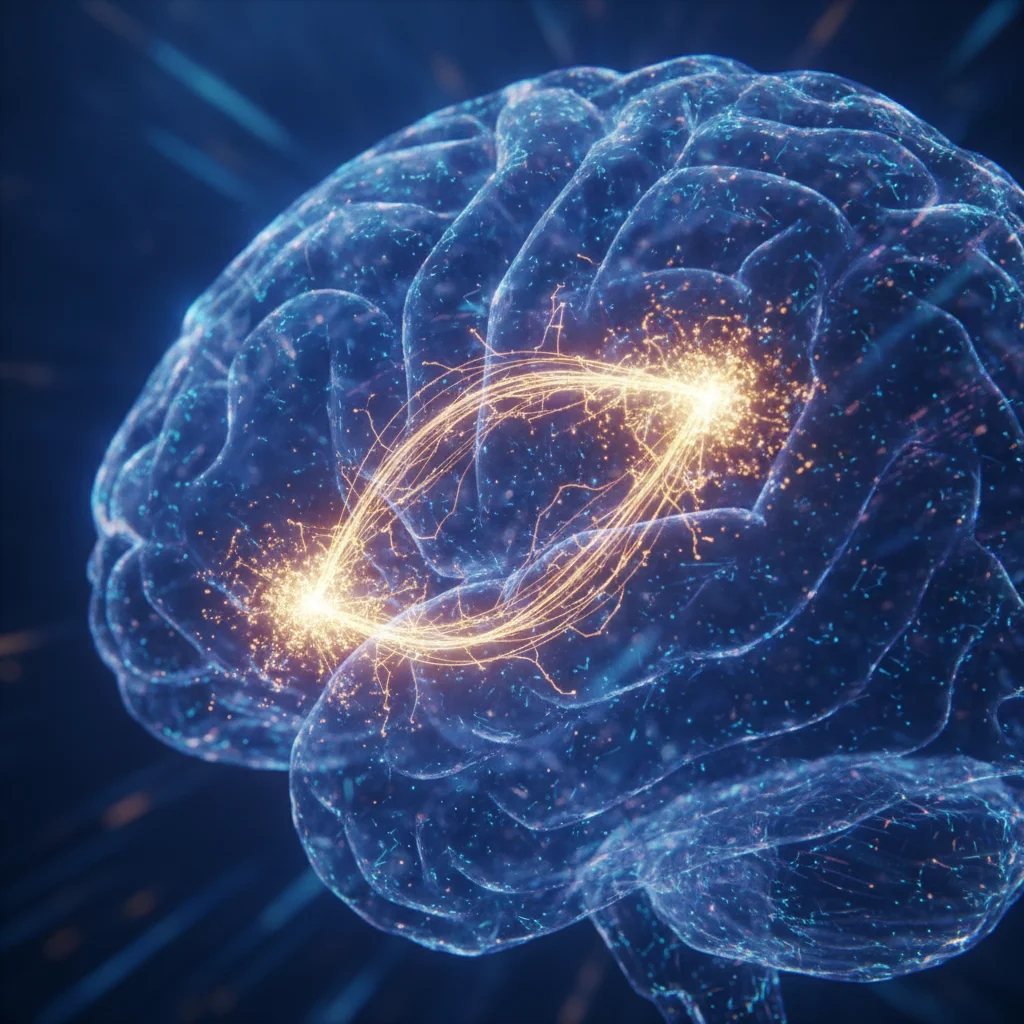
The signals sent between your brain and your body have become corrupted. They’ve glitched.
The point is: software can be re-written. FND recovery is not just possible; it is a journey of re-training your nervous system to function correctly again.
What Does FND Recovery Actually Mean?
Recovery from FND rarely looks like taking a pill and waking up “cured.” It doesn’t work like that. Because the condition is rooted in how the brain processes signals, recovery is a process of neuroplasticity. This is the brain’s ability to reorganize itself by forming new neural connections.
In my practice, I see recovery as a shift in focus. We stop looking for a physical lesion and start looking at the internal operating system. For many, recovery means a significant reduction in symptoms. More importantly, it means a return to a high quality of life where the condition no longer dictates every hour of your day.
Can You Actually Recover from FND?
The short answer is yes. Research from leading neuroscientists, such as Dr. Jon Stone, has shown that FND is a treatable condition.
The key to unlocking this recovery lies in understanding one thing: because the brain is physically healthy, the pathways for normal movement and sensation still exist. They are simply being blocked or bypassed by a malfunctioning stress response.
Recovery happens when we provide the brain with new input. When we change the emotional and physical signals the brain receives, it begins to stop the faulty outputs. Simple, but effective.

The Role of the Mind-Body Connection in Healing
One of the biggest hurdles in FND recovery is the stigma that “it’s all in your head.” While the symptoms are generated by the brain, they are not imaginary.
However, the mind-body connection plays a pivotal role in why these symptoms start—and why they persist. Stress, trauma, and chronic anxiety are often the background noise that causes the system to glitch. The brain, overwhelmed by emotional or physical input, essentially pulls the emergency brake. Or it sends false alarms to the limbs or senses.
Addressing this connection isn’t about saying the symptoms are psychological. It’s about acknowledging that the nervous system is reacting to your internal state.

How Hypnotherapy Facilitates FND Recovery
This is where hypnotherapy becomes a powerful tool. Since FND is a disorder of the automatic or subconscious functions of the brain, traditional talk therapy sometimes struggles to reach the root of the signal error.
In practice, it works like this:
- Access the Subconscious: We communicate directly with the part of the brain responsible for automatic movements.
- Interrupt the Glitch: By using visualization and suggestion, we can bypass the malfunctioning pathway and remind the brain how to move or feel correctly.
- Calm the Nervous System: We reduce the threat level the brain perceives, which often stops the physical symptoms from being triggered.
By working at this level, we aren’t just managing symptoms. We are re-training the software. This approach is central to how we use hypnotherapy for FND treatment, moving beyond mere coping mechanisms.

Practical Steps for Your Recovery Journey
If you are ready to start your recovery, here are a few practical steps:
- Accept the Diagnosis: Understanding that your brain is healthy but glitching is the first step to re-training it.
- Identify Triggers: Pay attention to what precedes a flare-up. Is it stress? Fatigue? A specific emotion?
- Focus on Function, Not Symptoms: Try to move your body in a distracted way. Sometimes, thinking too hard about a movement makes the glitch worse.
- Seek Specialist Support: Work with professionals who understand FND and can help you navigate the mind-body connection.
FND Recovery FAQ
Is FND recovery permanent?
For many, the skills learned during recovery—such as nervous system regulation—stay with them for life. While some people may experience occasional “dips” during times of extreme stress, they often have the tools to return to baseline quickly.
How long does FND recovery take?
There is no fixed timeline. Some see rapid improvement once the “signal error” is addressed, while for others, it is a gradual process over several months. Consistency is more important than speed.
Can anxiety make FND worse?
Yes. Anxiety increases the “noise” in the nervous system, making it more likely for the brain to default to its malfunctioning patterns. Managing anxiety is a core part of the recovery process.
Re-Training Your Life
FND recovery is a path of patience and persistence. It requires moving away from the search for a broken part and embracing the work of re-patterning how your brain communicates with your body. You are not broken—your system is simply stuck in a defensive or confused loop.
If you want a simple first step, download the free ANXIETY ZERO ebook. And if you feel you need more direct support, get in touch with Fabio Morus. We can work together to help you re-train your brain and regain control of your life.