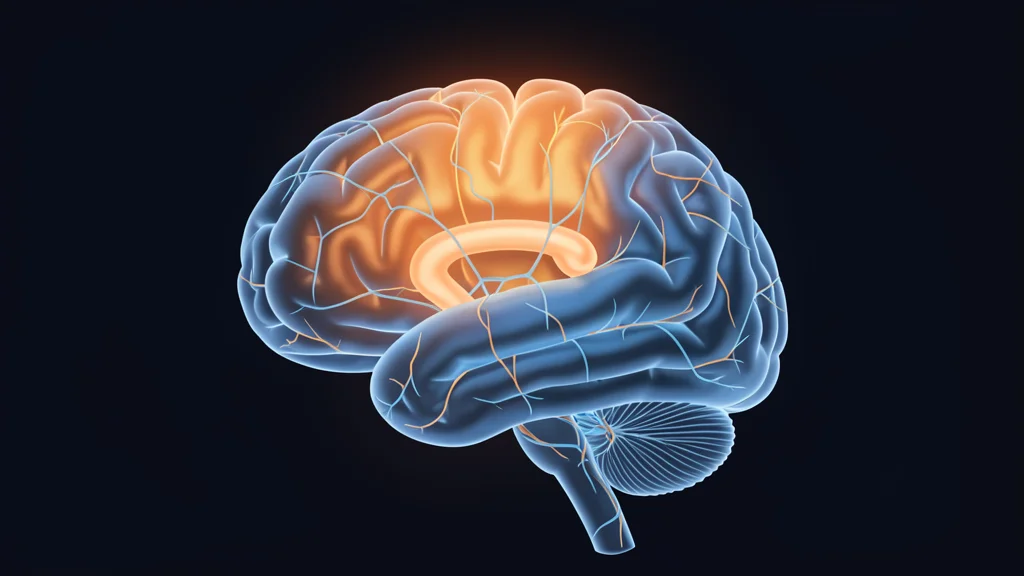

It happens in an instant. Your body shakes, you lose control, or you simply “check out” from reality. The fear is immediate: Is this epilepsy?
But then the tests come back. The EEG is normal. The scans are clear. The doctors say there is “no electrical activity.” For many, this feels like being told the problem is “all in your head.”
It isn’t.
What you are experiencing are functional seizures. They are real, they are physically exhausting, and they are your body’s way of screaming for help when the emotional burden becomes too heavy to carry.

What Are Functional Seizures? (The Software Crash)
Functional seizures—also known as FND (Functional Neurological Disorder) or PNES—are often explained with a simple analogy.
Think of your brain like a computer. In epilepsy, there is a “hardware” failure—a short circuit in the wiring. In functional seizures, the hardware is perfect, but the “software” is crashing.
These episodes are involuntary. You aren’t “choosing” to have them. Instead, your nervous system is simply hitting the “reboot” button because it feels overwhelmed by internal stress, even if you don’t feel “stressed” in the moment.
Functional Seizures vs. Epilepsy: Why the Difference Matters
Getting the right diagnosis is half the battle. If you treat a software problem with hardware tools, you won’t get results.
- Epilepsy: Needs anti-epileptic drugs to manage electrical discharges.
- Functional Seizures: Since there is no electrical discharge, medication often fails. These episodes are linked to the subconscious mind and the way it handles trauma or pressure.
Most people spend years taking the wrong medicine because doctors mistake one for the other. If your tests are clear but the seizures continue, it’s time to look deeper.

The Subconscious “Safety Valve” for Functional Seizures
Why would your body do this? Usually, it’s a form of dissociation.
When life hits you with more than you can process—whether it’s a past trauma, a toxic job, or years of suppressed grief—the brain finds a way to “disconnect” to protect you.
The seizure is a safety valve. It’s the body releasing built-up pressure. Common triggers include:
- Unresolved PTSD or early-life trauma
- Chronic, high-pressure environments
- A habit of “powering through” and ignoring your own needs
Your subconscious isn’t trying to hurt you; it’s trying to save you. It just chose a very disruptive way to do it.

How Hypnotherapy Helps Manage Functional Seizures
If the problem is in the “software” (the subconscious), then that is exactly where we need to work. Hypnotherapy is one of the most effective tools for FND because it talks directly to the part of the brain that controls these involuntary responses.
Here is how we tackle it:
1. Finding the “Glitches”
We don’t just wait for the next episode. In hypnosis, we identify the subtle emotional shifts that happen before a seizure. We teach your nervous system to recognize these signals and ground itself before the “crash” happens.
2. Processing the Emotional Payload
We go to the source. If there is a trauma or a specific fear feeding the seizures, we process it. Once the subconscious mind realizes it no longer needs to “protect” you through a seizure, the physical symptoms often fade.
3. Restoring Connectivity
Science shows that in FND, the connection between the rational brain (prefrontal cortex) and the emotional brain (limbic system) is disrupted. Hypnosis helps strengthen this bridge, giving you back control over your body’s reactions.
Frequently Asked Questions
Am I making this up?
Absolutely not. The physical movements and the loss of consciousness are real. Your brain is sending real signals to your muscles. Just because it’s not “electrical” doesn’t mean it isn’t happening.
Can hypnotherapy “cure” me?
I prefer the word transformation. Many clients see a drastic reduction in episodes—sometimes they stop entirely—once they learn how to regulate their nervous system and address the underlying triggers.
Do I have to stop my current treatment?
No. Hypnotherapy works alongside your neurologist. It addresses the emotional and subconscious side of the equation while your doctors handle the clinical side.

The Body Never Lies
Your seizures are a message. They are proof that your mind and body are deeply connected, even if that connection feels broken right now.
The good news? If your brain learned how to “crash,” it can also learn how to stay “online.”
If you want a simple first step to calming your nervous system, download the free ANXIETY ZERO ebook. And if you feel you need more direct support to find the root cause, get in touch with Fabio Morus.