
When discussing FND, motor symptoms tend to get the most attention. But cognitive symptoms are just as real and debilitating.
Brain fog, memory lapses, difficulty finding words, and a feeling of confusion. For many patients, these are the symptoms that most affect their daily lives.
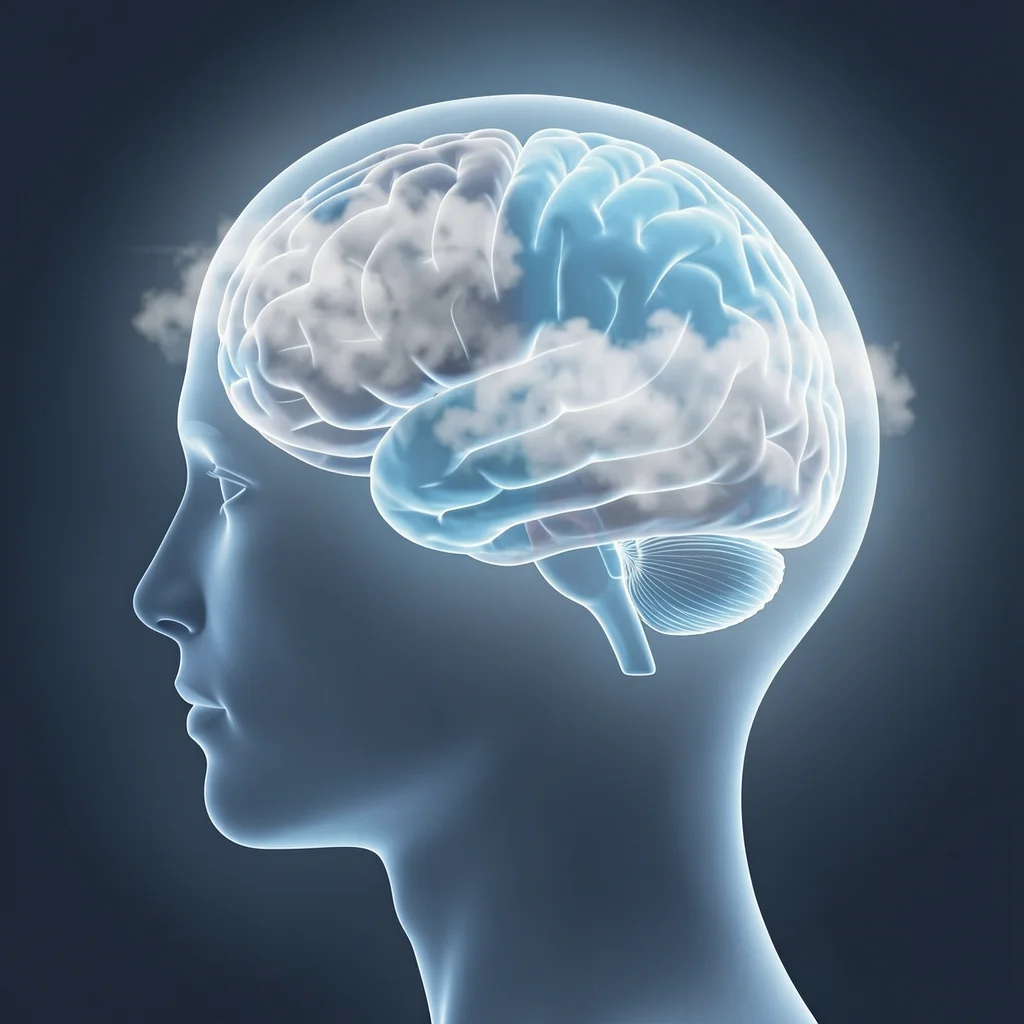
What causes cognitive symptoms in FND?
The brain with FND is under constant stress. Attention is divided between processing physical symptoms and trying to function normally. This consumes cognitive resources that are no longer available for other tasks.
In addition, anxiety and a chronic state of alertness interfere with working memory and concentration. It’s not that the brain is damaged—it’s overloaded.

What are the most common symptoms?
- Brain fog: a heavy-headed feeling, slow thinking
- Memory problems: forgetting recent conversations or appointments
- Difficulty concentrating: reading the same paragraph multiple times
- Cognitive fatigue: mental exhaustion after simple tasks
- Trouble finding words: frequently having words on the tip of your tongue
What helps in practice?
Pace and breaks — Alternate periods of activity with rest. It’s not laziness; it’s energy management.
Reducing stimuli — Calm environments, no multitasking. One thing at a time.
Light physical exercise — Short walks improve blood flow to the brain.
Quality sleep — Memory consolidation occurs during sleep. Make it a priority.
Therapy — Hypnotherapy and EMDR can reduce cognitive load by addressing the root of the problem. See how it works in the complete guide to FND.
The Bottom Line
The cognitive symptoms of FND are not dementia. They are not degenerative. They are functional—and that means they can improve with the right approach.
If your brain is overloaded, the first step is to lighten the load. Then, rebuild your cognitive confidence.
How to Track Progress Without Adding Pressure
A common mistake is turning every memory lapse into proof that things are getting worse. That increases internal monitoring and consumes even more attention. A better approach is to track simple patterns: sleep quality, stress level, screen time, breaks during the day, and situations that demanded heavy mental effort. The aim is not to watch the symptom minute by minute. It is to understand what your nervous system tolerates best.
Small goals also matter. Reading five focused pages is often more useful than forcing an hour and ending exhausted. When symptoms flare, return to the basics: one task at a time, a quieter environment, hydration, regular meals, and planned pauses. This kind of consistency teaches the brain that concentration does not have to feel like a threat.
Note: Consult a neurologist for a diagnosis. This article is not a substitute for a medical evaluation.