Receiving a Functional Neurological Disorder (FND) diagnosis can be one of the most confusing moments of your life.
On one hand, there is the relief of finally having a name for what is happening. On the other, the shock of discovering that your symptoms — tremors, weakness, seizures, changes in speech or vision — do not show up on conventional tests.
If you are in this place right now, know this: you are not alone. And there is a path forward.
Step 1: Understand what the diagnosis means (and what it does not mean)
FND is not a “psychological illness.” It is not “faking it.” It is not a “lack of willpower.”
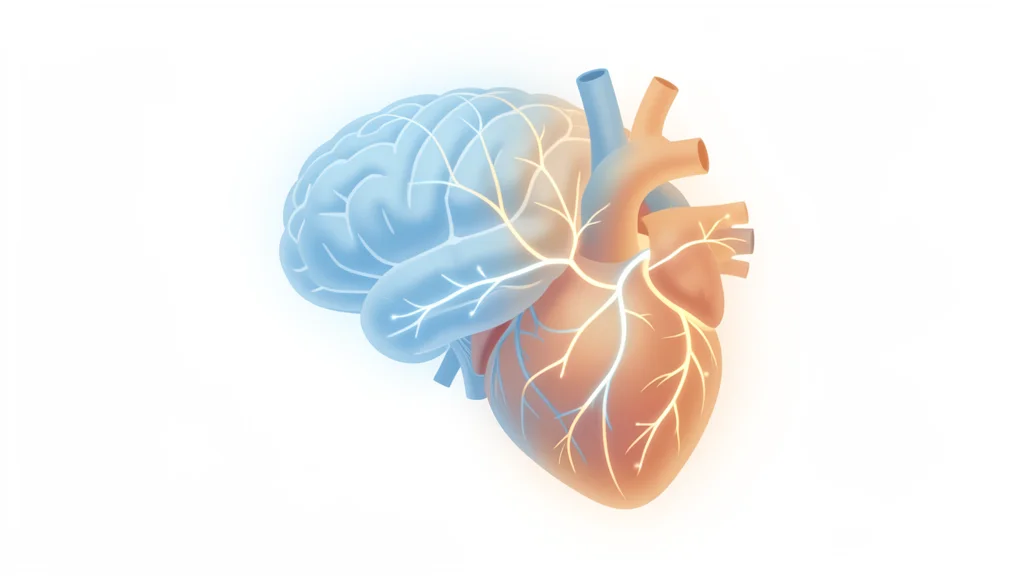
It is a real neurological condition in which the brain has difficulty sending and receiving signals correctly. Structural scans (MRI, CT) come back normal because the problem is not in the structure — it is in the function. Think of it like a computer with intact hardware but dysregulated software.
Understanding this changes everything. For a more complete explanation, see our guide on what Functional Neurological Disorder is.
Step 2: Allow yourself to feel
Anger, fear, sadness, frustration. All of these emotions are normal after an FND diagnosis.
Do not rush to “be okay.” Grieving the body you thought you knew is real and deserves space. At the same time, remember: feeling does not mean standing still.

How do I find professionals who understand FND?
This is the most important step. Not every neurologist understands FND. Not every therapist knows how to work with functional neurological symptoms.
Look for professionals who recognize your symptoms as real, offer integrated, evidence-based treatment, and are willing to collaborate with each other (neurologist + therapist).
Step 4: Connect with others who understand
Isolation makes everything worse. Connecting with others living with FND helps normalize your experience and uncover practical strategies.
FND Hope International offers online support groups. The FND Society provides up-to-date information on research and treatment. Knowing you are not the only person in the world with these symptoms makes an enormous difference.
How can I regain control of my symptoms?
Do not try to solve everything at once. Start small:
- Establish a sleep routine
- Practice breathing techniques to calm your nervous system
- Identify one trigger at a time and work on it
- Celebrate small victories
Hypnotherapy and CBT are two approaches with solid evidence that help you regain control over your symptoms.
You are not alone
An FND diagnosis does not define who you are. It only defines the starting point for a new chapter — one that can be more controlled, more conscious, and freer than the last.
If you want a practical starting point, download the free e-book Zero Anxiety with techniques you can start applying today.
And if you would prefer to speak with me directly, get in touch. I would be happy to hear your story.