
Have you ever wondered why so many people struggle with anxiety in silence? An anxiety attack is an experience that can affect anyone. It can be a response to stress, but it can also be very serious.
Approximately 18.1% of the adult population in the US has an anxiety disorder. In Brazil, the situation is similar, with 9.3% of the population affected, representing about 18.6 million people. It is crucial to understand the symptoms of an anxiety attack, such as rapid heartbeat and a feeling of being detached from reality. It is also important to know how to seek professional help.
This article will explain what an anxiety attack is. We will discuss its symptoms, causes, and treatments. The goal is to help those who have the condition and those who know someone affected.
What is an anxiety attack?
An anxiety attack is a very intense psychological state. It manifests with symptoms such as distress and nervousness. This happens when we feel that something is dangerous, even if it isn't.
Anxiety is normal, but it can become a problem if it gets too intense. This can affect our physical and emotional health. If left untreated, it can turn into a chronic problem.
https://www.youtube.com/watch?v=BhUMv1xZIUk
Across Brazil, close to 19 million people live with an anxiety disorder, according to the World Health Organization. Anxiety and depression often occur together, each feeding the other. If anxiety attacks become frequent, it's important to seek help.
Symptoms of an anxiety attack can include tachycardia, tremors, and sweating Anxiety attacks can be treated with appropriate therapies such as Cognitive Behavioral Therapy (CBT) and meditation.
It is very important to diagnose and treat anxiety attacks early. Stress and family can greatly influence this. Seeking help is essential when symptoms affect our daily lives. This way, we can better understand the anxiety attack and find ways to improve.
Characteristics of an anxiety attack
Anxiety attacks are characterized by sudden and intense episodes of fear. Approximately 275 million people worldwide struggle with these attacks. They can bring physical symptoms, such as insomnia and rapid heartbeat, and psychological symptoms, such as lack of concentration and excessive worry.
Anxiety is becoming more common, affecting people with psychological disorders and those who have isolated crises. During a crisis, a person may feel out of control. This can lead to panic disorder, with intense episodes of fear and discomfort.
Treatment for anxiety is crucial to alleviate symptoms and help restore well-being. Cognitive-behavioral therapies and physical activities are recommended to manage anxiety.

| Features | Physical Symptoms | Psychological Symptoms |
|---|---|---|
| Sudden episodes of fear | Tachycardia | Excessive worry |
| Difficulty in controlling | Painting | Irritability |
| Increasing intensity | Body trembling | Feeling of derealization |
Understanding the characteristics of an anxiety attack is essential for seeking the right treatment. This can significantly improve quality of life.
Symptoms of an anxiety attack
An anxiety attack can bring both physical and psychological symptoms. It's important to recognize these signs in order to seek help. Physical and psychological symptoms can appear together, making the situation worse.
Physical symptoms
Physical symptoms include tachycardia, sweating, shortness of breath, tremors, and muscle tension. These reactions are like the body's response to stress. They can be mistaken for heart problems, which is dangerous.
Furthermore, poor diet and muscle tension can cause physical discomfort. This affects quality of life and well-being.
Psychological symptoms
The psychological symptoms of anxiety are also important. They include excessive worry, constant fear, difficulty concentrating, and negative thoughts. If left untreated, these symptoms can cause mental distress.
According to the World Health Organization, more than 264 million people have anxiety disorders. Women are twice as likely to have these disorders as men. Recognizing these symptoms is an important step in seeking help.
https://www.youtube.com/watch?v=Pmh9No4Mdts
How to identify an anxiety attack
It's very important to know how to identify an anxiety attack. This helps us act quickly to alleviate the symptoms. Signs include a sudden feeling of panic and physical and emotional symptoms.
When anxiety strikes, the body releases norepinephrine and adrenaline. This makes you feel fear and insecurity. These sensations can be very strong.
Those who have experienced anxiety attacks before can recognize the signs more quickly. Brazil has a high level of anxiety, being the most anxious country in the world. Approximately million Brazilians suffer from anxiety disorders. Sharing information is crucial to help more people recognize these symptoms and seek help.
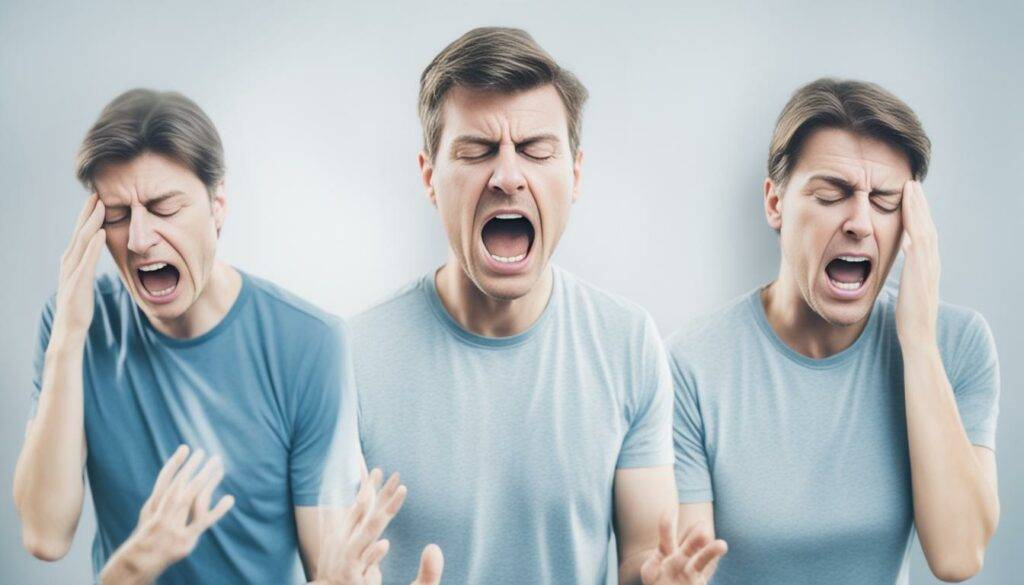
Causes of anxiety attacks
Anxiety attacks stem from both psychological and biological factors. Understanding these causes is crucial for proper treatment.
Psychological factors
Psychological factors include anxiety disorders, stress, and trauma. These factors make people more prone to crises in stressful situations. The World Health Organization says that anxiety affects people of all ages, with a 25% increase in cases of anxiety and depression during the Covid-19 pandemic, according to the WHO.
Biological and genetic factors
Biological factors in anxiety attacks include genetic predispositions and neurochemical imbalances. Approximately 264 million people worldwide have anxiety disorders, affecting more women Hormonal changes and physical health problems also increase the risk. Identifying the factors that trigger attacks is crucial for effective treatment.
https://www.youtube.com/watch?v=GV6eLfmGePQ
| Psychological Factors | Biological Factors |
|---|---|
| Psychological traumas | Genetic predispositions |
| Intense stress | Neurochemical imbalances |
| Emotional problems | Hormonal changes |
| Personality traits | Underlying medical conditions |
Common triggers for anxiety attacks
Understanding what triggers your anxiety is very important. Triggers for anxiety attacks can be different for each person. Financial problems and disagreements in relationships are common and can cause anxiety.
Social events, such as parties, can be difficult. They can make you feel shaky and short of breath.
Anxiety is the body's response to stressors. Consuming too much coffee can worsen it. Exercise helps reduce anxiety. It's a healthy way to deal with stress..
Working in stressful environments, major life changes, and uncertainties, such as the pandemic, can increase anxiety.
If you worry a lot, seek help. Experts can help you understand and deal with your triggers. Recognizing what causes you anxiety is the first step to improving your life.

Preventing anxiety attacks
It's very important to prevent anxiety attacks to maintain our mental health. Using self-care strategies every day can make a big difference. We'll show you practices that help reduce tension and improve well-being.
Self-care strategies
An effective way to prevent anxiety is to control your breathing. Deep breathing can calm the nervous system and bring tranquility. Regular physical activity also helps reduce anxiety.
Practicing relaxation techniques, such as meditation or yoga, is another good approach. Having good social support is crucial. Talking to friends and family can alleviate feelings of being overwhelmed. Knowing how to recognize warning signs is also very important.
Studies show that around 19 million Brazilians suffer from anxiety disorders These disorders can cause rapid heartbeats and insomnia. The Covid-19 pandemic has further increased these cases, making self-care more urgent.
https://www.youtube.com/watch?v=BVm4P6icaGI
Treatment for anxiety attacks
Treatment for anxiety attacks is very important for emotional well-being. There are two main methods: psychotherapy and medication. Both are essential for a full recovery.
Psychotherapy
Psychotherapy is an effective way to deal with anxiety. It helps people understand and overcome the causes of their anxiety. Cognitive Behavioral Therapy is very useful because it helps change negative thoughts that cause anxiety.
Use of medications
In severe cases, medication may be necessary. Psychiatrists prescribe anxiolytics and antidepressants. It is important to use medication with therapy for better results and a lasting recovery. </sup>

Professional help for anxiety attacks
When anxiety interferes with our daily lives, it is essential to seek professional help for anxiety crises. Psychiatrists and psychologists have the expertise to diagnose and create a tailored treatment plan. There are several ways to get help dealing with anxiety, which affects many people and impacts physical and emotional health.
Anxiety attacks can come on quickly and leave a person exhausted Using alcohol to relax is not a good idea and can worsen symptoms The Marcelo Parazzi Clinic offers online therapy for those who are far away, combining CBT and traditional treatments.
It's important to know how to recognize the signs of an anxiety attack, as each person reacts uniquely. Taking care of your mental health is crucial during difficult times. Seeking professional help can be an important step. Learn more about support and tips for coping with anxiety here.

Is there a cure for anxiety attacks?
Anxiety attacks can be treated, but this depends on proper and continuous treatment. The World Health Organization (WHO) says that Brazil has the highest number of people with anxiety. This affects % of the population.
To deal with anxiety, we need several approaches. This includes therapy, professional support, and self-care strategies. These actions help to decrease the intensity and frequency of crises.
Panic disorder can also be managed, but not completely cured.27 Experiences of anxiety vary greatly from person to person. It is important to find a treatment plan that meets our needs.
Each person must respect their own pace and needs. Recognizing that many approaches help manage disorders is crucial. But it's important to remember that no treatment completely eliminates the symptoms.

Conclusion
Understanding what an anxiety attack is and how to deal with it is crucial. In Brazil, anxiety disorders affect about 9.3% of the population — the highest rate in the world. This shows the importance of seeking help for those who suffer from anxiety.
Maintaining mental health requires self-care and professional help. Treatment may include therapy, self-care, and sometimes medication. This combination helps improve life and reduce crises. </sup>
It's important to stay informed and seek help when needed. Together, we can overcome anxiety with effective strategies and support. It's never too late to take care of yourself.
FAQ
What is an anxiety attack?
An anxiety attack is an intense and sudden reaction to fear. It brings physical and emotional symptoms. This occurs when a person perceives a situation as threatening.
What are the symptoms of an anxiety attack?
Symptoms include tachycardia and profuse sweating. There is also shortness of breath, tremors, and muscle tension. In addition, there is excessive worry and a constant feeling of fear. Difficulty concentrating is also a symptom.
How can we identify an anxiety attack?
An anxiety attack is identified by a sudden feeling of panic. Physical and emotional symptoms also help in identification. People who have had attacks frequently recognize the initial signs.
What are the causes of an anxiety attack?
The causes include stress and psychological trauma. Biological and genetic conditions can also play a role. This increases the likelihood of experiencing anxiety attacks.
How to prevent an anxiety attack?
Prevention involves self-care, such as controlled breathing and exercise. Relaxation techniques also help. Social support and self-awareness are important.
What treatments are available for anxiety attacks?
Treatments include psychotherapy, such as Cognitive Behavioral Therapy. In severe cases, medication may be used. This includes anxiolytics and antidepressants, under medical supervision.
Is it possible to cure an anxiety crisis?
There is no definitive cure for anxiety attacks. However, with consistent and appropriate treatment, it is possible to manage them well. This includes therapy and self-care strategies.
When should we seek professional help for anxiety attacks?
Seeking professional help is important when crises affect daily life. Mental health professionals can help with diagnosis and treatment.
References
- World Health Organization. Anxiety disorders — Fact sheet. 2023.
- Bandelow B, Michaelis S. Epidemiology of anxiety disorders in the 21st century. Dialogues in Clinical Neuroscience. 2015;17(3):327-335.
- American Psychiatric Association. Diagnostic and Statistical Manual of Mental Disorders, 5th edition, text revision (DSM-5-TR). 2022.
🌟 Have you considered seeking a therapist to support your well-being journey?
If this article sparked reflections about positive changes in your life, perhaps now is the ideal time to take the next step. Do you know hypnosis as a therapeutic tool? This approach can be surprisingly effective for various personal challenges.
Special offer: Book a free 20-minute consultation with therapist Fabio Morus and discover how therapy can transform your life.
✨ No commitment — Completely free — 20 minutes that can make a difference
👉 Click here to book your free consultation
Don't postpone your well-being any longer. The first step to change is just one click away.