Have you ever hesitated before sharing an opinion online, worried about criticism or misinterpretations? A recent survey of over 2,000 Brazilians reveals that 38% of the population lives under constant pressure when publishing digital content. This reality goes beyond simple insecurity: it's a silent crisis that compromises our authenticity and inner peace.
The virtual environment, which should be a space for connection, has become a stage for comparisons and unrealistic expectations. The anxiety of pleasing strangers and the fear of not meeting imaginary standards consume emotional energy that we could use for personal growth.
But there is hope. Understanding the psychological roots of this behavior allows us to create practical strategies. In this guide, we will explore how to regain your freedom of expression without sacrificing mental balance. You will discover techniques to navigate digital interactions with more confidence and less stress.
The journey begins here: transforming challenges into opportunities for a healthy relationship with technology. Let's build an online experience together that reflects who you truly are – not who you believe you should be.
Overview of social media and the impact of the trial.
Our relationship with virtual environments has changed more in the last 5 years than in previous decades. Platforms that were created to bring individuals closer together now function as arenas where every post becomes a potential target for analysis. 79% of Brazilians admit that these spaces can intensify psychological crises, according to Datafolha.
From connection to social complexity
In the early days of the internet, sharing ideas meant exchanges within restricted groups. Today, a single post reaches thousands in seconds – including strangers who shape opinions without context. This leap has transformed likes into social currency and comments into weapons of quick judgment.
Numbers that are alarming
Women lead the vulnerability statistics: 71% of panic disorder cases related to digital use are female. Meanwhile, 84% of the population sees a direct link between online hate speech and real-life risks.
Interestingly, we continue to actively use these tools even while acknowledging their dangers. This paradox reveals our contemporary need for belonging – even if the price is exposing our vulnerabilities to merciless criticism. The key lies in learning to filter constructive opinions from the toxic noise.
Fear of judgment on social media and its effects on mental health.
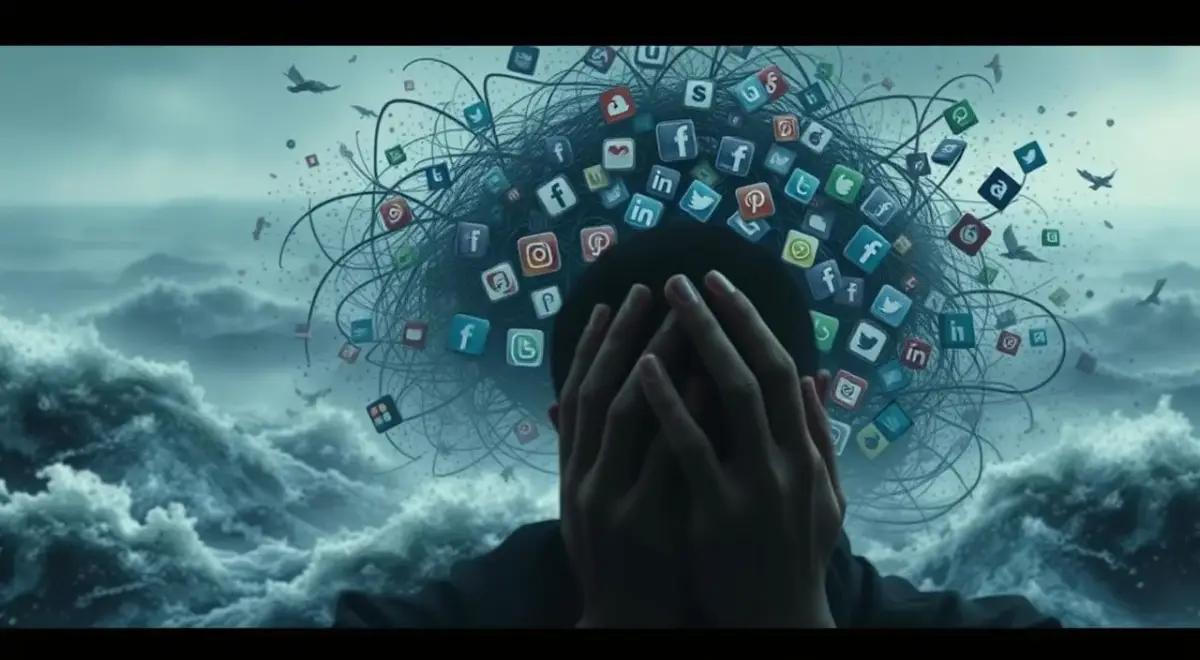
How many times have you reviewed a photo before posting, imagining other people's reactions? This simple gesture reveals how digital environments influence our perception of value. The need for acceptance has transformed platforms into distorted mirrors, where each interaction can fuel doubts or strengthen authenticity.
Emotional and psychological impacts
Constant alertness consumes vital energy. Research shows that 3 out of 5 users experience mental fatigue after intense online interactions. Physical symptoms follow: 42% report frequent headaches, while 58% notice changes in sleep patterns.
| Symptom | Frequency | Daily Impact |
|---|---|---|
| Insomnia | 61% of cases | Reduced productivity |
| Muscle tension | 54% of reports | Difficulty relaxing |
| Social isolation | 73% of users | Loss of actual connections |
Relationship with self-esteem and self-confidence
Likes shouldn't define who we are, but many use them as an emotional barometer. When followers become judges , our inner voice loses strength. The solution? Create anchors of personal value disconnected from digital metrics.
Recognizing toxic patterns is the first step. Replacing comparisons with self-compassion allows you to rebuild confidence from the inside out. Remember: your essence is worth more than any virtual projection.
The origins of fear and insecurity in the digital environment.
Why do so many people freeze before pressing "publish"? The root of this behavior lies in the unique combination of psychological factors that digital platforms amplify. We live in a paradoxical situation where we seek connection, but face invisible barriers created by our own minds.
Fear of the unknown and personal uncertainties
In face-to-face conversations, we read microexpressions and intonations. Online, we only have static words. This absence of concrete signals generates a feeling of interpretative emptiness . Our brain, programmed to predict risks, fills in the gaps with catastrophic hypotheses.
| Factor | Face-to-face interaction | Digital Environment |
|---|---|---|
| Nonverbal signals | Present (88% of communication) | Non-existent |
| Response Time | Immediate | Variable (minutes to days) |
| Social Context | Known groups | heterogeneous public |
The thought process is clear: without visual feedback, we project our insecurities onto others. Studies show that 65% of people overestimate the judgment of others by up to 300% when posting content.
Self-assessment and internal criticism
Herein lies the real challenge. Our rigorous internal standards create distorted filters. The voice that whispers "this isn't good enough" before posting reflects our self-criticism more than external reality.
When we transfer this severity to others, we make a common mistake: assuming they are as demanding as we are. In practice, 92% of users don't even notice details that paralyze us. Recognizing this disparity is the first step towards publishing with more ease.
The influence of perfectionism and FOPO.
Two silent forces sabotage our digital expression: the need to present a flawless image and the paralyzing fear of external judgment. These mental patterns transform simple posts into complex emotional challenges.
Perfectionism: the pursuit of the ideal image
On digital platforms, many fall into the trap of endlessly editing content . They adjust filters, rethink captions, and postpone posts for fear of exposing their humanity. Research indicates that 68% of users abandon posts because they feel "something is missing."
This obsessive pursuit ignores a crucial fact: real connections are born from authenticity. When we hide flaws, we create virtual personas that require constant maintenance. The result? Mental exhaustion and missed genuine opportunities.
FOPO: When the fear of opinion paralyzes.
The phenomenon called FOPO (Fear of Other People's Opinion) affects 1 in 3 active users. These are people who consume content daily but never share their own ideas . The cycle is clear: create → criticize → archive.
Overcoming this pattern requires training your mind to value contributions over approvals. Start with small steps: publish a brief thought before revising it. Gradually, you will discover that your voice matters more than potential judgments .
Cancel culture and its consequences.
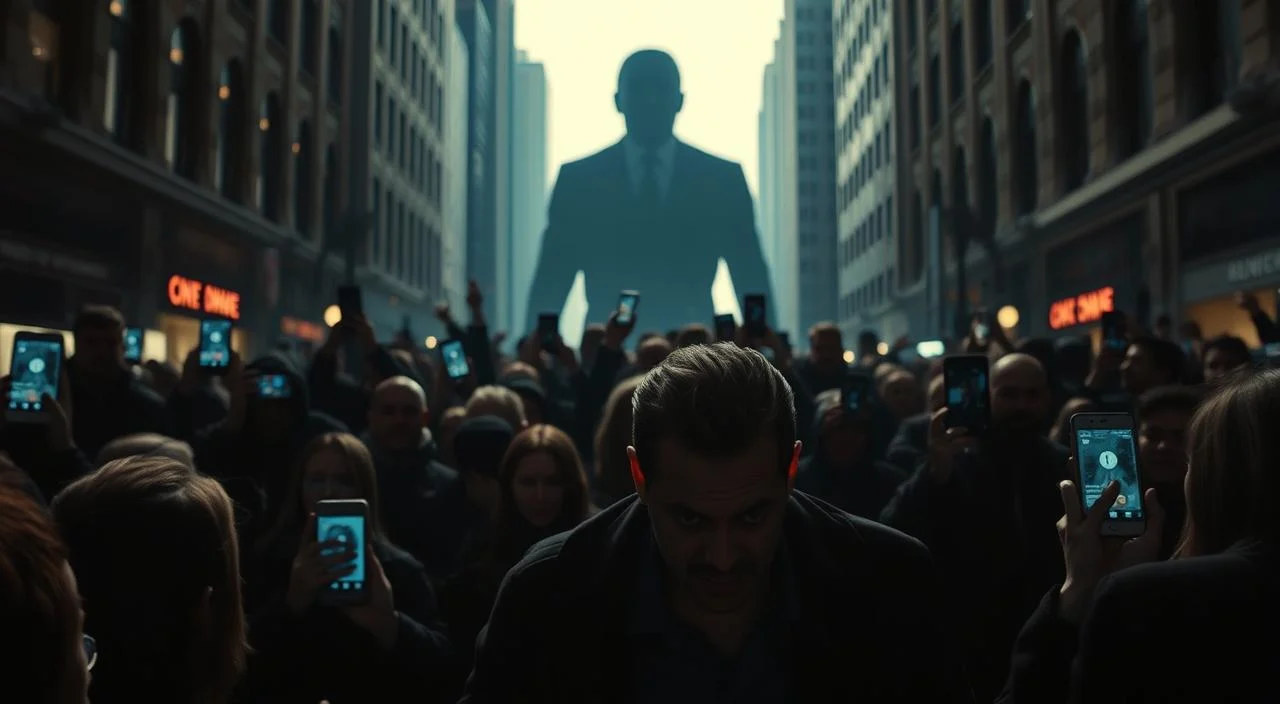
A phenomenon that began as legitimate criticism has transformed into an instrument of collective destruction. Cancel culture gained strength after cases like that of Karol Conka on BBB 21, revealing dangerous patterns in digital interactions. Today, 63% of Brazilians report knowing someone who has suffered massive online attacks.
Public exposure and the pressure of image.
The case of Luísa Sonza shows how private life becomes a public spectacle. After her separation, the singer faced organized hate campaigns that worsened with the family tragedy. Diagnosed with three psychological disorders, she became a symbol of the risks of overexposure.
The pressure to be perfect increases when any slip-up becomes ammunition for criticism. Data reveals that 52% of users delete posts after a few minutes for fear of misinterpretation. This constant self-censorship limits our ability to express ourselves authentically.
Emblematic cases and lessons learned
Victims of cancel culture share common patterns:
- Attacks that begin online and invade real life.
- Irreparable professional damage in 68% of cases.
- Symptoms of anxiety were present in 89% of victims.
These episodes teach us that protecting mental health requires conscious action. Setting digital boundaries, cultivating support networks, and seeking therapy are essential steps. Remember: other people's opinions often reflect the insecurities of those who express them.
By observing these cases, we learn that resisting cancel culture begins with self-awareness. Valuing our humanity above impossible standards frees us for healthier and less toxic interactions.
Practical strategies for dealing with fear.
Transforming fear into action requires concrete tools that anyone can adapt to their routine. The first step is recognizing that change happens through small daily choices. Let's explore scientific methods that transform anxiety into productive energy.
Energizing techniques and self-confidence exercises
Dr. Richard Moss's method revolutionizes emotional preparation. Set aside 15 minutes before important interactions to:
- Listening to music that lifts your spirits.
- Move your body through dance or stretching.
- Practice deep diaphragmatic breathing.
These exercises release endorphins and norepinephrine – substances that increase feelings of accomplishment. Studies show that this practice triples self-confidence in 82% of cases.
Tips for gradual and safe exposure.
Start by sharing ideas in small, supportive groups. Set aside a specific time of day for this, always paying attention to your physical reactions. Many find that, after a few times , the discomfort naturally diminishes.
Remember: every attempt is practice. Criticism may arise, but it doesn't define your worth. This first step , however small it may seem, builds emotional resilience for more complex interactions.
🌟 Have you considered seeking a therapist to support your well-being journey?
If this article sparked reflections about positive changes in your life, perhaps now is the ideal time to take the next step. Do you know hypnosis as a therapeutic tool? This approach can be surprisingly effective for various personal challenges.
Special offer: Book a free 20-minute consultation with therapist Fabio Morus and discover how therapy can transform your life.
✨ No commitment — Completely free — 20 minutes that can make a difference
👉 Click here to book your free consultation
Don't postpone your well-being any longer. The first step to change is just one click away.