Have you ever wondered what causes nervousness during important moments, such as a presentation or interview? Many people ignore techniques that can transform nervousness into an ally. We'll show you 10 techniques that really work to control nervousness .
Understanding nervousness is the first step in dealing with it. Many people feel nervous in various everyday situations. Recognizing that nervousness can be managed is very important.
Chronic stress can affect our mental health , causing persistent symptoms. Physical activity is a great way to stress and nervousness. Practicing physical exercise helps maintain emotional balance and mental health .
What is nervousness?
Nervousness is a natural bodily response to challenging situations. It can cause restlessness and anxiety. This happens in moments of pressure, such as public speaking or job interviews.
Many people feel nervous in their daily lives, especially when they are stressed 4 .
The definition of nervousness states that it is a temporary, not chronic , symptom. This means that nervousness usually passes with time, when stress decreases. Behaviors such as impatience, nail biting, and difficulty focusing can indicate nervousness .
It's important to understand that nervousness and anxiety are different. Nervousness is linked to specific events. Anxiety, on the other hand, can be deeper and affect life for a long time.
Understanding nervousness helps in finding ways to control it. This can improve our emotional well-being.
https://www.youtube.com/watch?v=0up8pgxepjE
The impact of nervousness on mental health.
The impact of nervousness on our mental health is very significant. It can cause strong emotional and physical reactions. This can lead to chronic anxiety and depression. The WHO says that stress affects 90% of people worldwide . In Brazil, 70% of the population suffers from stress .
It's important to understand how nervousness and stress affect our health. When we are stressed, we release cortisol, a hormone that changes our bodily functions. This makes it difficult to cope with everyday things. Stress can bring physical and psychological symptoms, such as a racing heart and insomnia .
Stress goes through three phases: alarm, resistance, and exhaustion. Exhaustion can lead to physical and mental illnesses. Therefore, it's crucial to have a healthy lifestyle. This includes eating well and exercising regularly to avoid the impact of nervousness .
Main symptoms of nervousness
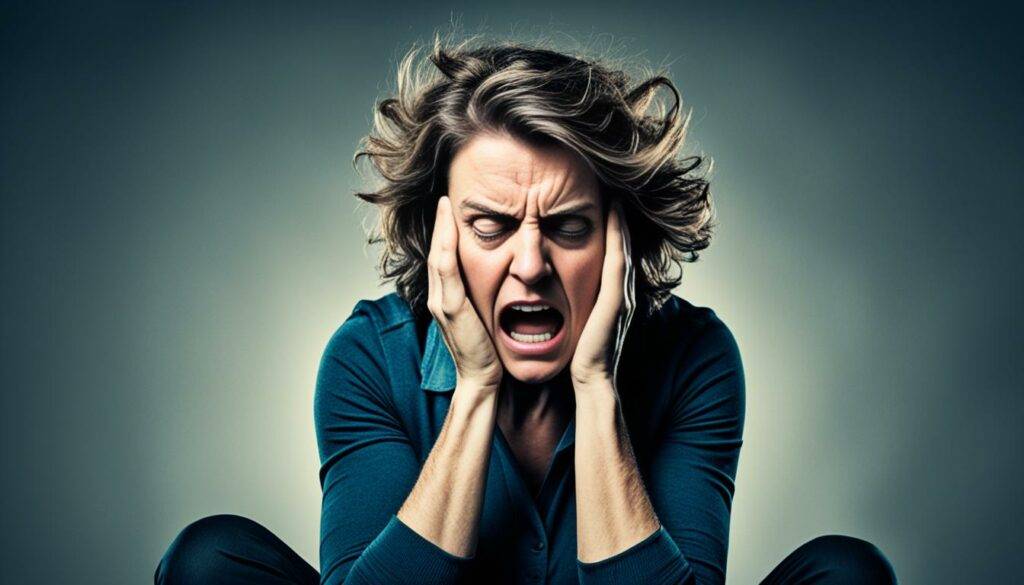
Symptoms of nervousness appear in various ways. They include physical and emotional reactions. It's important to know how to recognize these symptoms to understand when we are tense.
These symptoms are often similar to those of nervousness and anxiety . This shows how these conditions are linked.
https://www.youtube.com/watch?v=WJ810aHVnGY
Some common signs include a faster heartbeat, rapid breathing, and excessive sweating. You may also experience muscle tension and difficulty focusing. In situations of high stress, there may be palpitations, chest pain, and even a feeling of shortness of breath.<sup> 8 9 </sup>
Furthermore, those with anxiety may see dangers where there are none. This can worsen nervousness and anxiety . This anxiety can cause restlessness, nail-biting, and other habits that we cannot control .
Recognizing these symptoms is the first step in seeking help. Keeping an eye on insomnia, irritability, and excessive worry is important. This shows that nervousness needs to be treated. A doctor can help improve our lives .
Consequences of excessive nervousness
Excessive nervousness affects mental and physical health . Around 90% of people worldwide struggle with stress, according to the World Health Organization.11 Stress can cause headaches, muscle aches and sleep problems.11 More than a third of respondents in the "Stress in Brazil" study they felt very
The effects of nervousness go beyond discomfort. People may experience sweating, muscle tension, and tachycardia. In addition, they may have anxiety, difficulty concentrating, and excessive sensitivity.<sup> Up to 55.60% of people with stress have anxiety, and 23.20% have depression.<sup> </sup>
It is important to understand these effects in order to find ways to control them. Recognizing the signs of nervousness is crucial. This can prevent long-term health problems such as hypertension and heart problems and .

Emotional control: the key to dealing with nervousness.
Developing emotional control is essential for dealing with nervousness. Around 65% of people experience frustration. If we don't control these feelings, we may react with anger and . With emotional control techniques , we can face situations in a more balanced way.
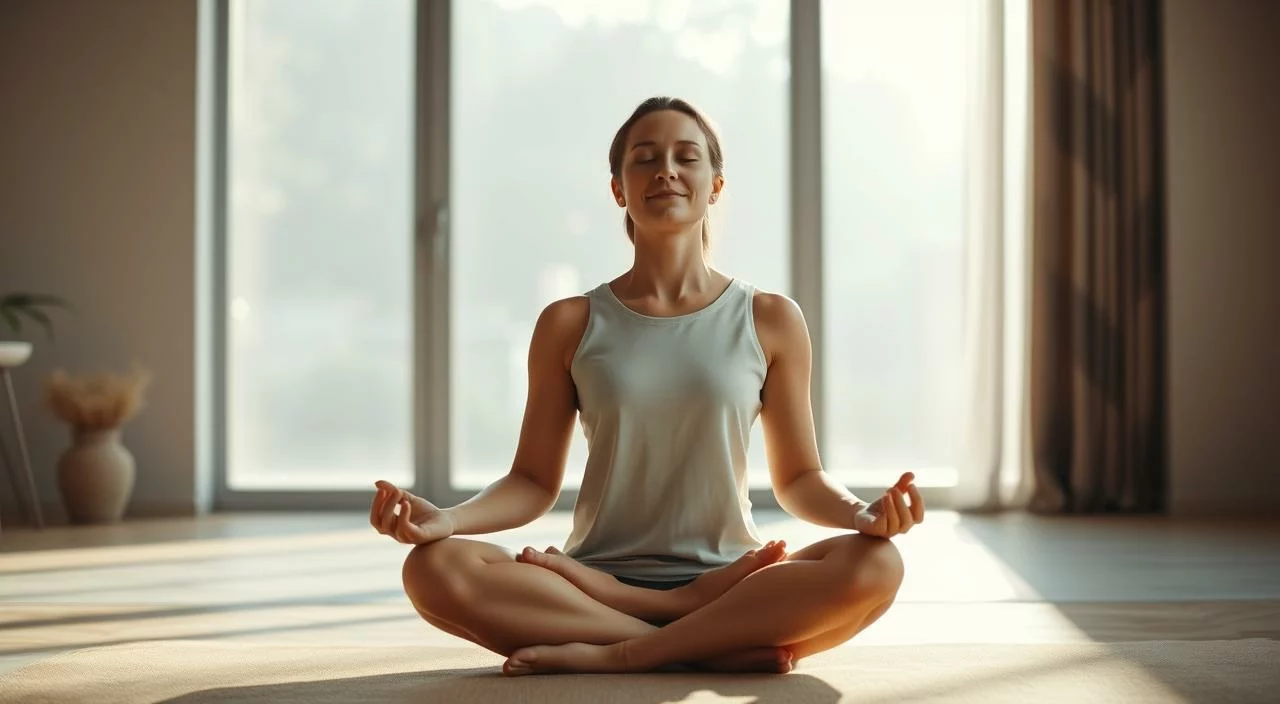
Practicing mindful breathing and meditation are good techniques for emotional control . They help us stay calm and improve our emotional intelligence. In moments of tension , taking time for yourself is very helpful. This gives us a chance to better understand the situation and find .
https://www.youtube.com/watch?v=AwxYSQGT734
How to control nervousness with relaxation techniques
Relaxation techniques are great for combating nervousness. They are widely used nowadays because stress is common. Practices such as meditation and breathing exercises help us to become calmer.
Having a meditation routine of just 5 minutes a day can change how we deal with nervousness. It also increases our confidence and well-being. Around 70% of the Brazilian population suffers from stress, according to Isma-BR Breathing correctly can quickly relieve tension and anxiety.
Yoga and stretching are also good for relaxation. They improve life, help you sleep better, and maintain emotional balance. These practices help us focus on the present moment, which helps control nervousness.

Exercise techniques to relieve nervousness.
Practicing physical exercise and reducing nervousness greatly helps to decrease anxiety. Running, dancing, doing yoga, or swimming are great options. These activities improve mental and physical health . They release substances in the body that make us feel good, such as serotonin and dopamine.<sup> 18</sup>
To get more benefits, it's good to include specific techniques in our routine. The 4-4-6 exercise, for example, helps to calm the breathing and the mind. It's also good to be around people who give us confidence .
Regular exercise improves mood and balances hormones. It also helps you sleep better, which is great for those with Outdoor or group activities bring physical and emotional benefits. This helps us cope better with nervousness.
| Exercise Technique | Benefits |
|---|---|
| Race | Stress reduction and increased energy . |
| Dance | It improves self-esteem and relieves symptoms of anxiety 18 . |
| Yoga | It helps balance hormones and calms the mind . |
| Swimming | It provides muscle and mental relaxation, reducing anxiety 18 . |
https://www.youtube.com/watch?v=m1ibQWQtY5M
The importance of sleep in managing nervousness.
Sleep is very important for dealing with nervousness. Not sleeping well or sleeping too little can make us more sensitive to stress and anxiety. About 72% of Brazilians have sleep problems, such as insomnia and apnea, their mental health.
It is recommended that young people and adults sleep between 7 and 8 hours a night to stay healthy. Insufficient sleep can impair memory and increase anxiety Having a sleep routine is essential for sleeping well and controlling emotions, helping to manage nervousness .
| Age Range | Recommended Sleep Duration |
|---|---|
| Newborns | 2 PM to 5 PM |
| Children (up to 2 years old) | 9 AM to 3 PM |
| Children (up to 5 years old) | 10 to 12 hours |
| Children (up to 13 years old) | 9 to 11 o'clock |
| Teenagers | 10 hours |
| Young people (18 to 25 years old) | 7 to 9 hours |
| Adults | 7 to 8 hours |
| Seniors (over 65 years old) | 7 to 8 hours |
Avoiding excessive use of electronics before bed helps improve sleep. This can reduce nervousness. So, don't underestimate the importance of sleep for well-being. 
Relationships and social support in combating nervousness.
Having good relationships is essential for our mental health. They are fundamental in combating nervousness. Friends and family offer emotional support that relieves pressure. People who spend most of their energy trying to please and rarely say no tend to pay for it in exhaustion and anxiety, so recognising the pattern early, before it becomes chronic, matters; read about people pleasing for the signs.
Social isolation can be by choice or not. People with low self-esteem or trauma may withdraw. This increases loneliness and makes nervousness worse.
Interacting with other people relieves our emotional burden. The book "Interpersonal Relationships in the 21st Century and Emotional Stress" shows how these relationships affect our well-being. Having social support is crucial for dealing with nervousness.
Psychotherapy helps those who feel isolated. It helps us understand why we isolate ourselves and improve our . Accepting social support strengthens us to cope with nervousness.
https://www.youtube.com/watch?v=AHhKSs6lfeM
Time management strategies to minimize nervousness.
Managing time well is very important for us. It helps reduce nervousness. Prioritizing daily tasks helps avoid overload, which can cause anxiety. Around 70% of people feel they have too little time, affecting their work and mental health. <sup>25</sup>
Organizing tasks at the beginning of the week is a good strategy. It makes us feel more relaxed. It's important to have time for work, friends, and self-care. This improves planning and reduces nervousness .
Having realistic to-do lists and deadlines helps manage stress. Around 80% of people experience stress and anxiety due to a lack of organization . It's also important to take breaks. The brain needs rest to process information, which helps it work better and reduces nervousness .

Treatment for nervousness: when to seek professional help
Nervousness can be a natural response to stressful situations. But when it becomes persistent, it's time to seek help. Mental health professionals, such as psychologists and psychiatrists, are essential in this process. They help to understand the causes of nervousness and create a treatment plan for each person.
It is important to seek professional help if you experience a rapid heart rate, dizziness, and other physical reactions that affect your daily life 26 .
Studies show that psychological treatment is effective for anxiety and nervousness. It provides tools to control emotions and cope with stressful situations. Burnout Syndrome, which affects those who work excessively, can worsen nervousness and requires professional help .
It is recommended to start with a psychologist and, if necessary, go to a psychiatrist. Ongoing follow-up is crucial to see how the treatment is going and to adjust the strategies 26 .

- Identifying negative thought patterns.
- To teach relaxation and breathing techniques .
- Exploring triggers of nervousness in specific situations.
- Follow-up in case medication is needed.
Recognizing the need for professional help is the first step in managing anxiety. This way, we can find a better path to our mental health.
When nervousness is always tied to one specific situation, such as public speaking or an exam, it can be worth understanding performance anxiety as its own condition.
Conclusion
Nervousness is a common problem that many face. With effective strategies, such as those mentioned here, we can improve our control over it. This improves our mental health. Relaxation techniques and physical exercise are key to dealing with nervousness.
Having friends and healthy relationships helps a lot. They give us support and a safe place to express our emotions. This is very important for dealing with nervousness.
Taking care of our mental health and following recommendations can help us face the challenges of daily life. We encourage you to use the techniques mentioned and to seek more information, such as material on how to calm anxiety . This can improve how we deal with nervousness and bring more balance to our lives. <sup>29</sup>
FAQ
What is nervousness and what are its main symptoms?
Nervousness is the body's response to challenging situations. It brings symptoms such as rapid heartbeat, accelerated breathing, excessive sweating, muscle tension, and difficulty concentrating.
How can nervousness impact our mental health?
Nervousness can lead to chronic stress, chronic anxiety, and depression. This affects our ability to cope with daily life and causes significant emotional strain.
What techniques can I use to control my nervousness?
To control nervousness, you can use relaxation techniques , conscious breathing, meditation, physical exercise, and a healthy sleep routine.
What should I do if my nervousness becomes excessive?
If nervousness becomes too intense and affects your life, seek help from psychologists or psychiatrists. They can offer support and personalized strategies.
How can time management help minimize nervousness?
Time management is important for reducing nervousness. Prioritize tasks, set limits, and make a plan. Using to-do lists and realistic deadlines helps a lot.
How important are healthy relationships in managing nervousness?
Having healthy relationships and a strong emotional support network is essential. Friends and family can alleviate pressure and anxiety during difficult times.
How does physical exercise influence the control of nervousness?
Regular physical exercise releases neurotransmitters that make us feel good. This improves mental health and provides a social space to combat anxiety.
How does sleep affect nervousness and emotional health?
Getting enough sleep is crucial for both mental and physical health. Not sleeping well reduces our ability to cope with stress, increasing nervousness and other mental health problems.
🌟 Have you considered seeking a therapist to support your well-being journey?
If this article sparked reflections about positive changes in your life, perhaps now is the ideal time to take the next step. Do you know hypnosis as a therapeutic tool? This approach can be surprisingly effective for various personal challenges.
Special offer: Book a free 20-minute consultation with therapist Fabio Morus and discover how therapy can transform your life.
✨ No commitment — Completely free — 20 minutes that can make a difference
👉 Click here to book your free consultation
Don't postpone your well-being any longer. The first step to change is just one click away.