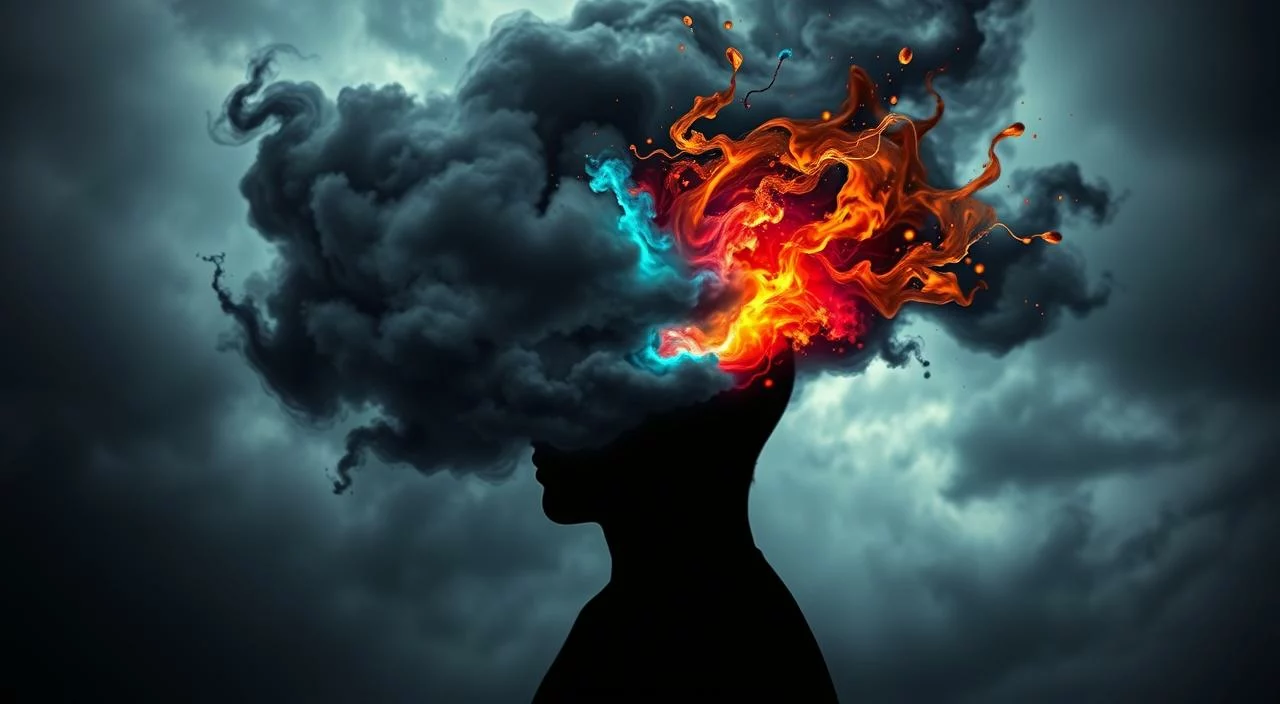
According to the World Health Organization (WHO), Brazil has the highest number of people with anxiety. This affects more than 18 million people. To control this, hypnotherapy and relaxation techniques are very effective.
Key Points
- Anxiety is a significant problem that affects millions of people worldwide.
- Brazil has the highest number of people with anxiety disorders.
- There are 7 effective methods to control anxiety and improve quality of life.
- Hypnotherapy for anxiety and relaxation techniques can help control anxiety .
- It is important to seek professional help to treat anxiety.
- Anxiety can be controlled with physical exercise and a good night's sleep.
- Cognitive behavioral therapy is recommended for milder cases of anxiety disorder.
Understanding Anxiety and Its Impact on Daily Life
Anxiety is a normal emotion that can become a problem. It can affect anyone, regardless of age or life situation. More than 58 million people worldwide have anxiety disorders, according to the World Health Organization.
How to break free from anxiety? To control anxiety, seeking natural treatments is essential. Self-hypnosis is one of these options. It helps reduce anxiety and promotes relaxation. It is also crucial to understand the signs and symptoms of anxiety, such as headaches and digestive problems.
Common Signs and Symptoms of Anxiety
- Headaches
- Digestive problems
- Insomnia
- Muscle tension
Anxiety affects not only the mind but also the body. For example, muscle tension can cause pain in areas such as the shoulders and back. It can also change mood and cause emotional breakdowns.
How Anxiety Affects Body and Mind
Anxiety can disrupt your routine and quality of life. It can make you feel tired and affect your concentration. It's important to seek professional help to manage anxiety and take care of your mental health.
How to break free from anxiety? Essential First Steps
Reducing stress is very helpful in combating anxiety. Breathing techniques and meditation are good for this. They reduce heart rate and the release of adrenaline , stress hormones.
Complementary therapy is also very helpful. Practices like mindfulness and meditation improve concentration. They also reduce worry .
To begin managing anxiety, it's important to know that it's possible. Here are some essential steps:
- Practice deep breathing and meditation regularly.
- Adopt a routine of physical exercise and a balanced diet .
- Establish a proper sleep routine.
With these steps, you can begin to reduce stress and anxiety. This greatly improves your life. Remember that managing anxiety is a process, and it's important to seek professional help if you're having difficulties.
The Power of Breathing Techniques in Controlling Anxiety

Conscious breathing helps reduce anxiety. Breathing techniques are very effective. They bring calm and relaxation.
Several techniques are helpful, such as diaphragmatic breathing and the 4-7-8 technique. Guided meditation also helps. It focuses the mind and reduces negative thoughts.
Psychotherapy is a good option for those seeking in-depth treatment. A professional can help change thoughts and behaviors that cause anxiety.
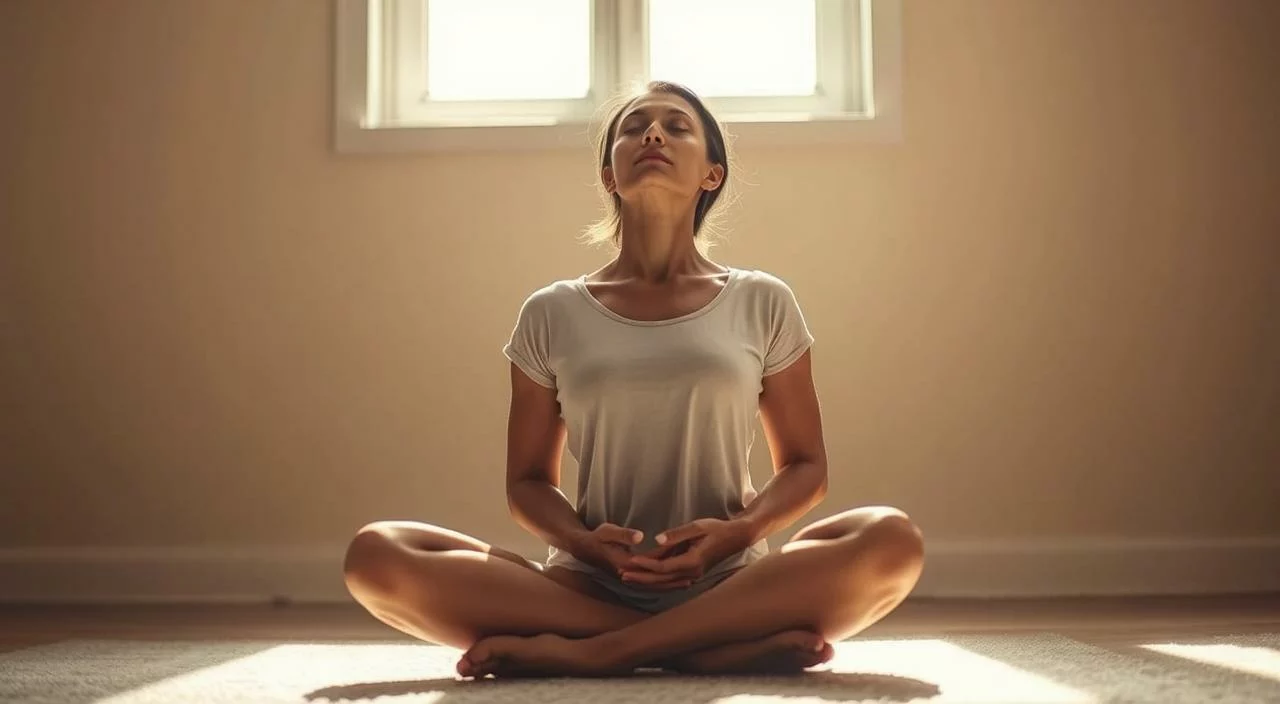
To begin, stop three times a day to observe your breathing. This reduces anxiety and brings calm.
- Find a quiet place to sit or lie down.
- Close your eyes and focus on your breathing.
- Inhale through your nose and exhale through your mouth.
- Repeat for several minutes, focusing on your breathing and letting go of your thoughts.
Regular practice helps a lot. Guided meditation and psychotherapy are also very helpful.
Mindfulness and Meditation: Allies Against Anxiety

Regular meditation helps lower cortisol, the stress hormone. This helps reduce anxiety. Mindfulness meditation also breaks the cycle of worry that increases anxiety.
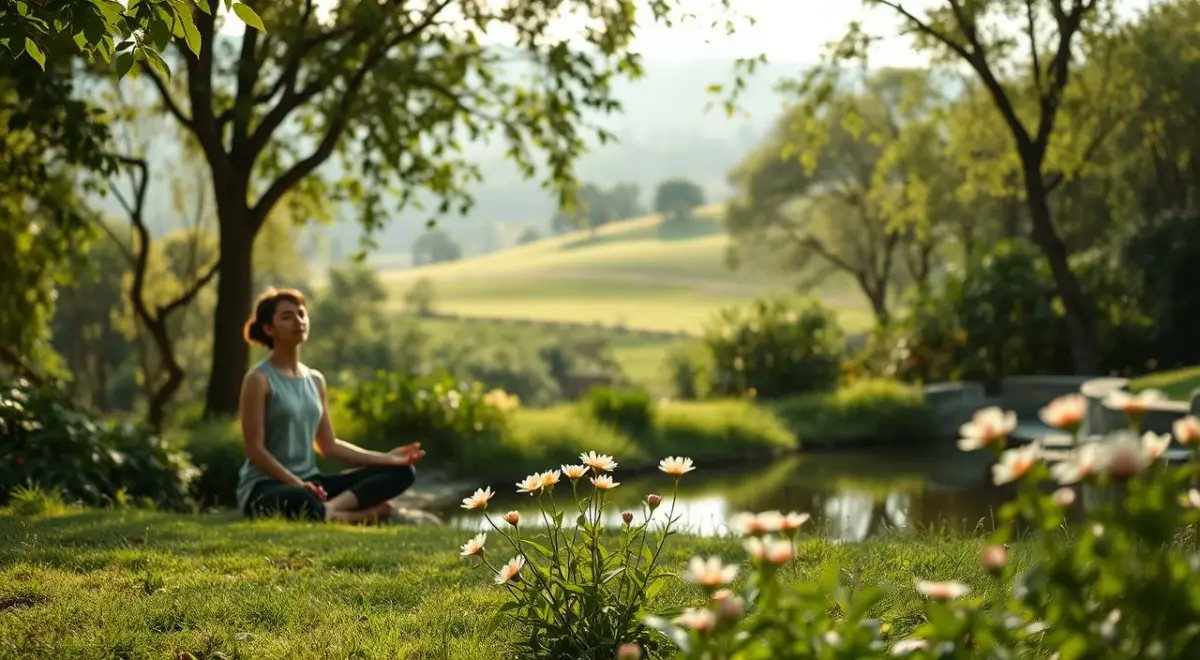
To begin meditating , start with 5 to 10 minutes. Then, increase the time as you feel more comfortable. Apps like Headspace and Calm have sessions for anxiety. They show that following a routine helps maintain the practice.
The benefits of mindfulness and meditation are numerous:
- Reduction of anxiety and depression symptoms
- Increased mental and physical well-being.
- Improved decision-making and increased productivity.
- Stress reduction and increased resilience.
With daily mindfulness and meditation , you can better manage anxiety. This leads to a more peaceful and healthy life.
Physical Exercise as a Therapeutic Tool

Physical exercise is very helpful in managing anxiety . It brings benefits that go beyond physical health. Regular physical activity can reduce anxiety and improve the lives of those who practice it.
Complementary therapy , which includes exercise, is a holistic way to care for mental health. It's great for those seeking alternatives or complements to traditional therapy.
Benefits of Regular Exercise
Regular exercise can balance hormone levels. This helps prevent health problems related to a sedentary lifestyle. Furthermore, physical activity can improve sleep, which is essential for managing anxiety.
Best Physical Activities for Anxiety
Some physical activities are very good for people with anxiety. These include:
- Yoga, which combines exercise with breathing techniques and meditation.
- Swimming, a low-impact activity done in a relaxing environment.
- Dance, which blends exercise with creative expression.
These activities not only improve physical health, but they also help reduce stress and anxiety, promoting better anxiety management .
Complementary Therapies in the Treatment of Anxiety

Complementary therapies are a good option for those who suffer from anxiety. The World Health Organization (WHO) says that more than 18 million Brazilians suffer from anxiety. Practices such as acupuncture, yoga, and meditation can help reduce stress and anxiety.
Some complementary therapies for managing anxiety include:
- Acupuncture: recognized by the WHO as a complementary treatment for anxiety.
- Yoga and meditation: they help reduce stress and anxiety.
- Self-hypnosis : can be used to control anxiety and promote relaxation.
It's crucial to use complementary therapies alongside natural anxiety treatments , always under the guidance of a healthcare professional. Self-hypnosis is also a useful tool for managing anxiety and relaxing.
Hypnotherapy and Self-Hypnosis: Innovative Methods

Hypnotherapy and self-hypnosis are new ways of dealing with anxiety. They help reduce stress. These techniques are seen as alternatives to traditional medications for mental health problems.
Studies show that hypnosis can create false memories. However, it is effective in reducing pain and anxiety. That's what the literature says.
Proven Benefits
The benefits of hypnotherapy and self-hypnosis are numerous:
- Reducing stress and anxiety
- Pain management
- Improved sleep
- Increased self-confidence
These practices can be used in conjunction with other therapies. However, hypnotherapy is not for those with serious psychiatric problems.
Self-Hypnosis Practices for Beginners
To begin with self-hypnosis, find a quiet place. Then, close your eyes and breathe deeply. Focus on your breathing.
Use self-hypnosis phrases, such as "I am calm and relaxed." This helps to enter a trance state.
Nutrition and Its Influence on Anxiety Control

Food is very important for controlling anxiety. Studies show that eating less omega-3 can cause depression and anxiety. Vitamin B6, B12, and folic acid help the nervous system and improve mental health.
Eating well can reduce anxiety. Some good foods include:
- Oily fish, such as sardines and salmon, are rich in omega-3.
- Citrus fruits, such as oranges and kiwis, are rich in flavonoids and vitamin C.
- Nuts and seeds, such as peanuts and pumpkin seeds, are rich in vitamin B and magnesium.
Foods high in sugar and refined flour can worsen anxiety. Coffee and alcohol can also be bad for people with anxiety.
In short, what we eat affects anxiety. Eating well and in a balanced way helps us feel better. It's good to know which foods are good and which are not for taking care of our health.
| Food | Benefit |
|---|---|
| Oily fish | Rich in omega-3, they help reduce anxiety. |
| Citrus fruits | Rich in flavonoids and vitamin C, they help reduce stress. |
| Nuts and seeds | Rich in vitamin B and magnesium, they help reduce anxiety. |
Establishing a Self-Care Routine

To manage anxiety and stress, it's essential to have a self-care routine. This involves exercising, meditating, and eating well. Stress reduction and anxiety management improve significantly with this.
To begin, some steps are:
- Create a peaceful environment.
- Develop nighttime rituals.
- Exercise regularly
Studies show that exercise can reduce anxiety by 20%. Also, having an organized workspace helps to reduce stress in 25% of cases.
A good routine also includes breathing techniques and keeping a journal. These practices help control negative thoughts. This reduces anxiety and stress.
| Practice | Benefit |
|---|---|
| Physical exercises | Up to 20% reduction in anxiety symptoms. |
| Organization of the environment | Reduction of feelings of overload in 25% of individuals. |
| Conscious breathing techniques | Significant reduction in anxiety symptoms. |
In conclusion , having a self-care routine is crucial for dealing with stress and anxiety. Practicing exercise, meditating, and using self-care techniques helps a lot. This improves the lives of those who suffer from these problems.
The Role of Social Support in Recovery
Social support is very helpful in combating anxiety and stress. Having friends and family is essential. They help you cope with your emotions.
Having strong support makes managing anxiety easier.
The benefits of social support are many:
- It helps to feel less isolated.
- It offers emotional support.
- It helps you learn how to deal with problems.
- It reduces anxiety and stress.
This support can come from many places: friends, family, support groups, and even mental health professionals. It's important to find the right support for each person.
In conclusion , social support is very important for those dealing with anxiety and stress. With good support, it's possible to learn to cope better with problems. This helps to feel less isolated and reduces anxiety.
| Type of Support | Benefits |
|---|---|
| Friends and Family | Emotional support helps reduce feelings of isolation. |
| Support Groups | It helps develop coping skills and provides a network of emotional support. |
| Mental Health Professionals | It helps develop coping skills, provides emotional support and guidance. |
Practical Strategies for Times of Crisis
In times of crisis, it's essential to have practical strategies . They help reduce stress and manage anxiety. Around 9.3% of the Brazilian population suffers from anxiety, according to the World Health Organization (WHO). It's important to learn how to cope with these feelings.
There are several effective approaches to managing anxiety. Here are some practical strategies that can help:
- Grounding techniques: these techniques help to maintain focus on the present and reduce anxiety.
- Visualization exercises: visualization can help create a state of calm and reduce stress.
- Emergency action plan: Having an action plan for crisis situations can help reduce anxiety and increase feelings of control.
To reduce stress, several strategies can be used. Regular physical exercise, a balanced diet, and meditation are some of them. By adding these strategies to your daily routine, it's possible to improve anxiety management and reduce stress.
In short, practical strategies for times of crisis are essential. They help reduce stress and manage anxiety. By learning to cope with these feelings, it's possible to improve quality of life and mental health.
| Strategy | Description |
|---|---|
| Grounding techniques | They help to maintain focus on the present and reduce anxiety. |
| Visualization exercises | They help create a state of calm and reduce stress. |
| Emergency action plan | It helps reduce anxiety and increase the feeling of control. |
When to Seek Professional Help
Seeking professional help is essential when anxiety and stress levels are very high. Many people are afraid to ask for help. But it's important to remember that managing anxiety and stress greatly improves life.
There are signs that indicate it's time to seek professional help . Some of these signs are:
- Difficulty controlling anxiety
- Impact on daily life, including relationships and work performance.
- Physical symptoms, such as palpitations and sweating.
Studies show that anxiety greatly affects people's lives. See some statistics below:
| Statistic | Percentage |
|---|---|
| People who report difficulty concentrating at work due to anxiety. | 70% |
| People who feel that anxiety affects their daily productivity. | 40% |
| Increased absenteeism among professionals dealing with high levels of anxiety. | 25% |
Seeking professional help to manage anxiety and reduce stress greatly improves life. It helps to overcome the challenges of anxiety.
Maintaining Emotional Balance in the Long Term
To maintain emotional balance , it is essential to develop resilience. It is also important to prevent relapses. This helps control anxiety and stress in the long term.
Developing Resilience
Resilience helps in dealing with difficult situations. Practicing relaxation techniques , such as meditation and yoga, is very helpful. Seeking social support is also important.
Relapse Prevention
To avoid relapses, it's crucial to identify anxiety triggers. Developing strategies to deal with them is fundamental. Creating an action plan for crises and seeking professional support are important steps.
Self-Monitoring Tools
Using journals and apps helps to understand anxiety. This allows you to create personalized strategies to manage anxiety and stress.
Remember, maintaining emotional balance is an ongoing process. With resilience, relapse prevention, and self-monitoring tools, it's possible. Thus, it's possible to maintain emotional balance in the long term and reduce anxiety and stress.
Integrating Different Therapeutic Approaches
Using multiple therapeutic approaches can reduce anxiety and stress. Each method offers unique benefits. They can be tailored to meet each person's specific needs.
Some of the best-known therapeutic approaches are:
- Breathing and relaxation techniques
- Regular physical exercise
- Anxiety management practices, such as meditation and mindfulness.
- Complementary therapies , such as hypnotherapy and self-hypnosis.
Reducing stress is a major goal. This is achieved by combining relaxation techniques, exercise, and anxiety management practices.
It is crucial to have a healthcare professional guiding the integration of therapeutic approaches . It is also essential to find the ideal mix for each person.
Conclusion
We explored various strategies to manage anxiety and regain tranquility . Breathing techniques and self-care are very important. They help reduce stress and find emotional balance.
Overcoming anxiety takes time, but it's possible. With persistence, you can break free and live better. Remember, many people face anxiety and find ways to cope with it.
If needed, seek professional help. Therapists and specialists can be of great assistance. Experiment with different approaches to find what works best for you.
Practicing the strategies in this article is a great step towards a more balanced life. Anxiety will no longer control you. Begin this journey of self-discovery and self-care. You deserve to live peacefully.
How about scheduling a free 20-minute session with Therapist Fabio Morus? He can help you take the first step towards a lighter and more balanced life. Click here to schedule!
🌟 Have you considered seeking a therapist to support your well-being journey?
If this article sparked reflections about positive changes in your life, perhaps now is the ideal time to take the next step. Do you know hypnosis as a therapeutic tool? This approach can be surprisingly effective for various personal challenges.
Special offer: Book a free 20-minute consultation with therapist Fabio Morus and discover how therapy can transform your life.
✨ No commitment — Completely free — 20 minutes that can make a difference
👉 Click here to book your free consultation
Don't postpone your well-being any longer. The first step to change is just one click away.