

Have you ever worried excessively about your health? Perhaps you thought every symptom was a sign of serious illness. Hypochondria can make this happen every day. Thousands of Brazilians have suffered in silence with this condition.
This condition causes people to see their bodies in a distorted way. This causes a lot of fear and affects their lives.
This article will tell you 7 important facts about hypochondria. We want to help you better understand this problem. We will provide clear information and support for those who want to know more about hypochondria.
Fact 1: What is Hypochondria?
Hypochondria, now called health anxiety disorder , is a complex psychological condition. It affects thousands of people. People with hypochondria have intense and persistent worries about their health, even without medical symptoms.
Individuals with this disorder perceive normal bodily sensations as signs of serious illness. To determine if someone has hypochondria, check if they have:
- Excessive worry about possible illnesses
- Constant search for medical information
- Distrust in professional diagnoses
- Frequent medical check-ups
Hypochondria can appear alongside other disorders, such as anxiety and OCD. Experts say it significantly affects quality of life, especially in adulthood.
| Features | Description |
|---|---|
| Frequency | Common in adults |
| Main Symptoms | Nervousness, anxiety about health |
| Treatment | Psychological and psychiatric support |
Today, healthcare professionals have a better understanding of hypochondria. They offer more effective and personalized treatments.
Fact 2: Most Common Symptoms
Hypochondria presents with various signs that can change someone's life. It's essential to know how to identify these symptoms in order to seek help.
- Constant excessive worry about possible illnesses.
- Misinterpreting normal bodily sensations as serious symptoms.
- Intense anxiety about health conditions
- Distrust of negative medical diagnoses
Symptoms of hypochondria can manifest in various ways. They greatly affect people's emotional and mental well-being.
| Behavior | Frequency |
|---|---|
| Frequent monitoring of vital signs | Daily |
| Ongoing research on diseases | Several times a day |
| Avoiding situations for fear of health risks. | Regularly |
Between 4% and 9% of the world's population shows signs of hypochondria . Identifying hypochondria requires observing health-related behavior.
People with hypochondria have worries that last for at least six months. These worries greatly affect their daily lives.
Fact 3: Possible Causes of Hypochondria
Hypochondria is a complex disorder with multiple causes. These stem from different areas of human life. This includes psychological, emotional, and social aspects.
Risk factors include:
- Traumatic experiences in childhood
- Family history of mental disorders
- High levels of stress
- Genetic predisposition to anxiety
Studies show that 3% to 4% of patients seeking medical attention have hypochondriac characteristics. The disorder usually begins in adolescence and worsens after age 40.
Psychodynamic elements are essential for understanding hypochondria. In psychoanalysis, it is seen as a narcissistic investment . The individual is overly concerned with their body.
The way hypochondria is experienced varies greatly. This depends on:
- Cultural context
- Contemporary aesthetic references
- Interpersonal interactions
- Individual perceptions of health
It's important to understand that each case of hypochondria is unique. It reflects the complexity of the individual experience and its psychological and social interfaces.
Fact 4: How is it diagnosed?

Diagnosing hypochondria is not simple. Mental health professionals conduct a detailed analysis. They seek to understand the signs of the disorder.
To make the diagnosis, specialists use the DSM-5. They look at several things, such as:
- Excessive worry about serious illnesses
- Misinterpretation of bodily sensations
- Constant anxiety about health
- Problems doing everyday things
Want to know if you're a hypochondriac? See if you do these things:
- He is looking for a lot of medical information.
- She is very afraid of serious illnesses.
- He undergoes many medical examinations.
- He is very suspicious of medical diagnoses.
There are no specific tests for hypochondria. Professionals conduct a thorough assessment. They want to understand the patient's thinking and rule out actual illnesses.
| Diagnostic Criteria | Description |
|---|---|
| Duration of Symptoms | Persistent concerns for at least 6 months |
| Impact on Life | Significant interference in social and professional activities. |
| Psychological Assessment | Detailed analysis of thought and behavior patterns. |
Important: Only a mental health professional can diagnose hypochondria. Personal suspicions are not sufficient.
Fact 5: Impacts on Personal and Social Life
Hypochondria can destroy someone's quality of life. It affects not only mental health, but also personal and social life.
People with hypochondria face significant challenges. They have:
- Personal relationships that deteriorate.
- Difficulties at work
- Social isolation
- High medical expenses
The psychological effects are also strong. Hypochondria and quality of life are linked. This creates a cycle of worries that affects emotional well-being.
Studies show that people with hypochondria may also have:
- Anxiety
- Depression
- Low self-esteem
- Difficulty focusing
By constantly seeking medical advice and exaggerating symptoms, these individuals may distance themselves from friends and family. This creates loneliness and distress.
Understanding these impacts helps in seeking professional help. It is also essential to develop strategies for dealing with hypochondria.
Fact 6: Available Treatments

Treating hypochondria requires a specialized approach. Cognitive Behavioral Therapy (CBT) is very effective. It gives patients tools to deal with their fears.
The main treatment options include:
- Cognitive Behavioral Therapy (CBT)
- Hypnotherapy with CBT
- Exposure therapy
- Behavioral stress management
- Drug interventions
Hypnosis and cognitive behavioral therapy are very powerful. They help change the mental patterns that cause anxiety. In this way, the patient learns to see things differently.
Medications are used when necessary. They may be antidepressants or anxiolytics to reduce symptoms. The choice of treatment varies from person to person, depending on many factors.
An interesting fact is that 10 million Brazilians suffer from hypochondria. This highlights the need for personalized treatments, which should improve quality of life and emotional well-being.
Fact 7: How to Deal with Hypochondria in Everyday Life
Dealing with hypochondria requires care and strategy. Those who have constant worries about their health can use practical techniques. This helps to manage thoughts and reduce anxiety.
To deal with hypochondria, some strategies are effective:
- Practicing mindfulness techniques to calm the mind
- Limit searches for medical information online.
- Keep a journal of thoughts and feelings.
- Establish a healthy exercise routine.
- Seek support from friends and family.
Relaxation is essential. Deep breathing, meditation, and yoga help reduce anxiety. It's crucial to question thoughts about illness.
Mental health professionals suggest focusing on quality of life. A balanced diet, sufficient sleep, and regular exercise help reduce anxiety. This decreases excessive worry about health.
Cognitive behavioral therapy is effective against hypochondria. Working with a psychologist helps create strategies to cope with recurring fears and thoughts.
Causes and Risk Factors of Hypochondria
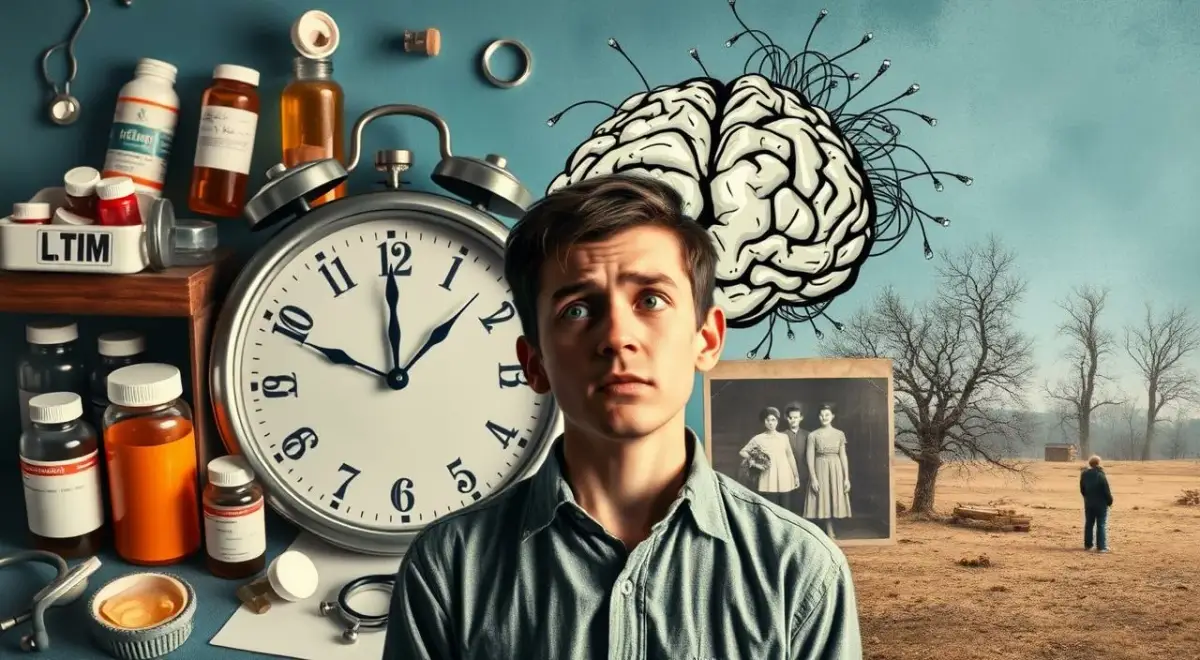
Hypochondria is a complex challenge with several risk factors. Knowing what causes hypochondria helps in understanding and treating this condition. It affects the mental health of many people.
Fundamental Psychological Factors
Psychological factors are essential for the development of hypochondria. Traumatic experiences, low self-esteem, and anxiety are important factors. They can cause hypochondria to arise.
- Unresolved emotional traumas
- Catastrophic thought patterns
- Difficulty processing emotions
Relevant Environmental Influences
The environment also influences hypochondria. Excessive medical information, a family history of illnesses, and traumatic health experiences can all contribute to hypochondriacal behaviors .
- Overexposure to online medical content
- Family history of chronic diseases
- Family environment highly concerned with health.
Genetic Predisposition
Studies show that genetics also plays a role in hypochondria. Those with a family history of anxiety or obsessive-compulsive disorders are more likely to have hypochondria.
- Genetic predisposition to anxiety disorders
- Family history of similar behaviors
- inherited neurobiological characteristics
Impact on the Patient's Daily Life
Hypochondria can completely change someone's routine. It greatly affects quality of life. The impact is seen in various behaviors that affect emotional and social well-being.
Patients with hypochondria have constant worries about their health. This mental state affects various areas of life:
- Social isolation due to fear of disease.
- Difficulties at work
- Emotional strain from frequent medical appointments.
- Psychological overload from research on symptoms.
Hypochondria and quality of life are linked. Approximately 75% of hypochondriac patients experience a significant impact on their daily routine, according to the DSM-V.
| Affected Area | Impact |
|---|---|
| Relationships | Tension and potential estrangement |
| Work | Low productivity and potential absences |
| Mental health | Increased anxiety and stress |
The challenges are complex. They require a multidisciplinary approach. This includes psychological support and, sometimes, psychiatric follow-up. In this way, it is possible to manage the symptoms and reduce the impact on daily life.
Typical Hypochondriac Behaviors
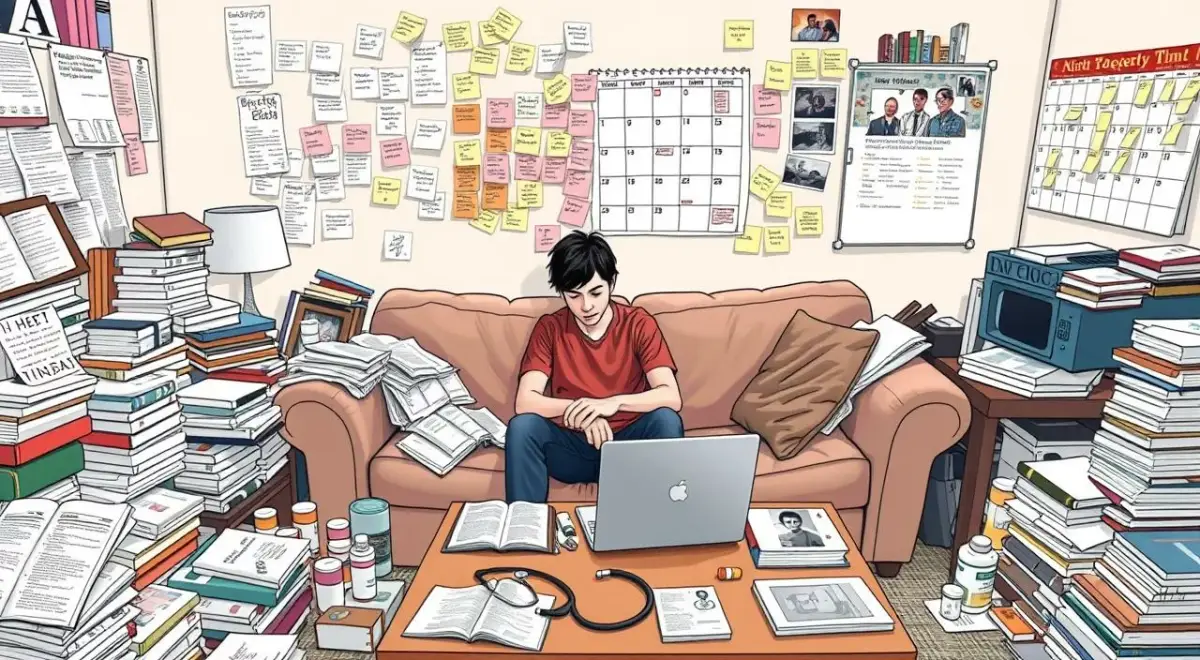
Hypochondria causes people to worry excessively about their health. Around 9% of the Brazilian population shows signs of hypochondria . These behaviors can significantly affect their lives.
Excessive Search for Medical Information
Hypochondriacs often search extensively for health information online. They spend hours reading about health, believing they have serious illnesses.
- Ongoing research on diseases
- Frequent consultation of medical forums
- Catastrophist interpretation of symptoms
Constant Self-Examination
Checking the body is common among hypochondriacs. They look at their body repeatedly, searching for illnesses.
| Type of Self-Examination | Frequency |
|---|---|
| Temperature check | Several times a day |
| Blood pressure measurement | Multiple times daily |
| Checking for spots or marks | Obsessive frequency |
Need for Reinsurance
Hypochondriacs always want to know if they are okay. They ask doctors and family members for a lot of advice to feel reassured.
Hypochondriac behaviors can cause a great deal of fear. They significantly affect social and work relationships. This shows how complicated this mental health issue is.
Available Treatments and Therapeutic Approaches
Treatment for hypochondria uses various approaches. This helps the patient cope with anxiety and health concerns. Each therapy is tailored to meet the needs of the individual.
Several treatments can be used:
- Cognitive Behavioral Therapy (CBT)
- Exposure Therapy
- Stress Management
- Hypnotherapy
Hypnosis combined with CBT yields good results. This technique helps to change thoughts and better manage anxiety .
In some cases, antidepressant medication can help. But the main focus is psychological therapy.
Studies show that over 70% of hypochondria cases are successfully treated. The key is to seek professional help and commit to therapy.
Prevention and Self-Care

Maintaining emotional and mental well-being is essential. Knowing how to take care of yourself helps you deal with health concerns. This is crucial for those with hypochondria.
Anxiety Management Strategies
It's important to learn how to manage anxiety. This helps reduce stress and lessen the worry about your health. Here are some tips:
- Practice deep breathing exercises.
- Practice mindfulness meditation regularly.
- Limit online searches for medical symptoms.
- Keeping a diary of emotions and bodily sensations.
The Importance of Family Support
Family support is very important. A family member who understands and is patient can:
- Listen without judging
- Encourage them to seek professional help.
- Create a welcoming environment.
Having a self-care plan helps a lot. It improves the lives of those with hypochondriac tendencies.
| Strategy | Benefit |
|---|---|
| Regular physical exercise | Reducing stress and anxiety |
| Cognitive-behavioral therapy | Restructuring negative thoughts |
| Healthy sleep routine | Improved emotional balance |
The Dangers of Self-Medication
Self-medication is a major public health problem. It is even more dangerous for those with health-related anxiety. This practice can be very harmful.
According to statistics, 35% of medications are purchased without a prescription. This can have serious consequences. For those with hypochondria, this can worsen symptoms and create a vicious cycle.
- Drug poisoning is the leading cause of hospitalization in the country.
- 30,000 people are hospitalized for drug poisoning every year.
- 52% of men prefer not to go to the doctor and opt for self-medication.
The dangers of self-medication for hypochondriacs include:
- Risk of severe allergic reactions.
- Potential for developing substance abuse.
- Masking important symptoms
- Increased bacterial resistance
- Potential dangerous drug interactions
Many patients don't read the medication leaflet. This can be very dangerous. For hypochondriacs, it can increase anxiety and give a false sense of control.
To avoid the risks of self-medication , it is essential to seek medical advice. It is also important to recognize health-related anxiety.
Conclusion
Hypochondria is a major challenge, but it's not without hope. Treatment offers a glimmer of hope for those who suffer from it. Cognitive behavioral therapy helps to change fears and thoughts about health.
To deal with hypochondria, an action plan is needed. Hypnosis and cognitive therapy are powerful tools. They help reduce anxiety and learn to cope with bodily sensations. Professionals are essential on this path.
To feel better, it's important to acknowledge the problem and seek help. Simple changes, such as exercise and relaxation, help a lot. Family support is also crucial.
Every step toward treatment is a step toward a better life. Hypochondria can be overcome with effort, professional support, and a willingness to change.
How about scheduling a free 20-minute session with Therapist Fabio Morus? He can help you take the first step towards a lighter and more balanced life. Click here to schedule!
Source Links
| What is the link? | Link |
|---|---|
| Detailed article on the symptoms and treatment of hypochondria. | https://medprev.online/blog/hipocondria/hipocondria-o-que-e-sintomas-e-tratamento/ |
| Updated diagnostic criteria (MSD Manuals) | https://www.msdmanuals.com/pt/casa/distúrbios-de-saúde-mental/transtornos-de-sintomas-somáticos-e-transtornos-relacionados/transtorno-de-ansiedade-por-doença |
| Brief Strategic Therapy Protocol for Hypochondria | https://www.centroditerapiastrategica.com/pt/hipocondria/ |
| Updated overview with therapeutic approaches (Your Health) | https://www.tuasaude.com/mania-de-doenca/ |
| Patient reports and the role of psychotherapy (IPQHC) | [ https://ipqhc.org.br/2023/11/01/hipocondriaco-eu-quando-a-preocupacao-em-estar-doente-passa-dos |
🌟 Have you considered seeking a therapist to support your well-being journey?
If this article sparked reflections about positive changes in your life, perhaps now is the ideal time to take the next step. Do you know hypnosis as a therapeutic tool? This approach can be surprisingly effective for various personal challenges.
Special offer: Book a free 20-minute consultation with therapist Fabio Morus and discover how therapy can transform your life.
✨ No commitment — Completely free — 20 minutes that can make a difference
👉 Click here to book your free consultation
Don't postpone your well-being any longer. The first step to change is just one click away.