


Have you ever considered whether your happiness depends on another person? This is common, especially when we talk about emotional dependency. This condition makes you desperately need the approval and affection of others. This can lead to negative behaviors that affect your mental health and well-being.
This article will show signs of emotional dependency and its consequences in relationships. We will also talk about treatment, which includes psychotherapy as the main option 1. With self-knowledge and self-care, we can begin to recover and increase our self-esteem 2 .
What is Emotional Dependency?
Emotional dependency is when you have a strong need for affection and approval from other people. This can affect friends, family, and romantic partners. The person loses their freedom and constantly seeks validation from others, which harms their emotional well-being.
Studies show that anyone can have emotional dependency, regardless of gender, age, or income 3 .
This dependency can lead to unhealthy relationships where control and manipulation are common. Emotionally dependent individuals crave the undivided attention of others. They may become jealous and possessive, believing this demonstrates love. Low self-esteem, insecurity, and past traumas are common causes.<sup> 4 </sup>
This can cause a person to fear being abandoned or living alone.
https://www.youtube.com/watch?v=YGiqpHks_pg
Understanding emotional patterns is key to changing these negative situations. Digital therapy, for example, helps to confront trauma and gain self-confidence 5 .
Signs of Emotional Dependency
It is very important to know how to identify the signs of emotional dependency . Many people feel the need to always obtain approval and fear being abandoned. This can affect our ability to make decisions on our own, making it difficult to act without someone's opinion. This can prevent us from doing simple everyday things and make it difficult to recognize emotional dependency .
Anxiety and distress are common emotions in those with emotional dependency. They create a vicious cycle that can lead to isolation. When we notice symptoms of emotional dependency , many of us choose the relationship over our own interests. This can lead to excessive jealousy and possessiveness, causing conflicts .
Childhood trauma and lack of care can lead to a need for approval. This can increase signs of emotional dependency . If we notice these patterns, it may be necessary to seek professional help . Expert support is crucial to overcoming these challenges and improving our self-esteem and autonomy.<sup> 7</sup>
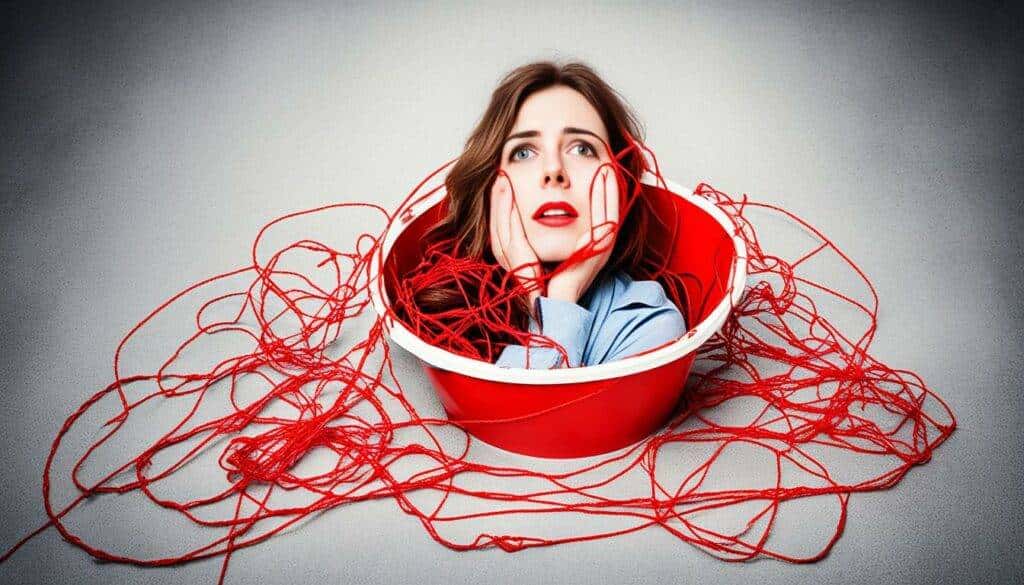
How to Recognize Emotional Dependency
Recognizing emotional dependency is a fundamental step in identifying emotional dependence . Often, we don't realize that our behavior may be a sign of dependency. It is essential to conduct an honest self-assessment of our emotions and behavioral patterns in relationships.
One of the risk factors is the excessive need for approval, which is often linked to a lack of self-esteem. This can manifest itself through symptoms such as difficulty in making important decisions and a constant feeling of emotional emptiness.8 Furthermore, emotional dependence often has its roots in childhood experiences, where unbalanced attention from caregivers shapes our current dynamics.9
Dependency can occur not only in romantic relationships, but also in family and professional relationships. 10 If we identify behaviors such as excessive jealousy, idealization of the partner, and the inability to be happy alone, we should begin to reflect on our emotional health. 9 Self-awareness practices and seeking professional help are crucial for dealing with this situation.
https://www.youtube.com/watch?v=bTCPas7x49Q
Finally, it's important to remember that recognizing emotional dependency is the first step toward change. Understanding our own behaviors will help us build healthier and more balanced relationships, minimizing the influence of risk factors associated with emotional dependency.
Consequences of Emotional Dependency
Emotional dependence can greatly affect our mental health and how we relate to others. This can stem from childhood or adolescent trauma. This dependence leads to negative behaviors that affect our emotional well-being.
Those who are emotionally dependent often experience a great deal of anxiety, depression, and loneliness. These feelings can stem from relationships, which activate the brain as if they were drugs.<sup> 11</sup>
Most of the time, emotional dependency occurs in romantic relationships. In these cases, emotions are very strong. Dependent people can become very submissive and lose their own identities. This can lead to worsening mental health , with feelings of idealization and devaluation of the other person. <sup>12</sup>
If left untreated, emotional dependency can worsen, leading to problems such as eating disorders and drug abuse. Therapy, especially online therapy like that offered by Vittude, is very important for changing these harmful behaviors.<sup> 11</sup>

| Consequences | Description |
|---|---|
| Anxiety | High levels of worry and constant nervousness. |
| Depression | Feelings of deep sadness and discouragement. |
| Loneliness | Feeling of isolation and disconnection from others. |
| Eating disorders | Harmful and unregulated eating behaviors. |
| Substance abuse | Excessive use of drugs or alcohol as a form of escape. |
| Low self-esteem | Lack of self-confidence and negative self-evaluation. |
Understanding the consequences of emotional dependency is a step towards improving our relationships and mental health.
The Role of Self-Esteem in Emotional Dependency
Self-esteem is very important in emotional dependency. People with low self-esteem seek approval from others , which affects their relationships. This can create a vicious cycle where self-love diminishes. This leads to over-caring for the partner and becoming very dependent on them . A family environment full of conflict can make these people feel insecure as they grow up, affecting their relationships .
https://www.youtube.com/watch?v=-lVpATX5J1Q
Working on self-image is crucial to breaking patterns of dependency. Studies show that emotional dependency can be treated with techniques that increase self-acceptance and self -esteem. Recognizing our worth and being emotionally independent helps us have better and more balanced relationships.
How to Overcome Emotional Dependency
Overcoming emotional dependency is a big step toward improving our mental health. It can stem from low self-esteem and insecurity. This causes people to seek love and security outside of themselves. Phrases like "I can't live without him/her!" clearly illustrate this dependency. <sup>16</sup>
To overcome this addiction, it is essential to know yourself better. Understanding our fears, limitations, and potential is crucial . Seeking help from a psychologist is a good idea. Psychotherapy helps to understand why and how this addiction arose .
Some practical steps can help along this path. For example:
- Learn to value and acknowledge your achievements.
- Rediscover hobbies and leisure activities that bring happiness.
- Setting boundaries in relationships, without always having to adapt to the other person.
- Building self-love, knowing that happiness doesn't come from someone else .
Emotional dependency can lead to bad relationships and excessive attachment.17 It is vital to have healthy relationships and understand that we should choose to be with someone, not depend on them. This thinking changes how we see love and happiness.

Self-Care and Reflection Strategies
Practicing self-care strategies is essential for those struggling with emotional dependency. This helps us create healthy habits and have moments of personal reflection , thus allowing us to better care for our emotional health.
Physical activities are very important. They help release stress and anxiety, improving our health and increasing longevity. Furthermore, emotional self-care brings many benefits, such as better school performance and less depression and anxiety. This is good for children and adolescents.<sup> 19</sup>
Practices such as self-talk, self-forgiveness, and contact with nature improve our emotional health. A gratitude journal, hobbies that bring us joy, and a safe environment are great for emotional development. The WHO sees self-care as an important attitude for improving quality of life and preventing disease. <sup>19</sup>
Having strong ties with family and friends is fundamental. They help us maintain emotional balance. This is crucial for a happy and independent life. <sup>19</sup>
| Self-Care Practices | Benefits |
|---|---|
| Physical Exercise | Stress reduction and increased longevity |
| Gratitude Journal | Improvements in mental health and self-esteem. |
| Contact with Nature | Increased emotional well-being |
| Self-forgiveness | Reducing guilt and promoting self-love |
https://www.youtube.com/watch?v=rhfAbDbAMx4
Toxic Relationships and Emotional Dependency
Emotional dependencies often lead to toxic relationships . In these cases, the emotional need of one for the other becomes unequal. People in this state lack autonomy and need constant attention from their partner, which increases the toxicity of the relationship. It is important to recognize the cycles of emotional abuse , which include periods of praise and devaluation, perpetuating the abuse.
(see warning signs ).

A study shows that 25,458,500 women in Brazil have already suffered domestic violence. This shows the importance of acting quickly when there are signs of manipulation or control. Knowing how to recognize relationship patterns and improving self-esteem helps to avoid harmful relationships. Engaging in activities that increase well-being is also crucial to avoid seeking validation outside oneself, promoting healthier relationships.
It is essential to understand emotional interactions. If the fear of expressing opinions arises because of an unequal dynamic, it's time for a change. Overcoming emotional dependence through self-knowledge and self-validation is crucial to breaking cycles of emotional abuse . <sup>21</sup>
Treatment and Professional Help
Treatment for emotional dependency is crucial for regaining mental and physical health. It involves psychotherapy, where professionals help to understand feelings and behaviors. Sessions can be challenging, but they require constant psychological support . <sup>22</sup>
Seeking professional help is an important step. There is no magic solution for emotional dependency. It can lead to loss of identity and affect self-esteem, making the individual prone to feelings of inadequacy 23. A therapist can help overcome these impacts, promoting self-awareness and rebuilding self-esteem 22 .
Emotional dependency can lead to harmful relationships and destructive behaviors, such as substance use.23 To break this cycle, it is essential to focus on oneself. Recognizing the problem and seeking treatment is the first step towards recovery.22

The Importance of Self-Love
Self-love is crucial to breaking emotional dependency. By investing in ourselves, we can break bad cycles in relationships. Understanding that dependency stems from childhood vulnerabilities helps to change those experiences.
Studies show that self-love helps create healthy relationships. Feeling happy with ourselves increases our self-esteem. Doing things that bring us joy, like mindfulness and cooking, improves our mental and physical health. <sup>24</sup>
Having self-love helps us make better choices about who we want to be with. A good relationship is based on mutual respect and support. Denying our emotional needs can cause suffering, leading to dissatisfaction .

Conclusion
Emotional dependency affects many people, damaging their self-esteem and relationships. Recognizing and understanding this condition is crucial for emotional recovery . Learn more about this in the conclusion on emotional dependency .
The roots of emotional dependency often stem from childhood. Understanding this can help break negative cycles. Practicing self-care and seeking professional help are important steps in setting boundaries and increasing self-esteem.
In short, cultivating self-love and emotional autonomy is fundamental for well-being. With the right tools, we can overcome emotional dependence and live a full and happy life. <sup>27 28 </sup>
FAQ
What is emotional dependency?
Emotional dependency occurs when someone has a strong need for affection and validation from others. This can lead to a loss of emotional autonomy and poor relationships.
What are the signs of emotional dependency?
The signs include needing a lot of approval and being jealous. They also include fearing abandonment, being unable to make decisions independently, and feeling empty when alone.
What are the consequences of emotional dependency on mental health?
The consequences include anxiety and depression. It can also lead to loneliness, loss of identity, and cycles of idealization and devaluation. This can cause emotional burnout.
How can we recognize emotional dependency?
To recognize this, conduct an honest self-assessment. Observe your behavioral patterns in relationships and your search for external validation.
Does self-esteem affect emotional dependency?
Yes, low self-esteem can lead to seeking validation from others. This fuels emotional dependency and hinders healthy relationships.
What strategies can help overcome emotional dependency?
Strategies include psychotherapy, building support networks, and engaging in positive activities. It's also important to set boundaries and take care of yourself, such as through meditation and exercise.
Why are relationships marked by emotional dependency considered toxic?
They are toxic because emotional dependence can cause jealousy and controlling behaviors. This creates cycles of idealization and devaluation, affecting the relationship.
What is the treatment like for emotional dependency?
Treatment involves psychotherapy. The professional helps to identify behavioral patterns, investigate comorbidities, and create a treatment plan.
How important is self-love in overcoming emotional dependency?
Self-love is crucial. Cultivating a healthy relationship with yourself helps break cycles of dependency. This allows you to seek more balanced and fulfilling connections.
🌟 Have you considered seeking a therapist to support your well-being journey?
If this article sparked reflections about positive changes in your life, perhaps now is the ideal time to take the next step. Do you know hypnosis as a therapeutic tool? This approach can be surprisingly effective for various personal challenges.
Special offer: Book a free 20-minute consultation with therapist Fabio Morus and discover how therapy can transform your life.
✨ No commitment — Completely free — 20 minutes that can make a difference
👉 Click here to book your free consultation
Don't postpone your well-being any longer. The first step to change is just one click away.