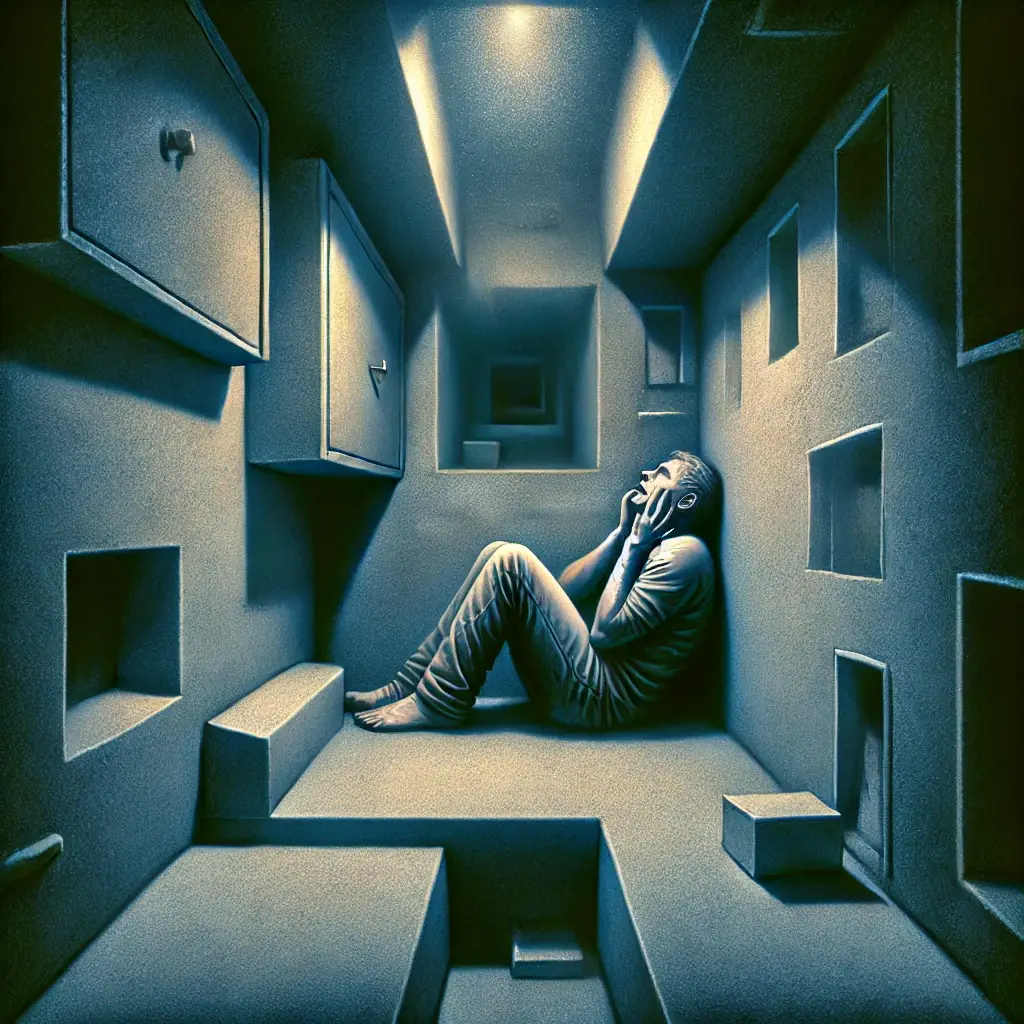

Have you ever felt your heart race in an elevator or in a place without windows? Claustrophobia is more than just discomfort. It's an intense fear of enclosed spaces that affects millions.
Claustrophobia is a major challenge that limits the lives of many. Knowing what claustrophobia is is the first step to overcoming it. It can cause a great deal of fear in enclosed spaces.
According to the World Health Organization, 25% of the global population suffers from claustrophobia. The symptoms can be very unpleasant. However, there are effective ways to manage them.
Key Points
- Claustrophobia affects approximately 25% of the world's population.
- Symptoms include intense anxiety and increased heart rate.
- It can be caused by trauma or genetic predisposition.
- Treatments include therapy and management techniques.
- It is possible to develop coping strategies.
What is claustrophobia?
Claustrophobia is not just a fear. It's an anxiety disorder that causes people to fear enclosed spaces. This can lead to strong emotional reactions and physical problems.
Medical Definition of the Condition
For doctors, claustrophobia is an anxiety disorder. It occurs when a person feels trapped in small or inescapable spaces.
How Claustrophobia Affects Daily Life
Claustrophobia is not just a passing fear. It greatly limits people's lives. They may have difficulties in:
- Avoid elevators.
- Reluctance to use public transport
- Postponing medical exams in closed environments
- Plan alternative routes to avoid confined spaces.
Prevalence in the Population
Many people are afraid of enclosed spaces. The World Health Organization says that about 25% of the world's population has claustrophobia.
| Features | Details |
|---|---|
| Global Prevalence | 25% of the population |
| Type of Disorder | Situational Anxiety |
| Treatment Options | 75% success rate with CBT (Cognitive Behavioral Therapy). |
Understanding claustrophobia helps in finding ways to cope with it. This allows people to improve their lives.
Main Causes and Risk Factors
Claustrophobia stems from a combination of psychological, biological, and environmental factors. It can begin in youth, creating intense fears.
- Traumatic experiences in childhood
- Family history of anxiety disorders
- Episodes of accidental confinement
- Genetic predisposition to fear
Studies show that people with claustrophobic relatives are more likely to have the problem themselves. The biological root is linked to a natural warning system against threats.
| Risk Category | Impact on Claustrophobia |
|---|---|
| Childhood Trauma | High development potential |
| Family History | Significant genetic influence |
| Confinement Experiences | Direct trigger for symptoms |
Understanding the causes of claustrophobia helps in creating coping strategies. This allows people to manage and overcome their fears.
Physical and Emotional Manifestations

Claustrophobia greatly affects emotional and physical well-being. Understanding the symptoms and reactions is essential to coping with it.
Common Physical Symptoms
The symptoms of claustrophobia can be intense. They affect the body in various ways. Some common physical reactions include:
- Rapid heartbeat
- Gasping for breath
- Intense sweating
- Involuntary tremors
- Feeling of suffocation
Emotional Reactions During Crises
Emotional reactions in claustrophobia are difficult. They include:
- Intense and irrational fear
- Extreme anxiety
- Feeling of loss of control
- An urgent desire to escape.
- Sudden panic
Most Frequent Triggers
Claustrophobia triggers can vary. But some places are more common:
- Small elevators
- Narrow tunnels
- Crowded public transport
- Rooms without windows
- Medical tests such as magnetic resonance imaging (MRI).
The intensity of symptoms varies greatly from person to person. This can significantly affect the lives of those who have claustrophobia.
Situations that trigger claustrophobia.
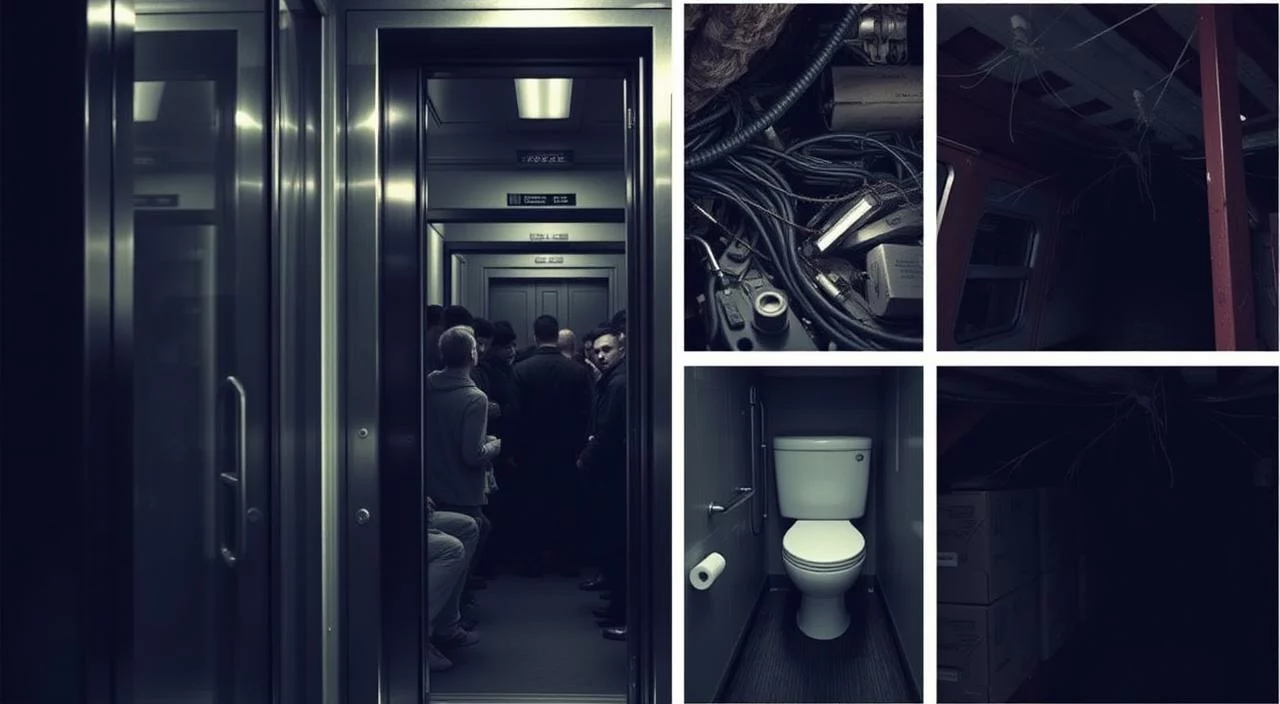
Claustrophobia appears in many places. It affects many people. About 5% of the population experiences intense fear and anxiety.
- Small and crowded elevators
- Public transport with limited space
- Closed rooms without adequate ventilation.
- Medical examinations in confined spaces
- Tunnels and underground spaces
- Narrow clothing fitting rooms
Claustrophobia triggers vary from person to person. But generally, they involve enclosed spaces with no room to move.
| Type of Environment | Risk Level | Common Symptoms |
|---|---|---|
| Elevators | High | Sweating, tachycardia |
| Magnetic Resonance Imaging (MRI) | Very High | Panic, shortness of breath |
| Airplanes | Average | Anxiety, tremors |
Anticipating these situations can cause anxiety even before they happen.
Impact on Quality of Life

Claustrophobia is a major challenge for those who suffer from it. It greatly affects both personal and professional life. The fear of claustrophobia is not just a temporary situation; it can severely limit people's daily lives.
Limitations in Daily Life
The limitations of claustrophobia are very significant. Some of them are:
- Difficulty using elevators
- Avoid crowded public transport.
- Fear of participating in meetings in closed rooms.
- Problems undergoing medical exams such as MRI scans
Social and Professional Consequences
The consequences of claustrophobia are significant in social and professional life. Many people avoid situations to avoid fear. This limits their chances of growing and connecting with others.
| Area | Impact |
|---|---|
| Professional Environment | Restrictions on careers involving confined spaces. |
| Social Life | Isolation and refusal to participate in events. |
| Relationships | Difficulty in maintaining close connections |
Effects on Mental Health
Claustrophobia can greatly affect mental health. Chronic stress can lead to:
- Generalized anxiety
- Depression
- Low self-esteem
- Possible development of other anxiety disorders.
Studies show that 5% of the world's population has claustrophobia. About 50% have traumatic experiences with enclosed spaces. But the good news is that treatments like Cognitive Behavioral Therapy can be very helpful. They have a success rate of 70% to 90%.
Diagnostic and Assessment Methods
Diagnosing claustrophobia is complex. It requires evaluation by mental health professionals. Psychologists and psychiatrists use strategies to understand this anxiety.
- Detailed clinical interview regarding symptom history.
- Analysis of situations that trigger fear.
- Verification of the impact on daily life
- Application of specialized questionnaires
Professionals assess the intensity and frequency of symptoms . This helps to understand the severity. It is important to rule out other medical conditions that may appear similar.
| Evaluation Method | Objective |
|---|---|
| Clinical Interview | Understanding personal and historical context |
| Standardized Questionnaires | Measuring anxiety and phobia levels |
| Controlled Exposure | Observing reactions in specific situations |
Gradual exposure helps to observe the patient's reactions. This aids in accurate and personalized diagnosis.
Available Treatments
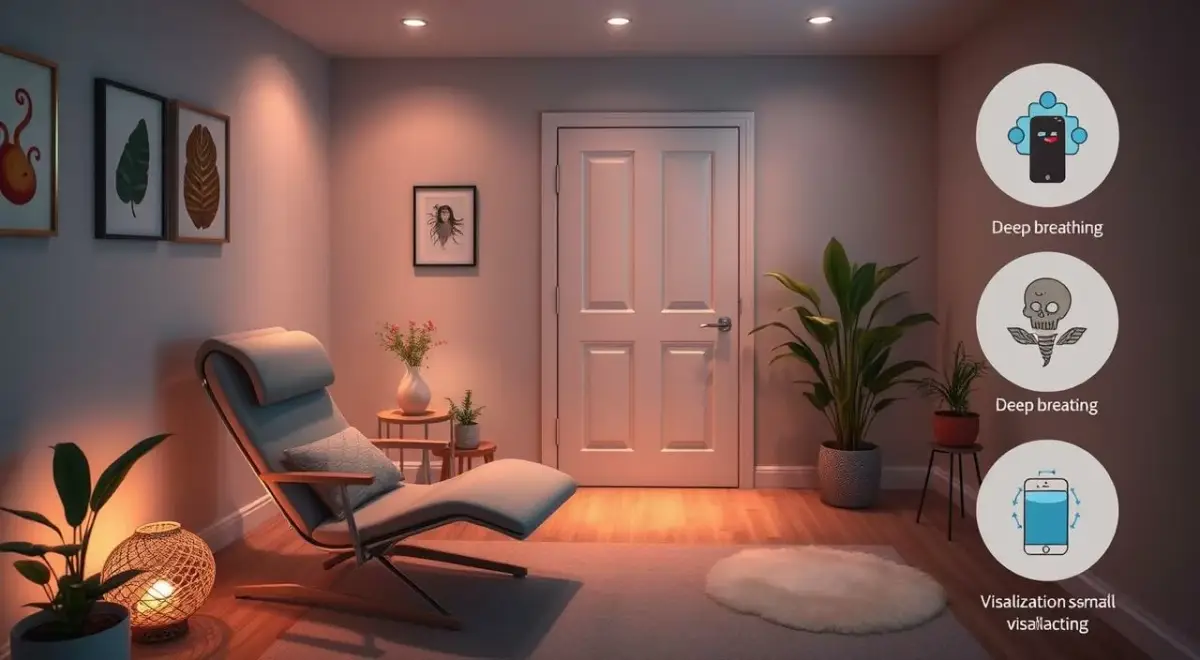
Claustrophobia is a major challenge for many people. However, there are effective treatments to overcome this fear. These treatments help reduce anxiety and teach how to cope with the fear.
Cognitive-Behavioral Therapy
Cognitive behavioral therapy (CBT) is the primary form of treatment. It helps to change thoughts and behaviors, thus enabling patients to learn how to cope with their fears.
- Identifying distorted thoughts about enclosed spaces
- Develop coping strategies
- Reduce anxiety gradually.
- Rebuilding limiting beliefs
Medications for Claustrophobia
In some cases, medication helps with treatment. The main ones are:
| Type of Medication | Function |
|---|---|
| Anxiolytics | Reduce symptoms of acute anxiety. |
| Antidepressants | Controlling symptoms of chronic anxiety |
| Beta-blockers | Controlling the physical symptoms of anxiety |
Gradual Exposure Techniques
Exposure techniques are very important. They allow the patient to:
- Face the situations you fear gradually.
- Develop mechanisms for emotional control.
- It reduces the fear response.
- Gain confidence.
Nearly 75% of people with specific phobias overcome their fears with therapy. This shows how effective these therapies are.
Coping Strategies During Crises
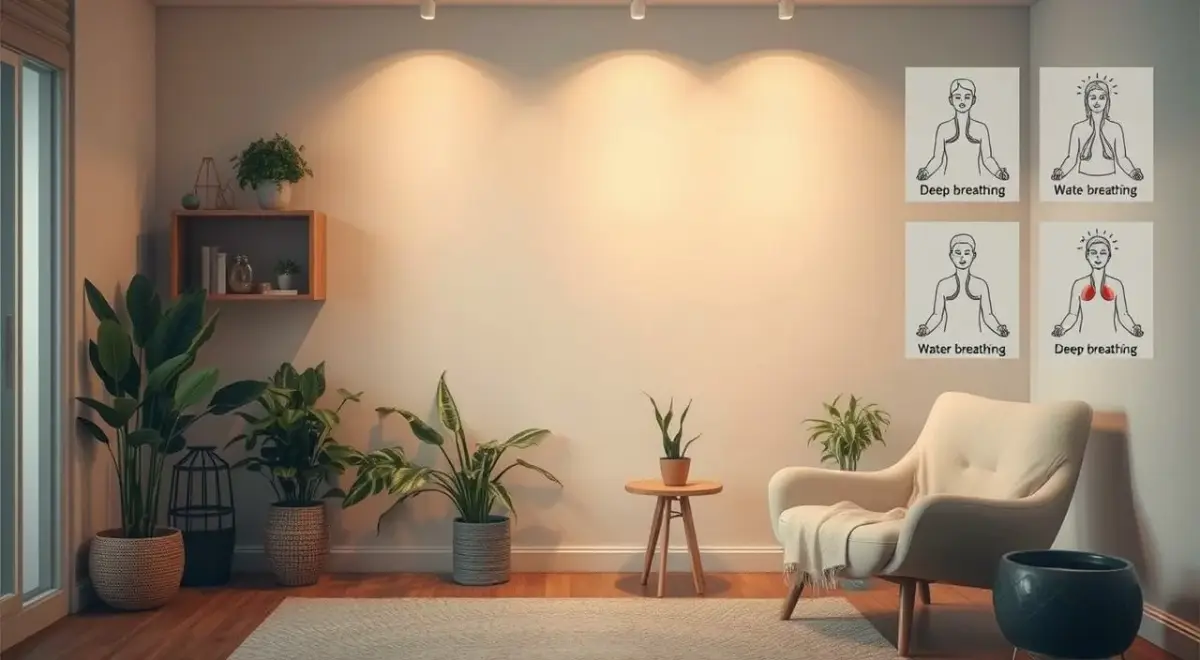
When a claustrophobic crisis arises, it's essential to have ways to cope with it. The goal is to regain calm and reduce anxiety quickly.
There are practical techniques for dealing with claustrophobia:
- Practice slow, deep breathing.
- Focus on safe objects in the environment.
- Using mindfulness techniques
- Repeating reassuring affirmations
To cope with claustrophobia, it's important to control your emotions. Here are some techniques:
- Controlled breathing : Inhale for 3 seconds, hold for 2, exhale for 4.
- Grounding : Identify 5 objects in the surroundings, 4 sounds, and 3 textures.
- Self-affirmation : Mentally repeating "I am confident."
| Technique | Benefit |
|---|---|
| Deep Breathing | Reduces heart rate. |
| Mindfulness | Reduces anxiety |
| Positive Visualization | Calms the nervous system. |
Everyone reacts differently. It's important to experiment and find what works best for you.
Prevention and Self-Care
Preventing claustrophobia requires care and a comprehensive approach. Creating self-care strategies helps a lot. They improve symptom management and reduce anxiety.
Some important self-care strategies for claustrophobia include:
- Practice deep breathing techniques every day.
- Do mental relaxation exercises.
- Keep a diary of triggers and reactions.
- Having a regular routine of physical activity
Gradual exposure to uncomfortable situations helps increase tolerance. It is very important to do this with the help of a professional . This helps maintain emotional safety during treatment.
| Self-Care Strategy | Benefit |
|---|---|
| Meditation | Stress reduction |
| Physical exercises | Endorphin release |
| Breathing techniques | Anxiety control |
Practicing these techniques regularly improves emotional control. This helps to greatly reduce the impact of claustrophobia on daily life.
How to Help Someone with Claustrophobia
Treating someone with claustrophobia requires a lot of care and patience. Each person experiences the fear of enclosed spaces differently. Therefore, it is essential to have an approach that is tailored to each individual.
Emotional support is very important. To help, some strategies can be very useful:
- Listen without judging.
- Show genuine empathy.
- Encourage them to seek professional help.
- Respect each person's limits.
Try Hypnotherapy
Clinical hypnosis is a promising way to treat phobias. Benefits include:
- Reduction of anxiety
- Reprogramming fear
- Learning ways to cope with fear.
- Greater self-confidence
Hypnotherapy works on the subconscious. It helps change the way a person perceives enclosed spaces. When used in conjunction with cognitive behavioral therapy , the results can be even better.
Each case is unique. A specialist can create a treatment plan that meets the needs of the person with claustrophobia.
Conclusion
Overcoming claustrophobia is possible. Understanding that the fear of enclosed spaces doesn't define who you are is the first step. This helps transform the fear into something controllable.
To manage the fear of enclosed spaces, it's important to use several approaches. Psychotherapy, breathing techniques, and gradual exposure are very helpful. Additionally, medication can be useful.
Each person has their own path to overcoming claustrophobia. Accepting the fear without judgment is essential. Seeking professional help and remaining committed to treatment are important steps.
Claustrophobia may seem like a major challenge, but it's not an insurmountable obstacle. With effort, support, and the right techniques, it's possible to manage and overcome this fear.
Source Links
| Link Description | Link |
|---|
| Claustrophobia: Causes, Symptoms, and Treatment | https://www.apollohospitals.com/pt/diseases-and-conditions/claustrophobia/ |
| Claustrophobia: what it is, symptoms, causes and treatment | https://www.tuasaude.com/claustrofobia/ |
| Claustrophobia: what it is, causes, symptoms, and how to treat it. | https://www.conexasaude.com.br/blog/claustrofobia/ |
| Claustrophobia: what it is, what are the symptoms and treatments? | https://zenklub.com.br/blog/para-voce/claustrofobia |
| Claustrophobia: what you should know about this disorder. | https://www.cuf.pt/mais-saude/claustrofobia-o-que-deve-saber-sobre-esta-perturbacao |
🌟 Have you considered seeking a therapist to support your well-being journey?
If this article sparked reflections about positive changes in your life, perhaps now is the ideal time to take the next step. Do you know hypnosis as a therapeutic tool? This approach can be surprisingly effective for various personal challenges.
Special offer: Book a free 20-minute consultation with therapist Fabio Morus and discover how therapy can transform your life.
✨ No commitment — Completely free — 20 minutes that can make a difference
👉 Click here to book your free consultation
Don't postpone your well-being any longer. The first step to change is just one click away.