

Attention Deficit Hyperactivity Disorder ( ADHD ) affects millions worldwide. This includes children and adults. It brings problems with concentration, hyperactivity , and impulsivity .
These problems can drastically change people's lives. Many don't know what it's like to face ADHD . But, with the right treatment, it's possible to improve the lives of those who suffer from it.
Let's talk more about ADHD . Let's look at its symptoms, causes, and how to treat it. This way, we can better understand what ADHD is and how to help those who suffer from it.
Definition and Symptoms of ADHD
https://www.youtube.com/watch?v=0nH9GVHebJYAttention Deficit Hyperactivity Disorder (ADHD) presents with inattention , hyperactivity , and impulsivity . It can be seen in children and adults. Symptoms change with age.
What characterizes ADHD?
The main characteristics of ADHD are:
- Inattentiveness : Difficulty maintaining focus, organizing tasks, and following instructions.
- Hyperactivity : Motor agitation, restlessness, and difficulty staying still.
- Impulsivity : Hasty actions, difficulty delaying responses, and difficulty controlling impulses.
Most common symptoms in children
In children, ADHD causes academic and relationship problems. Some common symptoms are:
- Disorganization and forgetfulness regarding schoolwork and materials.
- Restlessness and difficulty remaining seated.
- Constant interruption of activities and difficulty waiting one's turn.
Most common symptoms in adults
In adults, ADHD affects both professional and personal life. Common symptoms include:
- Attention problems that impair memory and organizational skills.
- Restlessness and difficulty staying focused on tasks.
- Impulsivity that affects decision-making and interpersonal relationships.
To diagnose ADHD, symptoms must be present since childhood. They must occur in at least two different settings for six months. It is crucial to distinguish ADHD from other disorders, such as bipolar disorder and autism.
Causes and Risk Factors of ADHD
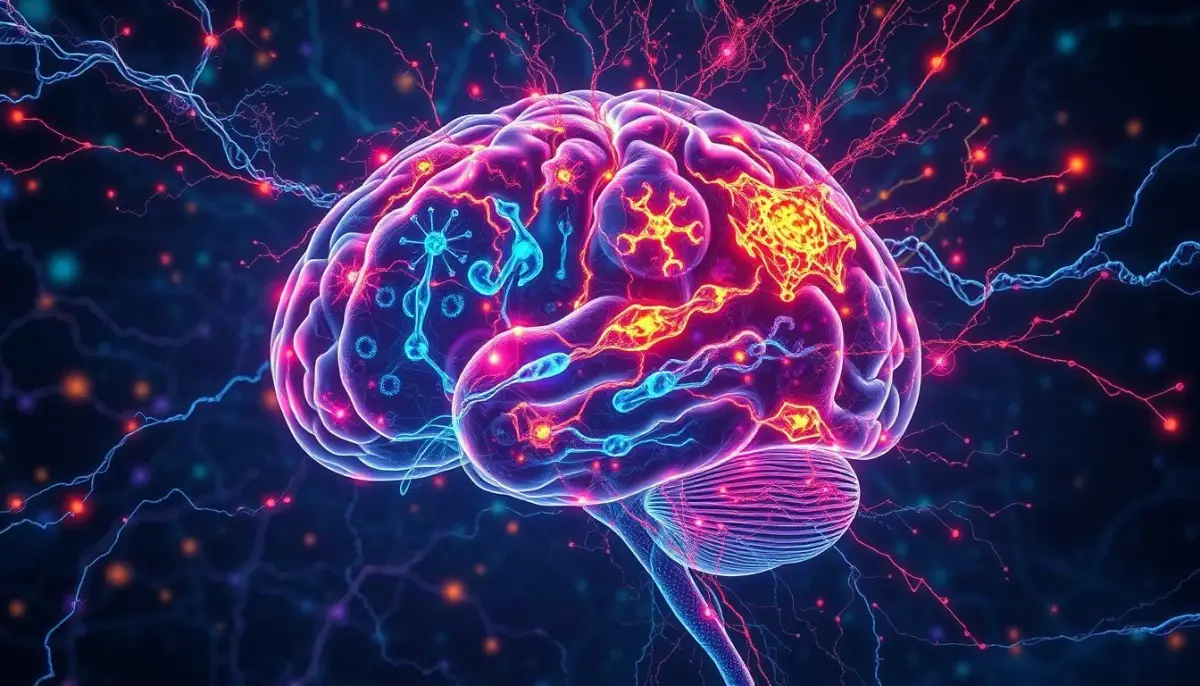
Attention Deficit Hyperactivity Disorder (ADHD) has several causes. Genetics , environment , and neurobiology are essential to understanding the disorder.
Genetic Factors Associated with ADHD
Genetics plays a significant role in ADHD. Research shows that family history is a major factor. Identical twins share more similarities than dizygotic twins.
Environmental and Social Influences
Besides genetics , the environment also influences ADHD. Alcohol, tobacco, prematurity, and low birth weight are risk factors . They can affect the development of the disorder.
Neurobiological Impacts
Studies show that ADHD affects neurotransmitters in the brain. Dopamine and norepinephrine are altered in the frontal region. This can cause problems with concentration and emotional control.
Understanding the interaction between genetics and environment is complex, but crucial for finding effective treatments.
Treatment and Living with ADHD
ADHD is treated in several ways. This includes therapy and sometimes medication. For children, support at school is very important.
Treatment options: medication and therapy
Treatment for ADHD is personalized. Medications and therapy are carefully chosen. Medications help control hyperactivity and improve concentration.
Importance of psycho-pedagogical support
Professionals are a great help to children with ADHD. They improve their social and emotional skills. This helps at school and in their relationships.
Strategies for improving social interaction
To improve socialization, changes in daily routines are helpful. Exercise and a good diet are essential. It's also important to learn how to organize and control impulses.
Simple Practices to Reduce Anxiety
- Conscious breathing: Inhale counting to 4, hold for 4, and exhale for 4. It's magic!
- Physical exercise: Get moving! Walking or yoga can help relieve tension.
- Digital disconnection: How about taking a break from social media and focusing on the present?
- Establish a routine: Organizing your day reduces that feeling of chaos.
- Seeking help: Therapy is a compass to finding balance.
Why is Seeking a Therapist Important?
It's like having a guide on an unfamiliar trail. A therapist can help you better understand your feelings, find practical solutions, and develop a more balanced life. Asking for help is not a sign of weakness; on the contrary, it's an act of courage and self-care. Sometimes, dealing with anxiety alone feels like a labyrinth with no way out. A therapist can be the guide you need to transform burden into learning and reclaim the lightness of living. It's not a sign of weakness, it's an act of courage and self-care.A Path to Inner Peace
Dealing with anxiety isn't easy, but it's possible. You're not alone on this journey. How about taking the first step? Learning to control your anxiety is possible, and you deserve this peace. Start taking care of your mental health now and discover a new way of living. Click here Fabio Morus Therapist to schedule a free 20-minute session.🌟 Have you considered seeking a therapist to support your well-being journey?
If this article sparked reflections about positive changes in your life, perhaps now is the ideal time to take the next step. Do you know hypnosis as a therapeutic tool? This approach can be surprisingly effective for various personal challenges.
Special offer: Book a free 20-minute consultation with therapist Fabio Morus and discover how therapy can transform your life.
✨ No commitment — Completely free — 20 minutes that can make a difference
👉 Click here to book your free consultation
Don't postpone your well-being any longer. The first step to change is just one click away.