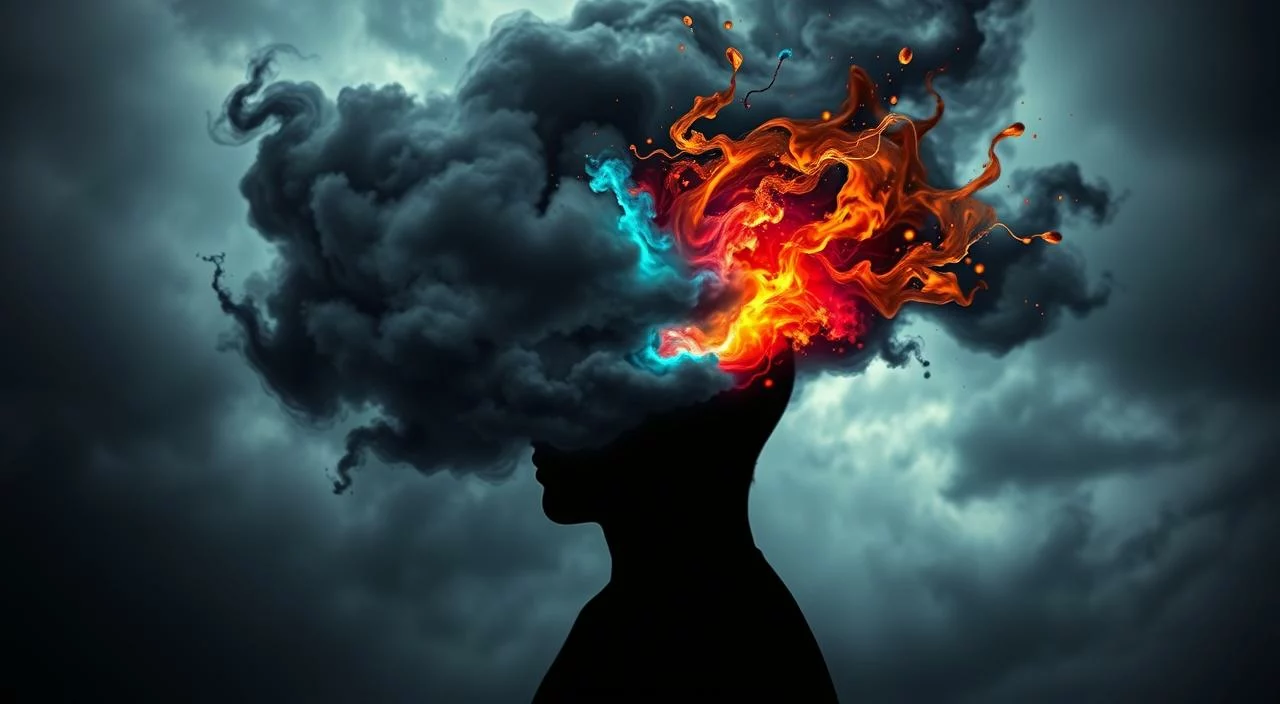

Anxiety is a natural bodily response to challenges or stressors. However, it can become a disorder if it exceeds certain limits. Understanding the causes of anxiety is crucial to finding solutions and improving mental health. But what really triggers this very common condition?
Anxiety is an excessive fear of the future, with worries that distort reality. This can lead to negative thoughts. If left untreated, it can affect sleep and appetite. There are several types of anxiety , such as Generalized Anxiety Disorder (GAD) , panic , phobias , and social anxiety .
Anxiety is a normal bodily reaction to increase the chance of survival. However, there is a limit to this reaction. When exceeded, it can become a disorder.
If you ask yourself "What causes anxiety?", several common causes exist. These include genetics , traumatic events , stressful situations , physical illnesses , hormonal disorders , childhood trauma , and substance abuse . Understanding these factors helps in finding solutions and coping strategies.
What is anxiety?
Anxiety is an emotional response from our body. It brings worry, apprehension, and tension. This happens when we face real or imagined dangers or threats. If this response becomes too strong and uncontrolled, it can turn into an anxiety disorder . This greatly affects quality of life .
According to the World Health Organization (WHO), 9.3% of Brazilians have an anxiety disorder . This makes Brazil the country with the most people with these problems in the world . There are several types of anxiety disorders , such as social phobia and post-traumatic stress. They are affected by factors such as society and the environment .
Characteristics of Anxiety
Anxiety brings constant and uncontrollable worry for more than 6 months. It can cause many symptoms, such as racing thoughts and tachycardia. Some physical symptoms include sweating and palpitations. Other psychological symptoms are obsessive thoughts and perfectionism .
Some health problems, such as Irritable Bowel Syndrome, can be caused by anxiety . Medications in the Buscopan family can help relieve these symptoms.<sup> 4</sup>
"According to the Pan American Health Organization, the Brazilian population suffers the most from anxiety crises in the world, affecting 9.3% of Brazilians, equivalent to 18.6 million people." 5
https://www.youtube.com/watch?v=GV6eLfmGePQ
Types of Anxiety Disorders
Anxiety disorders affect about 30% of adults in the United States. They can begin in childhood, such as separation anxiety disorder . Furthermore, these disorders are linked to suicidal thoughts.
Generalized Anxiety Disorder (GAD)
Generalized Anxiety Disorder (GAD) is very common.7 It brings excessive worry and stress, affecting individuals' lives.
Panic Disorder
Panic Disorder is characterized by intense fear attacks 7. An attack lasts from 15 to 30 minutes 7 .
Social Phobia
Social phobia causes fear in public situations. This can lead to anxiety and discomfort.
Obsessive-Compulsive Disorder (OCD)
Obsessive-Compulsive Disorder (OCD) involves repetitive thoughts and behaviors. This can affect daily routines and well-being.
Post-Traumatic Stress Disorder
Post -traumatic stress disorder arises after a traumatic event. It can cause anxiety, fear, and reliving the trauma.
Furthermore, there are other disorders, such as acute stress disorder 6. The COVID-19 pandemic has increased these disorders 6 .

"For over 10 years, Salute Care Clinic has offered multidisciplinary treatments for anxiety disorders . The team of professionals at Salute Care Clinic is qualified and specialized." 7
The main types of anxiety disorders are GAD (Generalized Anxiety Disorder), Panic Disorder , Social Phobia, OCD ( Obsessive-Compulsive Disorder ) , and Post-Traumatic Stress Disorder. Understanding these conditions is crucial for seeking the right treatment.
Causes of Anxiety
Anxiety is a complex disorder that can be caused by several factors. According to studies, the main causes of anxiety are genetics, traumatic and stressful events, physical illnesses, hormonal disorders, childhood trauma, and substance abuse.<sup> 8</sup>
It is estimated that 58 million people worldwide suffer from anxiety disorders , according to the Pan American Health Organization (PAHO) 8. During the pandemic, the number of cases of depression and anxiety rose by 25% , according to the World Health Organization (WHO) 8 .
Furthermore, more than 70% of Brazilians have sleep problems, such as insomnia, a common symptom of anxiety, according to the Oswaldo Cruz Foundation (Fiocruz) 8 .
Risk Factors
Risk factors for anxiety are varied and include genetic and biological factors, traumatic events, and environmental stressors.9 Anxiety can affect anyone, but it is more common in women, who are twice as likely to develop an anxiety disorder as men.10
Stressful events, such as health problems, family conflicts, financial difficulties, or a hectic routine, can trigger anxiety 10. Biological factors, such as hormonal changes and neurological disorders , also contribute to the development of anxiety 9 .
Anxiety can manifest itself in various ways, from a normal response to a pathological disorder , such as Generalized Anxiety Disorder, Panic Attacks , Phobias , among others 9 .
https://www.youtube.com/watch?v=tn0zqVKo0CM
"Anxiety can arise due to endogenous factors, associated with biological issues, genetic inheritance, or changes in the organism, as well as exogenous factors related to life events, whether personal, family, relational, professional, or social." 9
In summary, anxiety is a multifactorial disorder, with causes and risk factors ranging from genetic and biological aspects to stressful events and traumas throughout life 8 9 10 .
What causes anxiety?
Feeling anxious in specific situations is normal. It helps you prepare for dangers and plan for the future . But if anxiety becomes too strong and affects your life, it may be a sign of a bigger problem.
Some factors that can cause anxiety include genetics , traumatic events , stressful situations , physical illnesses , hormonal disorders , childhood trauma , and substance abuse . 12 13 Knowing what causes anxiety helps to find the right treatment and avoid worsening health.
- Genetics : Research shows that anxiety may have genetic roots 13 .
- Traumatic events : Violence, abuse, accidents or losses can cause anxiety 12 .
- Stressful situations : Work, financial problems, conflicts and everyday stress also contribute 12 .
- Physical illnesses : Health problems, such as thyroid dysfunction, can cause anxiety 13 .
- Hormonal disorders : Problems with hormone levels, such as estrogen and cortisol, can cause anxiety 13 .
- Childhood traumas : Bad experiences in childhood, such as abuse, make people more prone to anxiety 13 .
- Substance abuse : Drinking too much alcohol, using drugs, or consuming too much coffee can worsen anxiety. <sup>13</sup>

Understanding what causes anxiety is crucial for preventing and treating the problem. This improves the lives of those affected.
Symptoms of Anxiety
Anxiety is a common emotional response to various everyday situations. But when it becomes excessive and persistent , it may indicate an anxiety disorder . These disorders affect emotional well-being and quality of life .
The main symptoms include anxiety, irritability, bad premonitions, insomnia, and irregular appetite 14. Constant restlessness, catastrophic thoughts, lack of emotional control, and tachycardia 14 are also observed.
These physical and psychological manifestations show how the body reacts to situations that cause worry and fear 14. In 2020, more than 76 million cases of anxiety disorders were recorded worldwide, an increase of 28% compared to previous years 15 .
Mental disorders, including anxiety, were the leading causes of demand for health services before the pandemic 15. Factors such as genetics, traumatic events, and substance use can contribute to these disorders 15 .
Types of Anxiety Disorders
There are several types of anxiety disorders, each with its own characteristics and symptoms. Generalized Anxiety Disorder ( GAD ) is marked by constant and uncontrollable worry.16 Obsessive-Compulsive Disorder ( OCD ) involves obsessive thoughts and compulsive behaviors.16
Social phobia makes social interaction difficult due to fear of being judged. Panic disorder causes sudden and intense fear attacks. Agoraphobia leads to fear of situations that may cause a feeling of helplessness .
Physical symptoms of anxiety, such as dizziness and nausea, indicate the need for specialized help 16. These symptoms, such as tachycardia and shortness of breath, are common during acute anxiety episodes 14 .
https://www.youtube.com/watch?v=Pmh9No4Mdts
"Physical symptoms such as tremors, tachycardia, and excessive sweating are common during episodes of acute anxiety." 14
Recognizing symptoms early and seeking treatment are essential to improving quality of life 16 .
Consequences of Untreated Anxiety
Untreated anxiety can cause many health problems. About 9.3% of Brazilians have severe anxiety 17. This can lead to illnesses such as gastritis, ulcers, and tachycardia 18 .
Furthermore, anxiety can cause mental and nervous system disorders . Approximately 300 million people worldwide suffer from depression . Almost all cases of depression are linked to untreated anxiety.
Anxiety can affect memory, cause insomnia , and chemical dependency. It can become stronger and bother the person more .

It is important to treat anxiety as soon as it appears. This can prevent further health problems. Treatment may include therapy, medication , or both.19 Healthy habits, such as exercise and a hobby, also help control anxiety.19 18 17
Diagnosis of Anxiety
To understand anxiety , it's crucial to have an evaluation by a specialist. This could be a psychiatrist or a psychologist. Diagnosing anxiety involves several steps to determine the type and severity of the problem.
The doctor will begin by looking for a physical cause. He will order blood tests and other tests. If there is no organic problem, the doctor will compare the symptoms with the DSM-5 20 .
The DSM-5 lists signs and symptoms for different anxiety disorders . This includes GAD , Panic Disorder, Social Phobia, OCD , and PTSD 21 22 .
With this assessment, the professional can identify the type of anxiety disorder . This allows them to choose the best treatment for the patient. An accurate diagnosis is fundamental for effective treatment.
https://www.youtube.com/watch?v=bxE9bQWkuxI
Diagnosing anxiety requires considering life history and risk factors. This helps to create a comprehensive assessment of anxiety , enabling the development of an appropriate treatment plan .
Treatments for Anxiety
When anxiety becomes a major problem and significantly affects one's life, it's good to seek help. The goal is to help the person cope with the symptoms, reduce anxiety attacks, and improve their quality of life. Several treatments can help, such as therapy, medication, exercise, and relaxation techniques.
Psychotherapy
Therapy, especially cognitive behavioral therapy, is very effective for anxiety . A psychologist helps the patient change negative thoughts and behaviors that cause anxiety.
Medication
In addition to therapy, medications such as anxiolytics and antidepressants may be used 24. They reduce the symptoms of anxiety and are used in conjunction with therapy.
Natural Alternatives
In addition, lifestyle changes also help, such as exercise, eating well, drinking water, and relaxing with meditation 24/7 . These practices improve the body and mind, reducing anxiety.
The best treatment combines therapy, medication, and coping strategies, depending on what each person needs. Seeking professional help greatly improves life.
"Anxiety is not just mental, but also physical. It's important to take care of both body and mind for proper treatment."

It is very important to seek help from professionals for the diagnosis and treatment of anxiety . Clinicians, psychiatrists, and psychologists can help find the best treatment.
Following a treatment plan with a specialist can bring great results and greatly improve life 24. Therapy, medication, and coping strategies together are the best way to deal with anxiety 24 25 23 .
Anxiety Prevention
Taking preventative measures is crucial to avoid anxiety 26. This includes regular exercise, a healthy diet, and adequate hydration 26. Getting good sleep 26 is also important.
Controlling working hours and relaxation techniques also help 26. Meditation, spirituality, and leisure time are essential 26. They reduce stress and improve the ability to cope with challenges 26 .
- 19 million Brazilians experience anxiety daily, according to the WHO 26 .
- Symptoms of anxiety can be mistaken for a heart attack. 26
- Those with chronic anxiety may delay seeking help, prolonging their suffering 26 .
These preventive measures can reduce anxiety 26. It is important to be aware of the signs of anxiety and seek help early 26 .
"Self-care is fundamental in preventing anxiety. Taking care of your physical and mental health can make all the difference in facing this challenge."

Brazil has the highest number of anxiety cases in the world , according to USP, Fiocruz and UFMG 27. The Covid-19 pandemic increased global anxiety cases by 25%, according to the WHO in 2022 27 .
It is crucial to adopt preventive measures to avoid anxiety and promote a reduction in anxiety in Brazil. With individual commitment and community support, we can improve the mental health of the population 26 27 .
Conclusion
Anxiety is a normal response in specific situations. But when it becomes excessive, it can greatly impair life. In that case, treatment is needed.<sup> 28 </sup>
Anxiety disorders affect many people. About 20% of adults in the US have experienced anxiety at some point. This means millions of people are affected . In Brazil, about 9.3% of the population, or 18,657,943 people, suffer from these disorders.
There are several types of anxiety disorders. They can be caused by genetic factors, environmental factors, trauma, physical illnesses, and hormonal imbalances. Symptoms include distress, irritability, insomnia, catastrophic thoughts, and intense physical reactions.
There are effective treatments for anxiety. These include medication, psychotherapy, exercise, healthy eating , and relaxation techniques. The combination of therapy and medication is common, and about 60% of people improve with treatment.
FAQ
What is anxiety?
Anxiety is a normal human response to specific situations. But when it becomes excessive, it can be a problem. This happens when exaggerated and uncontrollable worry affects daily life for more than six months.
What are the main types of anxiety disorders?
The main types include Generalized Anxiety Disorder (GAD), Obsessive-Compulsive Disorder (OCD), and Social Phobia. Also included are Panic Disorder , Agoraphobia , Selective Mutism, Specific Phobias , Post-Traumatic Stress Disorder, and Separation Anxiety.
What are the main causes of anxiety?
The causes of anxiety are varied. They include genetic factors, traumatic events, stressful situations, and physical illnesses. It also encompasses hormonal disorders, childhood trauma, and substance abuse.
What causes anxiety?
Several factors can cause anxiety. These include genetics, traumatic events, stressful situations, and physical illnesses. Additionally, hormonal imbalances, childhood trauma, and substance abuse can also trigger anxiety.
What are the main symptoms of anxiety?
The symptoms of anxiety are varied. They include distress, irritability, and bad feelings. They also include insomnia, irregular appetite, and constant restlessness.
Other symptoms include catastrophic thoughts, lack of emotional control, tachycardia, and sweating. Shortness of breath, dry mouth, tingling, nausea, tremors, and dizziness are also common.
What are the consequences of untreated anxiety?
Untreated anxiety can cause many problems. It can lead to memory difficulties, hypertension, and diabetes. It can also cause obesity, gastritis, ulcers, and body aches.
Furthermore, it can lead to neurological problems such as depression, social phobia, substance abuse, insomnia, and psychotic disorders.
How is anxiety diagnosed?
Diagnosing anxiety begins with an investigation to rule out physical causes. This may include blood tests and thyroid exams. If no organic cause is found, the doctor compares the symptoms to the DSM-5 to identify the type of disorder.
What treatments are available for anxiety?
Treatments for anxiety include psychotherapy and medication. Physical exercise, a healthy diet, and hydration are also important. In addition, it's essential to have good sleep quality and manage work.
Relaxation techniques, meditation, and mindfulness also help. Religious practices and leisure are fundamental to treatment.
How can we prevent anxiety?
To prevent anxiety, it's important to exercise regularly and maintain a healthy diet. Drinking water regularly and getting enough sleep are also essential.
Managing work, using relaxation techniques, and setting aside time for leisure also help. Cultivating religiosity and spirituality is fundamental.
🌟 Have you considered seeking a therapist to support your well-being journey?
If this article sparked reflections about positive changes in your life, perhaps now is the ideal time to take the next step. Do you know hypnosis as a therapeutic tool? This approach can be surprisingly effective for various personal challenges.
Special offer: Book a free 20-minute consultation with therapist Fabio Morus and discover how therapy can transform your life.
✨ No commitment — Completely free — 20 minutes that can make a difference
👉 Click here to book your free consultation
Don't postpone your well-being any longer. The first step to change is just one click away.