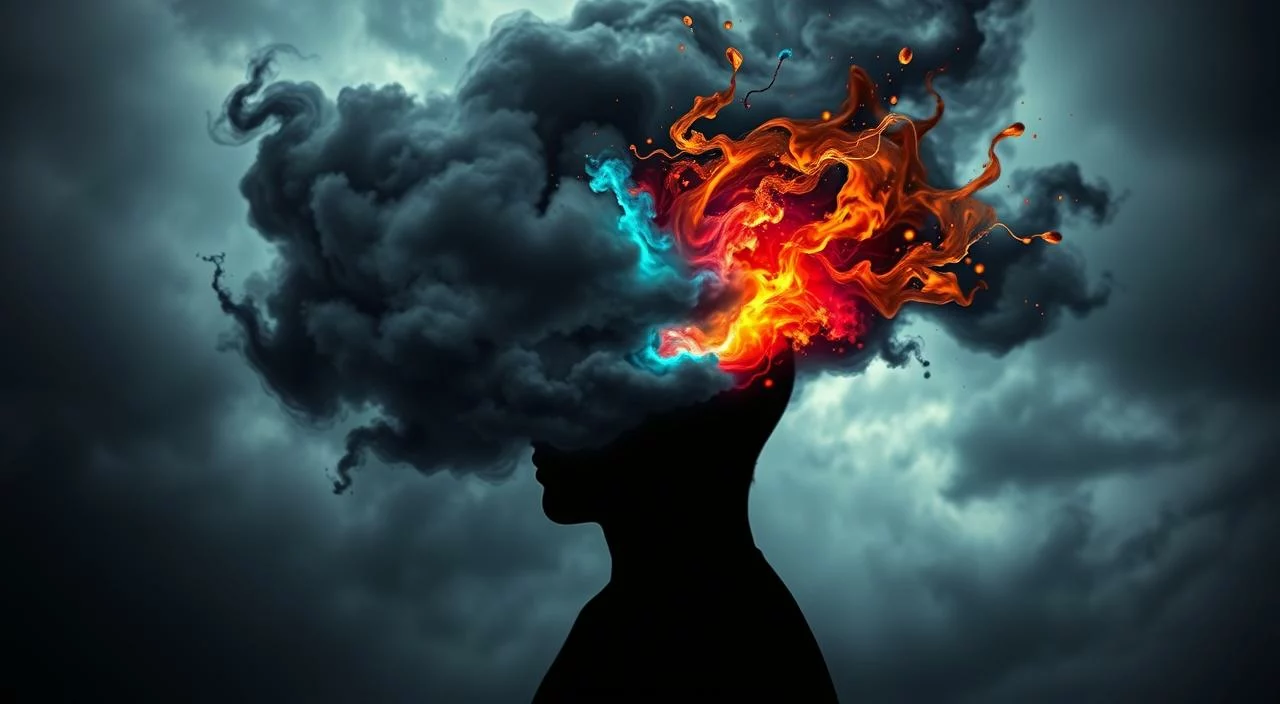

Have you ever felt paralyzed by fear or anxiety? This sudden and intense feeling of discomfort is called an anxiety attack . It's more common than many people think.
According to the World Health Organization, anxiety and depression increased by 25% in the first year of the pandemic 1. The Pan American Health Organization states that more than 58 million people in the Americas region have anxiety disorders 1 .
Want to know what an anxiety attack is? How to identify it and how to deal with it? Let's explore the causes , symptoms , and treatments. This way, you'll better understand this experience and find ways to overcome it.
What is an anxiety attack?
An anxiety attack is a moment of intense fear or discomfort that arises suddenly . This happens when the body and mind react to situations that seem dangerous. The autonomic nervous system , which includes the sympathetic and parasympathetic nervous systems, controls this response. When stress increases or a person feels threatened, the sympathetic nervous system is activated. This leads to physical reactions, such as increased cortisol and adrenaline levels.
Definition and Characteristics of an Anxiety Attack
Common anxiety is a normal reaction in new or difficult situations. But an anxiety attack occurs when this anxiety becomes very high or frequent, indicating a health problem. Symptoms can be physical and psychological, such as shortness of breath, palpitations , and chest pain. Other symptoms include rapid speech, nail-biting, and agitation.
In addition, muscle tension, dizziness, nausea, irritability, and insomnia may occur. The crisis can also cause excessive worry, difficulty concentrating, and nervousness. People who experience this may feel lost or constantly afraid of something bad .
Difference between Common Anxiety and Anxiety Attack
The symptoms of an anxiety attack are more intense than those of common anxiety . Panic disorder, for example, includes tachycardia, sweating, and chills. Other symptoms include shortness of breath, nausea, and abdominal pain, as well as fear of losing control or dying .
Anxiety disorders, such as generalized anxiety, social phobia, and post-traumatic stress disorder, can lead to anxiety attacks. An anxiety attack is a pathology that affects a person 's physical and emotional health.
https://www.youtube.com/watch?v=a1C8PxeLlGo
It is crucial to know that the symptoms of an anxiety attack can be confused with a heart attack . Therefore, it is important to identify chest pain, rapid heart rate, and shortness of breath. This helps in seeking the correct diagnosis and treatment .
Causes of anxiety attacks
Anxiety attacks can stem from various sources. These include psychological, environmental, and biological factors . For example, stress at work or school, financial problems, or public speaking can be triggers . Losing someone or going through major changes can also cause anxiety .
Some personality traits, such as being overly perfectionistic or worrying excessively, can increase the risk of anxiety. Genetic factors, chemical imbalances in the brain, and hormonal changes also play a role . Excessive use of caffeine, alcohol, and drugs can trigger attacks .
Common triggers for anxiety attacks
- Stressful situations, such as pressure at work or school, financial problems, public speaking, or having suffered the loss of someone 5 .
- Major life changes, such as graduation, marriage, a new job, retirement, ending a relationship, or having a child 5 .
- Excessive consumption of caffeinated beverages, such as coffee, black tea or green tea 5 .
- Use of drugs of abuse, such as cocaine or amphetamines 5 .
- Consumption of alcoholic beverages 5 .

Anxiety attacks have complex causes , mixing psychological, environmental, and biological factors . Knowing what the main triggers are helps to prevent and manage these episodes. <sup>6 5 </sup>
"There is no single cause that leads people to suffer from anxiety attacks, with factors such as psychological trauma, stressful situations, and genetic aspects contributing to the development of these attacks." 6
Symptoms of an anxiety attack
When anxiety reaches a high point, the body reacts as if it were in danger. This causes various physical and emotional reactions.7 Physical symptoms include restlessness, palpitations , sweating , nausea, feeling faint , and rapid heartbeat.7 Emotional symptoms include fear, anger, worry , and insecurity, and can cause a feeling of disconnection and difficulty thinking.7
Physical Symptoms
Palpitations and sweating are the most common physical symptoms of anxiety . This happens because the body releases hormones like cortisol and adrenaline, preparing itself for danger . In addition, there may be nausea, dizziness, and a feeling of faintness .
Emotional Symptoms
In emotional terms, anxiety manifests as intense fear and a sense of danger . This can cause disconnection from reality and difficulty thinking clearly . The person may feel irritable, distressed, and insecure .
https://www.youtube.com/watch?v=Pmh9No4Mdts
"The symptoms of an anxiety attack peak within minutes, and although they may subside after a short period, the experience can be very uncomfortable and distressing."
Symptoms of anxiety can vary from person to person and greatly affect daily life. Therefore, it is very important to seek professional help to deal with these episodes .
How to differentiate between an anxiety attack and other problems.
Symptoms of an anxiety attack , such as chest pain and rapid heartbeat, can be confused with a heart attack . However, it's important to note signs like sweating , feeling faint , and intense fear. These are more common in anxiety attacks. Furthermore, an anxiety attack starts and ends quickly, unlike a heart problem.
Other conditions, such as thyroid disorders and respiratory problems, can have similar symptoms. Therefore, it is crucial to have a medical evaluation for a correct diagnosis. This avoids confusion with conditions such as heart attack and other medical conditions .
"Studies indicate that anxiety is part of daily life for many people, and is considered normal in certain situations, such as tests, presentations, or interviews." 9
It is important to be aware of the factors that affect the symptoms. This way, it is possible to differentiate an anxiety attack from other medical conditions . A complete professional evaluation is essential for an accurate diagnosis and appropriate treatment .

An anxiety attack brings a wave of intense fear or discomfort. It can cause palpitations, sweating, tremors, and a feeling of loss of control. A heart attack, on the other hand, occurs due to a blockage of blood flow to the heart. Symptoms include chest pain, shortness of breath, and nausea . Differentiating between these two conditions is crucial for proper treatment .
- The pain of a heart attack is described as tightness and burning, while chest pain caused by anxiety is more localized and in the form of stabbing pains in the middle of the chest 8 .
- Anxiety attacks are more common in women, while heart attacks are more frequent in men 8 .
It is essential to differentiate in order to ensure proper treatment and avoid serious complications. Furthermore, it is important to be aware of other symptoms that can help differentiate an anxiety attack from other medical conditions . <sup>9 8 10 </sup>
Treatment for anxiety attacks
Treatment for anxiety attacks can involve therapy and medication . Therapy, such as CBT , helps to understand and change thoughts and behaviors that cause anxiety. Medications, such as antidepressants and anxiolytics, help to control symptoms and reduce attacks .
Relaxation and Breathing Techniques
Relaxation and breathing also help relieve anxiety 11 12. Breathing slowly and deeply can calm nervousness and reduce panic 12. Techniques such as guided imagery and muscle relaxation are also good for distracting from anxiety and improving well-being 12 .
https://www.youtube.com/watch?v=BVm4P6icaGI
It is very important to have medical supervision for effective treatment and to prevent anxiety from becoming chronic 11 12. Using therapy and medication together is a proven approach to improve anxiety 11 12 .
| Treatment | Description |
|---|---|
| Psychological Therapy | It helps the patient identify and deal with the thoughts and behaviors that fuel the anxiety crisis. |
| Medications | Antidepressants and anxiolytics prescribed by psychiatrists can stabilize symptoms and reduce the frequency of episodes. |
| Relaxation Techniques | Breathing exercises, guided imagery, and muscle relaxation help alleviate symptoms during a crisis. |
"Effective treatment for anxiety attacks involves a multidimensional approach, combining psychological therapy , medication, and relaxation techniques ." - Dr. Mariana Silva, Psychiatrist
Preventing anxiety attacks
Preventing anxiety attacks goes beyond treatment. It involves adopting a healthier lifestyle and managing stress well.<sup> 13</sup> Brazil has the highest number of people with anxiety, with almost 19 million affected, according to the WHO.<sup> 13 </sup> Worldwide, more than 264 million people suffer from anxiety disorders.<sup> 13</sup>
Adopting a Healthy Lifestyle
Having a routine helps reduce anxiety . Fixed times for waking up, eating, and sleeping show the brain that everything is under control . A balanced diet improves mental health and well-being, helping to manage anxiety . Regular physical activity is crucial, as it releases tension and relaxes, releasing hormones .
Managing Stress
Avoiding self-criticism and self-imposed pressure is essential to prevent worsening anxiety. Techniques such as deep breathing , mindfulness , and progressive muscle relaxation help calm the mind and body . Distracting yourself by focusing on an object or visualizing a safe and quiet place can help during a crisis .
If anxiety significantly affects daily life, seeking help from psychologists or psychiatrists is crucial 13. Prevention is key to avoiding other mental health problems, such as depression and burnout 14 .

"Anxiety attacks affect millions of people worldwide and are recognized as a challenging condition that impairs physical and emotional health." 15
When to seek professional help
If you experience an anxiety attack , seek help from a mental health professional. This is important if anxiety affects your daily life or if it happens frequently. A psychologist can help identify the problem and rule out other disorders, such as depression and Generalized Anxiety Disorder (GAD) 16 .
Treating anxiety early can prevent it from becoming a bigger problem. This improves the patient's life. In Brazil, 18.6 million people suffer from anxiety . Anxiety is the reason for 17.9 % of absences from work .
Cognitive behavioral therapy (CBT) is a good option for those with anxiety . The doctor chooses the medication according to the type of anxiety and the patient's characteristics . It is important to seek help if anxiety significantly affects your life .
Psychiatrists are best suited to treat anxiety. They may work with psychologists . A good treatment combines psychotherapy and medication .
Working together, psychiatrist , psychologist and patient, is key to overcoming anxiety and improving life 18 .
https://www.youtube.com/watch?v=gqNKuf2Bs8E
| Physical Symptoms | Behavioral Symptoms | Cognitive Symptoms | Emotional Symptoms |
|---|---|---|---|
| - Hair standing on end - Tachycardia Increased respiratory rate or shortness of breath. Sweating Muscle tension - Headache | Irritability - Impulsiveness - Aggressiveness - Fast speech rate - Exaggerated gestures | - Problems with concentration and memory. - Excessive worry Difficulty in making decisions. Sleep disorders (insomnia) | Feelings of inadequacy - Shutdown Sadness Nervousness Thoughts of impending tragedy |
"Numerous individuals face anxiety disorders, and there are treatments available that can help." 17
Anxiety crisis: statistics and data
Data on anxiety in Brazil is alarming. The World Health Organization (WHO) says that Brazil has the highest rate of anxiety in the world. About 26.8% of Brazilians have been diagnosed with anxiety 19. Among young people, aged 18 to 24, this rate rises to 31.6% 19 .
The country's regions have different rates of anxiety. The Central-West Region leads with 32.2% of the population diagnosed 19. Women are more affected, with 34.2% receiving a diagnosis 19 .
Besides anxiety, depression is a major problem in Brazil. Around 12.7% of Brazilians have been diagnosed with depression. <sup>19 </sup> The Southern Region has the highest rate, at 18.3%.<sup>19</sup> Women are also more affected, with 18.1% diagnosed.<sup> 19 </sup>
Despite the alarming numbers, there are positive points. Around 58.9% of Brazilians sleep well 19. Men have more nights of quality sleep, with 63.9% 19. White people have more quality sleep, with 64.2% 19 .
The Covid-19 pandemic has worsened the situation regarding anxiety and depression. The WHO states that anxiety and depression increased by 25% in the first year of the pandemic 20. In Brazil, anxiety affects 9.3% of the population, which is the highest number in the world 20 .
These data show the importance of taking care of mental health 20. During the pandemic, the number of people with anxiety increased by more than 200% 21. Depression and panic disorder also grew significantly 21. But, there were more people seeking psychological help 21 .

These data highlight the significant challenge facing mental health in Brazil. Understanding these numbers is crucial for creating better public policies and helping those in need.
Conclusion
This article discussed anxiety, a mental health problem that affects many people. Around 264 million people worldwide suffer from anxiety, according to the World Health Organization. <sup>22</sup> In Brazil, approximately 60 million people, or 29.3% of the population, suffer from it.<sup> 23 </sup>
Anxiety brings fear and discomfort suddenly. Women are twice as affected as men 22. There are several types of anxiety, such as Generalized Anxiety and Panic 22 .
To cope with anxiety, it's important to understand its causes and symptoms. Seeking treatment, such as therapy and medication, is very helpful. A healthy lifestyle can also prevent future crises and improve the lives of those affected.
FAQ
What is an anxiety attack?
An anxiety attack is a moment of intense fear or discomfort. It happens when the body and mind react to situations that seem dangerous, but are not.
What are the differences between common anxiety and an anxiety attack?
Normal anxiety is a natural reaction to new or difficult situations. However, an anxiety attack occurs when this anxiety becomes too high or too frequent. This indicates that there may be a problem.
What are the causes of an anxiety attack?
Anxiety attacks can stem from many factors. These include stress, financial problems, conflicts, major changes, personality, genes, and chemical imbalances in the brain.
What are the symptoms of an anxiety attack?
During a crisis, the body reacts with symptoms such as restlessness, palpitations, and sweating. The person may feel fear, anger, worry, and insecurity.
How can you tell the difference between an anxiety attack and other health problems?
The symptoms may resemble heart problems, but an anxiety attack lasts for a shorter period. It brings other signs, such as sweating and a feeling of faintness. It is important to consult a doctor for confirmation.
What are the treatment options for an anxiety attack?
Treatment may involve therapy, medication, or a combination of both. Relaxation techniques , such as deep breathing, also help alleviate symptoms.
How can I prevent anxiety attacks from recurring?
To avoid future crises, it's good to live a healthy lifestyle. This includes exercise, a balanced diet, less alcohol and drugs, and stress management.
When is it necessary to seek professional help for an anxiety crisis?
If anxiety disrupts your daily life or returns frequently, it's time to seek help. A mental health professional can help you find the best treatment.
What are the data and statistics regarding the anxiety crisis in Brazil?
Anxiety affects 9.3% of Brazilians, which is about 18.6 million people. This shows the importance of taking care of mental health in the country.
🌟 Have you considered seeking a therapist to support your well-being journey?
If this article sparked reflections about positive changes in your life, perhaps now is the ideal time to take the next step. Do you know hypnosis as a therapeutic tool? This approach can be surprisingly effective for various personal challenges.
Special offer: Book a free 20-minute consultation with therapist Fabio Morus and discover how therapy can transform your life.
✨ No commitment — Completely free — 20 minutes that can make a difference
👉 Click here to book your free consultation
Don't postpone your well-being any longer. The first step to change is just one click away.