
Introduction:
Did you know that anxiety affects millions of people in Brazil every year? Whether due to work, studies, or personal relationships, the symptoms of anxiety can profoundly interfere with quality of life. The good news is that there are several forms of treatment for anxiety that can help reduce the impact of this disorder, allowing you to regain control over your emotions and live with more balance. In this article, we will explore the best treatment options for anxiety, including therapies, medications, and natural practices, to help you find your way to mental health. Shall we begin?
What is anxiety and when should you seek treatment?
Anxiety is a natural bodily response to stress, but when it becomes frequent and intense, it can develop into a disorder. There are several types of anxiety disorders, such as:
- Generalized Anxiety Disorder (GAD): excessive worry about various areas of life.
- Panic Disorder: intense and unexpected attacks of fear, accompanied by physical symptoms such as shortness of breath and palpitations.
- Specific Phobias: extreme and irrational fear of specific objects or situations.
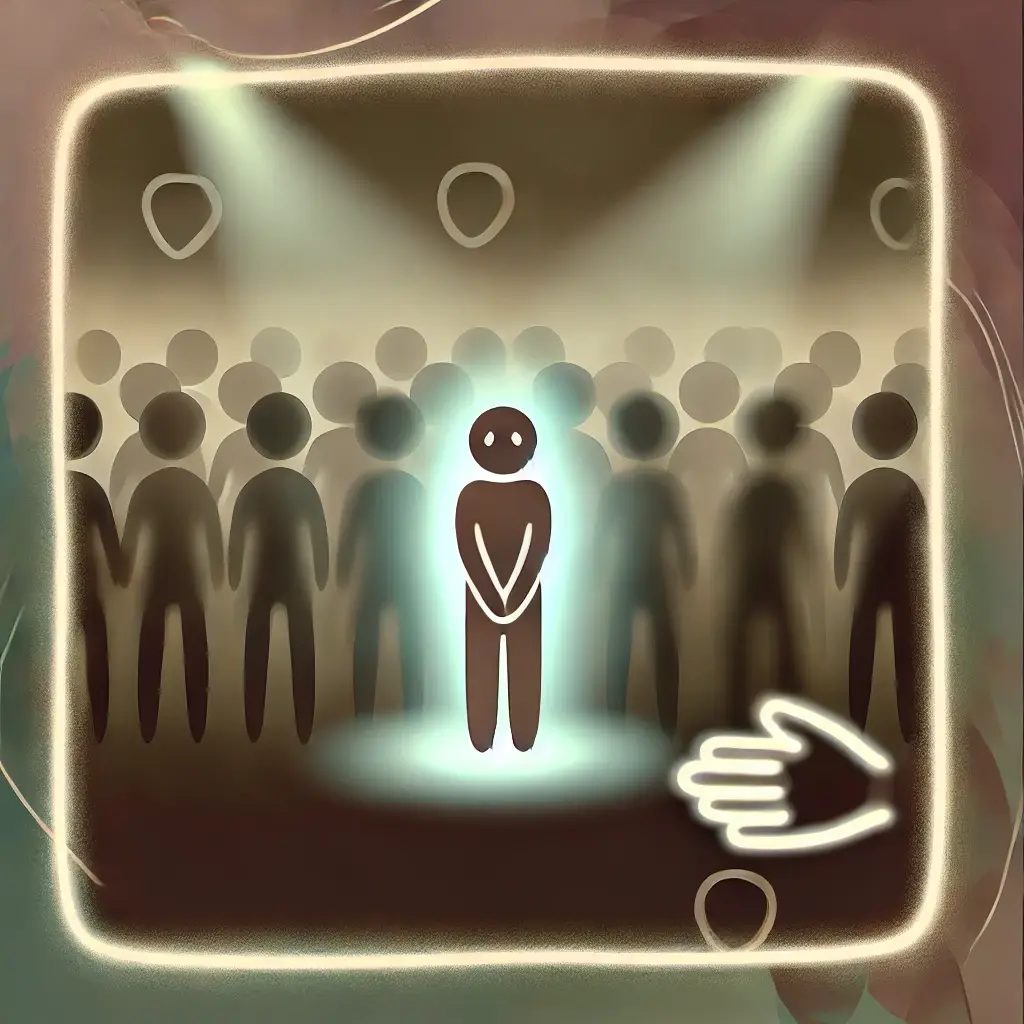
- Social anxiety: difficulty interacting in social situations due to fear of judgment.
- Obsessive-Compulsive Disorder (OCD): obsessive thoughts that lead to repetitive behaviors.
When should you seek help?
If anxiety is interfering with your work, personal relationships, or overall well-being, it's time to seek professional help. Signs such as difficulty sleeping, constant irritability, unexplained physical pain, and social isolation may indicate the need for treatment.
Effective Therapies for Anxiety
Psychological therapy is one of the most recommended ways to treat anxiety. Among the most effective approaches are:
- Cognitive-Behavioral Therapy (CBT) :
- It helps to identify and change thought patterns that fuel anxiety.
- It teaches practical techniques for dealing with emotional triggers.
- Psychotherapy:
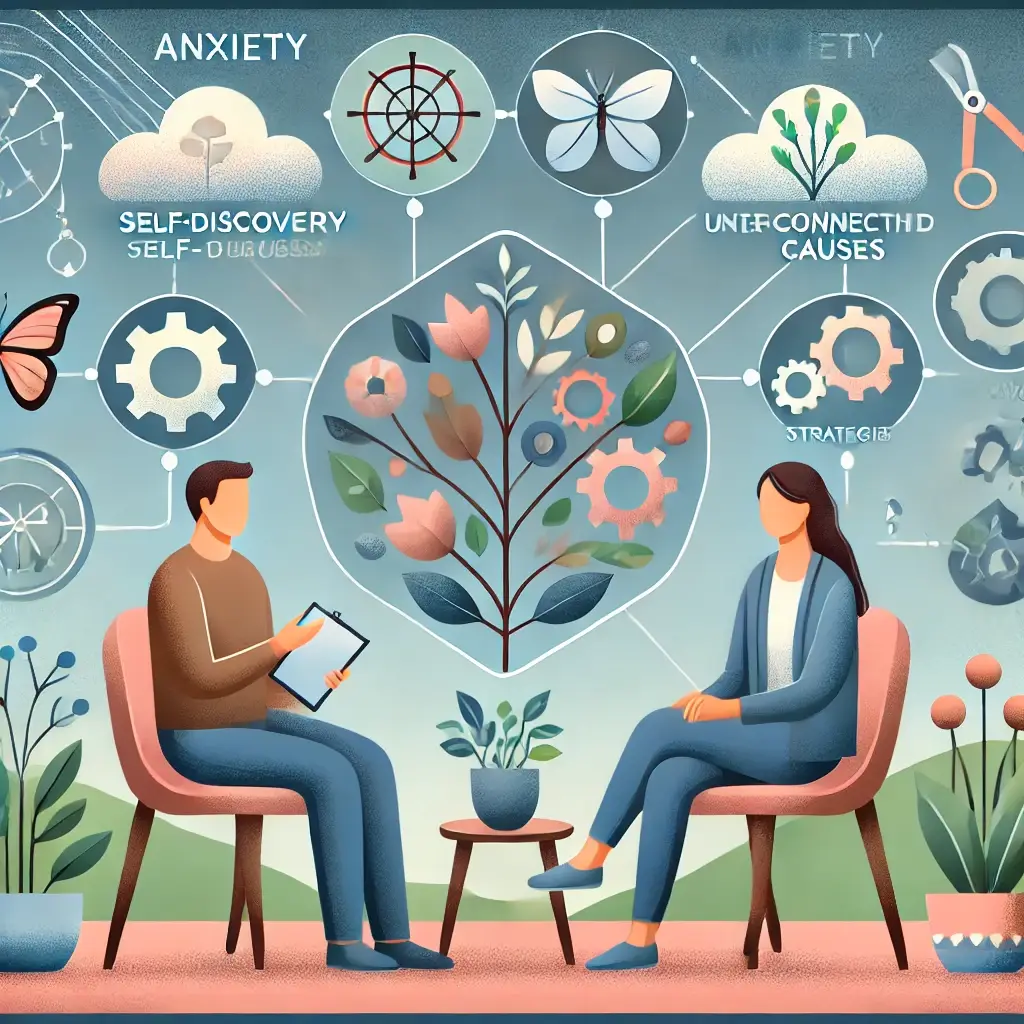
- It offers a personalized approach to exploring the causes of anxiety.
- It focuses on self-awareness and the creation of coping strategies.
- Online Therapy:
- It provides convenience and accessibility, ideal for those with a busy routine.
- It's as effective as in-person therapy, with the added benefit of being able to be done at home.
- Group Therapy:
- It helps to share experiences and learn from other people who are facing similar situations.
These therapies offer essential tools for managing anxiety, promoting relief and self-confidence.
Use of Medications in the Treatment of Anxiety
In moderate to severe cases, medication may be necessary to control symptoms. These should be prescribed by a psychiatrist and used with regular monitoring. Among the most common options are:
- Anxiolytics: indicated for the rapid relief of intense anxiety symptoms.
- Antidepressants: used to treat both anxiety and associated depression.
- Beta-blockers: help control physical symptoms such as tachycardia and tremors.
Important:
Medications do not eliminate the cause of anxiety, but they help stabilize symptoms while other forms of treatment, such as therapy, are carried out. Never discontinue use without medical advice.
Natural and Complementary Practices for Treating Anxiety
In addition to medical and psychological approaches, natural practices can be an excellent way to complement treatment. Some of these include:
- Mindfulness and Meditation:
- They help to focus on the present moment, reducing anxious thoughts.
- Studies show that just 10 minutes a day can make a difference.
- Physical Exercises:
- They release endorphins, promoting a feeling of well-being.
- Activities such as walking, yoga, and swimming are highly recommended.
- Balanced Diet:
- Consuming foods rich in magnesium, omega-3 fatty acids, and B vitamins can improve mental health.
- Avoid excessive caffeine and sugar, which can worsen symptoms.
- Aromatherapy:
- Essential oils, such as lavender and chamomile, help to relax and relieve stress.
These practices help to reduce anxiety holistically, promoting balance between body and mind.
Tips for Managing Anxiety in Daily Life
Even with professional treatment, it's important to adopt strategies for managing anxiety in daily life. Here are some suggestions:
- Create a Self-Care Routine:
- Set aside some time each day for activities that bring you pleasure and relaxation.
- Practice Breathing Techniques:
- Inhale deeply through your nose, hold for 4 seconds, and exhale slowly through your mouth.
- Avoid Overloading:
- Learn to say "no" and prioritize your needs.
- Establish Healthy Boundaries:
- Reduce your time on social media and avoid situations that generate unnecessary stress.
Small adjustments to your routine can make a big difference in managing anxiety.
What is anxiety?
What are the most common types of anxiety disorders?
Panic Disorder: intense episodes of fear, accompanied by physical symptoms such as shortness of breath and palpitations.
Social Anxiety: difficulty in social situations due to fear of judgment.
Specific Phobias: extreme fear of specific objects or situations.
Obsessive-Compulsive Disorder (OCD): obsessive thoughts that lead to repetitive behaviors.
When should I seek treatment for anxiety?
What are the most effective treatments for anxiety?
Cognitive Behavioral Therapy (CBT): helps to change negative thought patterns.
Medications: such as anxiolytics and antidepressants, prescribed by psychiatrists.
Natural practices: meditation, physical exercise, and a balanced diet.
Complementary therapies: such as yoga, aromatherapy, and hypnosis.
Is online therapy effective for treating anxiety?
Conclusion
Treatment for anxiety is essential to regaining quality of life and emotional balance. Whether through therapy, medication, or complementary practices, there are several options available to meet your needs. Remember that seeking help is not a sign of weakness, but an important step towards self-care.
🌟 Have you considered seeking a therapist to support your well-being journey?
If this article sparked reflections about positive changes in your life, perhaps now is the ideal time to take the next step. Do you know hypnosis as a therapeutic tool? This approach can be surprisingly effective for various personal challenges.
Special offer: Book a free 20-minute consultation with therapist Fabio Morus and discover how therapy can transform your life.
✨ No commitment — Completely free — 20 minutes that can make a difference
👉 Click here to book your free consultation
Don't postpone your well-being any longer. The first step to change is just one click away.