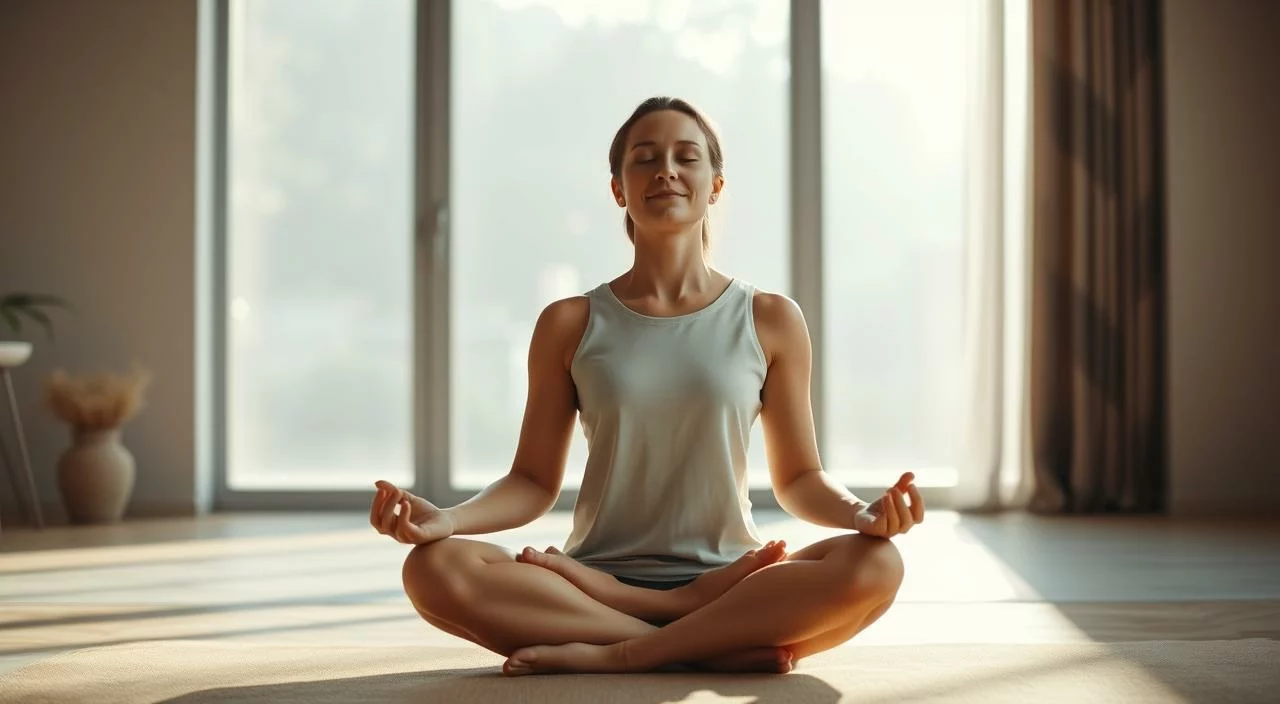
Have you ever considered the impact of breathing on mental health and stress management? We often see breathing as something automatic. But it can change our emotional and mental state. Let's see how deep breathing can bring calm and focus to our lives.
With the pressures of college entrance exams, many young people feel a lot of anxiety . Breathing properly helps reduce stress and improves life . Let's learn how to use this technique to have a more peaceful and healthy day.
What are breathing techniques?
Breathing techniques are methods that improve physical and mental health. They are easy to use in our daily lives. They help reduce anxiety and improve mental clarity. For example, 18.6 million Brazilians suffer from anxiety, according to the WHO 3 .
The benefits of breathing include increased concentration and balance. Techniques like square breathing are good for stress. They involve inhaling and exhaling with pauses.
Abdominal breathing is great for those who experience anxiety before bed. It helps promote better sleep. A few minutes of daily focus on breathing can relieve stress and improve health .
Adding breathing techniques to your routine brings immediate and long-term benefits. By exploring breathing methods , we find what works best for each individual. This helps us use the benefits of breathing when we need them.
https://www.youtube.com/watch?v=paZuTowBf1Y
Benefits of deep breathing
Practicing breathing exercises to relax calms the body and mind. This reduces stress hormones and helps control anxiety, thus bringing tranquility.
Studies indicate that deep breathing improves heart health. It strengthens the respiratory muscles and reduces the risk of heart problems. It also increases brain oxygenation, making the brain more active and creative .
This practice is effective in controlling stress and brings well-being 7 .
Practicing deep breathing benefits the heart and improves quality of life. It also helps to have healthy skin through better oxygenation. In addition, it can improve sleep, reducing anxiety before bedtime .
This practice not only improves overall health, but also regulates metabolism and helps with weight control 6 .

Adding deep breathing to your daily routine is essential for improving mental and physical health. Therefore, we expect positive results in quality of life and well-being.<sup> 7 </sup>
The importance of conscious breathing.
Conscious breathing is essential for a healthy life. It improves not only lung health but also emotional well-being. By practicing it, we relax our muscles, improve concentration, and reduce stress and anxiety.
This technique helps to find calm in moments of pressure. It prevents lung diseases and infections, and also helps those who have had Covid- 19 .
Breath awareness prevents shallow breathing that harms health. Breathing through the nostrils is crucial for oxygenating the body and eliminating toxins . This improves ventilation and emotional balance.
To improve, check out videos on YouTube and the ESP/CE Instagram page. They're great for learning more about conscious breathing.
With mindfulness and breathwork , we experience richer moments. Each breath is a chance to take care of ourselves. This improves our mental and physical health.
https://www.youtube.com/watch?v=yWUS1TEnV1o
| Aspect | Impact of Conscious Breathing |
|---|---|
| Lung Health | Prevention of diseases and post-Covid-19 sequelae |
| Relaxation | Reducing stress and anxiety |
| Concentration | Improved focus and performance. |
| Emotional Balance | Boosting self-esteem and a positive body image. |
| Oxygenation | Elimination of harmful toxins and improvement in overall health. |
Investing in conscious breathing is about taking care of ourselves. It's important to make it part of our daily lives. In this way, each breath becomes a conscious and fulfilling experience.
Take a deep breath: how breathing affects stress.
Controlling your breathing is an effective strategy for dealing with stress. The way we breathe profoundly affects our stress response and, consequently, our overall health. When we practice deep breathing techniques , we are activating the relaxation response that acts in our body, leading to a reduction in the stress hormone. One study revealed that 56% of participants admitted that they speak without thinking in stressful situations, while 44% prefer to breathe before speaking, highlighting the importance of pausing and taking a deep breath to reduce stress. <sup>11 </sup>
The relationship between breathing and stress response
Breathing is directly connected to how we respond to stress. Poor breathing can create a vicious cycle, intensifying our reactions. On the other hand, individuals who implement a deep breathing routine report significant improvements in feelings of calm and control in challenging situations. Breathing strategies, such as those taught in Yoga and Pilates practices, are essential for managing anxiety and stress response.<sup> 12</sup>
Impact of deep breathing on heart rate
Deep breathing has a positive impact on heart rate and blood pressure. Regular breathing practices have been shown to reduce symptoms associated with anxiety and stress. One study showed that breathing exercises resulted in lower levels of inflammatory cytokines, which correlates with an overall feeling of well-being.<sup> 12</sup> Thus, we can conclude that integrating conscious breathing into our routine can transform our stress response and promote heart health. Understanding how deep breathing and health are linked is a fundamental step towards improving quality of life.
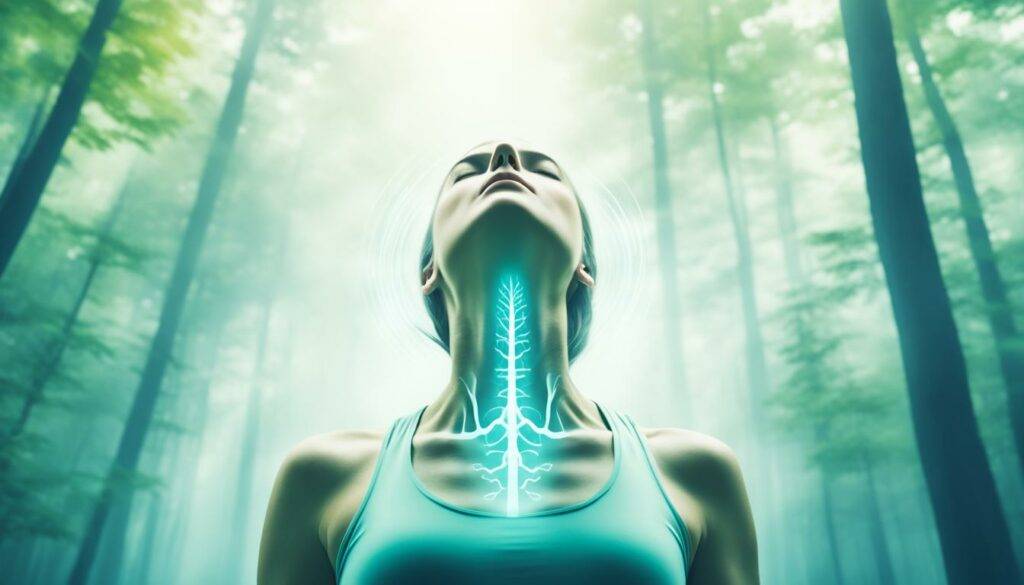
Breathing exercises to promote calmness.
Breathing exercises help us find calm and focus when we are stressed. Using techniques such as diaphragmatic breathing and alternate nostril breathing improves our mental and physical health.
Diaphragmatic breathing technique
The diaphragmatic breathing technique uses the abdomen to breathe. This fills the lungs with air and helps to oxygenate them better. In just 90 seconds, this technique can relax, reduce stress, and lower blood pressure and heart rate. <sup>13</sup>
To get more benefits, it's good to take 20 to 40 second pauses between breaths. This helps to better control your breathing 13 .
Alternate nostril breathing
Alternate nostril breathing involves inhaling through one nostril and exhaling through the other. This improves concentration and relieves anxiety. Start with five to ten rounds and gradually increase the intensity. 13 14 .
Adding alternate nostril breathing to daily routines can bring peace of mind.
https://www.youtube.com/watch?v=zPH8siRRKW4
Mental health and breathing: a powerful link.
The connection between mental health and breathing is very strong. We know that breathing techniques for anxiety are essential for coping with stress and anxiety. They greatly improve our emotional well-being.
Practicing regular breathing gives us the chance to feel the benefits of respiration . For example, it improves our minds and makes us more emotionally resilient. Techniques like diaphragmatic breathing are simple but very effective. They help balance the nervous system and bring calm.
Adding these practices to our days helps create a safe environment for self-care. By breathing consciously, we not only alleviate anxiety but also take better care of our mental health and overall well-being.

Studies indicate that using these techniques regularly can bring about significant positive changes. The connection between mental health and breathing becomes clearer when we see how controlling our breathing helps manage our emotions.
| Breathing Technique | Benefits |
|---|---|
| Diaphragmatic Breathing | It reduces anxiety and improves oxygenation. |
| Alternate Breathing | Balances energies and mental clarity. |
| Content in 4 Parts | It calms the nervous system and improves focus. |
These practices show that the union of mental health and breathing protects us and helps us live better. Therefore, considering breathing techniques for anxiety as part of our health care is very important 15 .
Practice deep breathing in daily life.
Adding deep breathing practice to our daily lives is easy and makes a big difference. For example, using breathing techniques can create a moment of calm. Adults breathe about 16 times per minute, which is about 23,000 breaths per day 16. Dedicating two minutes a day to deep breathing can relieve tension 17 .
It is good to practice these techniques in the morning, at work, and before bed. Breathing slowly and deeply can lower blood pressure and improve anxiety . Breathing six times per minute can relax the body and bring health benefits .
Breathing is linked to how we feel emotionally. Moving and breathing properly not only helps physical health, but also improves emotional health by releasing hormones that make us feel happy. Organizing the day with breathing breaks can increase confidence and decrease anxiety .
https://www.youtube.com/watch?v=qsUjjgoPYoY
Tips for integrating mindful breathing into your routine.
Integrating mindful breathing into daily life is easy. We start with small tips for mindful breathing in quiet moments. For example, setting aside a few minutes in the morning for daily breathing exercises helps prepare you for the day. This promotes a calmer and more focused mental state.
In the workplace, taking deep breaths before meetings or presentations is very effective. Research shows that mindful breathing and meditation improve cardiovascular health and control blood pressure.18 These practices bring clarity and confidence, which are important for effective communication.
Exploring techniques such as alternate nostril breathing, used in Yoga, helps relieve stress 18. Practicing deep abdominal breathing improves lung capacity and reduces anxiety, helping in stressful situations 19 .
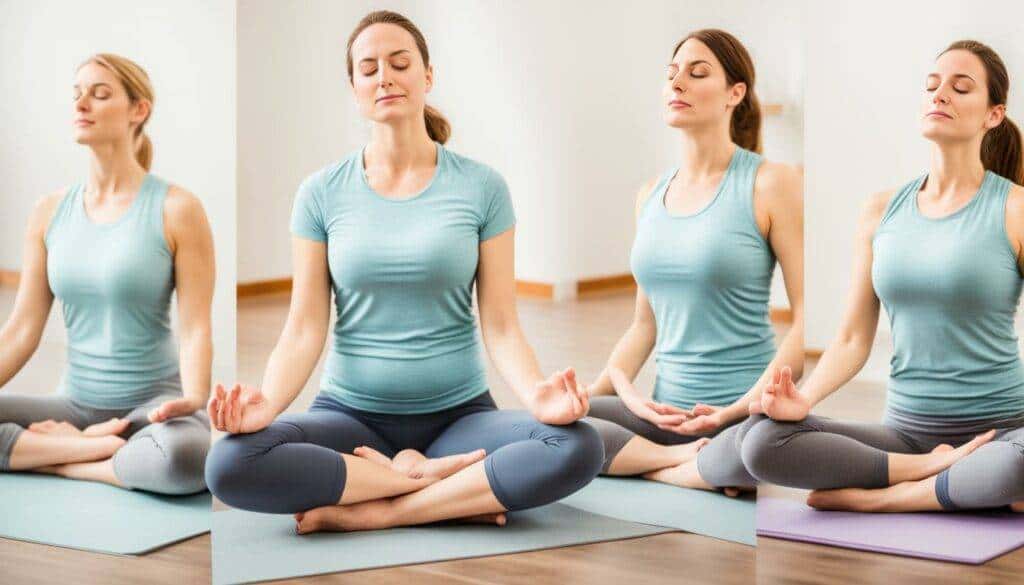
Daily practice is essential. Over time, these tips for mindful breathing become a habit. This improves our physical and emotional health. More mindful breathing helps us better cope with the challenges of daily life.
Conclusion
Breathing techniques are essential tools for calmness and focus. They help reduce stress and improve mental well-being. Conscious breathing is crucial for facing emotional and physical challenges.
Practicing breathing exercises creates an inner environment of peace. This is vital in a world full of turmoil. Investing in yourself is a step towards better emotional balance. Conscious breathing increases our resistance to stress.
In conclusion, we see that breathing for calm and focus is a skill to be honed. With practice and dedication, we can change our mental and emotional state. This leads to a fuller and more balanced life. Don't underestimate the power of breathing techniques and their impact on well -being.
FAQ
What are breathing techniques?
Breathing techniques are methods that improve physical and mental well-being. They help to relax, clear the mind, and relieve stress.
What are the benefits of deep breathing?
Deep breathing calms the body and mind. It relieves anxiety and improves heart health. It also increases cell oxygenation, improving well-being.
How can mindful breathing help with mental health?
Conscious breathing serves as an anchor for focusing on the present moment. It helps manage emotions and thoughts, which are essential for mental health.
What breathing exercises can we do to promote calmness?
Exercises like diaphragmatic breathing and alternate nostril breathing are good for calmness. They also improve concentration.
How does deep breathing affect stress?
Deep breathing activates the relaxation response. This reduces stress hormones, regulating blood pressure and heart rate.
How can we integrate mindful breathing into our routines?
Dedicate a few minutes each day to breathing exercises. Seek out quiet moments and practice simple relaxation techniques.
Is there a relationship between mental health and breathing?
Yes, mental health and breathing are linked. Breathing techniques improve mental clarity and emotional resilience.
What are the best breathing practices for everyday life?
Taking breaks for breathing exercises upon waking or before bed is beneficial. It can improve our health and well-being.
🌟 Have you considered seeking a therapist to support your well-being journey?
If this article sparked reflections about positive changes in your life, perhaps now is the ideal time to take the next step. Do you know hypnosis as a therapeutic tool? This approach can be surprisingly effective for various personal challenges.
Special offer: Book a free 20-minute consultation with therapist Fabio Morus and discover how therapy can transform your life.
✨ No commitment — Completely free — 20 minutes that can make a difference
👉 Click here to book your free consultation
Don't postpone your well-being any longer. The first step to change is just one click away.