Have you ever wondered if your anxiety is normal or a bigger problem? Anxiety disorder affects millions of people worldwide. Around 264 million people suffer from it, according to the World Health Organization (WHO) 1 .
When anxiety interferes with our daily lives, it can be a disorder. Often, people hesitate to seek help. This may be due to a lack of access to services or the stigmatization of mental health.
Furthermore, women are more likely to have an anxiety disorder than men 1. It's important to know the signs of anxiety and how to identify it. Let's look at the signs and why it's crucial to seek professional help to deal with anxiety 2 .
What is anxiety?
Anxiety is an emotional reaction that we all experience. It occurs when we have worries or fears. It's natural, but it can affect our mental health and lives when it becomes too intense or persistent.
Anxiety disorders are very common, affecting about 4% of the world's population. In Brazil, more than 18 million people are affected 3. Often, these symptoms are not seen as health problems, which can lead to inadequate diagnosis and treatment 4 .
Stress, life changes, and adverse events can worsen anxiety. It can manifest in various ways, such as excessive fear in normal situations. This can create a cycle of fear and avoidance. <sup>5</sup>
Healthcare services are frequently used by people with anxiety. The gastrointestinal system is affected, causing symptoms that can worsen the condition 5. The COVID-19 pandemic increased cases of anxiety by more than 25%. Children and adolescents were the most affected, with an increase from 7.4% to 19% 3 .
https://www.youtube.com/watch?v=iIc97ZKxSBU
How does anxiety become a disorder?
Anxiety becomes a disorder when worry and emotional and physical symptoms persist for a long time. This greatly affects our lives. We begin to experience anxiety disorder symptoms such as tension and fear that make it difficult to even relax or go out with friends. This condition can worsen due to pressure and lack of support, making us believe that something bad could happen at any moment.
Studies show that about 30% of adults in the US have anxiety disorders. These disorders are very common. Anxiety can manifest in various ways, such as worries about health, money, family, and work . In Brazil, more than 18 million people have anxiety, which is almost 10 % of the population.
Symptoms of anxiety can begin in childhood. One may experience phobias or panic attacks, which worsen with stress or trauma . It is important to seek a diagnosis of anxiety disorder for treatment. Treatment may involve therapy, medication, or both, depending on individual needs.
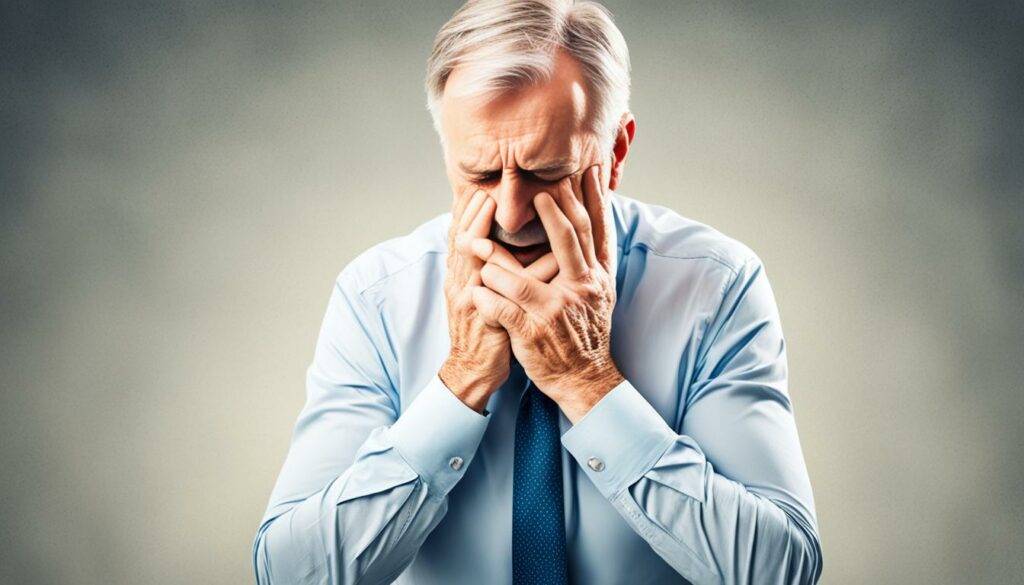
Symptoms of Anxiety Disorder
Symptoms of anxiety disorders affect both the mind and the body. They can change the lives of those who experience them. It's important to know how to recognize these signs in order to seek help.
Main psychological signs
The main psychological signs include:
- Constant restlessness;
- Excessive worry;
- Obsessive thoughts;
- Difficulty relaxing;
- A feeling of imminent danger.
Physical signs of anxiety
The physical signs are also alarming and may include:
- Muscle tension;
- Palpitations;
- Difficulty sleeping;
- Changes in appetite;
- Excessive sweating;
- Gastrointestinal problems.
According to the World Health Organization, 9.3% of the Brazilian population suffers from anxiety disorders. This makes Brazil the most anxious country in the world . About one-third of people will experience an anxiety disorder in their lifetime . Generalized Anxiety Disorder (GAD) is characterized by excessive worries that last more than six months . To control the symptoms, treatment with medication and behavioral therapy is necessary .
https://www.youtube.com/watch?v=tllSN0P6Epc
The difference between fear and anxiety.
Understanding the difference between fear and anxiety is crucial for our mental health. Fear is a response to a real danger or threat. Anxiety, on the other hand, is about worrying about uncertain or unpredictable future situations. Anxiety can be much greater than the situation we are facing.
The difference between fear and anxiety shows that both put us on alert. But anxiety can become a problem when it interferes too much with our lives. This can affect our relationships, work, and well-being. Symptoms such as shortness of breath, chest pain , and excessive sweating are common in those who have anxiety .
Brazil has the highest rate of anxiety disorders in the world, with 9.3 % of the population affected.12 This difference between fear and anxiety affects our daily lives and how we face challenges.
It is important to recognize these differences in order to seek help when necessary. Practices such as meditation, exercise, and good nights of sleep help control anxiety. <sup>11</sup>

| Aspect | Fear | Anxiety |
|---|---|---|
| Origin | Response to a specific hazard | Anticipating the future |
| Duration | momentary | Persistent and can last for months. |
| Impact | It can be functional. | This can result in severe disruptions to daily routines. |
Causes of Anxiety Disorder
The causes of anxiety disorders are varied. They include genetic factors , environment, and stress . Understanding these factors helps to better understand the complexity of anxiety.
Genetic factors
Genetic factors are very important for anxiety. Women are more likely to have anxiety due to genetics and hormones.13 If someone has a family history of anxiety, they may be more prone to having the same problem.
Environment and stress
Environment and stress are also crucial to anxiety. About 10% of adults in Brazil have anxiety.14 Trauma, work stress, and a fast-paced life can increase anxiety. For example, generalized anxiety disorder stems from worries and stress.
https://www.youtube.com/watch?v=GV6eLfmGePQ
Understanding panic disorder and social phobia is important for treating anxiety 13. Obsessive-compulsive disorder and post-traumatic stress also affect anxiety 13 .
To manage anxiety, it's good to exercise, eat well, and go to therapy . Participating in support groups also helps a lot.
Identifying anxiety: how to recognize the signs
Understanding how to identify anxiety is essential for anyone who wants to know more about the signs of anxiety in everyday life. In Brazil, approximately 18.6 million people suffer from anxiety, representing 9% of the population. This makes Brazil the most anxious country in the world 15. Anxiety can manifest in various ways, such as mood swings, irritability, and feelings of tension 16 .
Symptoms of anxiety can vary from person to person. Some common signs include shortness of breath, unexplained fear, and sleep problems, affecting more than 70% of Brazilians . It's important to know that anxiety attacks can be mistaken for physical health problems.
Observing our emotions and behaviors helps us understand if anxiety is temporary or if we need professional help. If signs of anxiety begin to affect our daily activities, it's time to seek help.<sup> 17 </sup>

| Symptoms of Anxiety | Description |
|---|---|
| Difficulty concentrating | Delusions and lack of focus during simple tasks. |
| Irritability | Disproportionate emotional responses to minor frustrations. |
| Sleep disturbances | Insomnia or excessive sleep, affecting daily well-being. |
| Physical symptoms | Tachycardia, sweating, and a feeling of shortness of breath. |
| Obsessive thoughts | Excessive worries that are difficult to control. |
Treatment for Anxiety
Treatment for anxiety is essential for improving quality of life. It's important to consider various options, both medical and therapeutic. These approaches can alleviate symptoms and promote well-being.
Recommended therapies
Cognitive behavioral therapy (CBT) is very effective. It helps patients understand and cope with their feelings. Participating in group therapy is also good, as it allows for the sharing of experiences.
Regular psychological counseling is very important. Studies show that it helps to reduce the symptoms of anxiety. <sup>18</sup>
Medications and medical follow-up
Doctors often prescribe medication to relieve anxiety. But the goal is not to cure it completely, but rather to lessen the symptoms. This way, people can live better lives.<sup> 18</sup>
It is crucial to have constant medical follow-up . This allows for adjustments in treatments and reinforces the importance of speaking openly with specialists 19 .
https://www.youtube.com/watch?v=k2RSwpWJ4qk
How to Control Anxiety in Daily Life
It's very important to learn how to manage anxiety in daily life to achieve lasting well-being. There are several self-care practices we can use to live better.
Physical exercise, such as walking or running, helps release hormones that make us feel good. It also helps keep the heart in rhythm, preventing anxiety attacks. It's good to avoid things that stimulate anxiety, such as coffee and nicotine, to avoid anxiety and panic .
Organizing your daily routine well is another key point. Making to-do lists and prioritizing tasks can reduce anxiety . In times of crisis, taking deep breaths and seeking calm places helps. It's also good to distract yourself with things you enjoy.

Having an active lifestyle can reduce anxiety by up to 60% 21. Exercising and socializing are very important. Seeking help from a psychologist is crucial, as anxiety has increased in recent years 21 .
Having friends and living well can help control anxiety. For more tips, see the article on how to deal with anxiety.
Link to the article on how to control the
Conclusion
Understanding the symptoms of anxiety disorder is crucial for seeking help. This disorder affects millions worldwide and in Brazil. It is a major challenge that cannot be ignored.
Recognizing the signs early and choosing an effective treatment helps with recovery. This leads to long-term well-being.
To treat anxiety, there are therapies and medications. Cognitive-behavioral therapy and selective serotonin reuptake inhibitors are options. Professional follow-up is essential to control symptoms and improve quality of life.
It is our role to inform and support those struggling with anxiety. To learn more about the disorder, its causes and effects, see Hospital Santa Mônica 22 23 24 .
FAQ
What are the main symptoms of anxiety disorder?
Symptoms include constant restlessness and excessive worry. They also include difficulty sleeping, muscle tension, palpitations, and changes in appetite.
How can I identify anxiety in myself or in another person?
Identify signs such as changes in sleep patterns and difficulty concentrating. Also, observe a constant feeling of tension. It is important to monitor these emotions and behaviors.
What differentiates fear from anxiety?
Fear is a response to immediate dangers or threats. Anxiety involves disproportionate anticipation of the future. Both can lead to a state of alertness, but excessive anxiety can impair quality of life.
What are the causes of anxiety disorder?
The causes are multifactorial, including genetic influences and environmental factors. Trauma and prolonged stressful situations also play a role.
What is the most effective treatment for anxiety?
Treatment includes psychotherapeutic therapies, such as cognitive behavioral therapy. Medication may be used when necessary. It is important to have medical follow-up to adjust the treatment.
How can I manage anxiety in my daily life?
To manage anxiety, adopt healthy practices. This includes physical exercise, breathing techniques, and meditation. Strengthening your social support network is also essential.
What are the signs of excessive anxiety that I should pay attention to?
Signs of excessive anxiety include constant worry and muscle tension. They also include difficulty concentrating and physical symptoms such as palpitations and a feeling of depersonalization. These signs deserve attention and may indicate the need for treatment.
Is it common for people with anxiety disorders to hesitate to seek help?
Yes, many people hesitate to seek help. This is due to the stigma associated with mental health and the lack of access to specialized care services.
How is an anxiety disorder diagnosed?
Diagnosis is made by mental health professionals. They assess the symptoms, the patient's history, and the impact on quality of life. Tests and interviews may be used for a more accurate evaluation.
🌟 Have you considered seeking a therapist to support your well-being journey?
If this article sparked reflections about positive changes in your life, perhaps now is the ideal time to take the next step. Do you know hypnosis as a therapeutic tool? This approach can be surprisingly effective for various personal challenges.
Special offer: Book a free 20-minute consultation with therapist Fabio Morus and discover how therapy can transform your life.
✨ No commitment — Completely free — 20 minutes that can make a difference
👉 Click here to book your free consultation
Don't postpone your well-being any longer. The first step to change is just one click away.