
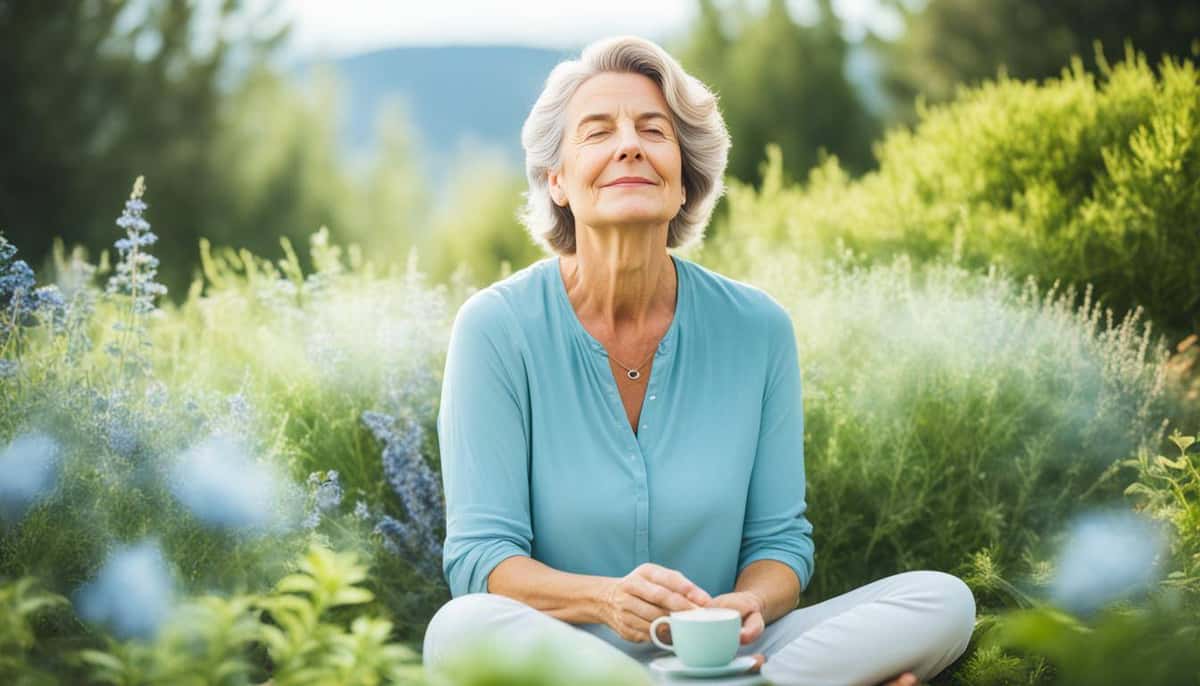

Have you ever wondered why more people are looking for a calming agent? In recent years, the number of cases of anxiety and depression has risen by 25% worldwide. This happened especially at the beginning of the Covid- 19 pandemic. Now, many people are seeking ways to alleviate these problems.
This article will show you the options for calming agents, both natural and medicinal. We will understand the symptoms of anxiety and depression . We will also see how these tranquilizers can improve our well-being and life.
What is anxiety?
Anxiety is a common reaction in people, being a natural response to stressful situations. It manifests as excessive worry and nervousness . This affects various aspects of life, such as relationships, work, and studies . About one-third of the world's population may be affected by anxiety, including young people.
During the coronavirus pandemic, the mental health of many adults in 30 countries, including Brazil, has worsened significantly . Anxiety can accompany depression in 60% to 90% of cases, demonstrating its complexity .
Some people with anxiety take a long time to receive the correct diagnosis, which delays treatment. To cope with anxiety, it is good to use psychotherapy and medication, especially in severe cases.
https://www.youtube.com/watch?v=1qp1wlnaek8
It's important to understand the symptoms of anxiety and depression in order to seek help early. Identifying symptoms, such as insomnia and muscle tension, is crucial. This helps improve quality of life .
Understanding nervousness
Nervousness affects many people, especially in situations of pressure or uncertainty. We feel nervous when facing challenges, such as work deadlines or social events. The World Health Organization (WHO) says that approximately 264 million people worldwide have some form of anxiety disorder. <sup>4</sup>
Symptoms of anxiety and depression include sweating, rapid heartbeat, and agitation. Women are twice as likely to have an anxiety disorder as men. This shows the importance of recognizing these signs . During the pandemic, cases of depression and anxiety rose by 25%, showing the impact of external events on nervousness .
Understanding nervousness and its causes helps control symptoms of anxiety and depression . The number of people with anxiety disorders is growing. This is worsened by a lack of access to specialized services. It is crucial not to ignore these signs and to seek ways to deal with nervousness effectively.

Natural calming agents: what are they and how do they help?
Natural calming agents are great options for those struggling with anxiety. They are a healthy alternative to chemical medications. Calming plants like Passiflora incarnata , also known as passionflower, help to relax. They act on the nervous system, reducing tension .
Valerian is widely used for those who suffer from insomnia or restlessness. It can have a strong calming effect, helping you sleep better . Chamomile, in turn, has more than 300 compounds that soothe the nervous and digestive systems. This brings a feeling of peace to the body .
Lemon balm and lavender are also good options. Lemon balm helps with nervousness and sleep problems. Lavender, in turn, reduces nervous tension.
https://www.youtube.com/watch?v=Qho0Tg4ZyL4
In short, choosing natural calming agents is a safe and effective way to take care of your health. Drinking teas made with these plants is a good idea. Use 1 tea bag or 20 grams in 1 cup of boiling water for 5 to 10 minutes. This way, you can make the most of the benefits of these calming plants in treating anxiety and depression .
Main plants used as sedatives
Calming plants are becoming more popular for treating anxiety and stress. They offer a natural and effective option. Species such as Valeriana officinalis and Passiflora incarnata are known for their tranquilizing properties. Research shows that these plants have fewer side effects than traditional medications.
Among the most popular calming plants , we find:
| Plant | Properties | Indications |
|---|---|---|
| Valerian | Calming and sedative | Anxiety and insomnia |
| Passionflower (Passiflora) | Mild anxiolytic | Treatment of anxiety |
| Chamomile | Relaxing | Calm and restful sleep |
| Kava-kava | Reduces anxiety. | Short-term emotional symptoms |
These species are widely used in Brazil, and many, such as valerian and chamomile, are approved by ANVISA 9. The use of herbal remedies is growing, showing a search for natural treatments. It is important to consult a specialist before using these plants to ensure correct and effective use 8 .

How passionflower helps with anxiety.
Passiflora incarnata, or passionflower, is a widely used natural calming agent . This is because ANVISA (Brazilian Health Regulatory Agency) recognizes its sedative properties. In Brazil, it is a major producer and is very helpful in treating anxiety .
This plant has many flavonoids. They are good for the body, helping to control stress and anxiety 10 .
https://www.youtube.com/watch?v=Yq2nP9py2aA
During the pandemic, anxiety increased significantly, affecting 80% of people 11. Passionflower is very useful at this time. It improves mental health and quality of life, helping people sleep better 12 .
Passionflower tea is easy to make and very effective. Simply use 2 tablespoons of the dried extract in hot water. It combats anxiety and promotes relaxation. Therefore, passionflower is a good option for those seeking treatment for anxiety .
Treatment for anxiety and depression
Treatment for anxiety and depression is very important for mental health. The World Health Organization says that almost a quarter of the Brazilian population has anxiety. About 6% of the population suffers from depression . Treatment may include therapy and medication, such as antidepressants and tranquilizers.
There are over 30 antidepressants available. Therapy with a psychiatrist and psychotherapy is the best option. <sup>14</sup>
Depression can be mild, moderate , or severe. It can last for days, weeks , or years, requiring long-term treatment.14 Half of people with anxiety may develop depression. Therefore, treatment should include therapy and psychiatric help.13
It is crucial to identify the signs of anxiety and depression early. This can include changes in appetite and sleep 13. Supporting these individuals is essential to help them recover.
Medications such as Amitriptyline and Fluoxetine are provided free of charge by the SUS (Brazilian public healthcare system). This helps to facilitate access to treatment. <sup>14</sup>

Symptoms of anxiety and depression
It is very important to know how to identify the signs of depression and anxiety . These conditions can affect the mind and body in many ways. Worldwide, approximately 400 million people have depression and 264 million suffer from anxiety. <sup>15</sup>
Signs of depression and anxiety
The symptoms of depression and anxiety are many and varied. Some of the most common are:
- Feelings of sadness or despair that don't go away;
- Worries that don't stop and are very intense;
- Fatigue and lack of energy all the time;
- Difficulty focusing on the task at hand;
- Trouble sleeping or excessive dreaming;
- Irritability and mood swings.
These symptoms are concerning. That's because 24% of people with anxiety may become depressed 16 .
How to identify anxiety and depression.
To learn how to identify anxiety and depression, it's crucial to keep an eye on the symptoms. There are over 100 symptoms of anxiety , affecting both body and mind.16 In addition, more than 300 million people suffer from depression, but many do not have access to treatment.17 Knowing how to recognize these signs can help in seeking help before it's too late.
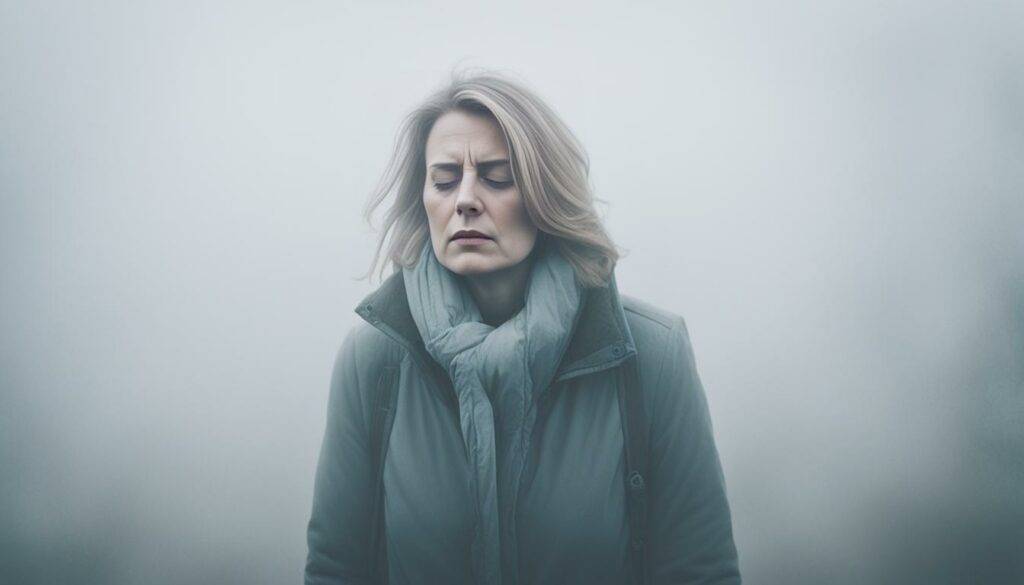
Physical symptoms of anxiety and depression
The physical symptoms of anxiety and depression can manifest in various ways. More than 3% of the world's population suffers from these problems, demonstrating the severity of the physical effects. In Brazil, 5.8% of the population has depression, which means approximately 11.5 million people are affected . These disorders bring symptoms such as fatigue, insomnia, palpitations, and muscle pain, raising public health concerns.
People with anxiety often experience respiratory problems, tremors, and headaches . Furthermore, neuroticism can worsen these symptoms, making daily life difficult. It is crucial to seek appropriate treatment early, as symptoms can worsen and lead to long- term health problems.

Soothing teas: how to prepare them
Calming teas are great for those who want to relax and reduce anxiety. To make tranquilizing teas , it's important to choose the right herbs. Let's see how to prepare valerian tea and other options at home.
Valerian tea: the ideal sedative for sleep.
Valerian tea is famous for helping you sleep well. According to Art of Tea, valerian can calm nerves and reduce anxiety and stress. To make it, follow these steps:
- Boil water.
- Add 1 tablespoon of dried valerian root per cup.
- Let it steep for about 10 to 15 minutes.
- Strain and sweeten to taste.
It is good to drink up to 2 cups a day 21 .
Other options for calming teas
There are several other calming teas besides valerian tea :
- Chamomile tea : Good for anxiety and stress, up to 4 cups a day 21 .
- Lemongrass tea : Helps with anxiety, up to 4 cups a day 21 .
- Lavender tea : Improves mood and reduces anxiety, up to 3 cups per day 21 .
- Lemon balm tea : Combats anxiety, up to 3 to 4 cups per day 21 .
- Passionflower tea : Relieves anxiety, up to 3 cups per day 21 .
Peppermint tea can also soothe the stomach and reduce frustration and anxiety 20 .
Pharmacy-available sedatives and tranquilizers
Pharmacy calming medications, which include tranquilizers and anti-anxiety medications , are used to treat anxiety and insomnia. They act on the central nervous system, bringing relaxation and reducing symptoms such as insomnia and worry. Sales of these medications increased by 58% in Brazil between 2017 and 2021 .
It is important to use these medications carefully and with a doctor's prescription. This helps to avoid dependence and side effects such as drowsiness and weight gain 22. Benzodiazepines are widely used, but can have negative effects, highlighting the importance of medical supervision 23 .
Antidepressants are used long-term, while benzodiazepines are for urgent situations. Buspirone is a non-dependent option, good for anxiety 24 and 23 .
If you're looking for alternatives, there are natural options such as herbal remedies and relaxation practices. These can be good ways to deal with anxiety without the risks of tranquilizers. For more information, see this article on anxiety and depression.
Precautions and contraindications
Using sedatives, whether natural or pharmaceutical, requires caution. It's important to know which medications don't combine well. Before starting any treatment, speaking with a doctor is essential.
Plants used as sedatives also have risks. They can react badly with other medications, potentially causing adverse effects. People with pre-existing conditions should be very careful when using sedatives.
The side effects of tranquilizers can vary. It's crucial to monitor how your body reacts to them. With a balanced diet, treatment can be more effective. By taking good care of tranquilizers, we also want to take care of our health.
| Soothing | Type | Contraindications |
|---|---|---|
| Fluoxetine | Antidepressant | It should not be combined with MAOIs. |
| Diazepam | Anxiolytic | Avoid in cases of substance dependence. |
| Valerian | Plant | It may interact with sedatives. |
| Propranolol | Beta blocker | Contraindicated in bronchial asthma. |
Understanding the precautions regarding sedatives and contraindications of medications is key to the safe use of sedatives . This helps maintain a healthy and balanced life 25 26 27 .
Conclusion
Anxiety and nervousness greatly affect our mental well-being . In Brazil, we have many cases of depression and anxiety, according to the WHO 28. It is important to understand the symptoms and treatments, such as psychoeducation and medical follow-up.
People with chronic anxiety may also have depression. This happens because of emotional and physical exhaustion.28 Therefore, it's good to seek treatments that change your lifestyle to improve your mental health.
Treatment for anxiety and depression needs to be tailored to each individual. It takes into account age, emotional state, and other health issues.29 Ultimately , it is crucial to seek knowledge and support to overcome these challenges, ensuring effective treatment for everyone.
FAQ
What are the main symptoms of anxiety and depression?
Anxiety and depression bring feelings of sadness and worry. They also cause fatigue, sleep disturbances, and headaches. This includes muscle tension.
How can we identify anxiety and depression?
To recognize anxiety and depression, observe the emotional and physical signs. These may include worry, sadness, palpitations, and digestive problems. Seek professional help if you notice these signs.
What natural calming remedies are available?
Natural calming agents like passionflower, valerian, and chamomile are effective. They help to relax and reduce anxiety without side effects.
What are pharmacological sedatives and how do they work?
Pharmacological tranquilizers are medications that act on the nervous system. They relieve anxiety and insomnia, promoting relaxation and control of these conditions.
What precautions should we take when using sedatives?
Consult a doctor before using sedatives, whether natural or pharmaceutical. This helps avoid contraindications and side effects. Be mindful of the use of other substances.
How can calming teas help with anxiety?
Teas like valerian tea reduce anxiety and improve sleep. They are a natural and effective option for daily routines.
🌟 Have you considered seeking a therapist to support your well-being journey?
If this article sparked reflections about positive changes in your life, perhaps now is the ideal time to take the next step. Do you know hypnosis as a therapeutic tool? This approach can be surprisingly effective for various personal challenges.
Special offer: Book a free 20-minute consultation with therapist Fabio Morus and discover how therapy can transform your life.
✨ No commitment — Completely free — 20 minutes that can make a difference
👉 Click here to book your free consultation
Don't postpone your well-being any longer. The first step to change is just one click away.