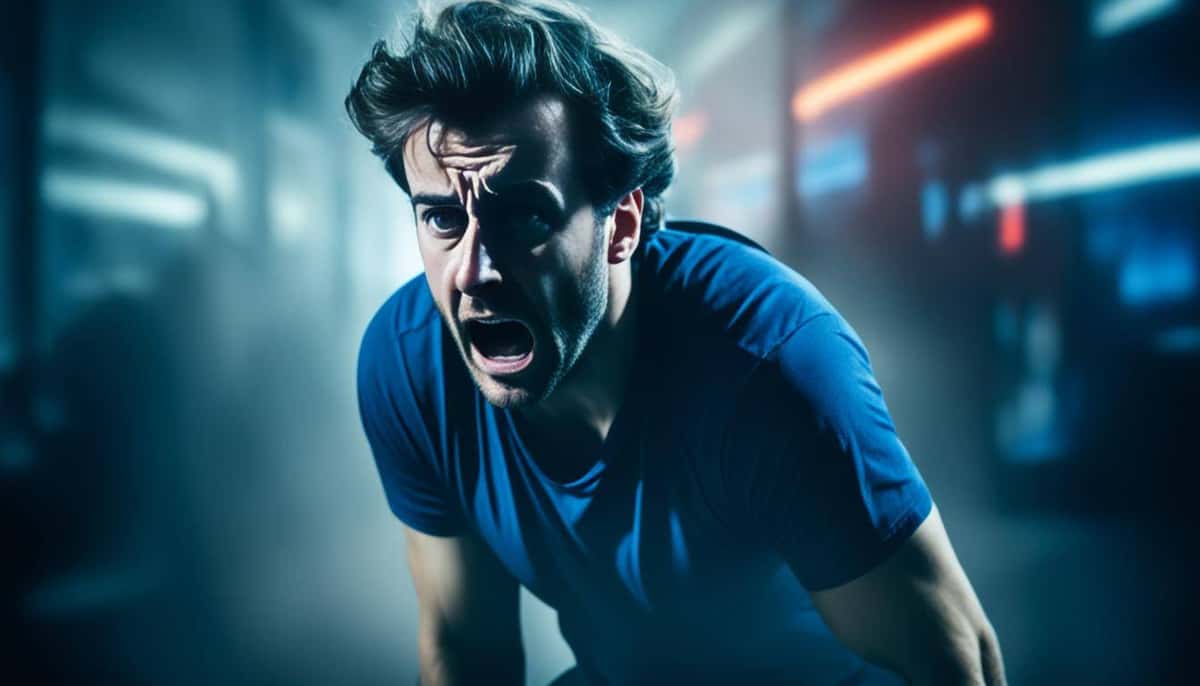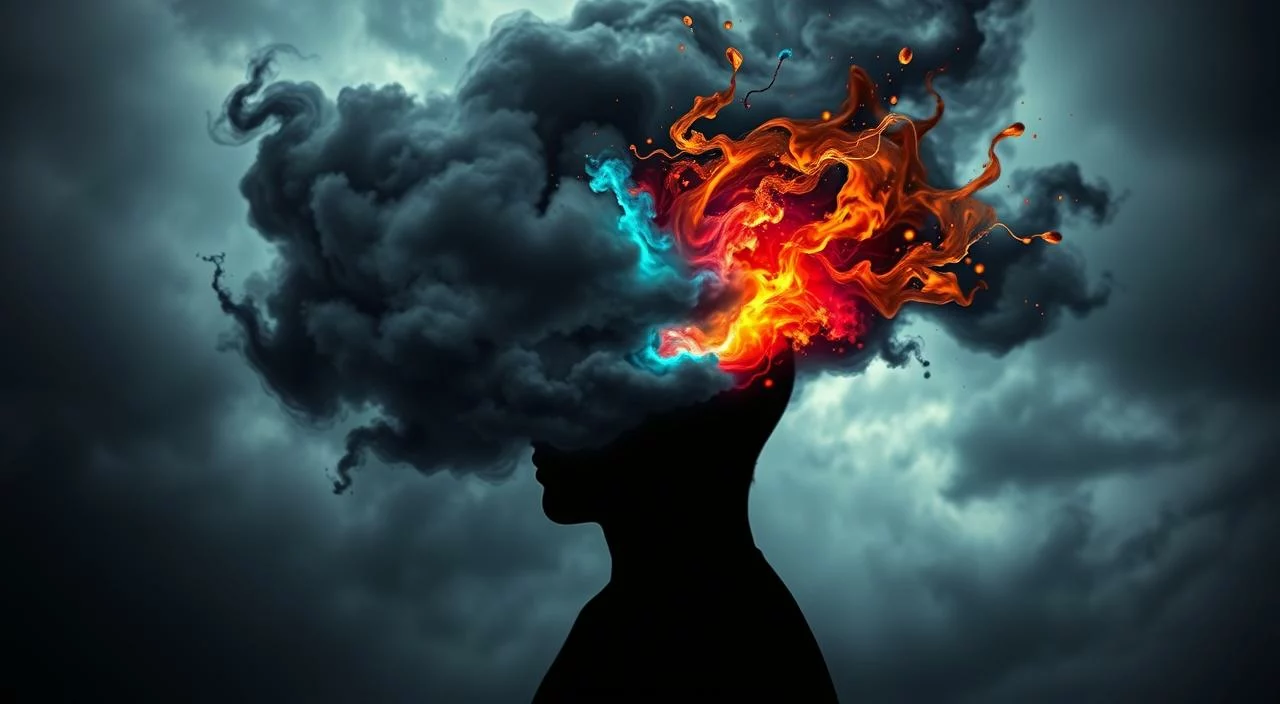
Have you ever wondered if your anxiety might be hiding deeper signs? Anxiety is natural and everyone experiences it. But when it becomes too intense, it can cause an anxiety attack . Let's look at the symptoms of an anxiety attack , recognize the signs, and how to deal with them.
According to the World Health Organization, anxiety increased by 25% in Brazil in 2020 1. It affects more than 58 million people worldwide 2 .
Understanding anxiety is important for improving our lives. Let's analyze how it manifests and what the signs of an anxiety attack are. This way, we can find treatments for anxiety attacks and strategies to cope with them.
What is an anxiety attack?
An anxiety attack is a psychological state characterized by numerous anxious symptoms. These include distress and nervousness. It occurs when the body is unable to cope well with stress.
These crises can come without warning and are more common in people with anxiety. In Brazil, around 20 million people have an anxiety disorder . That's about 9.3% of the population, which is very alarming 3 4 .
A study showed that 70% of anxiety attacks are linked to depression. Stress also contributes to these problems 5 3 .
Symptoms of a panic attack include intense fear, a racing heart, and in some cases, a feeling of being disconnected from the world . Stress or trauma can trigger these symptoms.
https://www.youtube.com/watch?v=Pmh9No4Mdts
How does anxiety manifest in our bodies?
Anxiety can be seen in our body and emotions. Many experience alarming physical symptoms of anxiety . Tachycardia is a common sign, caused by adrenaline, leading to a rapid heartbeat. Shortness of breath is also common, causing irregular breathing and chest pressure.
Excessive sweating can affect our self-confidence, especially in social situations. Tremors in the limbs indicate that the body is preparing to react to stress . Feeling nauseous is unpleasant and shows anxiety .
It's important to recognize these signals in the body. They can indicate that we are coping poorly with stress. Therefore, it's crucial to be aware of anxiety and its effects on health.
| Physical Symptoms | Description |
|---|---|
| Tachycardia | Increased heart rate, causing a sensation of a racing heart. |
| Shortness of breathe | Shortness of breath and erratic breathing, leading to feelings of panic. |
| Excessive sweating | Increased sweating, often during times of stress. |
| Tremors | Involuntary spasms in the limbs, a reflex of tension. |
| Nausea | Stomach discomfort, usually accompanied by nervousness. |
What are the main symptoms of an anxiety attack?
The symptoms of an anxiety attack vary from person to person. But some common signs are easy to recognize. Among them, shortness of breath and a feeling of tightness in the chest are common . Other symptoms include:
- Tremors or shaking of legs and arms
- Palpitations and chest pains
- Feeling faint and dizzy
- Nausea and vomiting
- Irritability and insomnia
- Difficulty concentrating
The World Health Organization says that 264 million people worldwide have anxiety disorders. Women are twice as likely to have these problems. This shows the importance of recognizing these signs early and seeking help.
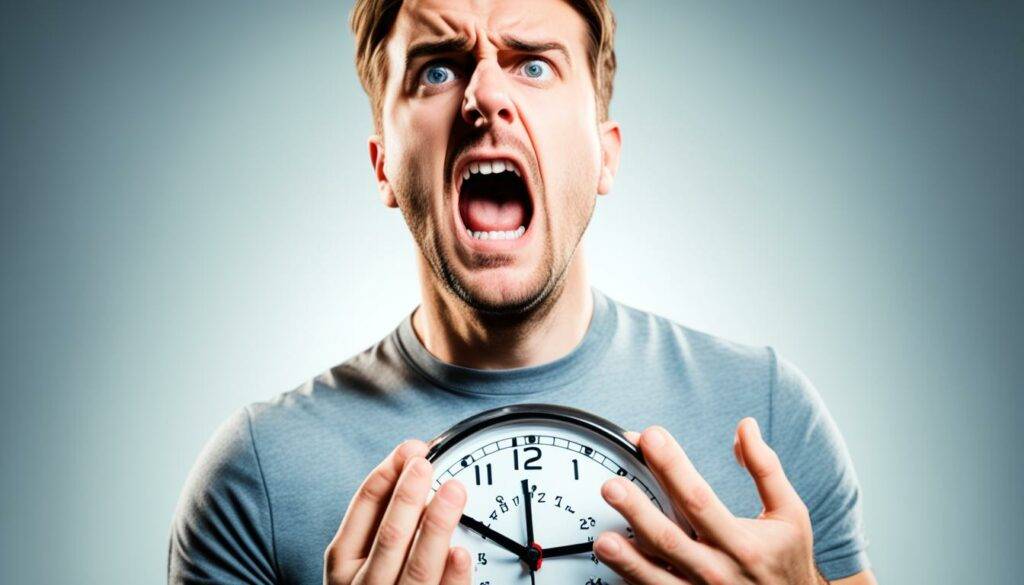
Furthermore, a panic attack can cause similar symptoms, but more intense and of shorter duration 10. Knowing about the symptoms of anxiety is the first step in dealing with the situation and seeking treatment.
Symptoms of an anxiety attack: Differentiating it from other disorders
Understanding the symptoms of an anxiety attack is very important. Many of these symptoms can be confused with other problems, which can lead to misdiagnosis.
For example, a panic attack and an anxiety attack are different. They have similar symptoms, but distinct causes.
Panic attack vs. anxiety attack
A panic attack is much more intense and comes on suddenly. An anxiety attack, on the other hand, arises in stressful situations. Both can cause rapid heartbeat and shortness of breath.
This can lead to confusion about whether it's a heart problem or anxiety. About 70% of people who have panic disorder are young women, between 15 and 25 years old . Knowing the difference is the first step in seeking the right treatment.
Confusion with heart problems
Symptoms of anxiety can be confused with heart problems. Chest pain and palpitations can be signs of anxiety or heart problems. Therefore, it is important to consult a doctor for a correct diagnosis.
Treatment for panic disorder combines therapy and medication. This helps to improve symptoms . Practicing relaxation techniques and having psychological support are also very important.
https://www.youtube.com/watch?v=a1C8PxeLlGo
How to recognize the signs of an anxiety attack?
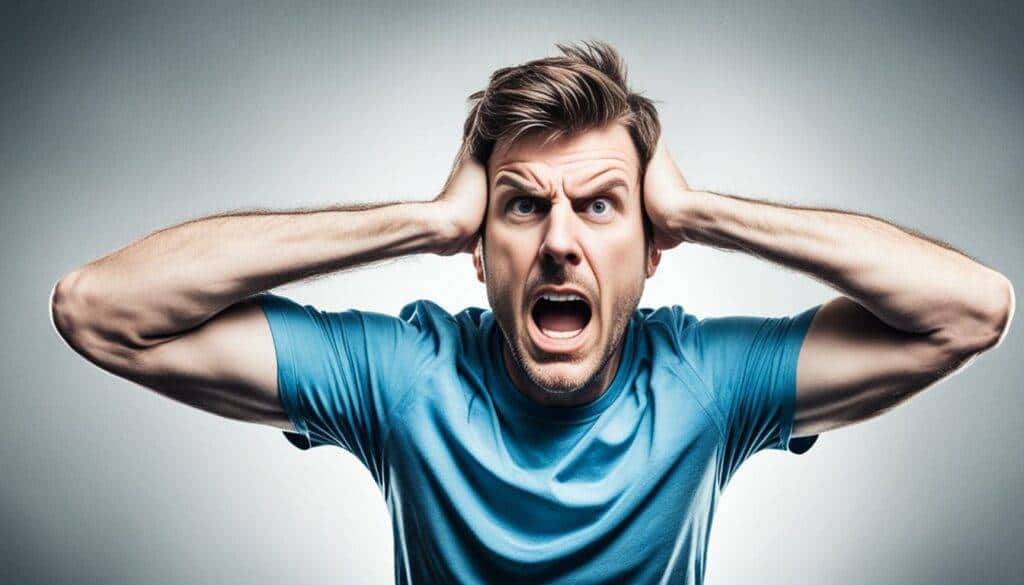
It is very important to know how to recognize the signs of an anxiety attack. This helps us take better care of ourselves. Early signs include sudden fear, racing heart, chest tightness, and trembling. These can be signs that an attack is coming. <sup>13</sup>
Furthermore, anxiety can cause constant restlessness and difficulty relaxing. These changes in thoughts and behaviors can keep us in a state of alert. In these cases, it's good to stop, take a deep breath, and try to understand what is causing the anxiety. Keeping a journal can help identify patterns and predict future crises.
A study in Brazil revealed that approximately 18 million people suffer from anxiety . Knowing how to identify an anxiety attack goes beyond physical symptoms. It's important to understand the emotional factors and context of each attack.
Common triggers for anxiety attacks
It's very important to know what triggers anxiety attacks. Each person has different things that make them feel anxious. But there are some triggers that many people recognize.
Stress at work
Work-related stress is a major problem. About 70% of anxiety attacks stem from work pressures. This can cause symptoms such as a racing heart and excessive sweating. <sup>14</sup>
Knowing how to manage stress is crucial for improving our performance.
Personal problems
Personal problems are also a common trigger. They account for about 20% of anxiety cases. Difficulties such as family conflicts and financial worries can increase anxiety 14 .
It's important to find ways to cope with these problems in order to maintain our emotional health.
https://www.youtube.com/watch?v=hMO0DhNv5y8
Seeking professional help and learning to manage our emotions is crucial. Treatment may include breathing techniques or therapy. This helps us face life's challenges.
Effective anxiety management can transform how we experience our emotions and relationships.
Identifying physical symptoms of an anxiety attack
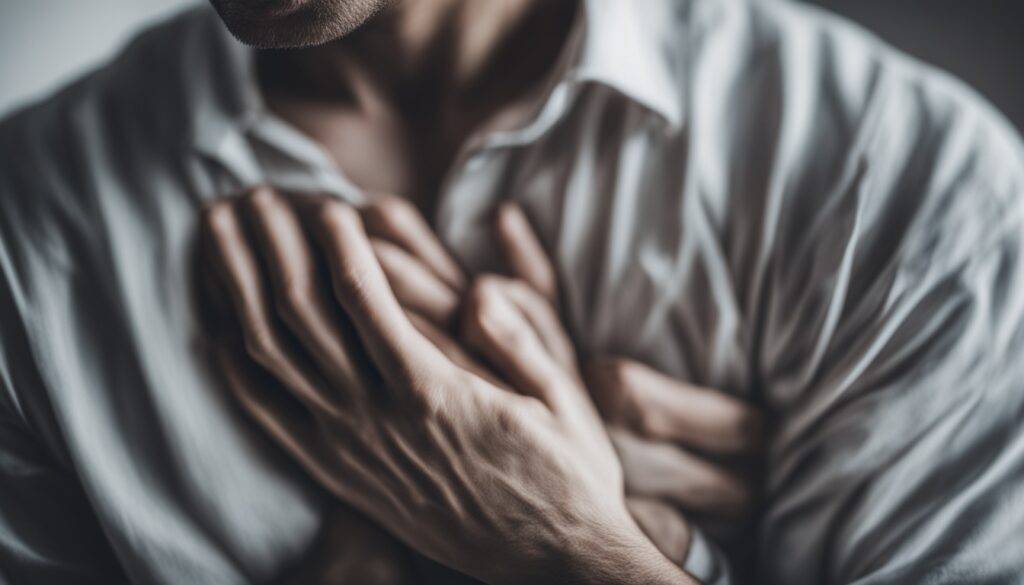
It is very important to know how to recognize the physical signs of anxiety. The physical symptoms of an anxiety attack can be tremors, nausea, shortness of breath, excessive sweating, and muscle tension. These symptoms appear when you are stressed and show that your body is under pressure .
It is essential to understand the seriousness of these symptoms. Palpitations or chest pain can be mistaken for a heart attack. If you have these symptoms every day for six months, it may be a sign of severe anxiety. Recognizing the physical symptoms of an anxiety attack is the first step in seeking help and using relaxation techniques.
Practicing exercise is a good way to relieve anxiety. It releases substances that improve well-being and help to distract. In addition, healthy habits such as eating well and sleeping well also help to reduce the effects of anxiety.<sup> 15</sup>
What to do during an anxiety attack?
When you're experiencing anxiety, it's important to know how to manage the symptoms. Techniques like controlling your breathing and distracting yourself are very helpful. They can help improve the situation.
Breathing control
Controlling your breathing means doing exercises that help you breathe more calmly. Healthcare professionals recommend breathing slowly and regularly. This can reduce anxiety and give you more control over your symptoms. <sup>16</sup>
A good exercise is the 4-7-8. You inhale for 4 seconds, hold your breath for 7 seconds, and exhale for 8 seconds.
Distraction methods
Distracting yourself is a great way to ward off negative thoughts. Doing things you enjoy, like listening to music or reading, can be very helpful 16. Creative activities, like drawing, can also help you stay calm 17 .
https://www.youtube.com/watch?v=8YG8HABY25w
| Distraction Activities | Description |
|---|---|
| Listen to Music | It helps create a relaxing environment and improves mood. |
| Read a Book | It provides a mental escape and helps to focus attention. |
| Chat with Friends | It offers emotional support and relief from the pressure of thoughts. |
| Practice Exercises | It releases endorphins that help improve feelings of well-being. |
| Breathing Exercises | It helps to calm the mind and reduce the physical symptoms of anxiety . |
When should you seek professional help?
Seeking professional help is essential when anxiety affects our daily lives. This includes being unable to control anxiety, having persistent symptoms, and it impacting our lives. Approximately 18.6 million Brazilians struggle with anxiety, and it is one of the leading causes of absence from work .
When anxiety leaves us mentally and physically exhausted, it's a sign that we need help. A professional, such as a psychiatrist or psychologist, can help with a diagnosis and a treatment plan. This plan may include therapy and medication, which are important for relieving symptoms and improving quality of life. <sup>19</sup>
Some people experience very intense anxiety attacks, which can last 20 minutes. If anxiety makes us worried, unable to focus , or irritable, it's time to seek help.

Cognitive behavioral therapy (CBT) is an effective way to deal with anxiety. It teaches strategies for managing symptoms . After an assessment, the professional shows how to handle the situation. This helps us understand the importance of seeking professional help and knowing when to seek treatment .
Effective treatments for anxiety attacks
When facing anxiety crises, it is essential to know the effective treatments available. A comprehensive treatment plan often combines psychological therapy and, in some cases, medication . These methods can be crucial in restoring well-being and quality of life.
Psychological therapy
Cognitive behavioral therapy (CBT) is one of the most effective approaches. This technique helps identify dysfunctional thought patterns that worsen anxiety attacks. It is a strategy recommended by experts, such as Dr. Luciana Mancini, who states that practices like meditation and breathing exercises are fundamental for preventing new attacks. Creating a space for communication can facilitate the therapeutic process, allowing for more consistent development of the skills needed to cope with anxiety. CBT stands out because it offers tools to overcome symptoms such as agitation and difficulty concentrating .
Use of medications
Depending on the severity of the anxiety, medication may be appropriate. Antidepressants and anxiolytics are commonly prescribed to help manage symptoms. The choice of medication should always be discussed with a mental health professional, ensuring that treatment is personalized and effective for each individual. Following the Covid-19 pandemic, the global prevalence of anxiety increased by 25%, especially among younger people, reinforcing the need for appropriate treatment. In situations of more intense crisis, the use of short-acting benzodiazepines may be considered an option to alleviate symptoms .
https://www.youtube.com/watch?v=kxN6Va4etLw
Being aware of the different approaches available and adapting treatment to individual needs is fundamental. Support from professionals, such as psychiatrists and psychologists, can provide holistic treatment, which yields positive long-term results. <sup>21</sup>
How can I develop skills to cope with anxiety?
It is crucial to learn how to manage anxiety in order to cope with crises. Approximately 13.3 million Brazilians suffer from anxiety.23 Techniques such as meditation and physical exercise can be very helpful. One study showed that meditation and exercise reduce depressive symptoms in 52 people.23
Planning your day helps you deal with anxiety. It reduces unpredictability and increases your confidence. Activities we enjoy are also important. They help us develop skills to cope with anxiety . Participating in social activities improves our well -being.
Self-awareness is key to dealing with anxiety. Identifying the signs helps us seek the right treatment. Cognitive-behavioral therapy is a good option for treating anxiety, often preferred over medication.23 Exercise, meditation, and quality sleep are essential for mental health.24

Conclusion
Understanding the symptoms of an anxiety attack and what causes it is very important for our mental health. The World Health Organization (WHO) says that 264 million people worldwide suffer from anxiety. This shows how important it is to deal with anxiety nowadays .
In Brazil, the situation is even worse. Around 29.3% of the population, or about 60 million people, have anxiety disorders. <sup>26</sup>
When we recognize the signs and seek help, such as breathing techniques, we can better control our feelings. Working with professionals and using what we learn helps us improve our lives and cope with anxiety effectively. <sup>27</sup>
Therefore, it is crucial to understand and treat anxiety in order to have a more balanced and healthy life. In the fight against the anxiety pandemic, it is important to support each other and seek information to take care of our mental health 26 .
FAQ
What are the main symptoms of an anxiety attack?
Symptoms include shortness of breath and a feeling of tightness in the chest. They also include tremors, sweating, feeling faint, and dizziness. In addition, there is irritability and difficulty concentrating.
How can I identify an anxiety attack?
Identifying an anxiety attack is easy. Just keep an eye out for signs like restlessness and difficulty relaxing. Also, notice if you are overly focused on worries.
What differentiates a panic attack from an anxiety attack?
A panic attack is more intense and can come without warning. An anxiety attack, on the other hand, usually occurs in stressful situations.
What are some common triggers for anxiety attacks?
Triggers include work stress , demanding results, and conflicts. They also include personal problems and emotional crises.
What to do during an anxiety attack?
During a crisis, control your breathing and use distractions. Listen to music or read a book to push away obsessive thoughts.
When is the right time to seek professional help?
Seek help when uncontrollable anxiety affects your life. It's important to have a diagnosis and a treatment plan.
What types of treatment are effective for anxiety attacks?
Effective treatment combines therapy, such as CBT, and sometimes medication. This may include antidepressants and anti-anxiety medications.
How can we develop skills to cope with anxiety?
To cope with anxiety, recognize the signs and practice mindfulness. Use relaxation techniques and maintain healthy habits, such as exercise and a balanced diet.
🌟 Have you considered seeking a therapist to support your well-being journey?
If this article sparked reflections about positive changes in your life, perhaps now is the ideal time to take the next step. Do you know hypnosis as a therapeutic tool? This approach can be surprisingly effective for various personal challenges.
Special offer: Book a free 20-minute consultation with therapist Fabio Morus and discover how therapy can transform your life.
✨ No commitment — Completely free — 20 minutes that can make a difference
👉 Click here to book your free consultation
Don't postpone your well-being any longer. The first step to change is just one click away.