

Have you ever felt intense fear about leaving your house or being in crowded places? The signs of agoraphobia can turn simple moments into terrifying experiences. Around 150,000 Brazilians face this challenge every day.
They struggle with a great fear that limits their freedom and quality of life.
The symptoms of agoraphobia can begin without you realizing it. They can affect your ability to socialize and work. Many people suffer from it without knowing that there are ways to overcome this anxiety disorder .
Key Points
- Agoraphobia affects approximately 2% of the population.
- Women are more susceptible to the disorder.
- Symptoms can be controlled with appropriate treatment.
- Cognitive-Behavioral Therapy has a 70% effectiveness rate.
- Recognizing the signs early is crucial.
What is Agoraphobia and its Origins?
https://www.youtube.com/watch?v=QqrS4UY4HzgAgoraphobia is a complex anxiety disorder . It's not just a fear of open spaces. It's necessary to understand its historical and psychological roots well.
Meaning of the Term Agora
The term "Agora" comes from ancient Greek. It referred to the public squares of Athens. There, citizens discussed politics, culture, and religion.
In agoraphobia, this concept becomes a great fear of public spaces, as well as situations that can cause anxiety.
Development of the Disorder
Agoraphobia is diagnosed at different stages of life. There is interesting data regarding its prevalence:
- 1.7% of adolescents and adults are diagnosed annually.
- The first symptoms appear at the end of adolescence.
- Women are more likely to develop the disorder.
Impact on Modern Life
Anxiety disorder related to agoraphobia significantly affects quality of life. It is estimated that 30% to 50% of people with panic disorder have agoraphobia.
| Features | Impact |
|---|---|
| Fear of public places | Social isolation |
| Panic attacks | Limitation of daily activities |
| Physical symptoms | Increased anxiety |
Agoraphobia doesn't define a person. It's a challenge that can be overcome with support and specialized treatment.
Symptoms of Agoraphobia: Physical and Emotional Manifestations
Agoraphobia is a complex disorder. It can cause various physical and emotional symptoms. Approximately 150,000 Brazilians seek treatment to cope with panic in open spaces and fear of crowds .
The physical symptoms of agoraphobia can be very intense. People with this disorder often experience:
- Increased heart rate
- Difficulty breathing
- Excessive sweating
- Tremors and dizziness
- Chest pain or pressure
On an emotional level, the fear of crowded places can be very frightening. Many individuals report:
- Constant insecurity
- Fear of going out alone
- Catastrophic thoughts
- Low self-esteem
Between 30% and 50% of people with agoraphobia also suffer from panic disorder. This can worsen the symptoms. The condition is more common in women and usually appears between adolescence and adulthood.
It's important to remember that not everyone experiences the same symptoms. The intensity can vary greatly between individuals.
Causes and Risk Factors of Agoraphobia

Agoraphobia is a complex disorder. It arises from several interconnected factors. Knowing what causes it helps to understand it better and to recover.
Understanding the factors that cause agoraphobia is essential. This helps to overcome the fear of losing control in public places .
Genetic Factors
Studies show that genetics plays an important role. If there is a family history of anxiety, the risk of agoraphobia increases.
- Family history of anxiety
- Hereditary predisposition
- Specific neurobiological characteristics
Environmental Triggers
The environment is crucial to the development of agoraphobia. Stressful or negative situations in public places can trigger symptoms.
| Environmental Trigger | Potential Impact |
|---|---|
| Prolonged stress | Increased vulnerability |
| Urban traumas | Fear development |
| Unpredictable environments | Increased anxiety |
Traumatic Experiences
Traumatic events can cause agoraphobia. People avoid public places for fear of reliving the trauma.
- Previous panic attacks
- Experiences of violence
- Accidents or risky situations
Understanding these factors doesn't mean that change is impossible. It's an important step towards treatment and recovery.
How to Identify the Signs of Agoraphobia in Daily Life

Identifying agoraphobia early is very helpful. It limits social and professional life. People with agoraphobia have specific behaviors.
- Avoid leaving home alone.
- They are very afraid in open or crowded places.
- You always want to have someone by your side to do simple things.
- He experiences strong physical symptoms in situations that frighten him.
Signs of agoraphobia include physical and emotional reactions. It greatly affects people's lives. They avoid things that trigger panic, which increases fear and isolation.
| Behavior | Impact |
|---|---|
| Avoid public transportation. | Limited mobility |
| Fear of queues and crowds | Social restriction |
| Dependence on close people | Loss of independence |
It is estimated that 1.3% of the world's population has agoraphobia. It is more common in women. Recognizing the signs early helps to start treatment and improve quality of life.
Differences Between Agoraphobia and Panic Disorder
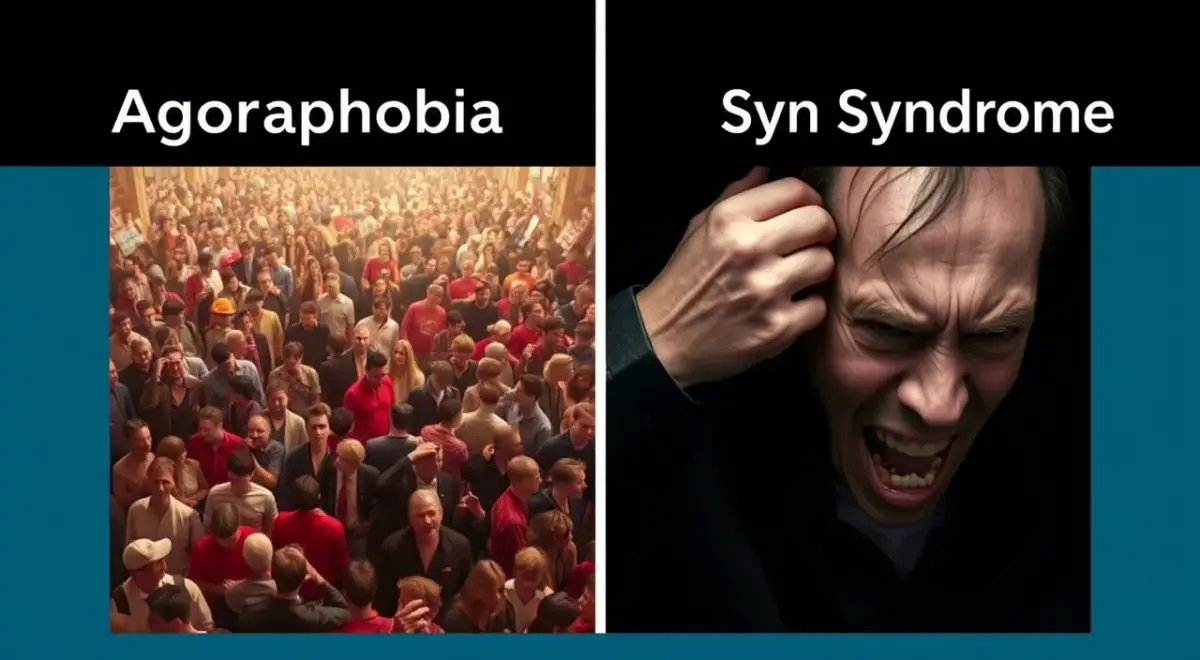
It's essential to understand the differences between agoraphobia and panic disorder. Both are anxiety disorders, but they have unique characteristics. This affects how each person experiences fear.
Specific Characteristics of Each Condition
Agoraphobia is the fear of open spaces or public places. People with agoraphobia avoid these places to avoid panic.
- Agoraphobia focuses on the fear of specific places.
- Panic disorder is characterized by sudden and unexpected attacks.
- Both can coexist in the same individual.
Distinct Behavioral Patterns
30% of people who have panic attacks may develop agoraphobia. This happens within the first 6 to 12 months. Up to 60% of cases have both conditions.
Panic disorder causes attacks that can last up to 30 minutes. This occurs because of serotonin levels in the brain. Agoraphobia, on the other hand, focuses on avoiding situations that may cause anxiety.
Both conditions are treatable. Psychotherapy, medication, and relaxation techniques can help. This brings hope to those dealing with these mental health issues.
Professional Diagnosis and Clinical Assessment
Diagnosing agoraphobia is a complex process. It requires specialized attention. Psychiatrists and psychologists use a careful approach.
- Detailed analysis of the patient's personal history.
- Conducting structured interviews
- Application of specific psychological tests
- Checking the intensity of the symptoms.
To diagnose agoraphobia, it's necessary to identify specific patterns of fear. Professionals want to understand:
- Situations that trigger anxiety
- Intensity of fear experienced
- Impact on the patient's daily life
For an accurate diagnosis, specialists analyze several aspects. These include the frequency and severity of symptoms.
| Aspects Evaluated | Diagnostic Details |
|---|---|
| Duration of Symptoms | More than 6 months |
| Interference in Daily Life | Significant social and occupational limitations |
| The Origin of Fear | Specific situations that are difficult to escape. |
Clinical evaluation helps create a personalized treatment plan. This offers hope and strategies for overcoming agoraphobia.
Available Treatments for Agoraphobia

Agoraphobia is a complex challenge that requires multiple approaches. It affects 1.7% of the population. Understanding the available treatments for managing this disorder is essential.
Treatments for agoraphobia involve therapy and medication. They aim to alleviate symptoms and aid the patient's recovery.
Cognitive-Behavioral Therapy
Cognitive Behavioral Therapy (CBT) is very effective against agoraphobia. It can reduce symptoms by up to 75%. CBT helps patients to:
- View negative thought patterns
- Finding ways to deal with problems
- Changing limiting beliefs
Pharmacological Treatment
Medications are used to control anxiety in agoraphobia. Selective serotonin reuptake inhibitors (SSRIs) help in 60-70% of cases.
| Type of Medication | Effectiveness | Function |
|---|---|---|
| ISSRs | 60-70% | Reduces anxiety. |
| Pregabalin | 50-60% | Relieves symptoms |
Hypnotherapy as a Complementary Treatment
Hypnotherapy is a promising technique for agoraphobia. It helps to control emotions. Hypnotherapy allows:
- Access to relaxed mental states
- Reprogramming anxiety responses
- Strengthening psychological resilience
Each person has a unique path to overcoming agoraphobia. A combination of therapies may be the best way to recover and achieve well-being.
Coping Strategies and Self-Help
Dealing with agoraphobia requires practical strategies. Overcoming it begins with small steps. Daily techniques help a lot.
Hypnosis techniques are very effective. They help control agoraphobia. Important methods include:
- Conscious breathing practices
- Progressive muscle relaxation exercises
- Positive visualization techniques
- Guided meditation
Gradual exposure is essential. Start in places you are familiar with. It's important to be patient with yourself .
| Strategy | Benefit |
|---|---|
| Deep Breathing | Reduces anxiety symptoms by up to 50%. |
| Mindfulness | Increases emotional control. |
| Self-hypnosis | Reduces the perception of threat. |
Every little step is important. Recovery is a unique process. It requires dedication and professional support.
The Role of the Family in the Recovery Process
Agoraphobia is not something to be faced alone. Family is essential in providing support. They help the person overcome isolation and find strength.
It's important to know how the family can help. There are strategies for effective support:
- To create a welcoming and understanding environment.
- Avoid judgment or criticism.
- Actively participate in the therapeutic process.
Essential Emotional Support
Family support greatly improves recovery from agoraphobia . Empathy and constant support are powerful tools . They help the person regain confidence and confront their fear.
Participation in Treatment
The family plays an important role in treatment. Some ways to help include:
- Accompanying to medical appointments
- Assists in gradual exposure exercises.
- Learning about the disorder leads to a better understanding.
- Offering unconditional support during difficult times.
Overcoming agoraphobia requires patience, love, and dedication. With family support, it's possible to overcome isolation and live a full life.
Relapse Prevention and Management
Preventing relapses in agoraphobia requires constant effort. It's important to use the strategies learned in treatment. Keeping a symptom diary helps to identify patterns and triggers before they worsen.
Managing agoraphobia requires preventative action. Professionals suggest breathing and mindfulness practices to control emotions. Having a self-care routine, such as exercise and relaxation, helps strengthen the mind.
The best coping strategies involve gradually confronting anxiety-inducing situations. Therapeutic support is essential. Do not interrupt treatment without consulting a healthcare professional.
Recovery is a long road that requires patience and dedication. Celebrating each small step forward keeps you motivated. This helps prevent setbacks in the fight against agoraphobia.
Source Links
- Agoraphobia: symptoms, causes, and how to overcome it.
- Agoraphobia: the fear that prevents you from living in the present.
- Agoraphobia: Understand the Causes and Symptoms, plus 7 Treatment Options
- What is agoraphobia? Discover its symptoms and causes!
- Agoraphobia: what it is and main symptoms | Psitto Blog
- Agoraphobia: understand what it is | Formularium
- Agoraphobia: What is it and how do its symptoms manifest? | Zenklub
- Agoraphobia: symptoms and available treatments
- Agoraphobia: causes, symptoms, and how to treat the disorder.
- Agoraphobia: Learn about the disorder associated with panic attacks - Vittude
- Agoraphobia: main causes and treatments
- Agoraphobia: the fear of the unpredictable - Sanarmed
- Agoraphobia: what it is, causes, symptoms, and treatments!
- Panic Disorder (with or without Agoraphobia)
- Panic disorder and agoraphobia: a case study
- Understanding panic disorder, agoraphobia, and their correlation — well-being institute
- Understanding Agoraphobia: Symptoms, Causes, and Treatment Options
- Screening / Diagnosis - Anxiety Disorders in Adults
- Agoraphobia: What it is, symptoms, treatments, and causes.
- Agoraphobia: what it is, symptoms, causes, and treatment.
- Agoraphobia: What it is, Symptoms and Treatments. | IBND
- 6 strategies for coping with a panic attack
- Sinopsys - Panic Management Kit
- General considerations regarding anxiety disorders - Mental health disorders - MSD Manual Family Health Version
- A psychoanalytic perspective on Panic Disorder: a case study
- Therapeutic planning - Anxiety disorders in adults
- Panic Disorder: Everything You Need to Know About the Illness - Santa Monica Hospital
🌟 Have you considered seeking a therapist to support your well-being journey?
If this article sparked reflections about positive changes in your life, perhaps now is the ideal time to take the next step. Do you know hypnosis as a therapeutic tool? This approach can be surprisingly effective for various personal challenges.
Special offer: Book a free 20-minute consultation with therapist Fabio Morus and discover how therapy can transform your life.
✨ No commitment — Completely free — 20 minutes that can make a difference
👉 Click here to book your free consultation
Don't postpone your well-being any longer. The first step to change is just one click away.