

The fear of showering is a common problem. It can cause anxiety and lead to social isolation. It's difficult when personal hygiene becomes a major challenge.
Luckily, there are ways to overcome this fear. Let's look at the causes and give you some tips to help you. That way, you can feel good and comfortable again.
What is the fear of taking a bath?
https://www.youtube.com/watch?v=tR_PsKgggoU
The fear of bathing is called ablutophobia. It is a very strong fear of water and of washing oneself. People with this phobia may avoid bathing and situations involving water. This greatly affects their lives, causing emotional and social problems.
Definition and main characteristics
Ablutophobia is a very strong fear of bathing or being near water. This fear can stem from bad past experiences. People with this phobia worry a lot about the risk of hurting themselves or feeling uncomfortable while bathing. They also avoid being near other people so they don't have to bathe.
Common causes of this fear
There are several reasons for the fear of taking a bath. Some of them are:
- Traumatic experiences in childhood, such as accidents involving water.
- Cultural influences that make hygiene seem bad.
- Emotional factors, such as anxiety and stress.
Signs and symptoms of fear of bathing.

The fear of bathing, called ablutophobia, manifests in various ways. It's important to know the symptoms of this fear to help those who experience it. The signs can be strong or weak, but they always indicate a need for care and support.
Physical and emotional symptoms
The most common symptoms of fear of bathing include:
- Tachycardia and rapid heartbeat;
- Excessive sweating, even in controlled environments;
- Belief that something bad can happen to the water;
- Belief that you won't be able to control yourself in the shower;
- Panic attacks near water.
Emotional aspects are also important. There may be anxiety, shame, or hopelessness. This causes people to avoid showering.
How to identify if you or someone else has this fear.
To identify a bathing phobia, observe certain behaviors. It's crucial to keep an eye out for:
- Avoid showers or bathrooms;
- Discomfort when talking about personal hygiene;
- Reports of bad experiences with water;
- Anxiety reactions to water.
These signs can indicate that someone has this fear. They are the first step in seeking help. With greater awareness, we can create better support for those who suffer from this.
Causes of fear of bathing in childhood

Fear of bathing in childhood stems from past experiences. It also comes from the family and social environment. Understanding these causes helps create a safe space for the child.
Past experiences and traumas
Traumatic experiences, such as near-drownings, can create a great fear of water. These negative memories affect a child's sense of security. They can cause a child to be afraid of bathing.
Family and social influence
Family greatly influences the fear of bathing. Children can learn to be afraid if their parents or siblings have phobias. An environment that doesn't emphasize hygiene can make bathing stressful.
The relationship between anxiety and bathing.

Many people experience anxiety when showering. This can cause increased heart rate and muscle tension. Negative thoughts about showering or fear of drowning are common.
Recognizing these signs is crucial in order to begin dealing with anxiety.
How anxiety can manifest itself during bath time.
Anxiety in the shower can manifest in various ways. Some people experience:
- Rapid breathing
- Feeling of being out of control
- Catastrophic thoughts, such as the possibility of fainting or not being able to get out of the water.
- Fears related to drowning
These reactions can cause people to avoid showering. This worsens anxiety, creating a difficult cycle to break.
Strategies for dealing with anxiety
There are several ways to reduce anxiety in the shower:
- Breathing techniques : Deep breathing helps to calm the nervous system.
- Meditation : Meditating before a bath helps you feel calmer.
- Gradual exposure : Start with small steps, such as wetting your hands, and gradually increase the amount.
These strategies are very useful for those who experience anxiety in the shower. They can make showering more relaxing.
Techniques for overcoming the fear of showering

Overcoming the fear of bathing is a big challenge. But there are practical ways to help. Let's look at gradual exposure techniques and breathing and relaxation practices.
Gradual exposure to bathing
Gradual exposure helps you feel more comfortable with bathing. You start with small steps. Here's how:
- Start by playing with water in the sink, using your hands to feel the temperature and texture.
- Next, proceed to soaking your feet in a basin of water.
- Try taking a quick shower with cold water, while remaining in control of the situation.
- Once you feel more confident, try gradually increasing the duration of your shower and the water temperature.
Breathing and relaxation practices
Breathing and relaxation are very helpful. They control anxiety before and during a bath. Here are some tips:
- Deep breathing: Inhale slowly through your nose, holding your breath for a few seconds, and exhale through your mouth. Repeat this process several times.
- Guided meditation: Use an app or video that offers meditations designed to relax the mind and body.
- Visualization techniques: Imagine yourself in a quiet and safe place while preparing for your bath.
Using these techniques can be very helpful. With patience and consistency, you can overcome your fear.
The role of therapy in treating this fear.

Therapy is very helpful in treating the fear of bathing. It offers support and strategies to overcome this fear. Psychotherapy is a valuable tool for exploring the roots of the fear.
One of the best-known approaches is cognitive-behavioral psychotherapy. It focuses on changing negative thoughts.
Cognitive-behavioral psychotherapy
Cognitive behavioral therapy (CBT) is very helpful against phobias, including the fear of bathing. It helps identify thoughts and beliefs that fuel the fear. Patients learn to confront their anxieties gradually.
A major benefit of this therapy is changing thoughts. This helps to greatly reduce anxiety.
Other therapeutic approaches
In addition to CBT, other therapies are also effective. Acceptance and Commitment Therapy teaches how to accept feelings. Mindfulness-based therapies teach mindfulness to reduce anxiety.
These approaches offer the chance to find the right path for each individual.
The importance of personal hygiene.
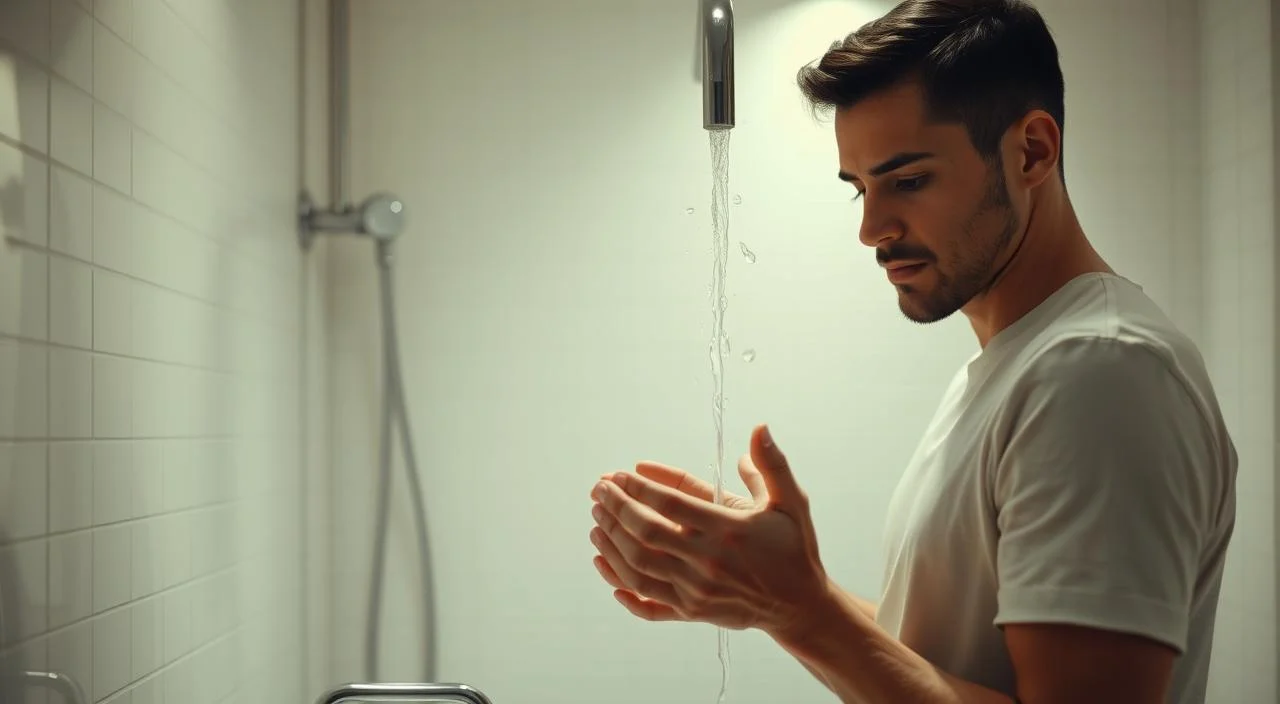
Personal hygiene is much more than just cleaning the body. It directly affects our physical and mental health. It helps prevent diseases and influences our self-esteem and emotional well-being.
Physical benefits of regular hygiene
Regular hygiene brings many benefits. For example:
- Prevention of skin infections and diseases.
- Reducing body odor and improving social interaction.
- Improved oral health, preventing problems such as cavities and gingivitis.
These benefits make our lives healthier and more active.
Psychological impacts of lack of bathing.
Poor hygiene habits can affect our mental health. People who don't bathe regularly may experience:
- Feelings of shame and embarrassment.
- Low self-esteem and insecurities.
- Increased risk of depression and anxiety.
This shows that personal hygiene is essential for our physical and emotional health. It is very important in our daily lives.
What to do if fear is affecting your life.

If your fear of showering is disrupting your daily life, it's time to take action. First, it's important to talk to a psychologist. They can help you better understand your fear and how to deal with it.
A professional can show you techniques to overcome this fear. This can change your life for the better.
Professional assessment and interventions
A psychologist can be a great ally. They can help you find the root causes of your fear and create a treatment plan that works for you.
A therapy called cognitive-behavioral therapy can be very helpful. It teaches you how to change negative thoughts about bathing.
Support networks and support groups
Support groups are also a good option. There, you can talk about your fears with people who understand. It's a safe place to share and learn from others.
These groups offer emotional support. They help you feel that you are not alone. This can make a big difference in your well-being.
Tips to make your bath more relaxing
Making bath time relaxing helps reduce anxiety. This also improves well-being. To achieve this, use soothing scents and soft lighting. These changes transform bath time into a personal refuge.
Use of aromatherapy and soft lighting.
Aromatherapy is very helpful in creating a relaxing environment. Scents like lavender and eucalyptus bring comfort and calm the mind. Adding essential oils to bath water creates a tranquil atmosphere.
Using indirect lighting or candles also enhances the experience. These changes make bathing much more enjoyable.
Creating a pleasant environment
Having a welcoming space is essential. For a relaxing bath, follow these tips:
- Keep the water temperature comfortable : Avoid extreme temperatures that may cause discomfort.
- Add decorative elements : Plants or paintings can help create an inviting atmosphere.
- Choose a relaxing playlist : Soft sounds can complement the bathing experience.
Self-care techniques related to bathing
Transforming bath time into a moment of self-care can be very effective. Self-care techniques in the shower create a welcoming environment. This promotes relaxation and comfort.
Incorporating relaxing bathing rituals can change the daily experience. It turns bathing into an act of self-love.
Relaxing bath rituals
Adopting relaxing bathing rituals makes bathing a pleasurable experience. Add bath salts or calming essential oils. They transform the water into a therapeutic potion.
This nurtures both body and mind. It's a way of taking care of yourself.
Use of products that provide comfort.
Choosing bath products that provide comfort is essential. Soaps with pleasant textures and gentle moisturizing creams cleanse and nourish the skin. These products enhance the bathing experience.
They make bathing more enjoyable and less intimidating. This creates a positive connection with the moment.
How to support someone who is afraid to take a bath.
Supporting someone with a fear of bathing is a challenge. But with the right approach, you can make a big difference. Empathy and understanding are essential to helping.
It's important to listen without judgment and create a safe environment. Here are some tips to help someone with a phobia.
Sensitive and empathetic approaches
To support someone with a fear of bathing, simply be present and show that you care. Having open conversations about your feelings is crucial. This helps the person feel heard and less afraid of being judged.
Use phrases like "I'm here for you" or "I understand this is difficult." This can lessen feelings of isolation.
The importance of emotional support.
Emotional support is essential for those who are afraid of bathing. Offering help can include encouraging them to seek therapy. Being there for the person during moments of anxiety is very helpful.
A simple gesture, like offering company during a bath, can make all the difference. It makes the experience less daunting.
Success stories: overcoming the fear of showering
Stories of overcoming the fear of bathing are very inspiring. They show that it's possible to conquer ablutophobia. With the right support and effective techniques, it's possible to enjoy bathing again.
Inspiring stories of overcoming adversity.
A woman who hadn't been able to shower for years sought help. With a therapist and gradual practice, she overcame her fear. She shows that the first step is the hardest, but every step forward is important.
Lessons learned from experience
The stories teach the importance of not giving up and of having emotional support. It's essential to face challenges gradually, to build confidence. It's also important to connect with those who have already overcome fear. Each achievement leads to a happier and fearless life.
Professionals who can help deal with this fear.
If the fear of bathing is a major problem, it's essential to seek help. Many professionals can help, each in their own way. They can make a big difference in the lives of people with ablutophobia.
Specialized psychologists and therapists
Psychologists and therapists are trained in phobias. They use techniques to help people face their fears. Cognitive behavioral therapy is one of them, which helps to change thoughts and behaviors.
Other options for professional help
Occupational therapists and self-care professionals are also very important. They provide emotional support and teach strategies for personal hygiene. Assistance may include activities and routines to make bathing more positive.

How to prevent children's fear of bathing.
It's very important to help children overcome their fear of bathing. This helps them develop a positive relationship with personal hygiene. From an early age, we can use strategies to help children see bathing as something good.
Creating a cozy and fun environment helps a lot. It makes bath time an easier moment for them.
Strategies from childhood
To introduce bathing to children, some simple tips can be very helpful. Here are a few suggestions:
- Turn bath time into a game using toys that float on the water.
- Choose bath products with pleasant scents and colors.
- Take short showers and gradually increase the time.
- Let the child choose toys or bath products.
The role of parents and educators
Parents and educators are very important in helping children overcome their fear of bathing. How they present bathing can greatly change a child's perception. Here are some tips:
- Always be positive and praise the child during and after bath time.
- Explain the importance of personal hygiene in a gentle and motivating way.
- Avoid pressure or criticism, creating a safe space for expression.
Conclusion: Overcoming the fear of showering
Overcoming the fear of bathing, known as ablutophobia, is possible. With the right strategies, many have already succeeded. Therapy, self-care, and emotional support are essential.
We explore techniques such as gradual exposure and relaxation. They show an easy path to change.
Recapping the main approaches
To overcome the fear of bathing, therapy and self-care are combined. Breathing techniques and a pleasant environment are strong allies. They reduce anxiety and turn bathing into a pleasurable experience.
The importance of seeking help and support.
We are not alone in this struggle. Seeking help for phobias is crucial. Talking to friends and family provides support and relief.
Together, we can transform bathing into a relaxing ritual. In this way, we can reclaim the quality of life we desire.
References
- Wardenaar KJ, et al. The cross-national epidemiology of specific phobia in the World Mental Health Surveys. Psychological Medicine. 2017;47(10):1744-1760.
- Choy Y, Fyer AJ, Lipsitz JD. Treatment of specific phobia in adults. Clinical Psychology Review. 2007;27(3):266-286.
🌟 Have you considered seeking a therapist to support your well-being journey?
If this article sparked reflections about positive changes in your life, perhaps now is the ideal time to take the next step. Do you know hypnosis as a therapeutic tool? This approach can be surprisingly effective for various personal challenges.
Special offer: Book a free 20-minute consultation with therapist Fabio Morus and discover how therapy can transform your life.
✨ No commitment — Completely free — 20 minutes that can make a difference
👉 Click here to book your free consultation
Don't postpone your well-being any longer. The first step to change is just one click away.