
Have you ever imagined getting a restful sleep every night? Self-hypnosis for sleep might be the key. But you might wonder, does it really work? And how do you use it in just 15 minutes? We'll show you an easy guide to improve your sleep.
This article will show you how self-hypnosis can help you sleep better. We'll demystify this ancient technique and show you how it can combat insomnia. Are you ready to learn how to master your sleep?
What is Self-Hypnosis and How Can It Help You Sleep Better?
Self-hypnosis is a state of deep attention and relaxation. You enter this state on your own, without the help of a professional. In this state, you become more receptive to positive suggestions. This can help improve your sleep, combat insomnia , and bring about deeper, more restorative sleep .
Defining Self-Hypnosis
Self-hypnosis is a scientifically proven technique that improves concentration . You voluntarily enter a trance state. In this state, you become more open to positive suggestions that improve your health and well-being. This practice is very useful for those who have sleep problems, such as insomnia.
The Benefits of Self-Hypnosis for Sleep
Practicing self-hypnosis regularly brings many benefits to sleep. You may see a reduction in insomnia , an improvement in sleep quality , deep relaxation, and more restorative and invigorating sleep . When entering a hypnotic trance, you become more receptive to positive suggestions. This helps regulate your sleep cycle.
" It is estimated that 100% of people are hypnotizable, since hypnosis is a natural state of mind. About 80% of the time is spent in a trance, indicating the ease of entering this state. " 2
Hypnosis sleep therapy is an effective way to treat sleep problems, such as insomnia . It helps create healthy habits, reduces anxiety, and improves sleep quality.
https://www.youtube.com/watch?v=eXccsqbYUJE
Demystifying Self-Hypnosis
Many still believe in myths and prejudices about self-hypnosis . But the reality is quite different. Self-hypnosis is a natural and safe state. The person remains conscious and controls the process .
Common Myths about Self-Hypnosis
A common myth is that self-hypnosis leads to a state of unconsciousness. But in reality, it's a state of deep attention and relaxation. This makes the person more receptive to positive suggestions, such as improving sleep .
Another myth is that only "weak" or "suggestible" people can be hypnotized. But hypnosis is scientifically accepted and can occur in anyone, including animals.<sup> 4 </sup>
The Truth Behind the Practice
Self-hypnosis involves stages of induction, deepening, and suggestion. This results in therapeutic suggestions to achieve personal goals, such as improving sleep . This technique, developed by Milton Erickson, helps the individual to hypnotize themselves and seek suggestions in their mind, unlike authoritarian hypnosis.
All types of hypnosis are considered self-hypnosis, since no one is hypnotized unintentionally 5. Self-hypnosis is an altered state of consciousness. It is a way of being awake, with attention turned inward 4 .

Understanding the practice of self-hypnosis beyond the myths is essential. This way, we can take advantage of its benefits 3 4 5 .
Preparing for Self-Hypnosis for Sleep
To be successful with self-hypnosis for sleep , it's crucial to have an ideal environment . Choose a calm place with low light and a comfortable temperature. This helps to avoid distractions .
Set a consistent time to practice, ideally before bed. Create a preparation ritual , such as reading or meditating, to relax your mind .
- Choose a comfortable and quiet place to practice.
- Keep the lighting soft and the temperature comfortable .
- Establish a fixed time for self-hypnosis , preferably before bed.
- Create a preparation ritual , such as reading or meditation, to calm your mind.
With a prepared environment and routine , you will be ready to enjoy the benefits of self-hypnosis for sleep 6 .
https://www.youtube.com/watch?v=YGk-vmByCvE
Practicing self-hypnosis frequently is essential for lasting results. With patience and dedication, you will master this technique. This will improve your sleep .
The Step-by-Step Guide to Self-Hypnosis Technique for Falling Asleep in 15 Minutes
Insomnia problems are common nowadays . They can make you feel constantly tired . But self-hypnosis for sleep is a good option to improve sleep .
Finding a Tranquil Environment
First, choose a calm and quiet place to practice self-hypnosis . It could be your home, a quiet room, or an outdoor space. The important thing is that it's a peaceful place.
Relaxing the Body and Mind
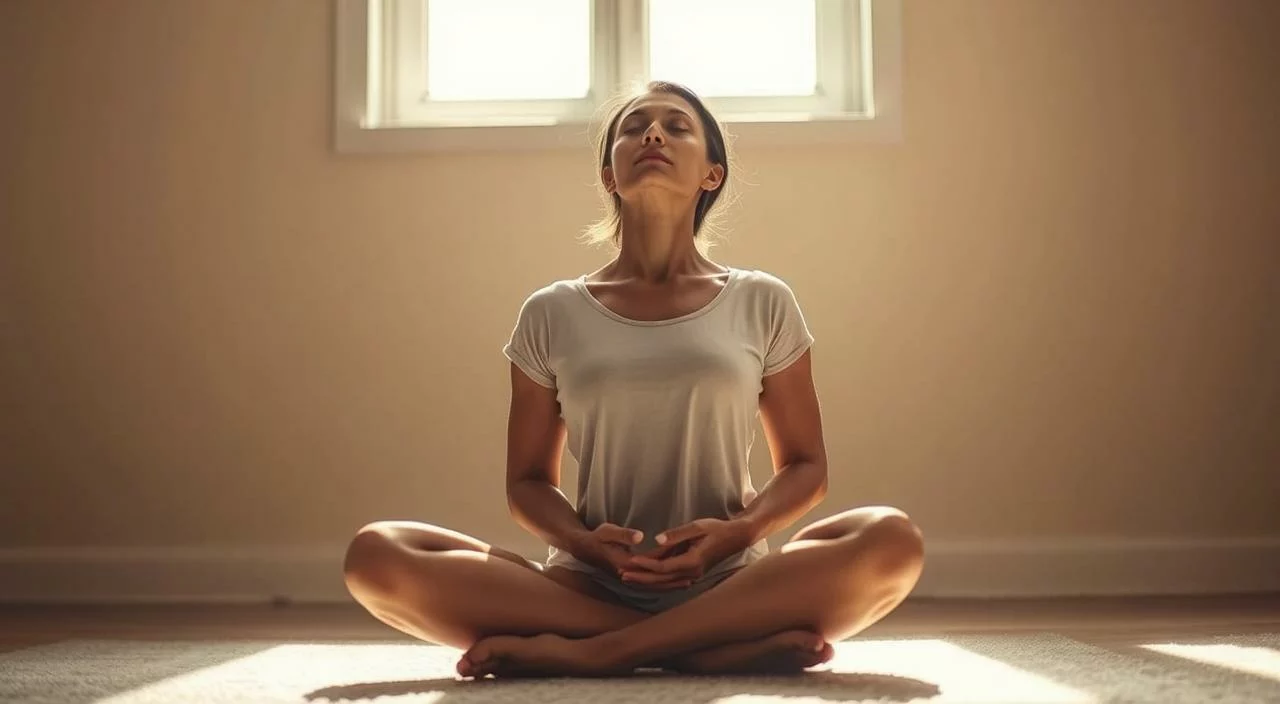
After finding the ideal spot, begin to relax. Take several deep breaths and exhale slowly. Sit like a rag doll, relaxed and limp .
Inducing Hypnotic Trance
Fix your gaze on a point and repeat, "My eyes are tired and heavy, and I want to enter self-hypnosis now." Continue repeating until your eyes feel heavy and you experience a trance .
Using Positive Suggestions to Sleep Better
Using positive suggestions helps program your mind to sleep better. Tell yourself that you are becoming more relaxed and sleepy. Or that your body is sleeping deeply . Repeat these suggestions confidently.
With self-hypnosis , you can sleep for 15 minutes and feel like you slept for 2 hours. Practice every day to improve your sleep.

For self-hypnosis to work, believe in yourself and your actions . Trust your ability to relax and program your mind to sleep better.
self-hypnosis for sleep
Self-hypnosis is very useful for those who suffer from insomnia . It helps you relax and improve your sleep. With positive suggestions, you can sleep better and wake up more rested.
How Self-Hypnosis Combats Insomnia
It is estimated that 25% to 30% of adults have some sleep problem 10. About 10% of Brazil suffers from chronic insomnia 10. Sleep problems can cause fatigue and mood swings 10 .
Hypnosis is a state where you focus on your inner self . Self-hypnosis improves concentration and focus .
Visualization Techniques to Facilitate Sleep
Imagining a peaceful place greatly helps with self-hypnosis for sleep . Think of a beach or forest and use all your senses. This calms the mind and helps you sleep better .
Hypnotherapy treats the causes of insomnia . Hypnosis improves emotional well-being. It is important to choose a good hypnotherapist for treatment .
https://www.youtube.com/watch?v=svvsCZu0UOw
Self-hypnosis helps to find positive feelings 11. Before using hypnosis, it's good to understand the problem of insomnia 12. Psychologists and psychiatrists can help in this process 12 .
Integrating Self-Hypnosis into Your Sleep Routine
To get the most out of incorporating self-hypnosis into your sleep routine , it's essential to make it part of your daily life. Choose a fixed time, such as before bed, and make it a habit. This way, you'll create a healthy sleep pattern and self-hypnosis will become an effective tool.
Loneliness can greatly affect your mental and emotional health, causing sadness, anxiety , and depression.13 It can also increase stress, harm the heart, weaken the immune system, and even increase the risk of dementia.13 Therefore, having a healthy sleep routine with self-hypnosis can be a good strategy to combat loneliness.
Studies show that hypnotherapy has a 93% success rate in six sessions.14 The "21 Days to Energized Mornings" method teaches 17 self-hypnosis techniques.14 Using these techniques in your sleep routine can help improve your sleep and well-being.
| Product | Price |
|---|---|
| 21-D Method Self-Hypnosis for Sleep | R$97.00 14 |
| Self-hypnosis manual | R$97.00 14 |
| Bonus 1: Self-Hypnosis: The Secret Revealed | R$47.00 14 |
| Music Playlist - Neurosensory Self-Hypnosis Audios | R$37.00 14 |
Adding self-hypnosis to your sleep routine not only improves sleep but also reinforces the importance of regularity in the practice . This approach can bring long-term benefits to your health and well-being.
"Regular self-hypnosis practice before bed can transform your sleep routine, leading to deeper and more restorative rest." - Sleep Specialist
Overcoming Common Challenges in the Practice of Self-Hypnosis
Learning and practicing self-hypnosis can be difficult at first. But with effort and patience, you can overcome these obstacles. This way, you can enjoy the benefits of this technique.
One of the biggest difficulties is thinking that the process isn't working. Or that you can't enter a hypnotic trance. But remember, each person learns at their own pace .
Another challenge is maintaining concentration in a world full of digital distractions. But with regular self-hypnosis exercises, you can improve your ability to focus. This will help you concentrate more over time.
- Be patient and persistent. Regular practice is key to overcoming initial challenges.
- Create a calm and distraction-free environment for your self-hypnosis sessions.
- Don't get discouraged if you can't enter a trance on your first try. Keep trying is essential.
The benefits of self-hypnosis are numerous, including improved sleep, reduced anxiety, and increased productivity. With patience and determination, you will master this technique. And thus, you will be able to enjoy its benefits .
https://www.youtube.com/watch?v=DzpMOl8mduk
"Persistence is the key to overcoming challenges in the practice of self-hypnosis . Stay firm in your goal and you will see positive results materialize."
Facing the challenges in the practice of self-hypnosis is an important step towards improving your concentration and well-being. Be patient, practice frequently , and trust the process. The benefits are many and worthwhile !
Professional Hypnosis as a Complement
Self-hypnosis can be very helpful in improving sleep. But sometimes it's good to have a hypnotherapy professional to help. A therapist can identify hidden problems and teach advanced hypnosis techniques. This can help you sleep better and feel better. 17
Hypnosis is a state of consciousness where you focus intensely and notice your surroundings less. It's a great option to complement treatments. Hypnosis therapy can treat various conditions, such as anxiety and depression, using TRI .
- Self-hypnosis can help you discover new skills and unleash potential from the subconscious 17 .
- Practicing self-hypnosis can reduce stress, improve self-esteem, and help manage pain 17 .
- Psychologists use self-hypnosis to improve their skills and overcome personal challenges 17 .
Having a therapist to guide you in self-hypnosis is very helpful. They know which techniques to use to resolve subconscious issues. Self-hypnosis and hypnotherapy together can bring many benefits, such as less stress and better sleep .

Therefore, guidance from a professional in hypnotherapy can be very helpful. It helps treat sleep problems and other disorders more effectively 17 18 19 .
Conclusion
Self-hypnosis is a powerful and easy-to-use tool to improve your sleep. By deeply relaxing and accepting positive suggestions, you can fight insomnia. This will help you sleep better and wake up feeling refreshed . Adding self-hypnosis to your sleep routine is an investment in your well-being and quality of life .
The benefits of self-hypnosis for sleep are numerous and well-proven. It can help overcome problems such as insomnia, anxiety, and stress. These are factors that affect your sleep . By using self-hypnosis , you are moving towards better and more restorative sleep.
So don't waste any time and discover this incredible technique. Self-hypnosis is an easy and effective tool to improve your life. Start practicing today and see the results in your sleep and well-being in 2021 .
FAQ
What is self-hypnosis and how can it help improve sleep?
Self-hypnosis is a state of deep focus and relaxation. You enter this state on your own, without the help of a professional. In this state, you accept positive suggestions, improving your sleep.
What are the benefits of regularly practicing self-hypnosis for sleep?
Practicing self-hypnosis regularly improves sleep. It reduces insomnia and increases sleep quality. It also relaxes the body and mind, leading to more restful sleep.
Are there myths and misconceptions about self-hypnosis? How does it actually work?
Many people think that self-hypnosis is a state of unconsciousness or loss of control. But in reality, it's a state of awareness and relaxation. You remain conscious and in control of the process.
How can I create an environment conducive to practicing self-hypnosis for sleep?
To improve, create a calm and distraction-free environment. Choose a quiet place with a pleasant temperature and soft lighting. Practice at a fixed time before bed, with a preparation ritual.
What are the step-by-step instructions for the self-hypnosis technique to fall asleep in 15 minutes?
The process includes: 1) Finding a quiet environment, 2) Relaxing body and mind, 3) Entering a hypnotic trance, and 4) Using positive suggestions to improve sleep.
How can self-hypnosis help combat insomnia?
Self-hypnosis helps to deeply relax. This allows you to regulate your sleep and reduces anxiety and stress. Positive suggestions can improve sleep and wakefulness.
What visualization techniques can facilitate sleep during self-hypnosis practice?
Visualizing a peaceful place helps to relax the mind. Imagine a beach or forest, using all your senses. This facilitates a trance-like state and improves sleep.
How can I integrate self-hypnosis practice into my sleep routine?
To get more benefits, make self-hypnosis part of your routine. Choose a fixed time before bed. This way, it becomes a healthy habit.
What common challenges can arise in the practice of self-hypnosis, and how can they be overcome?
Initially, it may be difficult to enter a trance or feel like it's not working. But be patient and persistent. With practice, you will overcome these challenges.
Could guidance from a hypnotherapy professional be helpful?
Seeking guidance from a professional can be very helpful. A therapist can help resolve sleep problems and teach advanced techniques. This can further improve your sleep and well-being.
🌟 Have you considered seeking a therapist to support your well-being journey?
If this article sparked reflections about positive changes in your life, perhaps now is the ideal time to take the next step. Do you know hypnosis as a therapeutic tool? This approach can be surprisingly effective for various personal challenges.
Special offer: Book a free 20-minute consultation with therapist Fabio Morus and discover how therapy can transform your life.
✨ No commitment — Completely free — 20 minutes that can make a difference
👉 Click here to book your free consultation
Don't postpone your well-being any longer. The first step to change is just one click away.