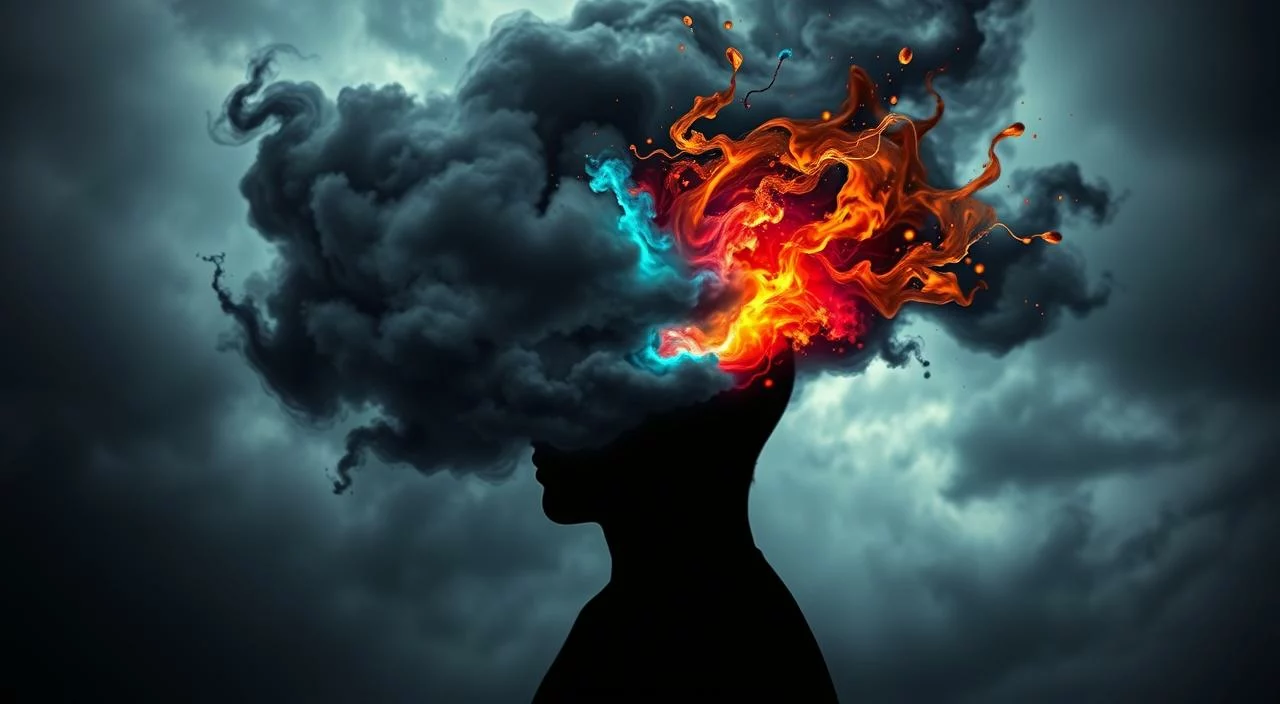

Have you ever considered whether the sadness we sometimes feel might be a sign of something more serious? Depression is a problem that is often underestimated. Approximately 5.8% of the Brazilian population, or 11.5 million people, suffer from it . This has increased significantly since the COVID-19 pandemic.
It is very important to learn to recognize the signs of depression and seek help. The World Health Organization says that around 280 million people worldwide have depression . This shows the seriousness of the problem.
This article will show you how to identify depression and its symptoms. It will also discuss the importance of effective treatment. We will demystify depression and show how it affects life and how to recover.
What is depression?
Depression is a disorder that affects millions of people. It has been considered an illness for about 300 years. Its influence can be devastating.
According to the World Health Organization (WHO), approximately 322 million people worldwide suffer from depression. In Brazil, more than 11 million people are affected. Depression is not just sadness. It can cause apathy, loss of interest, and irritability.
Symptoms can be physical, such as sleep problems and changes in appetite. It can also cause excessive fatigue. For some, depression can make it impossible to continue with normal life. In severe cases, it can lead to death.
It is crucial to recognize the signs of depression and seek help. A diagnosis should be made by a professional, such as a psychiatrist. This is essential for effective treatment.
https://www.youtube.com/watch?v=bXbf_sfA8yE
Main signs of depression
It's very important to know how to recognize the signs of depression . This helps maintain our emotional and physical health. Among the most common signs are persistent sadness and lack of energy . Let's look at these signs in more detail.
Persistent sadness and discouragement
Persistent sadness is a clear sign of depression. It can make you feel empty and affect how you relate to the world. This sadness lasts for weeks and can lead to a despondency that makes daily tasks difficult.
Lack of energy and excessive tiredness
Lack of energy and fatigue are signs that should not be ignored. You may feel tired even after sleeping well. This makes daily life very difficult. Lack of energy affects how you do things, impacting your productivity and quality of life . <sup>4 5 </sup>

How to identify depression
Identifying depression is a crucial step in recovery. It's important to watch out for symptoms of depression such as persistent sadness and loss of interest in pleasurable activities. Changes in sleep and appetite are also signs to be aware of.
In fact, more than 300 million people worldwide suffer from depression. But less than half have access to adequate treatment.6 It is crucial to analyze the health history and intensity of these symptoms, especially if they last more than two weeks.
The COVID-19 pandemic increased anxiety and depression by 25%. In Brazil, 40.4% of Brazilians reported symptoms of depression during this period . Treatment may include therapies such as psychotherapy and attention to diet and physical activity. It is estimated that 90 to 95% of patients achieve a cure with the right treatment.
https://www.youtube.com/watch?v=4tLqkNEDswY
Seeking professional help is essential for treating depression. It can be treated effectively without medication, highlighting the importance of adequate emotional support. <sup>7</sup>
| Common Symptoms | Description |
|---|---|
| Persistent Sadness | Constant feelings of sadness and discouragement. |
| Lack of Interest | Not finding pleasure in activities that were previously enjoyable. |
| Sleep Changes | Difficulty falling asleep or sleeping excessively. |
| Changes in Appetite | Significant weight loss or gain without apparent reason. |
Signs of sadness and anxiety
It's very important to know how to recognize signs of sadness and anxiety. Often, we find it difficult to enjoy things that previously brought us joy. This can be caused by stressors or internal problems that affect our well-being.
Difficulty experiencing pleasure
If you're having trouble feeling pleasure , it could be a sign of a bigger problem. This can create a negative cycle where a lack of motivation worsens feelings of sadness . This can affect our mood and even worsen anxiety.
Changes in sleep and appetite
Changes in sleep and appetite are common in people with depression. Insomnia or excessive sleep can increase fatigue and demotivation. It's important to keep an eye on these signs, as they indicate that mental health may be at risk. Changes in appetite are also a sign of something that deserves attention .

| Symptom Type | Signs Frequently Associated |
|---|---|
| Difficulty experiencing pleasure | Demotivation, apathy, loss of interest |
| Changes in sleep | Insomnia, excessive sleep, non-restorative rest |
| Changes in appetite | Increased or decreased appetite, weight loss or weight gain. |
Understanding these signs of sadness and anxiety is crucial. This helps us seek help, improving our emotional health.
Impacts of depression on quality of life
Depression is a very common problem that affects the lives of many people. It can affect various areas of life. More than 300 million people worldwide struggle with depression, making it one of the most disabling illnesses, according to the WHO 10 11 .
The effects of depression go beyond feelings. It can affect how people work, leading to more absences from work 11 .
Many people with depression do not receive adequate treatment. This can worsen the situation and affect their quality of life . Mental and physical health are linked, and mental health problems can cause physical health problems.
Events such as unemployment and psychological trauma can increase the risk of depression. This affects social life and the ability to perform daily activities. <sup>10</sup>
Among young people, depression is one of the leading causes of death. It is important to have an integrated response to address these problems. Depression can greatly affect quality of life and well-being. <sup>10 </sup>
https://www.youtube.com/watch?v=KAUexjxpJF4
| Affected Aspects | Impacts |
|---|---|
| Mental health | High rates of depression and anxiety |
| Productivity | It increases absenteeism from work. |
| Physical Health | Relationship with cardiovascular diseases |
| Social Interaction | Difficulty in establishing and maintaining relationships. |
| Treatments | Less than half of those affected receive effective treatment. |
Treatment for depression: where to seek help
Treatment for depression needs to be done by qualified professionals. It may include psychotherapy and, in some cases, antidepressant medication. The Ministry of Health says that 90% of patients can recover with the right treatment. <sup>12</sup>
Consultation with healthcare professionals
It is very important to seek help from healthcare professionals. Psychologists and psychiatrists can assess and choose the best treatment. The World Health Organization warns that depression could become the most common disease by 2030 .
The importance of family support
Family support is very important in the treatment of depression. A positive environment helps the person recover faster. About 50% to 60% of depression cases are not detected early enough 13 .
Offering emotional support and encouraging people to seek help makes a big difference. This can greatly aid in the recovery of a depressed person. <sup>14</sup>

Signs of depression in adolescents and adults
Depression affects adolescents and adults differently. In young people, we see changes in behavior, isolation, and a lack of interest in social activities. The World Health Organization (WHO) says that depression is growing among adolescents in many countries. This makes it the third leading cause of death among young people aged 15 to 19 .
Young people with depression may become irritable, aggressive, and have difficulty focusing. This can affect their performance at school. <sup>16</sup>
In adults, depression can cause fatigue and difficulty concentrating. Around 300 million people worldwide struggle with it. <sup>16</sup> Changes in body function and sleep problems are also common. It is important that family members and caregivers recognize these signs and seek help quickly.
https://www.youtube.com/watch?v=QWprkXWn7fc
Signs of discouragement and how to overcome them.
Signs of discouragement can arise for various reasons. This can happen due to dissatisfaction with work, life purpose, relationships , or family conflicts.17 The more discouraged one is, the more difficult it becomes to do everyday things.17 It is important to recognize these signs, as they may indicate depression, affecting approximately 17 million people in Brazil.18
To overcome depression and discouragement, there are strategies. Psychotherapy helps to deal with discouragement and increases self-esteem.17 It is crucial to understand what is causing the discouragement in order to change our lives.17
Furthermore, practical changes can help. Doing new and positive things can combat feelings of stagnation 17. Sleeping well and taking care of what we eat are also important for preventing and treating depression 18 .

Having a positive environment is fundamental to well- being . The table below shows the symptoms of discouragement and how to overcome them:
| Symptoms of Discouragement | Impacts | How to Overcome |
|---|---|---|
| Lack of motivation to perform daily activities. | Feeling of stagnation | Establish a routine with enjoyable activities. |
| Frequent negative feelings | Low self-esteem | Seeking psychological support |
| Social isolation | Damaged emotional relationships | Distance yourself from negative people. |
| Difficulty sleeping | Fatigue and tiredness | Regulate your sleep routine. |
These actions can be a big step towards improving our mental and emotional well-being.
Conclusion
Recognizing the signs of depression is the first step in seeking help. This disorder can greatly affect our lives, leading to serious problems. Approximately 11.5 million Brazilians suffer from it, highlighting the importance of caring for mental health.<sup> 19</sup>
It is crucial that everyone knows about the signs of depression and how to treat them. Psychotherapy and medication are important for recovery . Furthermore, about 80% of people with depression may think about suicide, highlighting the need for support.
We encourage everyone to seek help if they notice symptoms. Together, we can create a more aware and supportive society. Those suffering from depression deserve the support they need. For more information, see this link .
FAQ
What are the signs of depression that we should watch out for?
Signs of depression include persistent sadness, discouragement, and lack of energy . They also include excessive tiredness, difficulty enjoying oneself, changes in sleep and appetite, and social isolation.
How can we identify depression in teenagers?
In adolescents, depression can manifest itself through abrupt changes in behavior. It can cause irritability and disinterest in social activities. This can lead to isolation from friends and family.
What treatments are available for depression?
Treatment for depression may include psychotherapy and antidepressant medication. It may also include lifestyle changes, such as physical exercise and dietary adjustments.
Is it possible for depression to occur in people with no family history of it?
Yes, depression can affect people with no family history of it. It can be caused by genetic, biological, environmental, psychological, and social factors.
How has the COVID-19 pandemic affected cases of depression?
The COVID-19 pandemic has greatly increased cases of depression. This is due to stress, social isolation, and lifestyle changes.
What should we do if we suspect that someone close to us is depressed?
If we suspect depression in someone close to us, it's important to encourage them to seek help. Offer emotional support and be ready for conversations and understanding.
What are the signs of discouragement that may indicate depression?
Signs of discouragement include a lack of motivation to do daily tasks and a feeling of stagnation. Difficulty finding motivation can be a sign of depression.
🌟 Have you considered seeking a therapist to support your well-being journey?
If this article sparked reflections about positive changes in your life, perhaps now is the ideal time to take the next step. Do you know hypnosis as a therapeutic tool? This approach can be surprisingly effective for various personal challenges.
Special offer: Book a free 20-minute consultation with therapist Fabio Morus and discover how therapy can transform your life.
✨ No commitment — Completely free — 20 minutes that can make a difference
👉 Click here to book your free consultation
Don't postpone your well-being any longer. The first step to change is just one click away.