
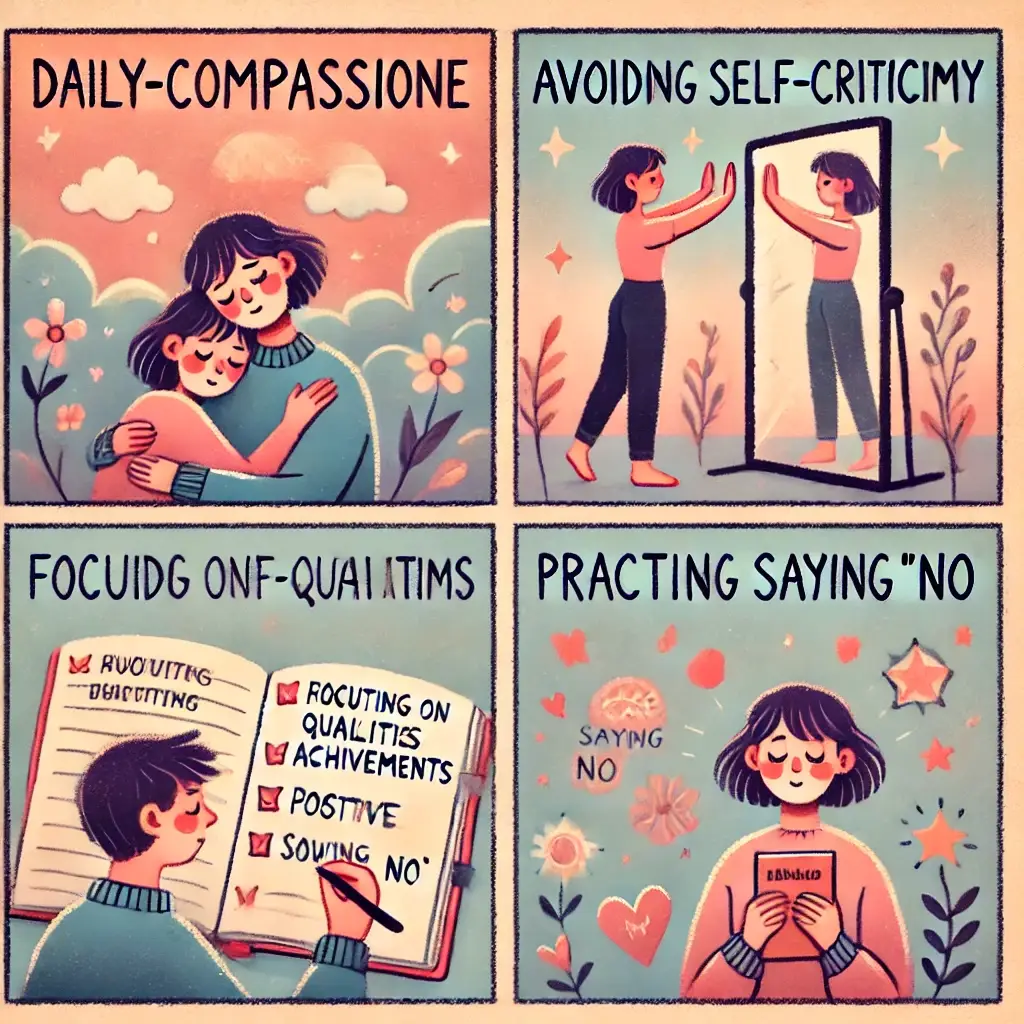

Introduction: Practices to Increase Self-Esteem and Confidence
Feeling good about yourself and developing healthy self-esteem is essential for a balanced and fulfilling life. Many of us struggle with self-esteem at some point, whether due to external factors or self-criticism. But the good news is that there are practices to increase self-esteem and confidence that help build a positive view of who we are. In this article, we will explore strategies and habits that promote self-awareness and strengthen self-confidence in everyday life. With these tips, you can cultivate a more positive view of yourself and face life's challenges with more confidence!
What is self-esteem and why is it important?
Self-esteem is the value and respect we feel for ourselves. It directly affects how we see the world, how we interact with people, and, most importantly, how we deal with life's difficulties. Healthy self-esteem is related to the ability to accept who we are, with our qualities and limitations, without this affecting our personal worth.
The importance of self-esteem for mental health is immense, as it helps maintain a positive and resilient attitude in the face of challenges. When we have low self-esteem, it's common to feel insecure, afraid of failing or being rejected. This can harm relationships, professional life, and even our physical well-being.
Self-esteem, confidence, and self-compassion go hand in hand. Working on these aspects means learning to treat yourself with the same kindness and respect you show to loved ones, recognizing that you are worthy of love and understanding.
Daily Practices to Increase Self-Esteem and Confidence
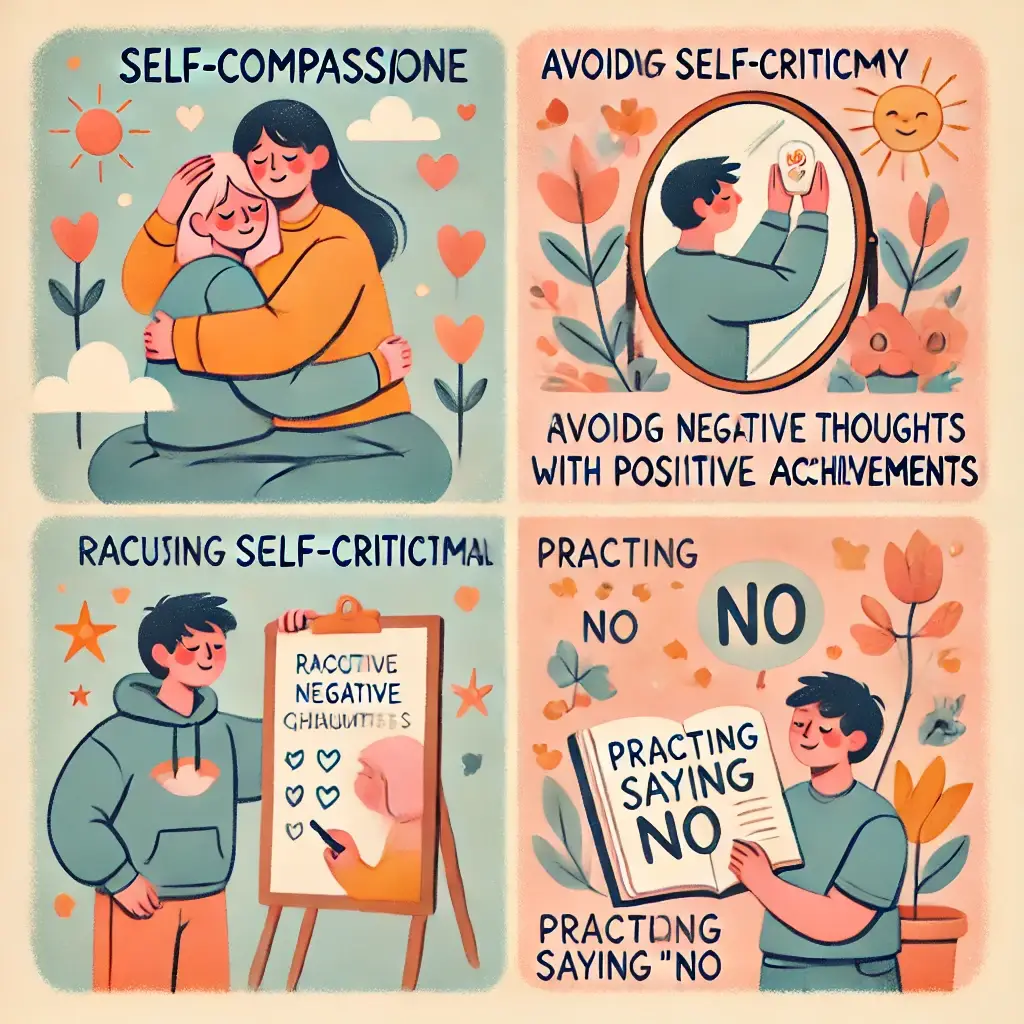
Building self-esteem and confidence requires practice and dedication, but small changes in daily life can bring big results. Here are some simple and powerful tips to increase self-esteem and confidence :
Self-compassion
Being kind to yourself is one of the most important steps. Instead of criticizing yourself, try to treat your flaws with empathy. Imagine how you would talk to a friend in a similar situation and offer yourself the same understanding.
Avoiding Self-Criticism
Often, we are our own worst critics. Try to recognize when you are being unfair to yourself and replace those thoughts with positive affirmations, such as "I am doing my best" or "I deserve respect and care."
Focus on Your Strengths and Achievements
Keep a journal where you can record your small victories and moments when you felt proud of yourself. This habit helps you appreciate your achievements and remember the qualities that make you a unique person.
The Practice of Saying "No"
Learning to say "no" is essential for maintaining self-esteem and confidence. By setting healthy boundaries, you show that you respect your own needs and value your time and energy.
Expressing Gratitude
The practice of gratitude helps create a positive outlook on life and increases self-worth. Take a moment each day to list three things you are grateful for.
Working on Self-Awareness and Self-Acceptance to Increase Self-Esteem and Confidence
Self-esteem and confidence are built upon knowing and accepting who we truly are. This process takes time, but it is rewarding. Some strategies include:
Recognizing Your Personal Values and Goals
Knowing what's important to you helps align your actions with your values. This fosters a more authentic and fulfilling life, and self-esteem grows naturally when we are in tune with our own principles.
Accepting Your Imperfections
We all have flaws and make mistakes, and accepting that is part of the self-discovery process. Remember that perfection doesn't exist, and allow yourself to be human, with all the nuances that entails.
Deconstructing Limiting Beliefs
Often, low self-esteem stems from negative thoughts we accumulate throughout life, such as "I'm not good enough" or "I can't do anything right." Identifying these beliefs and working to change them is fundamental to personal growth.
Reflection Exercises
Take some time to reflect on how you feel and what your goals are. Question the thoughts that come to mind, identifying what might be preventing you from being more confident and self-assured.
Self-care as a practice of self-love.
Self-care goes beyond physical appearance. It's about taking care of the body, mind, and emotions in a balanced way. Activities such as adequate rest, healthy eating, and hobbies have a direct impact on self-esteem.
Strategies to Strengthen Self-Confidence
Confidence is built through small, everyday actions, and over time, it becomes a part of you. Some practical strategies to strengthen confidence and self-esteem are:
Set Achievable Goals
Setting achievable goals, even small ones, helps build a sense of accomplishment and self-confidence. Celebrate each goal achieved, as these accomplishments reinforce your capabilities.
Small Daily Challenges
Try something new every day, such as public speaking, starting a conversation, or learning a new skill. Each small challenge overcome increases your confidence and reduces insecurity.
Positive Visualization
Before a challenging situation, such as an interview or a presentation, visualize yourself succeeding and achieving your goals. Visualization is a powerful tool for training the brain to believe in your own potential.
Posture and Body Language Exercises
The way we position ourselves directly affects how we feel. Open postures, such as keeping our shoulders back and our head held high, help to convey confidence and security.
Reducing Comparisons
Comparing yourself to others is one of the biggest enemies of self-esteem. Remember that each person has their own pace and story. Focus on your progress and celebrate what you have already achieved.
How to Maintain Self-Esteem and Confidence in the Long Term
Building self-esteem and confidence is an ongoing process that must be cultivated throughout life. To maintain these feelings in the long term, consider the following practices:
Creating a Healthy Support Network
Surrounding yourself with positive and encouraging people is essential. Friends and family who support your achievements and respect your limits contribute to strengthening your self-esteem.
Maintaining Healthy Habits
Physical health directly influences emotional well-being. Sleeping well, eating a balanced diet, and engaging in regular physical activity help maintain balance and contribute to a positive self-image.
Periodic Self-Assessment
Take some time to reflect on your progress and reassess your goals. This habit allows you to make adjustments and acknowledge your own development.
Forgiveness and Resilience
Learning to forgive yourself for mistakes or failures is fundamental. Life is full of ups and downs, and being resilient means knowing how to deal with setbacks and get up even stronger.
Establish a Rewards System
Celebrate your achievements and value each stage of your personal growth. Having a reward system helps maintain motivation and reinforces the importance of taking care of your self-esteem.
Conclusion
Boosting self-esteem and strengthening self-confidence are ongoing processes that require dedication and patience. But the results can profoundly transform your life, bringing more security, positivity, and personal fulfillment. Try these practices and discover what works best for you. Remember: your self-esteem is a reflection of how you care for and value yourself. Start today, take the first step, and enjoy every achievement!
If you are looking for a therapist, click on this link.
🌟 Have you considered seeking a therapist to support your well-being journey?
If this article sparked reflections about positive changes in your life, perhaps now is the ideal time to take the next step. Do you know hypnosis as a therapeutic tool? This approach can be surprisingly effective for various personal challenges.
Special offer: Book a free 20-minute consultation with therapist Fabio Morus and discover how therapy can transform your life.
✨ No commitment — Completely free — 20 minutes that can make a difference
👉 Click here to book your free consultation
Don't postpone your well-being any longer. The first step to change is just one click away.